Jeep owners often love the freedom and open-air feeling that a soft top provides. But many wonder, “Do Jeep soft tops leak?”
This is a common concern, especially if you live in an area with heavy rain or snow. Some people share stories of wet seats and musty smells, while others claim their Jeeps stay dry year after year.
So, what is the real story? Let’s explore the facts, common causes, and what you can do to keep your Jeep’s interior dry.
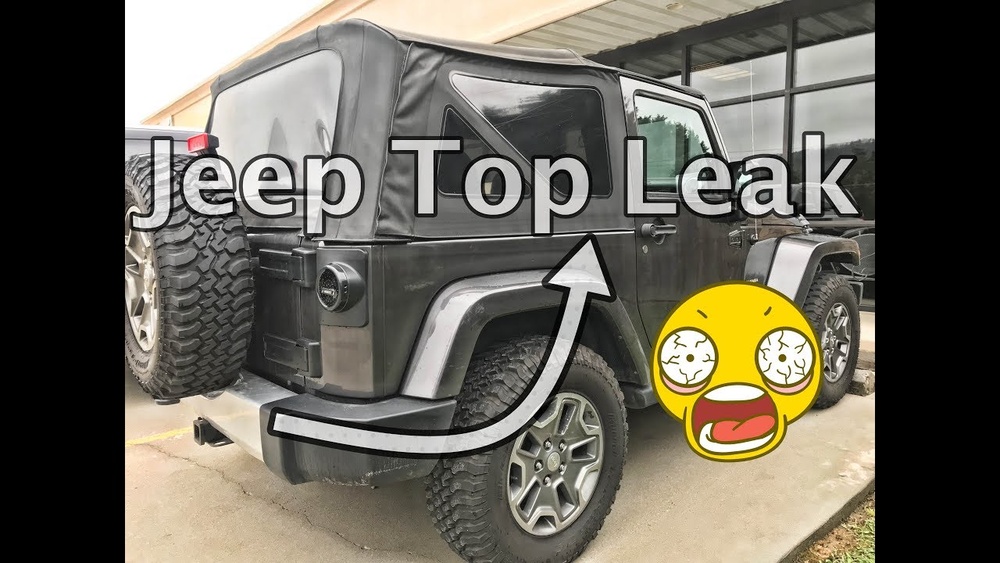
Do Jeep Soft Tops Really Leak?
The short answer is: Jeep soft tops can leak, but it’s not guaranteed. The chance of leaking depends on several factors: age, installation quality, maintenance, and the specific model of your soft top. Newer soft tops, especially factory-installed ones, are designed to keep water out under normal conditions. However, over time, even a well-made top can develop issues.
Many Jeep forums report that most leaks come from user error, worn-out seals, or damage rather than design flaws. But it’s still important to understand where leaks can happen and how to prevent them.
Common Leak Points On Jeep Soft Tops
Soft tops are made with fabric, plastic windows, and rubber seals. Each of these parts can be a potential entry point for water. Here are the most common places where leaks happen:
Door seals: These rubber strips compress over time and may let water seep in.
Window zippers: If not closed properly, water can slip through gaps.
Seams and stitching: Old or poorly maintained fabric can let water drip inside.
Around the windshield: The area where the top meets the windshield is a frequent trouble spot.
In most cases, leaks are not dramatic floods but slow drips that can cause mold, stains, or unpleasant odors if not fixed quickly.
Comparing Soft Tops And Hard Tops
You might wonder if switching to a hard top is the answer. Here’s a quick comparison to help you decide:
Feature | Soft Top | Hard Top |
|---|---|---|
Water Resistance | Good (if new/maintained) | Excellent |
Noise | Louder | Quieter |
Weight | Light | Heavy |
Flexibility | Easy to remove | Harder to remove |
Cost | Lower | Higher |
Hard tops are usually more water-tight, but they are heavier and cost more. Soft tops provide more flexibility for open-air driving but need more attention to avoid leaks.
Causes Of Leaking In Jeep Soft Tops
Understanding why leaks happen is key to preventing them. Here are the main causes:
Aging materials: Sun, rain, and snow break down fabric and seals over time.
Improper installation: Even a new top will leak if not installed correctly. Gaps or misaligned parts allow water in.
Physical damage: Tears, punctures, or worn zippers create openings for water.
Clogged drainage channels: Jeeps have drain holes that can get blocked by dirt or leaves. Water then finds another way inside.
A surprising fact is that high-pressure car washes often force water past seals that would be fine in normal rain. This is one reason why some owners notice leaks after a wash but not during storms.
How To Prevent And Fix Leaks
Prevention is much easier than repair. Here are some practical steps:
Inspect seals regularly: Look for cracks or dry spots. Replace old or damaged seals right away.
Clean the top and zippers: Dirt prevents zippers from closing fully. Use mild soap and water.
Tighten hardware: Make sure all fasteners are secure, especially after removing and reinstalling the top.
Keep drainage holes clear: Check them every few months, especially in fall when leaves fall.
Apply sealant: Special sprays can renew water resistance for older tops.
If you do find a leak, try to trace the water path by spraying small amounts of water at a time. This helps you see exactly where water enters. Patching a small hole or replacing a bad seal can save a lot of trouble.
A survey of Jeep Wrangler owners by a major online forum found that about 40% reported a leak at least once during their Jeep’s life. However, over 75% of those cases were fixed with simple maintenance—like adjusting seals or cleaning zippers.
Another interesting point: Owners in humid or rainy regions reported more leaks, but also said regular care made a big difference. Owners who left tops dirty or didn’t check seals had more problems.
Here’s a quick look at leak rates by Jeep generation, based on user reports:
Jeep Model | Leak Rate (Reported) |
|---|---|
Wrangler TJ (1997-2006) | High |
Wrangler JK (2007-2018) | Moderate |
Wrangler JL (2018+) | Low |
This shows that newer Jeeps have improved soft top designs, but no model is totally leak-proof.

When To Replace Your Soft Top
No soft top lasts forever. Most last 5-7 years with normal use. Here are signs it’s time to replace yours:
Large cracks or tears in the fabric
Faded or stiff plastic windows
Seals that no longer compress
Repeated leaks even after repairs
A new soft top can cost between $500 and $1,500 depending on the model and brand.
Unexpected Insights Most Owners Miss
Many new Jeep owners don’t realize that parking angle matters. If your Jeep is tilted nose-down, water may pool near the windshield and find its way in. Try to park on level ground or with the rear slightly lower during heavy rain.
Another overlooked detail is seasonal changes. Rubber seals shrink in cold weather, so leaks may only show up in winter. Lubricate seals with silicone spray to keep them flexible year-round.
Why Do Some Jeep Soft Tops Leak More Than Others?
The main reasons are age, installation quality, and maintenance. Older tops with worn seals will leak more. Also, third-party or aftermarket tops may not fit as tightly as factory originals.
Can I Drive A Jeep With A Leaking Soft Top?
You can, but it’s not recommended. Leaks can cause mold, electrical problems, and damage to seats or carpets. It’s best to fix leaks quickly to avoid bigger issues.
How Do I Find The Source Of A Leak?
Start by inspecting seals and seams. Use a garden hose to test small areas at a time. Look inside for drips or water trails. Sometimes, chalk dust on seals helps show where water breaks through.
Will Insurance Cover Damage From A Leaking Soft Top?
Most car insurance policies do not cover wear and tear like leaks. However, if a leak causes major damage (like electrical failure), you might be covered under comprehensive insurance. Always check your policy.
What’s The Best Way To Waterproof A Jeep Soft Top?
Keep it clean, use fabric protectant sprays, and replace damaged seals. For older tops, consider professional re-sealing services or replacement.
For more detailed information on Jeep maintenance, check the official Jeep Care page.
Driving with a Jeep soft top is all about balance—freedom versus a little extra care. By understanding why leaks happen and how to prevent them, you’ll keep your Jeep dry and enjoy every adventure, rain or shine.