If you’ve ever seen a Jeep climb a rocky hill or drive through deep snow, you might wonder what makes it so strong off-road. The answer is in its 4×4 system.
Jeep 4×4 is more than just four-wheel drive—it's a mix of smart engineering and decades of experience. This article explains how Jeep 4×4 works, the four main types you’ll find, and what makes each one unique.
Whether you want to buy a Jeep, or you're just curious, you'll discover how these systems keep Jeeps moving where other vehicles stop.
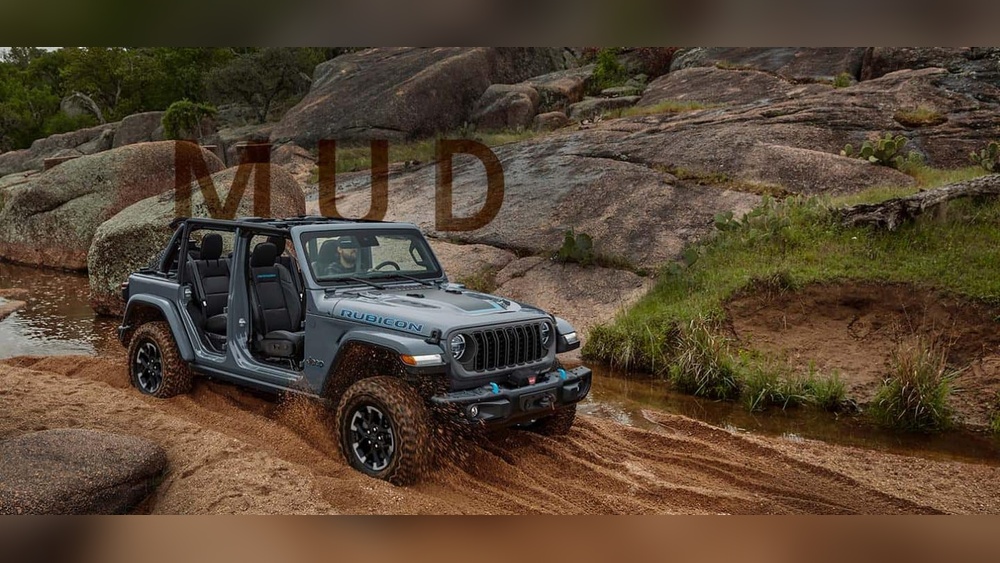
What Is Jeep 4×4?
A 4×4 system means all four wheels get power from the engine. In most cars, only the front or back wheels drive the vehicle. With Jeep 4×4, you get better grip and control, especially on dirt, sand, snow, or rocks. This is why Jeeps are famous for their off-road skills and why many people choose them for adventure.
Why 4×4 Matters
Many people think 4×4 is only for tough trails, but it helps in everyday life too. For example, a 4×4 Jeep can handle slippery roads after rain or snow. It also helps when pulling a trailer or driving up a steep driveway. In short, Jeep 4×4 adds safety and confidence in many driving situations.
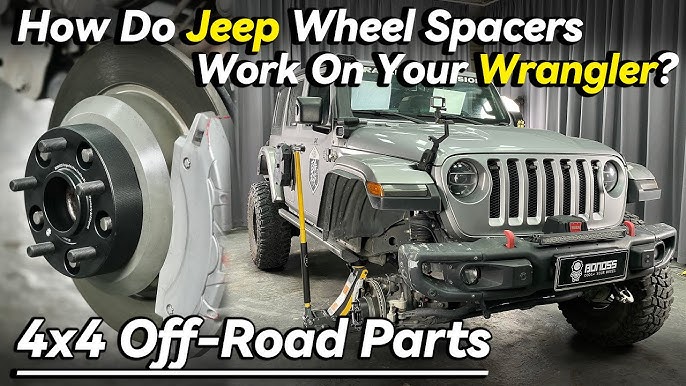
The Four Types Of Jeep 4×4 Systems
Jeep uses four main 4×4 systems. Each works in a different way and fits different needs. Let’s look at them one by one.
1. Command-trac
Command-Trac is a part-time 4×4 system. This means you can switch between two-wheel drive and four-wheel drive. It uses a lever or switch inside the Jeep.
- How it works: In normal driving, only the rear wheels get power. When you need extra grip, you shift into 4×4 mode. This sends power to all wheels.
- Best for: Off-road use, slippery roads, or when you need more control.
- Key point: Do not use 4×4 mode on dry pavement; it can damage the system.
Example: The Jeep Wrangler Sport uses Command-Trac. On muddy trails, drivers can switch to 4×4 and keep moving even when one wheel slips.
2. Selec-trac
Selec-Trac is a full-time 4×4 system with an automatic setting. You can leave it in 4×4 mode all the time.
- How it works: It uses a center differential. This lets the front and rear wheels turn at different speeds, so you can use 4×4 on any surface.
- Best for: Drivers who want extra safety without having to think about shifting modes.
- Key point: Selec-Trac is good for daily driving and changing weather.
Example: The Jeep Cherokee offers Selec-Trac. You can drive from dry roads to snow without switching anything.
3. Rock-trac
Rock-Trac is built for serious off-roading. It comes with advanced features for the toughest trails.
- How it works: It includes stronger axles and a special transfer case. This gives more torque (turning force) to the wheels, helping the Jeep climb rocks or steep hills.
- Best for: Extreme off-roaders and people who want the most control over rough ground.
- Key point: Rock-Trac also has electronic locking differentials for better grip.
Example: The Jeep Wrangler Rubicon uses Rock-Trac. In the famous Rubicon Trail, this system helps drivers tackle boulders and deep ruts that would stop other vehicles.
4. Quadra-drive Ii
Quadra-Drive II is a smart, high-tech 4×4 system. It can send almost all the engine’s power to just one wheel if needed.
- How it works: It uses electronic sensors and limited-slip differentials. When one wheel slips, the system sends power to the wheels with grip.
- Best for: People who drive in changing conditions—ice, mud, deep snow, or hills—and want maximum traction without thinking about it.
- Key point: It works automatically; the driver doesn’t need to do anything.
Example: The Jeep Grand Cherokee offers Quadra-Drive II. On an icy hill, it can shift power to the wheels that still have grip, so you keep moving safely.
Comparing Jeep 4×4 Systems
Here’s a quick comparison of these four systems to help you see the main differences:
| System | Type | Best For | Main Feature |
|---|---|---|---|
| Command-Trac | Part-time | Off-road, basic use | Manual control |
| Selec-Trac | Full-time | Mixed conditions | Automatic mode |
| Rock-Trac | Part-time | Extreme off-road | High torque, lockers |
| Quadra-Drive II | Full-time | All conditions | Smart power transfer |

Key Components Of Jeep 4×4
Understanding how Jeep 4×4 works means knowing its main parts:
- Transfer case: Sends power to the front and rear wheels.
- Differentials: Let wheels turn at different speeds, which is important for corners.
- Axles: Carry power to the wheels.
- Lockers: Lock wheels together for more grip on tough surfaces.
Real-world Performance
Jeeps with 4×4 are tested in all types of conditions. For example, the Wrangler Rubicon can climb up to a 44-degree slope, while the Grand Cherokee Trailhawk offers a wading depth of 20 inches. These numbers show how Jeep 4×4 systems go beyond normal cars.
Here’s another quick look at how these systems handle different surfaces:
| System | Dry Pavement | Snow/Ice | Mud/Rocks |
|---|---|---|---|
| Command-Trac | No | Yes (4×4 mode) | Yes |
| Selec-Trac | Yes | Yes | Yes |
| Rock-Trac | No | Yes (4×4 mode) | Yes (best) |
| Quadra-Drive II | Yes | Yes (automatic) | Yes |
Two Insights Most People Miss
- Tire choice is critical: Even the best Jeep 4×4 system can lose grip with the wrong tires. Off-road tires make a big difference in mud or snow, while all-season tires are better for city driving.
- Ground clearance matters: 4×4 helps, but if the Jeep is too low, it can still get stuck. Many Jeeps offer adjustable suspensions, so you can raise the vehicle for tough trails.
Common Mistakes To Avoid
- Using part-time 4×4 on dry pavement. This can strain the system and cause expensive repairs.
- Ignoring regular maintenance. Check fluids in the transfer case and differentials to keep everything working smoothly.
- Thinking all 4×4 systems are equal. Each Jeep system has its strengths—choose based on your main driving needs.