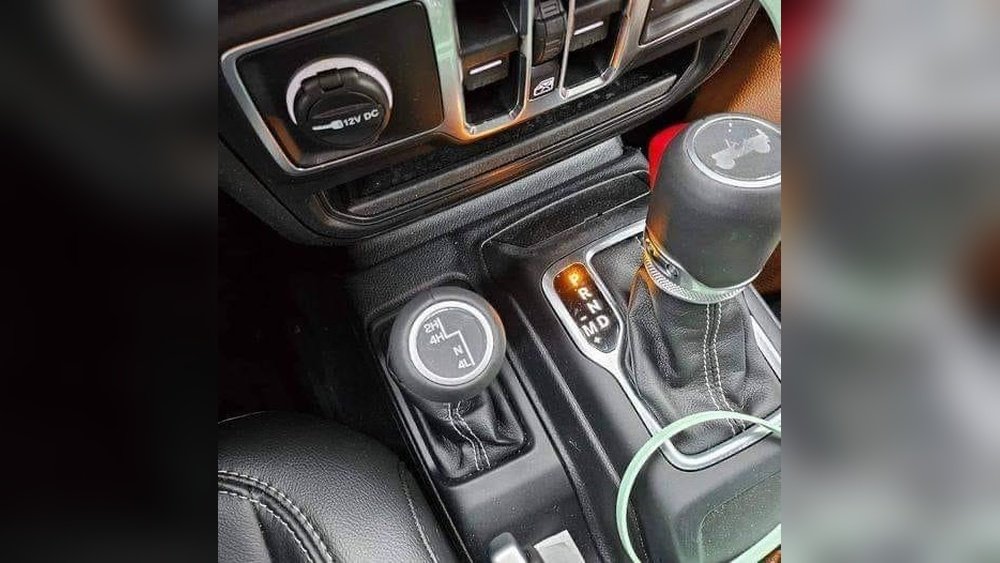
The Willys Jeep is a legendary vehicle that changed the course of history. Its name is recognized all over the world, but few people know how it got such a unique title.
The story behind the Willys Jeep’s name is full of twists, clever marketing, and military need.
Let’s dive into the journey of this iconic vehicle and discover how “Willys Jeep” became a household name.
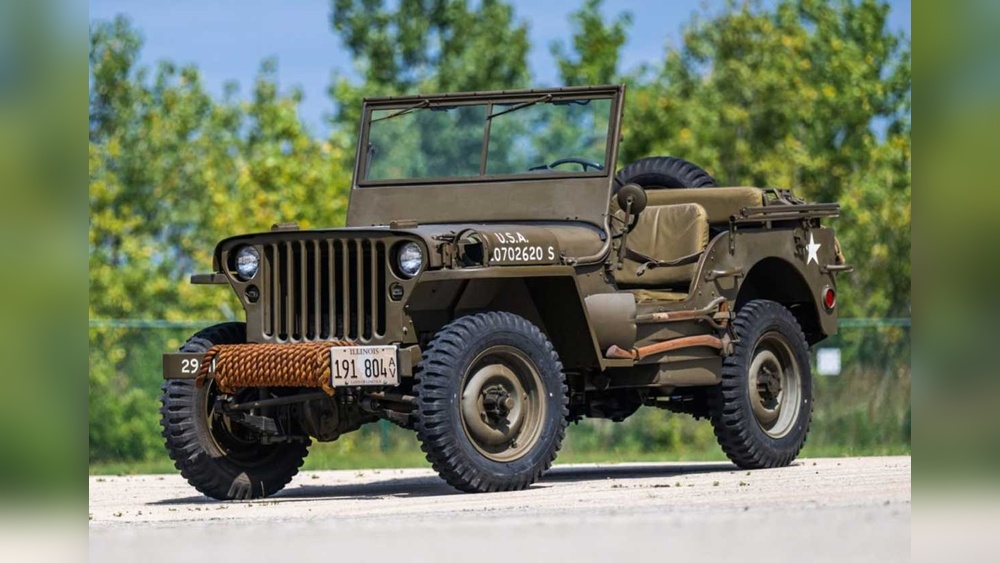
The Origins Of Willys
Willys-Overland was a car manufacturer in Ohio, USA. Founded in 1908, the company became known for affordable cars and durable engines. By the late 1930s, Willys-Overland was struggling financially but had a reputation for strong engineering. Their cars were not fancy, but they lasted a long time and did not break down easily. This made Willys-Overland popular with people who needed reliable transportation.
During World War II, the U.S. Army needed a new lightweight vehicle for the battlefield. They sent out a call for designs to several car makers, including Willys-Overland. The requirements were strict: fast, strong, easy to repair, and able to drive anywhere. The Army wanted a vehicle that could handle rough roads, deep mud, and even water crossings. It had to be small enough to fit on narrow trails and light enough for soldiers to push if it got stuck.
Three companies responded:
- Bantam
- Ford
- Willys-Overland
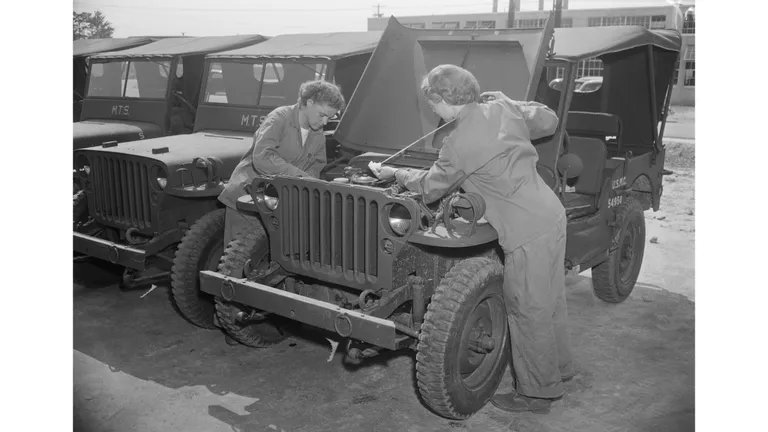
Each made prototypes, but Willys-Overland’s design was the strongest and most reliable. Their model was also easier to build in large numbers, which was important for war production. This model became the famous Willys MB, known for its “Go-Devil” engine and simple but tough construction. The MB could be fixed quickly in the field, which saved time and lives.
How The “jeep” Name Appeared
The name “Jeep” is strange and memorable. Many people ask: Where did “Jeep” come from? There are a few theories, but one stands out.
The “gp” Theory
Some believe “Jeep” came from the military term “GP”, which means General Purpose. Soldiers would say “GP” quickly, and it sounded like “Jeep”. However, official documents rarely used “GP” for the vehicle. In reality, “GP” was more often used for Ford’s prototype, and not as a universal label. Still, this story is popular because it seems logical and fits the military’s habit of using acronyms.
The Eugene The Jeep Theory
Another popular theory comes from a cartoon character called Eugene the Jeep. Eugene was a magical animal from the Popeye comics in the 1930s. He could go anywhere and do anything. Soldiers started calling their new Willys vehicle “Jeep” because it was small, reliable, and could go anywhere—just like Eugene. This nickname felt natural to the soldiers, who often used humor and pop culture references to describe new equipment. The Popeye comic was very famous at the time, so the name spread quickly among the troops.
Early Use In Military
By 1941, soldiers were using “Jeep” as a nickname for the Willys MB. The name spread quickly.
In February 1941, a Willys vehicle was driven up the steps of the U. S.
Capitol in Washington, D. C. A journalist asked, “What is this?
” The test driver replied, “It’s a Jeep. ” The name was published in newspapers, and it stuck.
That moment was key public attention made “Jeep” famous outside the military. Soon, the public, press, and even politicians were calling it a Jeep.
This organic spread of the name shows how strong word-of-mouth and simple language can be in shaping history.
Willys-overland’s Branding Strategy
Willys-Overland saw an opportunity. They wanted to make “Jeep” part of their brand, not just a military nickname. After the war, Willys-Overland trademarked Jeep and started selling civilian models. This was a smart move because many returning soldiers wanted a vehicle like the ones they drove during the war.
Here’s a simple comparison of Willys MB and the first civilian Jeep, the CJ-2A:
| Model | Year | Main Use | Engine Power |
|---|---|---|---|
| Willys MB | 1941-1945 | Military | 60 hp |
| CJ-2A | 1945-1949 | Civilian | 60 hp |
Willys pushed the Jeep brand in advertising and manuals. Their strategy paid off. Jeep quickly became a symbol of toughness and freedom. They showed pictures of Jeeps climbing hills, crossing rivers, and doing farm work. This marketing helped people see that Jeep was for more than just war—it was great for farmers, ranchers, and anyone who needed a strong vehicle. Willys was also quick to get the Jeep into public events and parades, making it even more visible.
One detail beginners often miss is that Willys offered many Jeep accessories early on like plows, winches, and trailers to make it useful for all kinds of jobs. This helped connect the Jeep with rural America and outdoor lovers.
Impact And Recognition
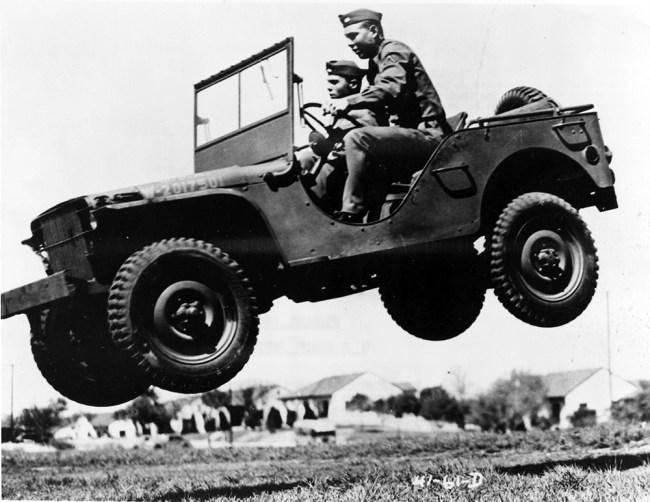
The Willys Jeep became famous for its performance in World War II. It could cross rivers, climb hills, and drive through mud. The U.S. Army ordered over 640,000 Jeeps during the war. Other countries saw the Jeep’s value and used it too. Its ability to be shipped easily, even by airplane or glider, made it a favorite for military logistics. Jeeps were used as ambulances, command cars, and even for laying telephone wires.
Here’s a quick comparison between Willys Jeep and other military vehicles of the time:
| Vehicle | Speed | Weight | Capacity |
|---|---|---|---|
| Willys Jeep | 60 mph | 2,450 lbs | 4 people |
| Half-track | 40 mph | 18,000 lbs | 10 people |
| Motorcycle | 70 mph | 400 lbs | 1 person |
The Jeep was lighter, faster, and more versatile than most vehicles. Its name became a shorthand for reliability.
Many soldiers trusted it with their lives. Even after the war, surplus Jeeps were sold to civilians, helping to build roads, farms, and new communities.
The Jeep’s simple design also made it easy for mechanics in remote areas to repair.
Another hidden insight: the Jeep’s flat hood and fenders were not just for style—they made it easy to mount stretchers, radios, and other equipment. This practical design was part of the reason for its long-lasting reputation.
Two Insights Beginners Miss
- Many think “Jeep” was always the official name, but it started as a nickname from soldiers and journalists. Willys only made it official after seeing its popularity. This shows that sometimes, the best product names come from real users, not marketing teams.
- The word “Jeep” was used for other military machines before the Willys MB, like tractors and trucks. The Willys Jeep made the name famous. Knowing this helps explain why soldiers so easily accepted “Jeep” as the new vehicle’s name—it was already in their vocabulary for strange or experimental vehicles.
Jeep’s Legacy Today
Even after 80 years, the Jeep brand is strong. Modern Jeeps keep the spirit of the original Willys MB—durable, adventurous, and ready for anything. Willys-Overland’s clever branding turned a military nickname into a global icon. Today’s Jeeps are more comfortable and high-tech, but they still use four-wheel drive and strong axles, just like the original. The boxy shape and open-air feeling remain, connecting the past with the present.
Jeeps are now sold in more than 100 countries. They are popular with off-road drivers, families, and people who want a vehicle that stands out.
Jeep clubs and events are common worldwide, showing how much people still love the brand’s history and adventure.
If you want to learn more about Jeep’s history, you can check out Wikipedia’s Willys MB page.

Frequently Asked Questions
What Does “jeep” Really Mean?
The most accepted meaning is that “Jeep” started as a nickname for the Willys MB, inspired by the Popeye cartoon character Eugene the Jeep and military slang. The name caught on because it was short, easy to say, and fun.
Was Willys The Only Company Making Jeeps?
No. Ford and Bantam also built early Jeep prototypes, but Willys-Overland’s design was chosen for mass production. In fact, Ford built many Jeeps under license during the war to meet demand.
When Did Willys-overland Trademark “jeep”?
Willys-Overland officially trademarked the Jeep name in 1943, securing it for civilian and commercial use. This was a key move that allowed Willys to control the brand after the war.
Yes. Modern Jeeps, especially the Wrangler, trace their design and engineering back to the Willys MB. The tough, boxy style and 4×4 system remain key features. Even the round headlights are a nod to the original design.
How Many Willys Jeeps Were Made During World War Ii?
About 640,000 Willys Jeeps were produced for the U.S. military between 1941 and 1945. Many of these vehicles continued to serve in civilian roles after the war, helping to build the post-war world.
The Willys Jeep’s name is more than just a brand. It’s a story of invention, bravery, and smart marketing.
What began as a nickname on the battlefield became a symbol of adventure and freedom worldwide.
The next time you see a Jeep, you’ll know that its name carries the history of both soldiers and clever engineers a real testament to the power of a good name and a great idea.