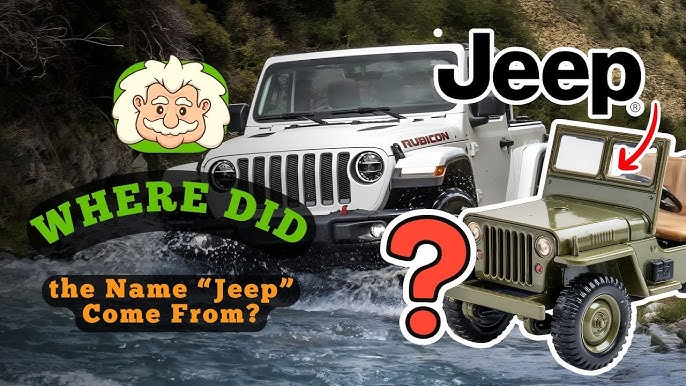
The name "Jeep" is one of the most recognized in the automotive world. But if you look back, the story of how "Jeep" became a household name is full of mystery, military history, and even some surprising myths.
In this article, you'll discover how the name "Jeep" came about, why it stuck, and what made it so unique.
The Birth Of The Vehicle
During World War II, the U.S. Army needed a light, all-terrain vehicle for fast transport and reconnaissance. In 1940, the military sent out a request to several automakers for a new design. The requirements were strict: the vehicle had to be light, strong, and quick to produce.
Three main companies responded:
- Bantam
- Willys-Overland
- Ford
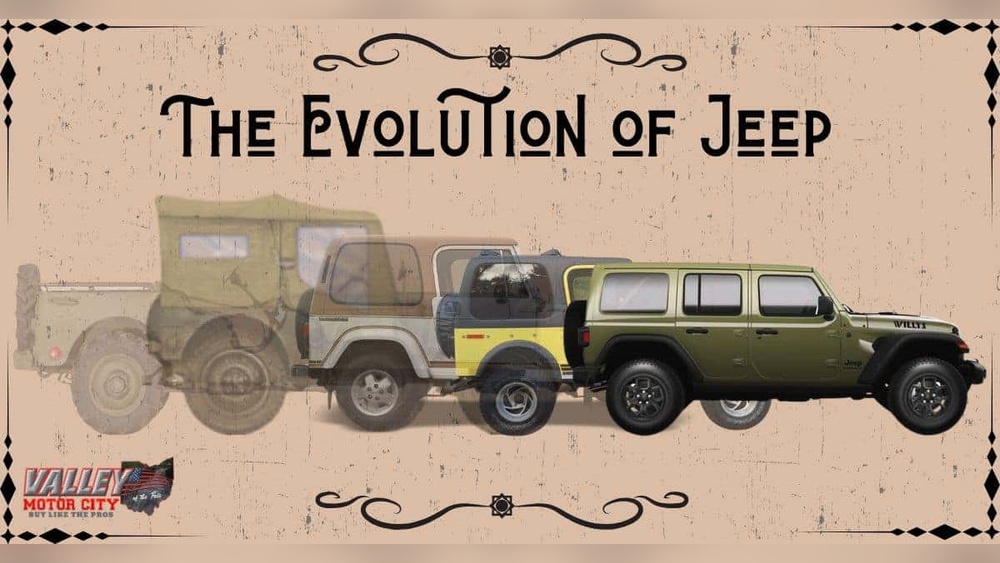
Each company built its own version, but Willys-Overland’s design, with some ideas from Bantam and Ford, became the main model. The result was the Willys MB, a tough, small vehicle that could handle mud, snow, and rough terrain.
Early Names And Military Codes
At first, the vehicle didn’t have a catchy name. Soldiers and engineers used terms like:
- 1/4-ton truck
- Reconnaissance Car
- General Purpose (G.P.) Vehicle
The military often used codes. Willys MB stood for “Model B,” and Ford called their version the GPW (G for Government, P for 80-inch wheelbase, W for Willys engine). This is where some confusion started, as people began calling the vehicle “G.P.”—pronounced “jeep.”
| Manufacturer | Military Code Name | Year Introduced |
|---|---|---|
| Bantam | BRC-40 | 1940 |
| Willys-Overland | MB | 1941 |
| Ford | GPW | 1941 |
Theories Behind The Name “jeep”
The name’s true origin is still debated. However, there are three main theories about how “Jeep” came to life.
1. Slang For “general Purpose”
Some believe “Jeep” came from the letters “G.P.,” which stood for General Purpose. When said quickly, “G.P.” sounds like “jeep.” This explanation is popular, but not all historians agree. The military actually used “G.P.” for other vehicles too, not just the Willys MB.
2. Eugene The Jeep
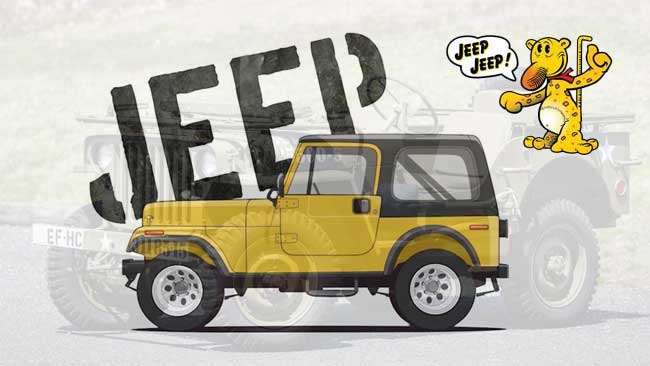
A second theory points to a cartoon character called Eugene the Jeep from the Popeye comics. Eugene was a magical creature, small and able to go anywhere. Soldiers who grew up with the cartoon thought the new vehicle was just as capable and soon called it “jeep” after the comic character.
3. Workshop Slang
Even before World War II, mechanics used “jeep” as slang for new or untested vehicles or equipment. When the Willys MB appeared, the word fit perfectly, as it was new and different from anything before.
The Name Gains Popularity
No matter which theory is correct, the name “Jeep” spread quickly. Soldiers used it so much that by 1941, “jeep” was the common term in the Army and even in newspapers.
A famous moment helped. In February 1941, Willys showed off the vehicle in Washington, D.
C. A reporter from the Washington Daily News, Katherine Hillyer, heard soldiers calling it a “jeep” and used the term in her article. The name stuck.

Official Adoption And Trademark
Willys-Overland saw the power of the name. They began to market their civilian version as the Willys Jeep after the war. In 1950, Willys-Overland trademarked “Jeep,” making it official.
| Year | Event |
|---|---|
| 1941 | First public use of “jeep” in a news article |
| 1945 | Start of civilian Jeep production |
| 1950 | “Jeep” officially trademarked |
The Name In Popular Culture
By the 1950s, “Jeep” meant more than just a vehicle. The name stood for toughness, freedom, and adventure. Civilians wanted the same rugged cars they saw in the war. Jeep became a symbol of outdoor life and American ingenuity.
Over time, many other vehicles tried to copy the name, but only Willys-Overland (and its later owners) could use it. Jeep became a brand, not just a nickname.
Surprising Details Most People Miss
Many people think “Jeep” always meant the famous 4×4, but it was once a general word for any new or experimental vehicle. Also, the first Jeeps had different engines, bodies, and even colors depending on which company made them.
The idea of a “standard Jeep” only came later.
Another often-overlooked fact: the original Jeeps were not meant for civilians. They were built for war, with simple designs and few comforts. Everything extra was left out to save weight and resources.
Jeep Today: A Lasting Legacy
Now, Jeep is owned by Stellantis (formerly Fiat Chrysler). The brand makes SUVs and trucks sold worldwide.
Yet, the name still carries its original meaning—vehicles that go where others can’t.
Here is a simple comparison of how the first military Jeep and a modern Jeep Wrangler differ:
| Feature | 1941 Willys MB | 2024 Jeep Wrangler |
|---|---|---|
| Engine Power | 60 hp | 285 hp |
| Top Speed | 65 mph | 112 mph |
| 4WD | Yes (basic) | Yes (advanced) |
| Comfort | Minimal | High |