The Jeep Wave is more than just a friendly gesture—it's a unique tradition that brings together Jeep owners across the world. If you drive a Jeep, you may have noticed other drivers giving a quick wave as you pass by.
This simple act carries a deep sense of community and history. But how did this iconic wave start, and why has it lasted for decades?
Let's explore the roots, the meaning, and the evolution of the Jeep Wave.
The Early Days Of The Jeep Wave
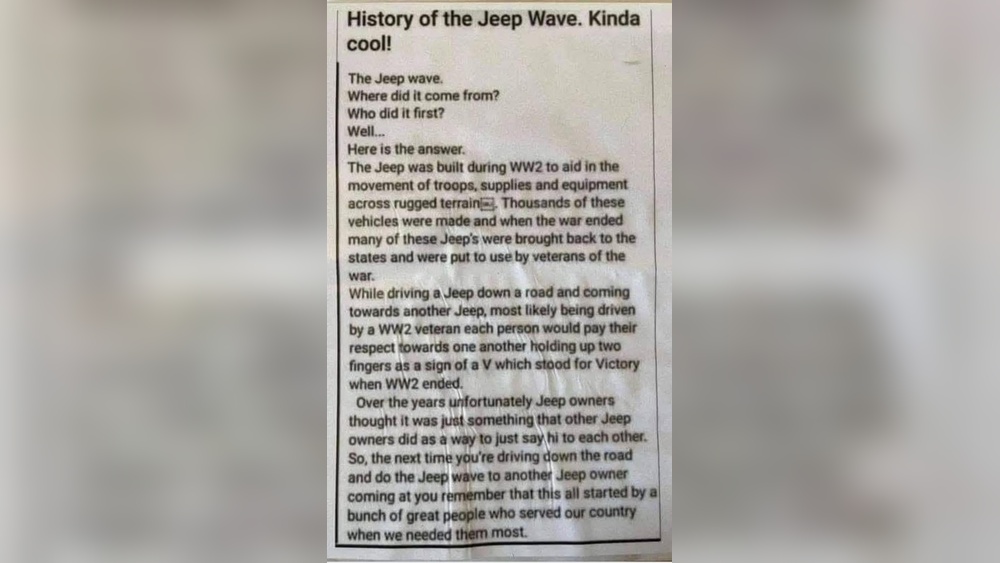
The origin of the Jeep Wave goes back to World War II. Jeeps were first used by the U.S. military, and soldiers relied on them for transport across rough terrain. During the war, it was common for soldiers in Jeeps to acknowledge each other with a wave.
This gesture had a practical reason: it helped identify friend from foe. Waving was a quick way to show you were an ally, not an enemy. In dangerous areas, this small sign could prevent misunderstandings and keep soldiers safe.
After the war, many veterans brought their love for Jeeps back home. They bought surplus military Jeeps or the new civilian models, and the habit of waving continued.
It became a way for veterans to recognize each other and share a bond that went beyond the vehicle itself.
The Jeep Wave Spreads
As Jeeps became popular in civilian life, the wave tradition grew. By the 1960s, Jeep drivers on back roads and trails would greet each other with a nod or a wave. This created a sense of camaraderie—even if you didn’t know the other driver, you shared a passion for adventure.
Jeeps were often used for off-roading, exploring, and outdoor activities. Because of this, the Jeep community stayed small and close-knit for many years. The wave became a silent rule: if you drove a Jeep, you waved at other Jeep owners.
Enthusiasts started to see the wave as a mark of respect. It didn’t matter if your Jeep was old or new, muddy or clean. What mattered was being part of the same group, sharing the spirit of freedom and exploration.
How The Jeep Wave Is Done
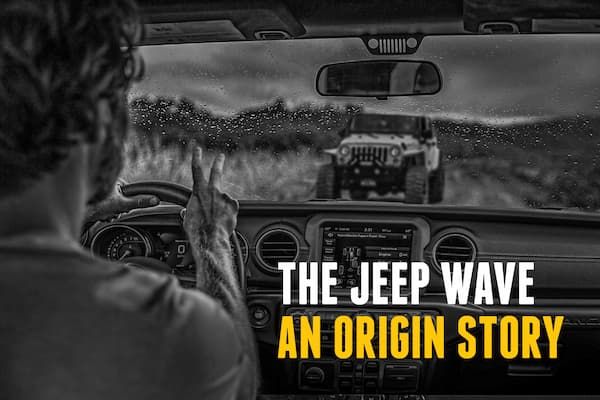
There’s no official rulebook for the Jeep Wave, but it has a few common forms:
- A simple raise of the hand from the steering wheel
- A casual two-finger salute
- A full wave out the window
The gesture is usually quick and subtle. It’s not about showing off but about connection.
Many Jeep owners debate whether the wave is only for certain models, like the classic Wrangler. In reality, most drivers agree that it’s for anyone driving a Jeep, no matter the year or style.
Myths And Misunderstandings
As the Jeep Wave became more popular, a few myths started to grow. Some drivers claim that only certain Jeeps “deserve” the wave—such as those that have been off-road or have modifications. Others say you only wave if you have a Jeep with removable doors.
In truth, these rules are mostly playful. The heart of the Jeep Wave is inclusion, not exclusion. Anyone driving a Jeep can take part. Sometimes, new owners feel nervous about waving first, but most experienced drivers appreciate seeing more people join in.
One common mistake is forgetting to return a wave, especially in busy traffic. While it’s not always possible, making the effort helps keep the tradition strong.

The Jeep Wave In Modern Times
Today, the Jeep Wave is still going strong—even as Jeep vehicles have become more mainstream. There are more than 1.5 million Jeep Wranglers on the road in the US alone. The tradition now connects people across cities, highways, and trails.
Jeep has even recognized the wave officially. In 2015, the company launched the Jeep Wave Program—a membership for owners that includes service perks and customer support. While the program is different from the gesture, it shows how important this tradition is to the brand and its fans.
Here’s a quick look at how the Jeep Wave compares to other car greetings:
| Gesture | Car Brand/Community | Common Purpose |
|---|---|---|
| Jeep Wave | Jeep | Community bond, tradition |
| Motorcycle Wave | Harley, other bikes | Safety, recognition |
| Corvette Salute | Chevrolet Corvette | Pride, exclusivity |
Why The Jeep Wave Matters
The Jeep Wave is more than just a habit—it’s a symbol of the Jeep community. Here’s why it matters:
- Connection: It helps owners feel part of something bigger.
- Tradition: It honors the Jeep’s military roots and history.
- Respect: It shows admiration for fellow drivers, regardless of their Jeep’s age or style.
For many, the wave is a reminder that driving a Jeep is not just about transportation. It’s about adventure, friendship, and a shared love for the road.
One thing beginners often miss: even if you drive a modern Jeep in the city, the wave still applies. You don’t need to be on a dirt trail to take part. Another insight: the wave can break barriers between strangers, making parking lots and highways feel a little friendlier.
Jeep Wave Etiquette
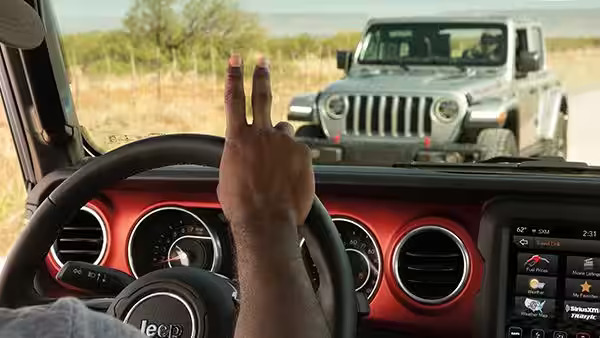
While there are no strict rules, some unwritten guidelines help keep the tradition friendly:
- Always wave first if you see another Jeep.
- Don’t worry if someone doesn’t wave back—it happens.
- The type of Jeep doesn’t matter; the spirit does.
Here’s a quick comparison of Jeep models and their likelihood to participate in the wave, based on owner reports:
| Jeep Model | Wave Frequency (Common, Rare, Occasional) | Typical Owners |
|---|---|---|
| Wrangler | Common | Off-road fans, adventurers |
| Cherokee | Occasional | Families, commuters |
| Grand Cherokee | Rare | Luxury, daily use |
| Renegade | Occasional | Urban drivers |
This doesn’t mean you shouldn’t wave if you drive a less common model. In fact, a wave from a rare Jeep can be a nice surprise.
The Lasting Legacy
The Jeep Wave remains one of the most recognizable traditions in car culture. It’s a reminder that small gestures can create lasting bonds.
Even as the world changes, the simple act of waving from one Jeep to another shows that community and respect still matter.
If you’re new to the Jeep world, don’t hesitate to join in. That quick wave might make someone’s day and connect you to a tradition that started on the battlefields and now stretches across highways worldwide.
For more on Jeep history and culture, visit the official Jeep History page.
Frequently Asked Questions
What Is The Jeep Wave?
The Jeep Wave is a friendly hand gesture exchanged between Jeep owners as a sign of respect and community.
Who Started The Jeep Wave?
It began with U.S. soldiers during World War II, who used it to recognize friendly drivers and build trust.
Do All Jeep Models Participate In The Jeep Wave?
Yes, any Jeep model can take part in the wave, though it’s most common among Wrangler owners.
Is The Jeep Wave Only Popular In The United States?
The tradition started in the US but is now seen worldwide wherever Jeep communities exist.
What If Someone Doesn’t Wave Back?
Don’t worry! Not all drivers know about the Jeep Wave, especially new owners. Just keep waving and enjoy the tradition.