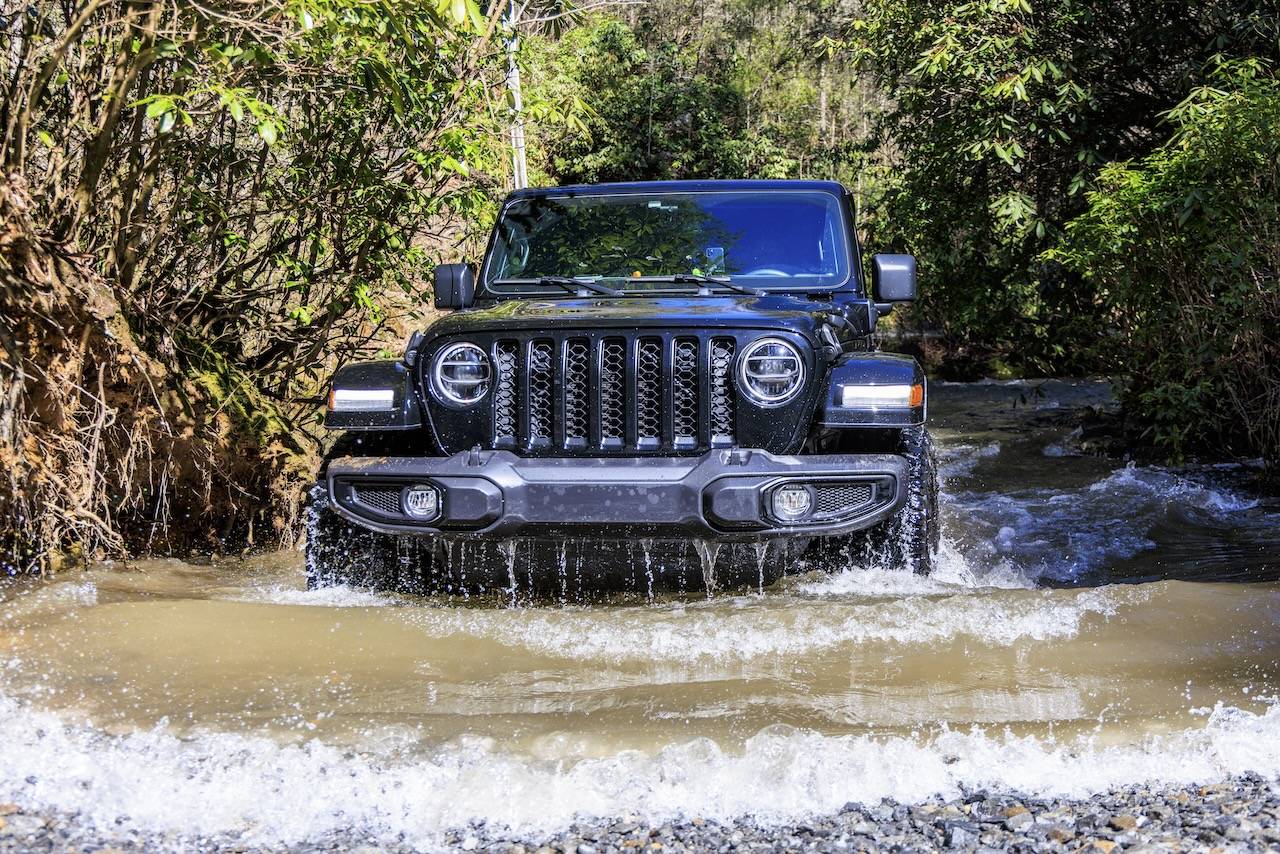
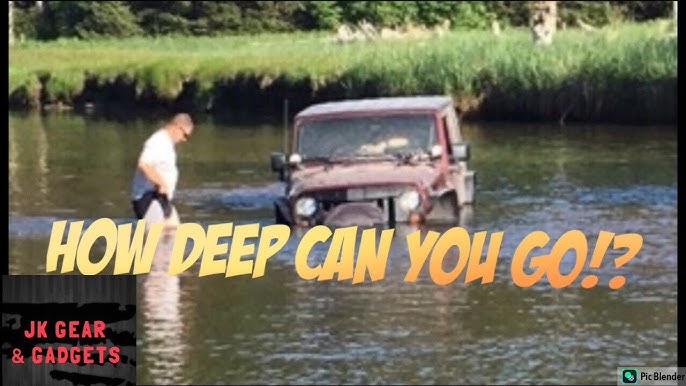
Driving a Jeep through water is a classic off-road adventure. Many Jeep owners love seeing what their vehicle can handle, especially when facing deep puddles, rivers, or flooded roads.
But how deep can a Jeep really go in water before it risks damage?
Knowing the answer is essential not just for fun, but for safety and protecting your investment. Let’s break down the limits, the risks, and the smart ways to handle water crossings.
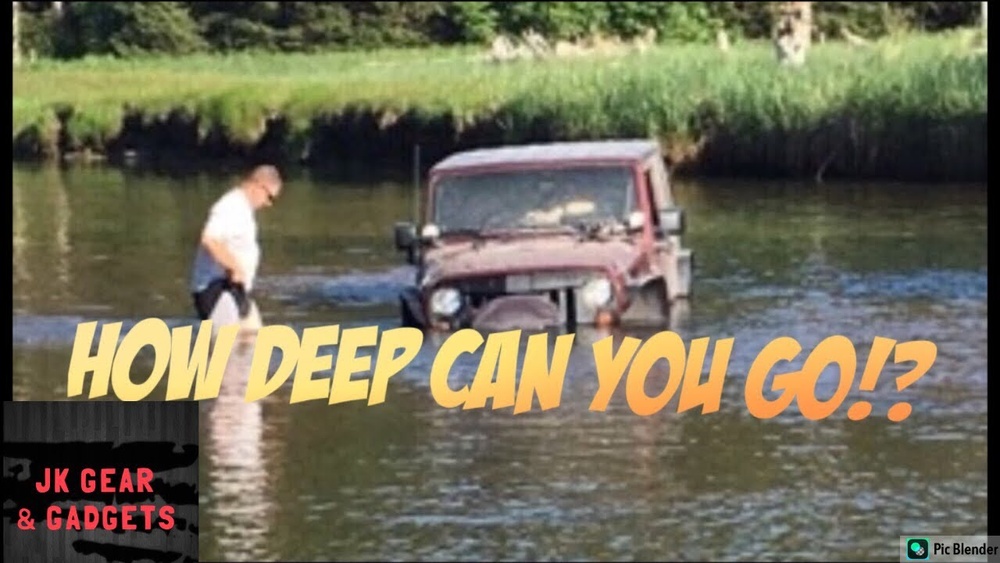
Understanding Jeep Water Fording Depth
The term “water fording depth” means the maximum depth a vehicle can safely drive through water. For most stock Jeeps, this is not a random number it’s set by the manufacturer, tested, and based on the vehicle’s design.
For example, the Jeep Wrangler JL (2018 and newer) has an official water fording depth of 30 inches (76 centimeters) at a slow, steady speed. The Jeep Gladiator is rated for the same depth. Older models or other Jeep types, like the Grand Cherokee, usually have a lower safe depth—often around 20 inches (51 centimeters).
But these numbers are for new, unmodified vehicles in ideal conditions. Any changes like bigger tires or a lift kit can change the real limit.
Here’s a quick comparison of common Jeep models and their official water fording depths:
| Jeep Model | Year | Max Water Depth |
|---|---|---|
| Wrangler JL | 2018–Present | 30 inches (76 cm) |
| Gladiator | 2020–Present | 30 inches (76 cm) |
| Grand Cherokee | 2011–2021 | 20 inches (51 cm) |
| Renegade | 2015–Present | 19 inches (48 cm) |
What Limits A Jeep’s Water Depth?
A Jeep can’t just float through deep water. There are physical and mechanical limits.
- Air Intake Location: If water enters the air intake, the engine can “hydrolock,” which means water fills the cylinders. This can destroy the engine. Most Jeeps have the air intake just above or near the fender.
- Electronics: Modern Jeeps have many sensors and wiring. Water reaching these parts can cause expensive electrical problems.
- Transmission and Diffs: Water can get into the transmission and differentials through their breathers, leading to poor performance and costly repairs.
- Exhaust System: As long as the engine is running, the exhaust can push out water. But if you stall, water can flow in and cause damage.
Here’s a look at some critical parts and their rough heights on a Jeep Wrangler JL:
| Component | Approximate Height From Ground |
|---|---|
| Air Intake | 28–30 inches |
| ECU (Engine Computer) | 24–26 inches |
| Axle Breather | 18–22 inches |
| Door Seals | 21–24 inches |
If water rises above any of these, the risk of damage goes up fast.
Real-world Factors That Change The Limit
The numbers above are tested in controlled settings. Out in the wild, things get complicated.
- Water Movement: Deep, fast-moving water can push or even tip a Jeep, even if it’s below the “safe” depth.
- Bottom Surface: Mud, rocks, or deep sand can drop the Jeep lower, making the water seem “deeper” than it is.
- Modifications: Bigger tires or a lift kit can raise the body and air intake, increasing your safe depth. But moving the air intake higher often requires a snorkel kit.
- Water Entry Points: Old or worn Jeep door seals can let water in sooner than expected.
One thing beginners often miss: the water fording depth is for slow, steady movement. Driving fast creates a “bow wave” that can splash water above the air intake and into the engine bay, even if the water is technically below your Jeep’s rated limit.
How To Safely Drive Your Jeep Through Water
If you want to cross water with your Jeep, preparation is key. Here’s a safe, step-by-step approach:
- Check the Depth: Get out and measure, or use a stick. Don’t guess.
- Inspect the Entry and Exit: Make sure the bank isn’t too steep or muddy.
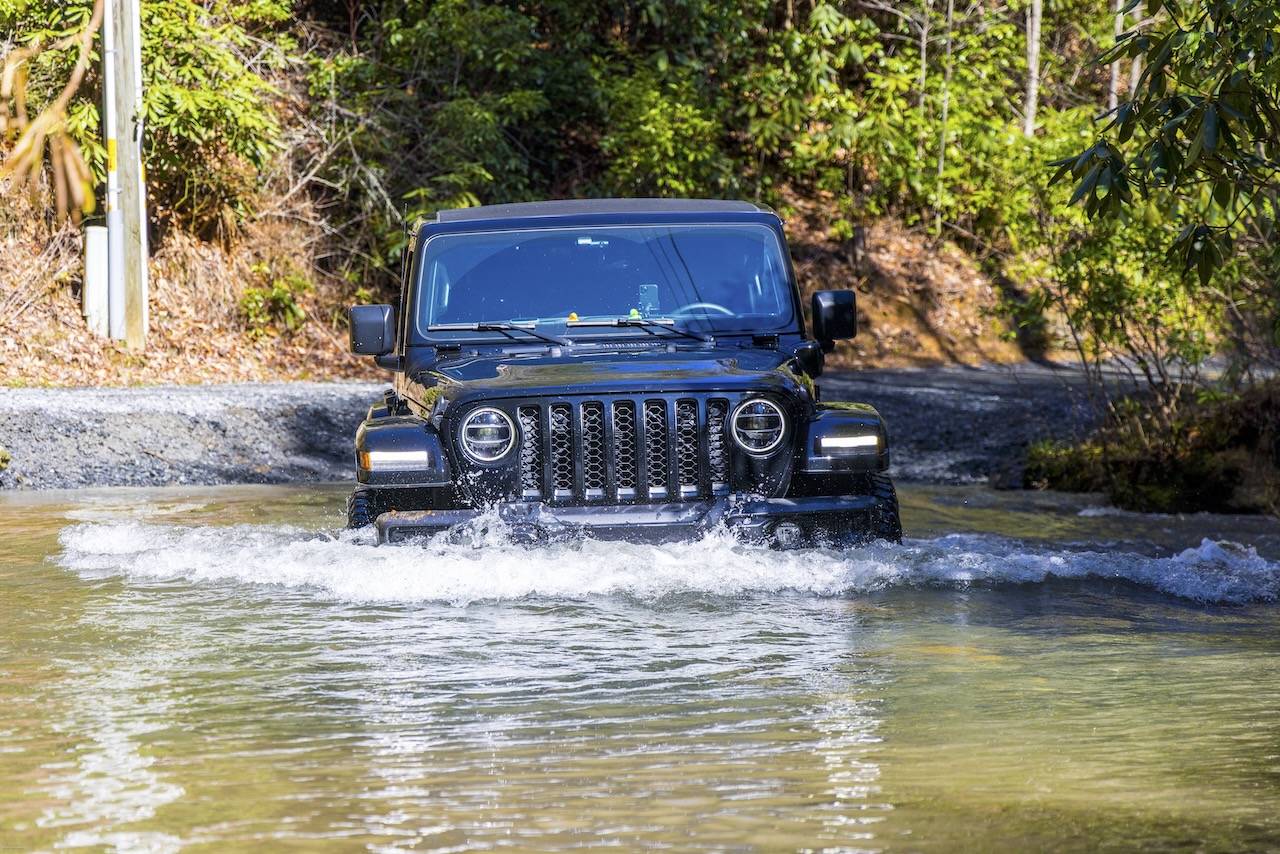
- Go Slow and Steady: Enter in low gear, steady throttle, and don’t stop halfway.
- Watch the Bow Wave: Let a small wave form in front—don’t let it wash over the hood.
- Avoid Sudden Speed: Fast driving can force water into the intake and electrics.
- After Crossing: Tap your brakes gently to dry them. Check fluids for water contamination.
A pro tip: If you cross water above the axle, check your differential fluid soon after. Water can sneak in and mix with the oil.
What Happens If You Go Too Deep?
Going deeper than the Jeep’s limit is risky. Here’s what can happen:
- Engine Hydrolock: Water in the engine, leading to total failure.
- Electrical Shorting: Water causes error codes, limp mode, or total shutdown.
- Contaminated Fluids: Water in the transmission or axles, requiring a full fluid change.
- Interior Flooding: Wet carpets, seats, and even mold.
These repairs can cost thousands of dollars. That’s why it’s smart to stay well below the maximum depth unless your Jeep is heavily modified.
Should You Use A Snorkel?
A snorkel moves your Jeep’s air intake higher, usually near the windshield. This lets you cross deeper water. But it doesn’t waterproof everything else—your electronics, differentials, and cabin seals are still at risk.
If you plan to cross deep water often, a snorkel plus extended breathers for the diffs and transmission are must-haves. Even then, you should inspect and dry out your Jeep after every crossing.
Comparing Jeep Water Depth To Other Vehicles
How does a Jeep stack up against other 4x4s? Most SUVs and trucks can handle less water:
| Vehicle | Max Water Depth |
|---|---|
| Jeep Wrangler JL | 30 inches |
| Toyota 4Runner | 27.6 inches |
| Land Rover Defender | 35.4 inches |
| Ford Bronco | 33.5 inches |
| Chevy Colorado ZR2 | 27.6 inches |
Most Jeeps beat typical SUVs, but some specialized vehicles go deeper.
Frequently Asked Questions
How Do I Know If Water Got Into My Jeep’s Engine?
If your Jeep stalls in water and won’t restart, or you hear a clunking sound, water may have entered the engine. Don’t try to restart get it towed and checked by a mechanic.
Can I Drive Through Water With The Doors Off?
Driving with the doors off will allow water to flood the cabin quickly. It also increases the risk of damaging electronics under the dash.
Does A Lift Kit Increase Water Fording Depth?
A lift kit raises your Jeep’s body, but unless the air intake and breather hoses are also raised, the actual safe water depth doesn’t change much.
What Is The Biggest Risk Of Water Crossings For Jeeps?
The main risk is engine hydrolock. If water enters the intake, it can destroy the engine in seconds.
Where Can I Find More Technical Details About Jeep Water Crossings?
You can find more on Jeep’s official website or in off-road guides like this one from Wikipedia.
Whether you’re a weekend explorer or a serious off-roader, knowing your Jeep’s water limits is crucial. Respect the manufacturer’s ratings, adjust for real-world conditions, and never push your luck.
Being cautious can save you from expensive repairs and keep your adventures safe and fun.