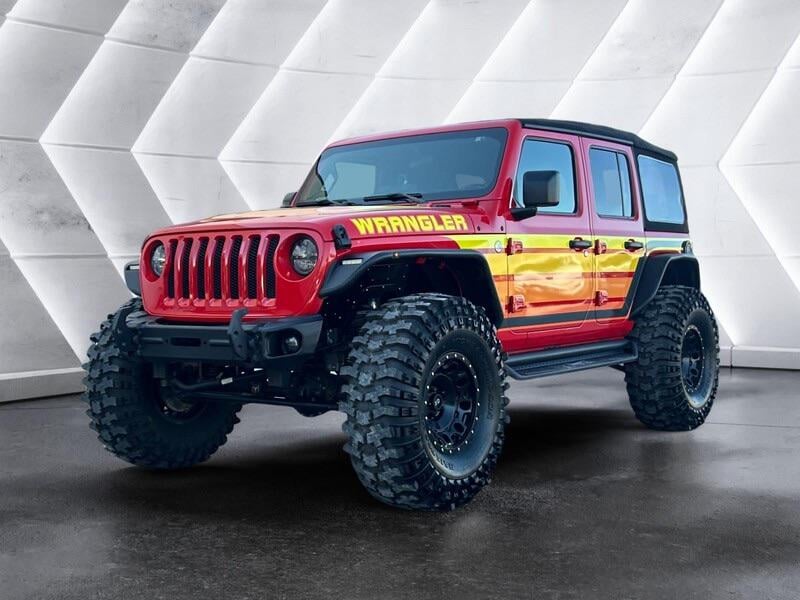
Driving a Jeep Wrangler often sparks the dream of bigger tires and a more commanding look. But how big can you go, and what really happens when you fit larger tires? Many Jeep owners upgrade for off-road performance or style, but there’s more to consider than just appearance. Bigger tires can change the way your Jeep drives, handles, and even how much you spend at the pump. This guide will help you understand the real impact, key factors, and common mistakes to avoid when choosing big tires for Jeep Wrangler.
Why Jeep Owners Love Bigger Tires
Large tires are one of the most popular upgrades for Wranglers. They offer clear benefits:
- Increased ground clearance: Helps you drive over rocks, logs, and deep ruts without getting stuck.
- Improved off-road traction: Bigger tires have more surface area and tougher tread, gripping mud, sand, or snow better.
- Bold appearance: A Wrangler with big tires stands out, giving your vehicle a more aggressive look.
However, not every benefit comes without a trade-off. Let’s dig deeper.
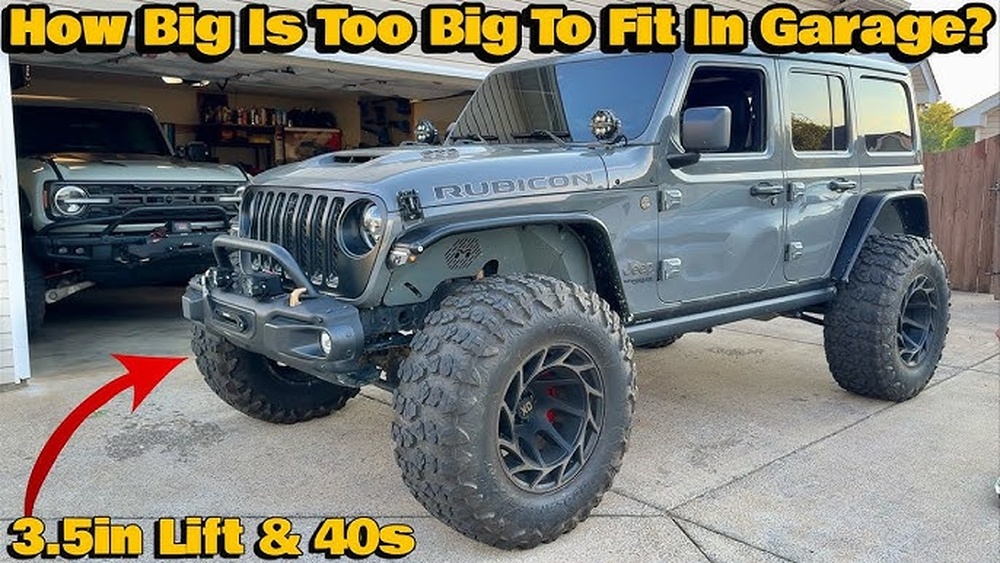
How Big Can You Go? Common Tire Sizes
Most stock Jeep Wranglers come with tires ranging from 29 to 32 inches. Here’s a quick look at popular upgrade sizes and what you need to know:
| Tire Size (inches) | Fits Stock Wrangler? | Modifications Needed |
|---|---|---|
| 33 | Yes (most models) | None or minor |
| 35 | No | Lift kit, fender trim |
| 37+ | No | Lift kit, re-gearing, more upgrades |
- 33-inch tires: Often fit with little or no changes. Some rubbing may happen at full turn or when off-roading hard.
- 35-inch tires: Usually require a 2-3 inch lift kit and sometimes aftermarket fenders.
- 37-inch and larger: Serious upgrade. You will need a high-quality lift, new gears, and possibly reinforced axles.
Pro Tip:
Even with a lift, backspacing and wheel width matter. The wrong wheels can cause rubbing even with smaller tires.
What Really Changes With Big Tires?
Installing large tires changes more than just how your Wrangler looks. Here’s what you’ll notice:
Handling And Ride Quality
- Steering feels heavier. Bigger tires add weight and increase effort, especially at low speeds.
- Body roll may increase. The higher center of gravity can make your Wrangler feel less stable on sharp turns.
Speedometer And Odometer
Your Jeep’s computer is set for a specific tire size. Bigger tires mean the speedometer will show a lower speed than you’re actually traveling.
Fuel Economy
Expect a drop in miles per gallon (MPG). Larger, heavier tires need more power to move. Some owners report a 2–4 MPG decrease after going from 32 to 35-inch tires.
Acceleration And Braking
Bigger tires are harder to spin and stop. Acceleration gets slower, and stopping distances increase.
Gearing
If you install 35-inch or larger tires, consider re-gearing your axles. Stock gears are made for smaller tires, and mismatched gears can cause:
- Sluggish acceleration
- Overheating transmission
- Poor towing ability
Here’s a simple comparison of recommended gear ratios by tire size:
| Tire Size | Recommended Gear Ratio |
|---|---|
| 33″ | 4.10 |
| 35″ | 4.56 |
| 37″ | 4.88 or 5.13 |
Key Things To Check Before Upgrading
Before you buy those impressive new tires, check these critical areas:
- Lift kit quality: A cheap lift may cause alignment issues.
- Wheel backspacing: Make sure wheels are designed for big tires to avoid rubbing.
- Brake system: Bigger tires strain your brakes. Upgrading pads or rotors may be needed for safety.
- Axle strength: Stock axles can sometimes break with 37-inch tires or larger.
- Legal limits: Some states limit tire size or bumper height. Check your local laws.
Common Mistakes When Choosing Big Tires
Many beginners make the same errors when upgrading their Wrangler:
- Skipping the lift: Just fitting big tires without lifting can cause severe rubbing and damage.
- Ignoring speedometer recalibration: Not fixing this leads to wrong speed readings and mileage.
- Not upgrading gears: This makes your Jeep slow and weak, especially on hills or when towing.
- Choosing the wrong wheels: The wrong backspacing can ruin your off-road fun.
Non-obvious Insights For Beginners
- Insurance and warranty: Some upgrades can affect your coverage or void certain warranties. Always check before making big changes.
- Spare tire: Your spare must match your new tires in size and type. Otherwise, you risk drivetrain damage if you need to use it.
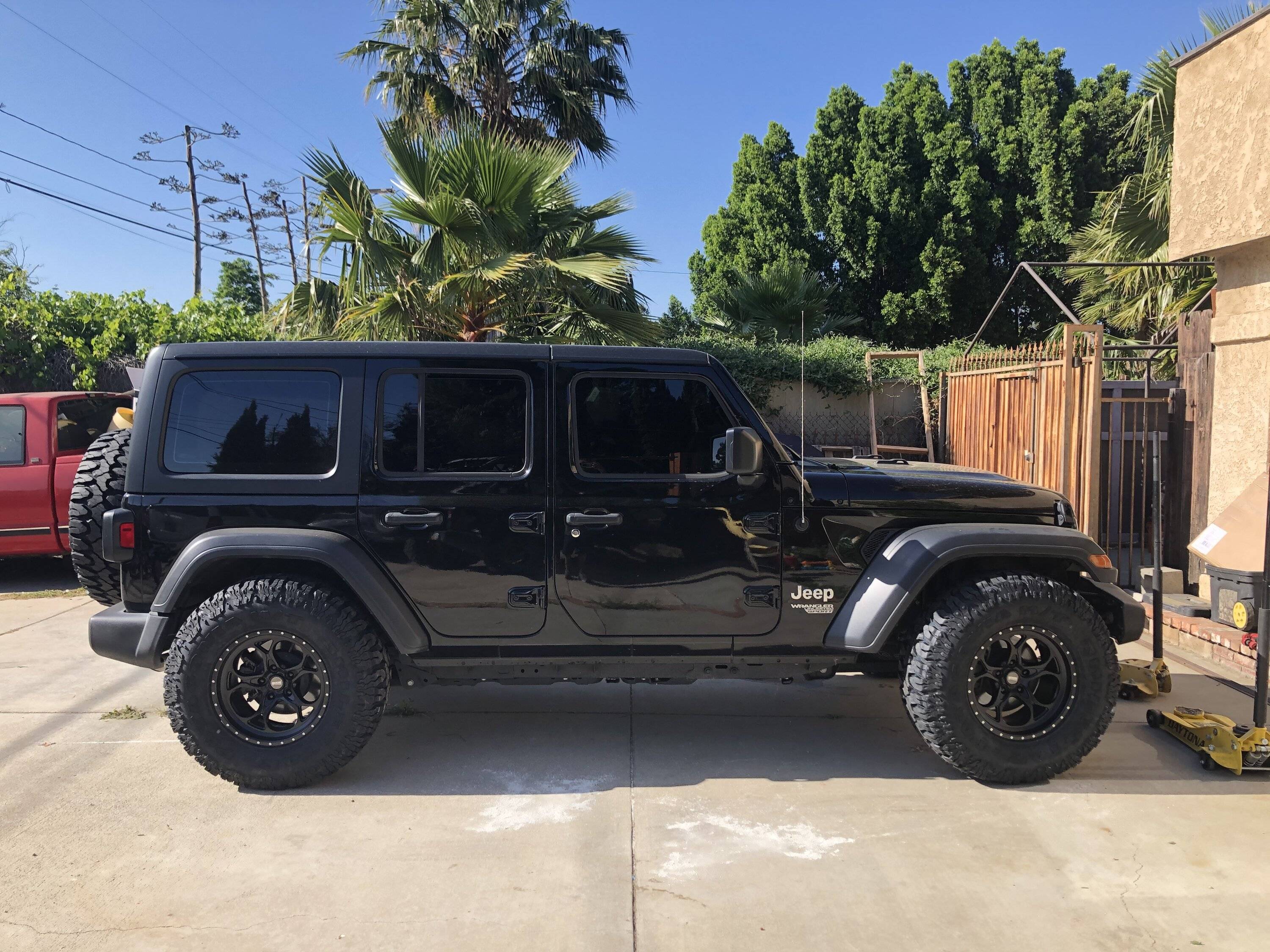
Real-world Example: 35-inch Tires On A Wrangler Jl
Many Jeep owners choose 35-inch tires for a good balance between looks and off-road ability. A typical setup involves:
- 2.5-inch lift kit
- 17×9-inch wheels with 4.5-inch backspacing
- 4.56 gear ratio upgrade
This combination allows for daily driving and weekend trails without extreme changes to handling or reliability.
Cost Breakdown
Upgrading isn’t cheap. Here’s a rough idea of what you might spend:
| Upgrade | Estimated Cost (USD) |
|---|---|
| Set of 5 big tires | $1,200–$2,000 |
| Lift kit | $700–$2,000 |
| Gears & installation | $1,200–$1,800 |
| Wheels | $600–$1,200 |
Remember, you might not need every upgrade for every tire size, but costs add up fast.
Wrapping Up: Is Bigger Always Better?
Big tires on a Jeep Wrangler bring both adventure and responsibility. They give you better off-road performance and a bold look, but they also require planning and smart upgrades. If you want to make the leap, learn from other owners, do your research, and think about the full cost—upfront and over time. For more technical details, check out this Jeep Wrangler overview.
Frequently Asked Questions
How Big Can I Go With Tires On My Stock Jeep Wrangler?
Most stock Wranglers can handle up to 33-inch tires without major changes. Anything bigger usually needs a lift and other upgrades.
Will Bigger Tires Void My Warranty?
Some changes, like re-gearing or major suspension lifts, might affect your warranty. Always check with your dealer before upgrading.
How Do I Fix My Speedometer After Installing Larger Tires?
You need a speedometer calibration tool or a professional shop to reprogram your Jeep’s computer for the new tire size.
Do I Need To Upgrade My Brakes With Larger Tires?
Larger tires add weight and stress. Upgrading to better brake pads or rotors is a smart move for safety, especially with 35-inch or larger tires.
Can I Use My Factory Wheels With Bigger Tires?
You can use factory wheels for small upgrades, but larger tires often need wheels with less backspacing to avoid rubbing and fit properly.