When winter arrives, many drivers worry about snow, ice, and freezing temperatures. If you own a Jeep Wrangler or are thinking about buying one, you might wonder: How are Jeep Wranglers in the winter? The answer is important because not all vehicles handle cold weather and slippery roads the same way. Let’s explore what makes the Jeep Wrangler a popular choice for winter driving, its strengths, possible weaknesses, and practical tips to keep you safe and comfortable during the coldest months.
Why Jeep Wranglers Stand Out In Winter
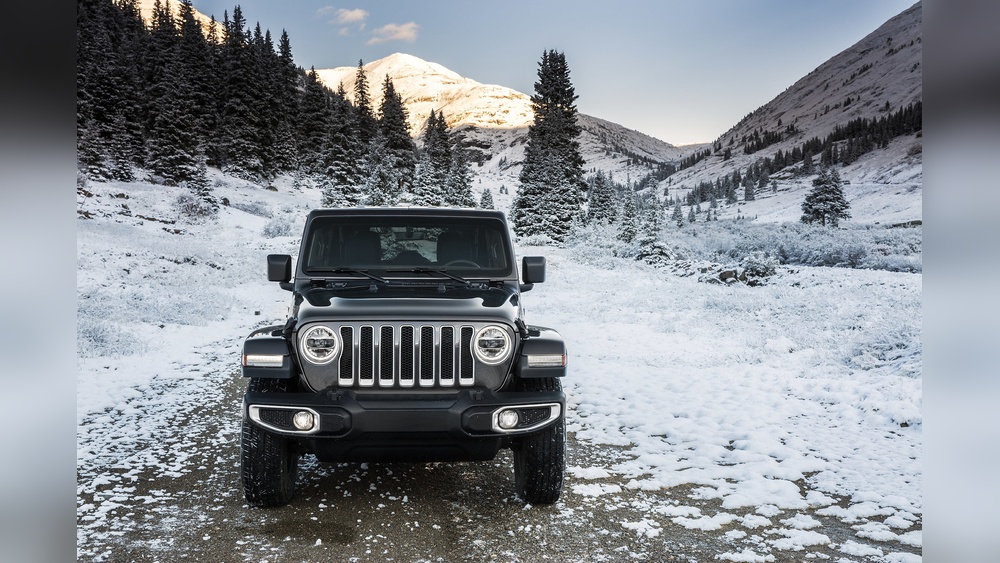
The Jeep Wrangler is designed for tough conditions. Its rugged build and advanced drivetrain help it stand up to snow, ice, and slush better than many regular cars. Here’s why:
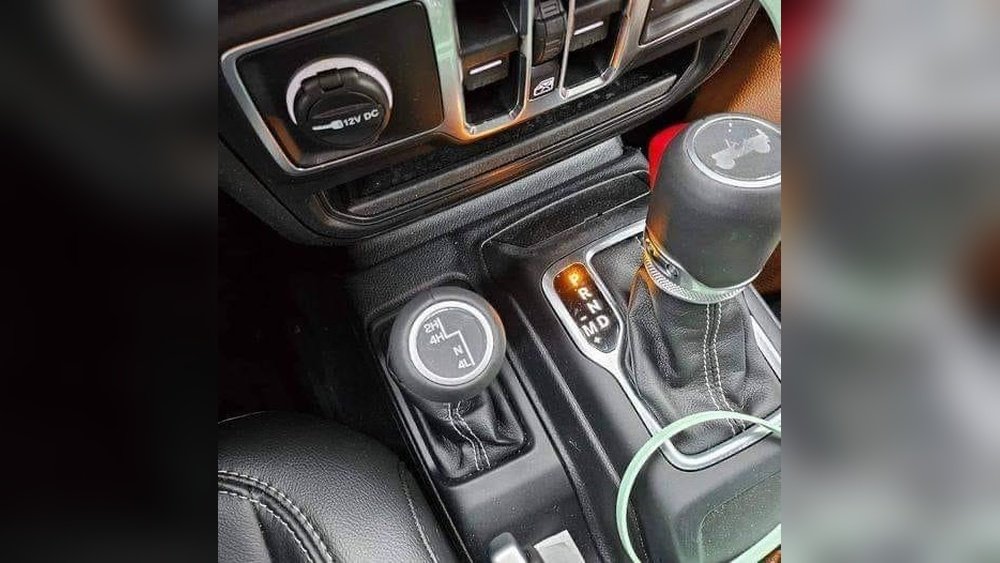
- Four-Wheel Drive (4WD): Every Wrangler comes with a 4WD system. This means all four wheels get power from the engine, giving you much better traction on slippery surfaces.
- High Ground Clearance: Wranglers sit higher off the ground than most SUVs or sedans. This helps you drive over snow without getting stuck or damaging your vehicle.
- Solid Axles: These axles are strong and handle rough, uneven winter roads well.
- Heated Features: Many newer models offer heated seats and steering wheels, which make cold mornings more comfortable.
Compare the Wrangler’s key winter features with a standard SUV:
| Feature | Jeep Wrangler | Typical SUV |
|---|---|---|
| Drivetrain | Standard 4WD | Often FWD or AWD |
| Ground Clearance | 8.3–10.8 inches | 6–8 inches |
| Heated Options | Available | Available |
| Tire Options | All-terrain/Off-road | All-season |
How Wranglers Handle Snow And Ice
In snow and on ice, the Wrangler’s 4WD system makes a big difference. When engaged, 4WD helps reduce slipping and sliding. This is especially important when starting from a stop or climbing a hill.
However, not all 4WD systems are the same. The Wrangler usually has either Command-Trac or Rock-Trac systems. Both are part-time 4WD, meaning you only use them in low-traction conditions. Using 4WD on dry pavement can harm the drivetrain.
A common mistake among new Wrangler owners is forgetting to switch back to two-wheel drive on clear roads. Always use 4WD only when needed.
Here’s how the Wrangler compares to a popular AWD crossover in winter driving:
| Aspect | Jeep Wrangler | AWD Crossover |
|---|---|---|
| Deep Snow Performance | Excellent | Fair |
| Ice Handling | Good (with proper tires) | Good (with proper tires) |
| Off-road Ability | Superior | Poor |

Weaknesses And Common Issues In Winter
While Jeep Wranglers are strong performers in winter, they’re not perfect. Here are some points to consider:
- Shorter Wheelbase: The Wrangler’s wheelbase is shorter than many SUVs. While this helps off-road, it can make the ride bouncy or less stable on icy highways.
- Tires Matter: The Wrangler often comes with all-terrain tires. These are great for mud and rocks, but not always the best for ice. Winter tires offer much better grip in freezing conditions.
- Older Models: Older Wranglers (before 2012) may lack features like stability control or ABS brakes, which help prevent skids on ice.
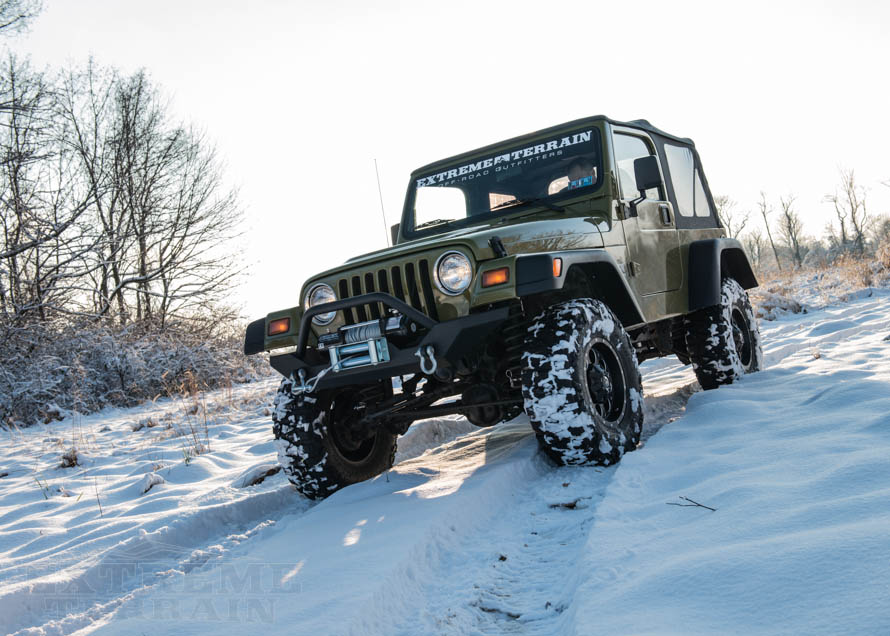
- Hard Tops vs. Soft Tops: Hard tops provide better insulation from cold and keep out snow more effectively than soft tops.
Some owners are surprised to find that Wranglers, despite their rugged look, need proper winter tires to perform their best. All-season or off-road tires simply don’t have the same grip on icy roads.
Tips For Driving A Jeep Wrangler In Winter
To get the most out of your Wrangler in winter, follow these tips:
- Install Winter Tires: This is the most important upgrade for better safety and control.
- Use 4WD Wisely: Engage 4WD only on snow, ice, or slippery roads. Switch back to 2WD on dry pavement.
- Check Your Battery: Cold weather can drain batteries fast. Make sure yours is strong.
- Keep Essentials in Your Jeep: Pack an emergency kit with blankets, water, snacks, and a small shovel.
- Warm Up the Engine: Let the Wrangler warm up for a few minutes before driving to help fluids move better.
- Clear Snow Off the Roof: Snow left on the roof can slide down onto your windshield while driving.
Here are some practical numbers for Wrangler drivers:
| Winter Factor | Recommendation |
|---|---|
| Winter tire size | Typically 245/75R17 or similar |
| Engine warm-up time | 3–5 minutes |
| Battery cold-cranking amps | 600 CCA or higher |
| Emergency kit | Blanket, water, snacks, shovel, flashlight |
What Most Beginners Miss
Many first-time Wrangler owners assume their SUV is unstoppable in winter. But even a Wrangler can slide or get stuck if you don’t use the right tires or drive too fast.
Another common oversight is skipping regular maintenance. Old wiper blades, low antifreeze, or a weak battery can cause big problems in cold weather.
Also, the Wrangler’s boxy shape and light rear end can make it more prone to fishtailing on ice if you brake too hard. Learning to brake gently and slow down before turns is key for safe winter driving.
The Verdict: Is A Jeep Wrangler Good In The Winter?
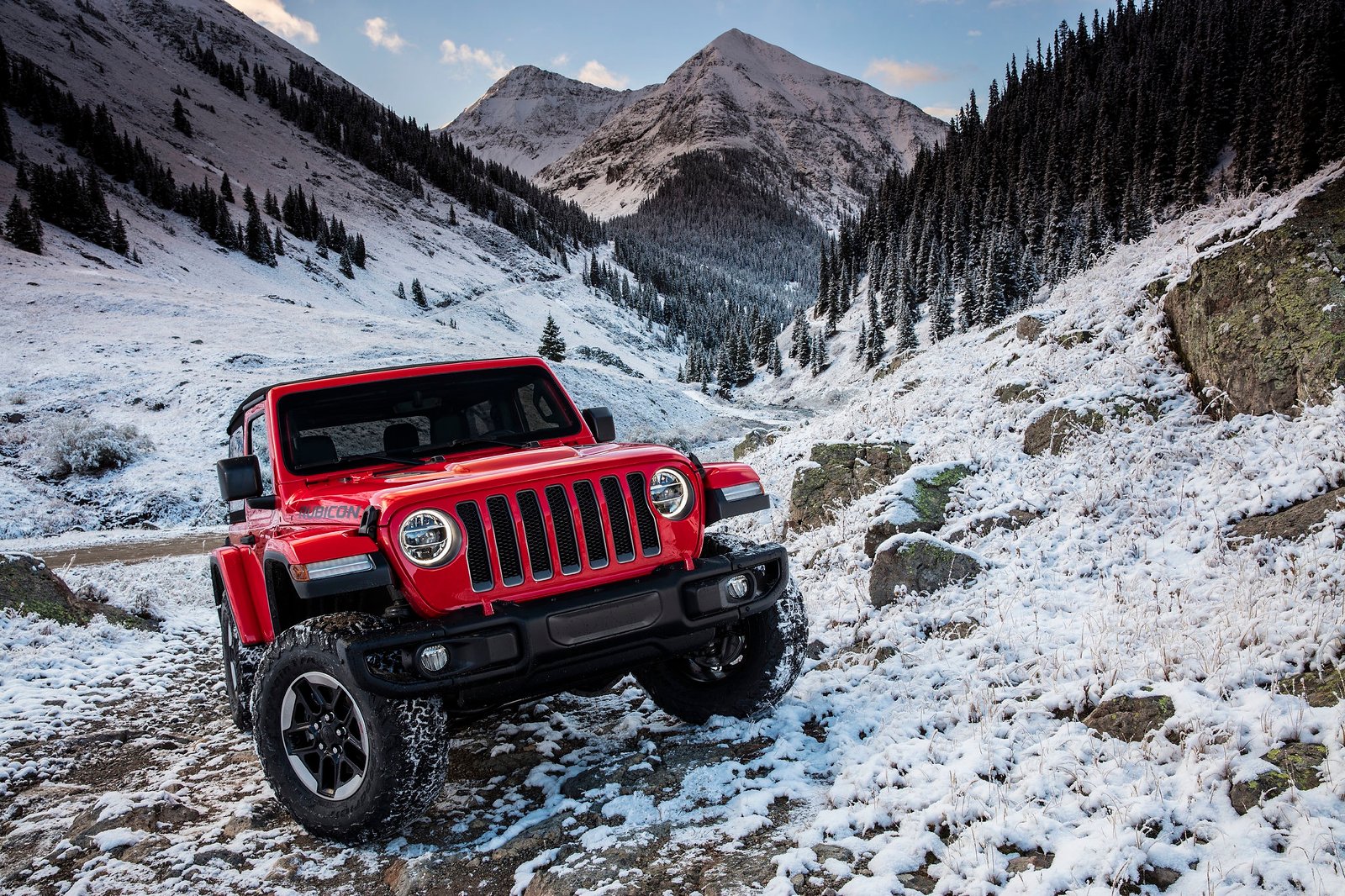
The Jeep Wrangler is one of the best vehicles for winter if you prepare it properly. Its 4WD system, high ground clearance, and tough build give you a clear advantage in snow and ice.
But, it’s not magic winter tires and careful driving still matter.
If you’re looking for a vehicle that can tackle deep snow, handle rough winter roads, and keep you moving when others are stuck, the Wrangler is a strong choice. Just remember to respect the limits of even the best winter vehicle.
For more technical details about Jeep Wrangler drivetrains, visit the Jeep Wrangler Wikipedia page.
Frequently Asked Questions
Is A Jeep Wrangler Safe To Drive In Snow?
Yes, Jeep Wranglers are safe for snow when equipped with winter tires and driven with care. Their 4WD system helps with traction, but you still need to slow down and avoid sudden movements on ice.
Do I Need To Use 4wd All The Time In Winter?
No, use 4WD only on slippery roads. On dry pavement, leave your Wrangler in 2WD to avoid damaging the drivetrain.
Are Soft Tops Okay For Winter Driving?
Soft tops can be used in winter, but they offer less insulation and let in more noise and cold. A hard top is better for warmth and keeping out snow.
What Should I Keep In My Wrangler For Winter Emergencies?
Carry an emergency kit: blanket, water, snacks, a flashlight, a small shovel, and an ice scraper. These items can help if you get stuck or stranded.
Can I Drive My Wrangler On Icy Roads Without Winter Tires?
It’s possible, but not safe. Winter tires make a big difference on ice and snow. Regular all-season or off-road tires do not grip as well in freezing conditions.