The Jeep Wave is more than just a friendly gesture. For many Jeep owners, it is a symbol of connection, community, and respect for a shared history.
If you ever see two Jeep drivers nodding or raising a few fingers above the steering wheel as they pass each other, you have witnessed the famous Jeep Wave in action. But where did this tradition start, and why does it matter so much to Jeep fans worldwide?
The story of the Jeep Wave is a unique blend of military history, automotive culture, and the spirit of adventure.
The Roots Of The Jeep Wave
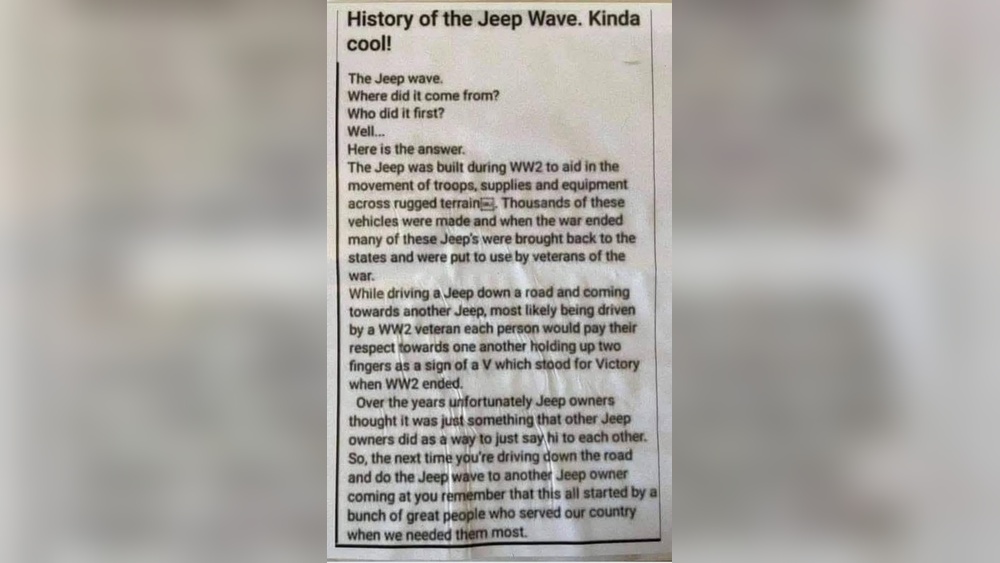
The origins of the Jeep Wave go back to the early 1940s. During World War II, Jeeps were used by Allied soldiers all over the world. These rugged vehicles became a symbol of reliability and freedom. Soldiers often waved at each other as they passed, using quick hand signals to show they were friendly and part of the same side. In dangerous environments, a simple wave could mean safety and camaraderie.
After the war, many soldiers brought Jeeps home or bought surplus military models. The tradition of waving stayed alive.
At first, it was mostly veterans who recognized each other through their vehicles and exchanged waves as a sign of respect and shared experience.
How The Jeep Wave Spread
In the years after WWII, Jeep became popular with civilians. Farmers, outdoor lovers, and adventurers found the Jeep perfect for work and play. As more people started to drive Jeeps, the wave continued. It was no longer just for veterans; it became a way for Jeep owners to greet each other and show they were part of a unique group.
By the 1970s and 1980s, the Jeep Wave was already a strong tradition in the United States. Car magazines and Jeep clubs began to talk about it, helping it become even more popular.
The wave also spread beyond America, as Jeeps became well-known in other countries.
What Counts As A Jeep Wave?
The classic Jeep Wave is simple and casual. There is no strict rule, but a few styles are common:
- Raising two or four fingers above the steering wheel
- A nod combined with a quick hand gesture
- A full hand wave, especially when driving slowly or off-road
The important thing is the spirit behind it: recognition and friendliness between Jeep owners.
Jeep Wave Etiquette
Over the years, Jeep fans have created their own “rules” for who should wave first and what kind of Jeep counts. While these are not official, they are often discussed in Jeep communities. Some common ideas include:
- Older Jeep models (like the CJ or classic Wrangler) often get more respect, so drivers of newer Jeeps might wave first.
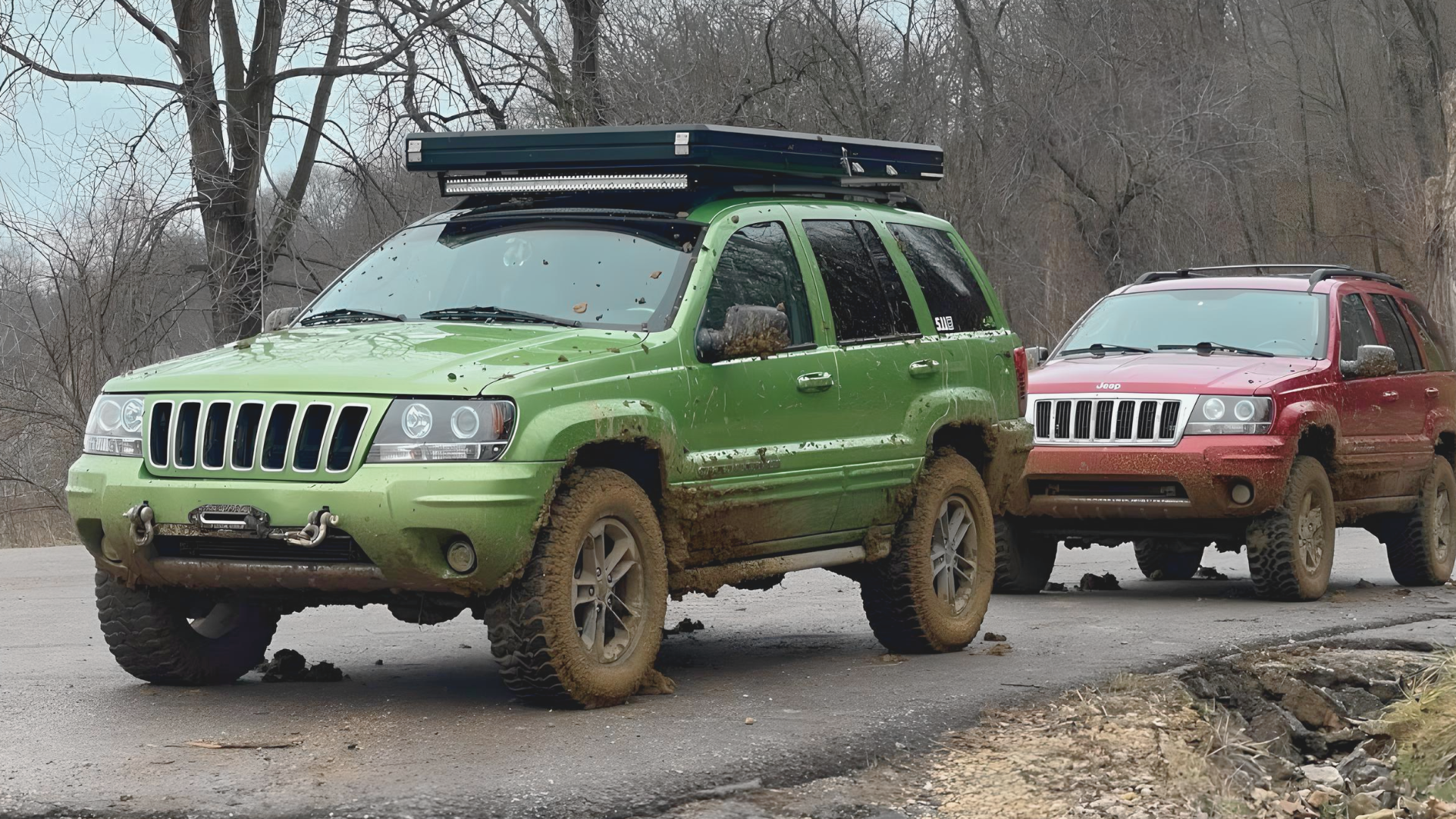
- Modified Jeeps (with lifts, big tires, or winches) are often seen as more “hardcore,” so they might get more waves.
- Non-traditional Jeeps (like the Compass or Renegade) are sometimes left out, but many fans welcome all Jeep models.
Here’s a look at how some Jeep owners view the “wave hierarchy”:
| Jeep Model | Wave Likelihood | Typical Modifications |
|---|---|---|
| CJ, YJ, TJ, classic Wrangler | Very High | Lift kits, off-road tires |
| JK, JL (newer Wrangler) | High | Light bars, bumpers, roof racks |
| Cherokee, Grand Cherokee | Medium | Stock or mild upgrades |
| Renegade, Compass | Lower | Mostly stock |
While these ideas are common, the “rules” are not strict. Many Jeep drivers believe anyone who loves their Jeep should join the wave.
The Jeep Wave Goes Mainstream
The Jeep Wave was once a quiet tradition, but as Jeep became more popular, the wave caught the attention of the wider public. Jeep clubs started to organize rides and events where the wave was a key part of the experience.
Social media and online forums helped spread the idea, with many drivers sharing stories and photos of their own waves.
In 2015, Jeep turned this tradition into something official. The company introduced the Jeep Wave Program, a membership club for new Jeep owners. The program offers benefits like:
- Free oil changes and tire rotations
- 24/7 support and roadside assistance
- VIP treatment at Jeep events
By naming the club after the wave, Jeep showed how important this tradition is to the brand’s identity.
Why The Jeep Wave Matters
The Jeep Wave is about more than just waving. It is a sign of community and belonging. Jeep owners see themselves as part of a special group, connected by a love of adventure and the outdoors.
For many, the wave is a way to:
- Celebrate the Jeep’s history and military roots
- Show pride in owning a unique vehicle
- Encourage friendliness, even among strangers
It can also help new Jeep owners feel welcome. When you get a wave from another Jeep driver, you know you are part of something bigger.
Comparing The Jeep Wave To Other Car Cultures
While other car brands have strong communities, the Jeep Wave is unique. For example, Harley-Davidson motorcycle riders have their own wave.
Sports car drivers sometimes flash headlights or nod. But the Jeep Wave is different because of its deep roots and the way it crosses generations and types of drivers.
Here’s how the Jeep Wave compares with other vehicle greetings:
| Vehicle Group | Common Greeting | Community Strength |
|---|---|---|
| Jeep Owners | Hand wave, finger raise | Very strong, tradition-based |
| Harley Riders | Low hand wave | Strong, mostly among bikers |
| Sports Cars | Headlight flash, nod | Moderate, often model-specific |
| Truck Owners | Occasional wave | Weaker, not tradition-based |
The Jeep Wave’s power comes from its long history and the shared experiences of Jeep drivers.
Non-obvious Insights About The Jeep Wave
Most people know the Jeep Wave is a friendly gesture, but there are some details that many beginners miss:
- The Jeep Wave is not always returned. Sometimes, other drivers might be distracted or simply not notice. This is normal, and you should not take it personally. The tradition is about kindness, not keeping score.
- The wave helps in off-road situations. When driving on trails, the Jeep Wave is often used as a sign of cooperation. It can warn others about trail conditions or signal when it is safe to pass. This practical use keeps the tradition alive in real-world adventures.

Jeep Wave In Modern Pop Culture
The Jeep Wave has found its way into movies, TV shows, and even advertising. Jeep itself uses the wave in its marketing to show the brand’s community spirit.
For example, some commercials highlight the wave as a symbol of freedom and adventure.
On social media, hashtags like #JeepWave and #JeepLife are used by Jeep owners to share their experiences. Photos and videos of Jeep Waves from around the world help keep the tradition alive and introduce it to new fans.
The Jeep Wave And Jeep Events
Jeep owners often gather at events like Jeep Jamboree or local club rides. At these events, the wave is more than just a greeting; it is a way to recognize fellow fans and share stories. Some clubs even have contests to see who can get the most waves during a drive.
These gatherings help teach new owners about the wave and other Jeep traditions. They also give people a chance to see rare models, learn about modifications, and make friends.

How To Join The Jeep Wave
If you are new to the Jeep community, joining the wave is easy. Just keep an eye out for other Jeeps, and give a quick wave when you see one.
There is no wrong way to do it, as long as you are friendly.
Some tips for beginners:
- Don’t worry if someone doesn’t wave back.
- Wave to all Jeep models, even if yours is stock.
- Use the wave as a way to start conversations at gas stations or trails.
Over time, you may notice that certain models or drivers are more likely to wave. This is part of the fun and helps you learn more about the Jeep community.
The Evolution Of The Jeep Wave
As the Jeep brand has grown, so has the wave. Today, there are over 1.5 million Jeeps sold each year in the United States alone. With so many new owners, the wave sometimes gets lost in busy cities or highways. Still, in small towns and on country roads, it is alive and well.
Some Jeep owners worry the tradition could fade as the brand becomes more mainstream. But many believe the wave will survive because it is built on real connections and shared values.
Jeep Wave Statistics
A few interesting numbers help show how much the Jeep Wave means to owners:
| Statistic | Value |
|---|---|
| Estimated Jeep drivers who participate in the wave | Over 70% |
| Years the tradition has lasted | 80+ years |
| Jeep Wave Program members (2026) | 200,000+ |
These numbers show the wave is not just a small habit—it is a powerful tradition with real staying power.
Frequently Asked Questions
<!– wp:rank-math/faq-block {"questions":[{"id":"faq-question-bbf54307f6bf","title":"What Is The Jeep Wave?","content":"The Jeep Wave is a friendly hand gesture exchanged between Jeep drivers. It started during WWII as a signal of recognition and has become a symbol of community among Jeep owners.
“,”visible”:true},{“id”:”faq-question-e9ccf1cb14ae”,”title”:”Who Should Initiate The Jeep Wave?”,”content”:”Anyone can start the wave. Some drivers say older or more modified Jeeps should wave first, but most people agree that friendliness matters more than rules.
“,”visible”:true},{“id”:”faq-question-a8f39ad76801″,”title”:”Do All Jeep Models Participate In The Wave?”,”content”:”While Wranglers and older models are most common, many drivers of Cherokees, Grand Cherokees, and even Renegades join the wave. The key is enthusiasm, not the model year.
“,”visible”:true},{“id”:”faq-question-f3e27f5be481″,”title”:”What If A Jeep Driver Doesn’t Wave Back?”,”content”:”Don’t be discouraged. Sometimes people miss the wave or are not familiar with the tradition.
Keep waving—you are helping keep the tradition alive.
“,”visible”:true},{“id”:”faq-question-73ec109ab17c”,”title”:”Is The Jeep Wave Unique To The United States?”,”content”:”The tradition began in the U.S., but it is now seen worldwide, wherever Jeep has fans. Countries with active Jeep clubs often embrace the wave as part of their own local culture. For more on Jeep’s global history, see Wikipedia.
The Jeep Wave is a living tradition. Whether you are a new owner or have driven Jeeps for years, each wave is a reminder of the brand’s history and the connection between people who love to explore.
So next time you see another Jeep on the road, remember to give a wave.
You never know—you might make someone’s day and keep a tradition going strong for future generations.
“,”visible”:true}]} –>What Is The Jeep Wave?
The Jeep Wave is a friendly hand gesture exchanged between Jeep drivers. It started during WWII as a signal of recognition and has become a symbol of community among Jeep owners.
Who Should Initiate The Jeep Wave?
Anyone can start the wave. Some drivers say older or more modified Jeeps should wave first, but most people agree that friendliness matters more than rules.
Do All Jeep Models Participate In The Wave?
While Wranglers and older models are most common, many drivers of Cherokees, Grand Cherokees, and even Renegades join the wave. The key is enthusiasm, not the model year.
What If A Jeep Driver Doesn’t Wave Back?
Don’t be discouraged. Sometimes people miss the wave or are not familiar with the tradition.
Keep waving—you are helping keep the tradition alive.
Is The Jeep Wave Unique To The United States?
The tradition began in the U.S., but it is now seen worldwide, wherever Jeep has fans. Countries with active Jeep clubs often embrace the wave as part of their own local culture. For more on Jeep’s global history, see Wikipedia.
The Jeep Wave is a living tradition. Whether you are a new owner or have driven Jeeps for years, each wave is a reminder of the brand’s history and the connection between people who love to explore.
So next time you see another Jeep on the road, remember to give a wave.
You never know—you might make someone’s day and keep a tradition going strong for future generations.