Your Fisher Price Power Wheels Jeep is more than just a toy; it's a gateway to adventure for your child. To ensure endless fun and safe playtime, understanding its features and maintenance is key.
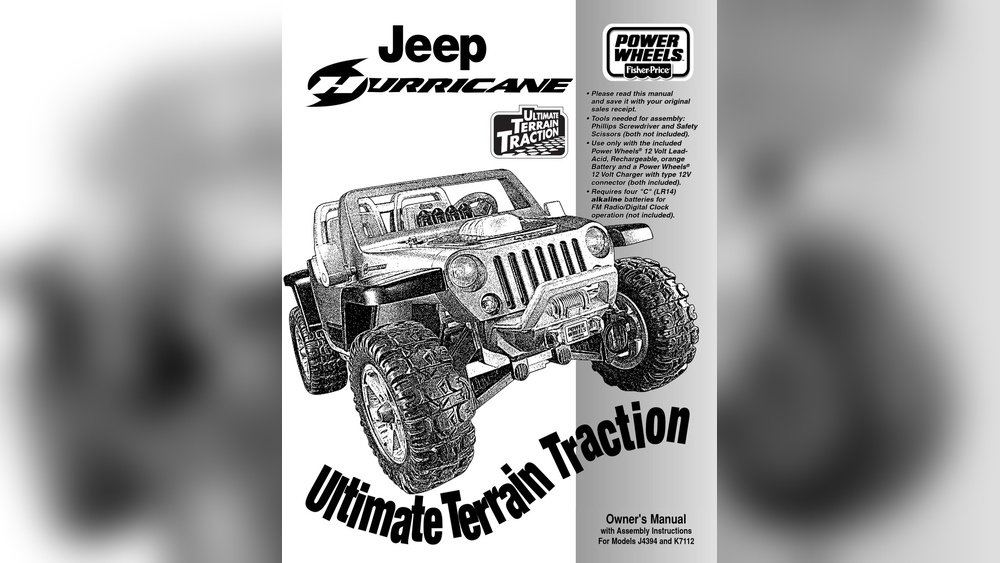
This guide acts as your comprehensive owners manual, covering everything from initial setup to troubleshooting and long-term care. We’ll break down the essential information you need to keep your Power Wheels Jeep running smoothly and safely for years to come.
Think of this manual as your secret weapon for maximizing your child’s enjoyment and the longevity of their ride-on toy. Many parents overlook the importance of a good manual, leading to frustration and potential damage to the product. By familiarizing yourself with these guidelines, you’ll be well-equipped to handle any situation, from charging the battery correctly to performing simple repairs.
We will cover crucial aspects like assembly, battery care, driving rules, maintenance tips, and safety precautions. Whether you’re a new owner or have had a Power Wheels Jeep for a while, there’s always something new to learn. Let’s get started on making every ride a safe and exciting one.
Getting Started: Assembly And First Use
The first step to enjoying your Fisher Price Power Wheels Jeep is proper assembly. While most Power Wheels models are designed for relatively straightforward setup, taking your time and following the instructions carefully is crucial for safety and functionality.
Unboxing And Identifying Parts
When your Power Wheels Jeep arrives, carefully open the box. It’s a good idea to have a clear space to lay out all the components. Check the parts list in the official manual (which this guide aims to supplement) against what you have. Common parts include the main Jeep body, wheels, steering wheel, battery, charger, and various screws and connectors. Familiarize yourself with each piece before you begin.
Step-by-step Assembly Guide
The assembly process typically involves attaching the wheels, steering wheel, and any decorative elements.
- Attach the Wheels: Most Power Wheels have wheels that attach with specific nuts or clips. Ensure they are securely fastened but not overtightened, which could strip the threads. The front wheels usually connect to the steering mechanism.
- Install the Steering Wheel: This often clicks into place or requires a screw to secure it. Make sure it turns the front wheels correctly.
- Connect the Battery: The battery is usually located under a seat or a panel. Connect the wires as indicated. Ensure the power switch is in the ‘off’ position before connecting the battery to prevent accidental activation.
- Attach Seat and Other Accessories: Some models come with separate seats or other accessories that need to be attached.
Initial Battery Charge
Before the first ride, the battery needs a full charge. This is vital for the battery’s long-term health and performance.
- Charging Time: Refer to your specific model’s manual for the exact charging duration, but it’s typically 12-18 hours for the initial charge. Never overcharge the battery, as this can damage it.
- Charger Indicator Light: Most chargers have an indicator light that shows when charging is complete.
- First Use: After the initial charge, your child can enjoy their first ride.
Understanding Your Power Wheels Jeep Battery
The battery is the heart of your Power Wheels Jeep. Proper care and understanding of its charging and maintenance needs will significantly extend its lifespan and ensure consistent performance.
Battery Types And Specifications
Power Wheels typically use rechargeable 6V or 12V sealed lead-acid batteries. The voltage determines the speed and power of the Jeep. Higher voltage usually means a faster ride. Always use the official charger designed for your specific battery type and voltage. Using an incompatible charger can be dangerous and damage the battery.
Charging Best Practices
Correct charging is paramount for battery longevity.
- Charge After Each Use: Even if your child only played for a short time, it’s best to recharge the battery afterward. This helps maintain the battery’s charge capacity.
- Avoid Deep Discharges: Letting the battery run completely dead frequently can shorten its lifespan. Try to recharge before it gets critically low.
- Charge in a Well-Ventilated Area: Batteries can release small amounts of hydrogen gas while charging, so ensure the area is not enclosed and away from open flames or sparks.
- Check Battery Terminals: Periodically inspect the battery terminals for corrosion. Clean them gently with a wire brush if necessary.
Battery Lifespan And Replacement
A properly maintained Power Wheels battery can last for several years. However, like all rechargeable batteries, they will eventually degrade.
- Signs of a Failing Battery:
- Significantly shorter run times after a full charge.
- The Jeep becoming slower than usual.
- The battery feeling excessively hot during charging.
- Visible swelling or leakage from the battery casing.
- Replacement: If you notice these signs, it’s likely time for a replacement. Ensure you purchase a compatible battery from Fisher-Price or a reputable third-party manufacturer. Always follow safety guidelines when handling and replacing batteries.
Safe Operation And Driving Rules
Safety should always be the top priority when your child is operating their Power Wheels Jeep. Establishing clear rules and supervising play will prevent accidents and ensure a fun experience.
Parental Supervision Is Key
Never leave a child unattended while they are playing with a Power Wheels Jeep. Even in a safe environment, unexpected situations can arise. Always remain within sight and earshot.
Choosing A Safe Play Area
Select a flat, smooth, and open area free from hazards.
- Avoid: Steep hills, busy streets, driveways, pools, ponds, or areas with heavy traffic.
- Ideal Locations: Your backyard, a park with a large, flat grassy area, or a paved driveway (ensure it’s clear of cars).
- Surface Considerations: While Power Wheels can handle grass, they perform best on hard surfaces. Be aware that performance may be slower on rough terrain.
Speed And Direction Controls
Most Power Wheels Jeeps have a high/low speed setting and a forward/reverse switch.
- Start with Low Speed: Especially for younger or less experienced drivers, begin with the low-speed setting until they become comfortable with the controls.
- Understand Forward/Reverse: Teach your child how to operate the forward and reverse gears safely. Ensure they come to a complete stop before switching directions.
Teaching Your Child Basic Driving Rules
Instill good habits from the start:
- Braking: Explain how the foot pedal or hand lever acts as the accelerator and brake. When they lift their foot, the Jeep should stop.
- Steering: Practice steering in open areas to get a feel for how the Jeep turns.
- Awareness: Teach them to look around for obstacles, people, or pets before moving.
- No Passengers: Unless the Jeep is specifically designed for two riders, do not allow passengers.
- Seatbelt Use: If the Jeep has a seatbelt, ensure your child uses it every time.
Age And Weight Limits
Always adhere to the age and weight recommendations specified by Fisher-Price for your particular model. Exceeding these limits can strain the motor and reduce performance, potentially causing damage.
Maintenance And Troubleshooting Your Power Wheels Jeep
Regular maintenance will keep your Power Wheels Jeep in top condition. Addressing minor issues promptly can prevent them from becoming larger problems.
Cleaning Your Power Wheels Jeep
Keeping the Jeep clean is important for its appearance and function.
- Exterior: Wipe down the plastic body with a damp cloth and mild soap. Avoid abrasive cleaners that can scratch the finish.
- Wheels: Clean the wheels to remove dirt and debris that could affect performance.
- Interior: Vacuum out any leaves, dirt, or sand that accumulates inside.
- Drying: After cleaning, dry the Jeep thoroughly, especially around electrical components, before storing or charging.
Storage Guidelines
Proper storage protects the Jeep from the elements and prolongs its life.
- Indoors: The best place to store your Power Wheels Jeep is indoors, such as in a garage, shed, or basement.
- Avoid Extreme Temperatures: Do not store the Jeep in direct sunlight for extended periods, as this can fade the plastic and degrade the battery. Avoid areas with extreme heat or cold.
- Covering: If storing outdoors temporarily, cover the Jeep with a waterproof tarp to protect it from rain, snow, and sun.
Common Troubleshooting Issues
Here are some common problems and their solutions:
Jeep Won’t Move
- Check Battery Connection: Ensure the battery is securely connected.
- Check Battery Charge: The battery may be dead or low. Charge it fully.
- Check Power Wheels Fuse: Many models have a resettable fuse or a standard fuse. Locate it (check your manual) and see if it has tripped or blown. If it’s a resettable fuse, wait a few minutes and try again. If it’s a blown fuse, replace it with one of the same amperage.
- Check Motor: The motor might be jammed or faulty. Listen for any unusual noises.
Jeep Moves Slowly
- Low Battery Charge: This is the most common cause. Recharge the battery.
- Overloaded: Ensure the child’s weight is within the recommended limit.
- Motor Issue: The motor might be wearing out or have debris in it.
- Tire Pressure/Grip: Ensure tires are properly inflated (if applicable) and not excessively worn.
Steering Issues
- Obstruction: Check for anything blocking the steering mechanism.
- Loose Connection: The steering wheel or linkage might be loose. Tighten any visible screws or connections.
- Damaged Mechanism: The steering components might be broken.
Replacing Parts
If a part is broken, such as a wheel, fender, or gear, you may be able to order replacements from Fisher-Price or authorized dealers. Check your manual for part numbers.
Advanced Care And Tips For Longevity
Beyond basic maintenance, a few extra steps can significantly enhance the life and performance of your Fisher Price Power Wheels Jeep. These tips are often overlooked but can make a big difference.
Understanding The Gearboxes
The gearboxes are crucial components that transfer power from the motor to the wheels. They are typically made of plastic gears.
- Listen for Grinding Noises: If you hear grinding sounds, it could indicate a problem with the gears. This might be due to dirt, debris, or worn-out gears.
- Lubrication (Use Caution): In some cases, a small amount of appropriate lubricant (like white lithium grease, but *only* if recommended by the manufacturer for that specific part) on the gears *might* help, but be very careful not to use too much, as it can attract dirt. Always consult your specific manual before attempting to lubricate. Many modern Power Wheels are designed to be maintenance-free in this regard.
- Replacement: If gears are stripped or broken, the entire gearbox assembly usually needs to be replaced.
Battery Conditioning
While lead-acid batteries don’t have the “memory effect” of older battery types, a little conditioning can help.
- Occasional Full Discharge/Recharge Cycle: Once or twice a year, allowing the battery to fully discharge (until the Jeep stops) and then performing a full, uninterrupted charge can help recalibrate its capacity. However, do this sparingly, as frequent deep discharges are detrimental.
- Temperature Impact: Batteries perform best at moderate temperatures. Extreme cold can reduce their efficiency, and extreme heat can accelerate degradation.
Seasonal Checks
Before storing the Power Wheels Jeep for an extended period (e.g., over winter), perform a thorough check:
- Clean Thoroughly: Remove all dirt, mud, and grime.
- Charge Battery Fully: Ensure the battery is fully charged before storage.
- Store Indoors: As mentioned, indoor storage is ideal.
- Disconnect Battery (Optional but Recommended): For very long storage periods, some recommend disconnecting the battery to prevent any slow self-discharge. Store the battery in a cool, dry place.
Upgrades And Modifications (use Extreme Caution)
While tempting, modifications are generally not recommended for Power Wheels. Altering the electrical system, motor, or speed settings can:
- Void Warranty: Most manufacturers will void the warranty if the product is modified.
- Reduce Safety: Increased speed or power can make the vehicle harder to control, leading to accidents.
- Damage Components: Overpowering the stock components can cause them to fail prematurely.
If you are considering modifications, thoroughly research the risks and ensure you understand electrical systems and safety protocols. Stick to using official parts and chargers.
Frequently Asked Questions
Here are some common questions parents have about their Fisher Price Power Wheels Jeep and their answers.
What Is The Average Run Time For A Power Wheels Jeep On A Full Charge?
The run time can vary significantly based on the battery voltage (6V vs. 12V), the weight of the rider, the terrain, and the age of the battery. Typically, a fully charged battery might provide anywhere from 30 minutes to over an hour of continuous play. Older batteries or those used on grass or inclines will have shorter run times.
Can I Use A Different Charger With My Power Wheels Jeep?
It is highly recommended to only use the official charger that came with your Power Wheels Jeep or an exact replacement specified by Fisher-Price. Using an incompatible charger can overcharge the battery, damage it, or even pose a fire hazard. Always match the voltage and amperage ratings.
How Do I Clean The Power Wheels Jeep If It Gets Very Muddy?
For heavy mud, you can use a garden hose on a gentle setting to rinse off the bulk of the dirt. Afterward, use a damp cloth with mild soap to clean the plastic body. Avoid spraying water directly into the motor, battery compartment, or electrical connections. Always dry the Jeep thoroughly with a clean cloth before storing or charging.
My Power Wheels Jeep Suddenly Stopped Working. What Should I Check First?
The first thing to check is the battery charge. If it’s low or depleted, recharge it. Next, check the battery connections to ensure they are secure. Look for a resettable fuse (check your manual for its location) and see if it has tripped; if so, wait a few minutes and try again. If none of these resolve the issue, you might need to inspect the motor or wiring for damage.
Is It Safe To Let My Child Ride The Power Wheels Jeep In The Dark?
No, it is not safe to let children ride the Power Wheels Jeep in the dark. Visibility is