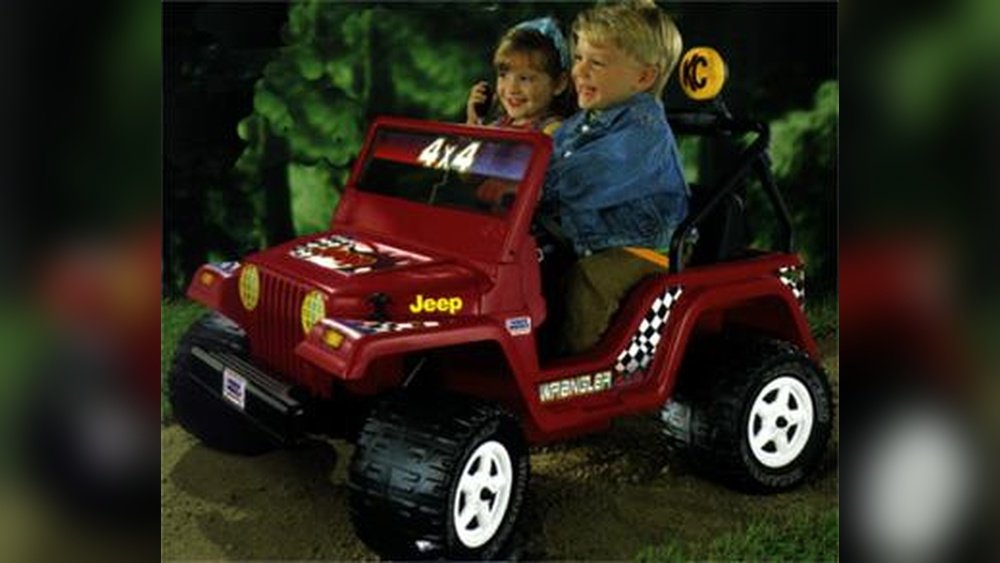
The Fisher-Price Power Wheels Jeep is more than just a toy; it's a childhood staple. For generations, these battery-powered vehicles have fueled imaginative play and outdoor adventures for countless children.
They offer a sense of independence and control, allowing young drivers to explore their surroundings in a safe and exciting way.
From the classic Jeep Wrangler designs to more adventurous models, Fisher-Price has consistently delivered ride-on vehicles that capture the spirit of real driving, scaled down for little hands and feet.
Choosing the right Power Wheels Jeep involves understanding the different models available, their features, and what makes them suitable for various ages and play styles. This guide will walk you through everything you need to know, from the core benefits of these ride-on toys to specific model considerations, safety tips, and maintenance advice.
Whether you’re a parent looking for the perfect gift or a grandparent wanting to bring a smile to a child’s face, this information will help you make an informed decision about the Fisher-Price Power Wheels Jeep.
Exploring The Appeal Of The Fisher-price Power Wheels Jeep
The enduring popularity of the Fisher-Price Power Wheels Jeep stems from its ability to translate the adult world of driving into a child’s realm of imagination. These vehicles aren’t just about moving from point A to point B; they are catalysts for creative storytelling and active play. Children can pretend to be explorers, off-road adventurers, or simply the driver of their own cool car. This imaginative aspect is crucial for child development, fostering creativity and problem-solving skills.
Beyond imagination, Power Wheels Jeeps provide significant physical benefits. They encourage children to get outdoors and engage in active play, which is vital for their physical health and development. Steering, accelerating, and braking (even in a simplified form) help improve motor skills and coordination. The act of driving also helps children develop a sense of spatial awareness and understanding of their environment.
Furthermore, these ride-on toys offer a sense of autonomy and confidence. Allowing a child to control their own vehicle, even at a slow, safe speed, can be incredibly empowering. It teaches them about responsibility and consequences in a playful context. The shared experience of a parent or guardian supervising or even riding along (on larger models or with supervision) also creates valuable bonding opportunities. The thrill of independence combined with the safety of a controlled environment makes the Power Wheels Jeep a unique and cherished toy.
Key Features To Consider When Buying A Power Wheels Jeep
When selecting a Fisher-Price Power Wheels Jeep, several features are important to consider to ensure you get the best fit for your child. These elements can significantly impact the play experience, safety, and longevity of the toy.
Speed And Safety Settings
Most Power Wheels Jeeps come with different speed settings, often a low and a high speed. The low speed setting is typically around 2.5 mph, making it ideal for younger children or beginners. The high speed can go up to 5 mph, offering more excitement for older or more experienced riders. It’s crucial to understand these settings and ensure the vehicle is appropriate for the child’s age and driving ability. Many models also include parent-controlled high-speed lockout features, which is a fantastic safety addition. This allows an adult to restrict the vehicle to the lower speed until the child has mastered it.
Battery Life And Charging Time
The battery is the heart of any Power Wheels vehicle. Most models use a 6-volt or 12-volt rechargeable battery. The voltage directly impacts the power and speed of the Jeep. A 12-volt battery generally offers more power and can handle slightly rougher terrain compared to a 6-volt.
Battery life is a significant factor for playtime. A fully charged battery typically lasts between 30 to 60 minutes of continuous use, though this can vary depending on the terrain, the child’s weight, and the speed setting used. Charging time is also important; most batteries take between 12 to 18 hours to fully recharge. This means planning for playtime often involves overnight charging. Some parents opt to purchase an extra battery to swap out, ensuring continuous fun without long waits.
Terrain Capability
Not all Power Wheels Jeeps are created equal when it comes to the surfaces they can handle. Some models are designed primarily for smooth, flat surfaces like pavement or indoor floors. Others are built with more robust wheels and higher ground clearance to tackle grass, dirt, and light gravel. If your child plans to drive on varied surfaces, look for models specifically advertised for their all-terrain capabilities. Features like traction control and larger, durable wheels contribute to better performance on less forgiving ground.
Seating And Weight Capacity
The seating capacity is usually for one child, though some larger models might accommodate two. Always check the maximum weight capacity for the specific model. This is a critical safety specification. Exceeding the weight limit can strain the motor, reduce battery life, and potentially damage the vehicle. Ensure the Jeep is suitable for the child’s current size and has a little room to grow within the weight limits.
Design And Features
Fisher-Price offers a wide variety of Jeep designs, often modeled after popular Jeep Wrangler styles. These can range from classic looks with simple controls to more elaborate versions with pretend radios, dashboards, and even working doors. Some models include lights and sounds for added realism. Consider which aesthetic and additional features will most appeal to the child and enhance their imaginative play.
Popular Fisher-price Power Wheels Jeep Models
Fisher-Price has released numerous iterations of their Power Wheels Jeep over the years. While specific model numbers and availability change, certain archetypes and popular features tend to reappear.
Understanding these common types can help you identify what you're looking for.
The Classic Jeep Wrangler Style
This is perhaps the most iconic Power Wheels Jeep. It often features a brightly colored body, sometimes in classic Jeep colors like red, blue, or green, with realistic chrome accents and Jeep grille details. These models typically focus on the core driving experience.
- Features: Usually a 12-volt system for good speed and power, suitable for driving on pavement and packed dirt. They often have a single seat, a steering wheel, and a forward/reverse gear shifter. Some might include a pretend radio or a windshield for added realism.
- Ideal For: Children aged 3-7, depending on the specific model’s speed and size. Great for general backyard play and driveway cruising.
The Extreme Terrain / Off-road Jeep
Designed for more adventurous play, these models are built to handle a wider variety of surfaces. They often have a more rugged appearance.
- Features: Larger, more aggressive-looking wheels with deeper treads for better grip on grass and dirt. They might have higher ground clearance to navigate bumps and uneven surfaces. Some may feature a more powerful motor or a drivetrain designed for improved traction on slippery surfaces like wet grass. These are almost always 12-volt or even 18-volt systems.
- Ideal For: Children who love to explore and play in the backyard, including areas with hills or less manicured lawns. Ages 3-7, with a focus on durability.
The Two-seater Jeep
For siblings or friends who want to ride together, the two-seater Power Wheels Jeep is a popular choice. These are generally larger and more powerful to accommodate the extra weight.
- Features: A wider body and two distinct seats. They typically come with a 12-volt system, though some might be 24-volt for increased power. The weight capacity is higher to support two children. Controls are usually duplicated or centrally located for shared operation.
- Ideal For: Families with multiple young children or those who often have playdates. Ages 3-7, with careful attention to the combined weight limit.
The Advanced/feature-rich Jeep
These models often incorporate more interactive elements and advanced features, appealing to children who enjoy role-playing and detailed play.
- Features: May include working headlights, simulated engine sounds, a detachable pretend smartphone for “music,” or even a dashboard with gauges. Some might offer slightly higher speeds or more responsive acceleration. They often have a more detailed and realistic Jeep exterior.
- Ideal For: Children who are fascinated by the details of real vehicles and enjoy immersive play. Ages 3-7, with an emphasis on the interactive elements.
When looking at specific models, pay close attention to the model number and description on the Fisher-Price or retailer website. This will clearly state the voltage, speed settings, weight limit, and recommended age range, helping you choose the perfect Power Wheels Jeep.
Safety First: Ensuring A Secure Power Wheels Experience
Safety is paramount when it comes to any ride-on toy, and the Fisher-Price Power Wheels Jeep is no exception. While designed with child safety in mind, adult supervision and adherence to safety guidelines are crucial for preventing accidents and ensuring a positive experience.
Adult Supervision Is Non-negotiable
This is the most important safety rule. Children, especially younger ones, may not always recognize potential hazards or understand the consequences of their actions. Always supervise children while they are riding their Power Wheels Jeep. This includes being present to intervene if they approach dangerous areas like streets, driveways, pools, or steep inclines. Supervision also allows you to guide them on safe operation and help them navigate tricky spots.
Choose The Right Environment
Select a safe and appropriate play area. This means avoiding roads, traffic, and any areas with significant hazards. Flat, smooth surfaces are best, especially for beginners. Grass and dirt are acceptable for models designed for them, but be aware of potential obstacles like rocks, roots, or holes that could cause a sudden stop or tip the vehicle. Avoid operating the Power Wheels Jeep in wet conditions, as this can affect traction and potentially damage the electrical components.
Age And Weight Appropriateness
Always adhere to the age and weight recommendations provided by Fisher-Price for each specific model. These guidelines are based on the vehicle’s speed, power, and stability. Using a Power Wheels Jeep that is too fast or too powerful for a child’s skill level, or exceeding the weight limit, can lead to loss of control and accidents.
Gear Up For Safety
While not always mandated by Fisher-Price for every model, it’s highly recommended that children wear protective gear. This includes:
- Helmet: A properly fitted bicycle helmet is essential to protect against head injuries in case of falls or collisions.
- Pads: Knee pads and elbow pads can help prevent scrapes and bruises during minor tumbles.
- Closed-toe Shoes: Ensure the child wears sturdy, closed-toe shoes to protect their feet and provide good grip on the pedals.
Understanding Speed Settings And Lockouts
Familiarize yourself with the speed settings on the Power Wheels Jeep. If the model has a high-speed lockout, use it initially. This allows the child to get comfortable with steering and basic operation at a slower, safer speed (typically 2.5 mph). Once they demonstrate consistent control and understanding, you can consider unlocking the higher speed (around 5 mph), but always maintain close supervision.
Regular Maintenance Checks
A well-maintained Power Wheels Jeep is a safer Power Wheels Jeep. Before each use, perform a quick check:
- Tires: Ensure they are properly inflated (if applicable) and free from significant damage.
- Battery: Check that it’s fully charged and securely in place.
- Connections: Look for any loose wires or damaged parts.
- Brakes/Stopping: Ensure the vehicle stops promptly when the foot is removed from the pedal.
By following these safety guidelines, you can help ensure that the Fisher-Price Power Wheels Jeep provides hours of fun and adventure without compromising the well-being of your child.
Maintaining Your Power Wheels Jeep For Longevity
To ensure your Fisher-Price Power Wheels Jeep provides reliable fun for years to come, proper maintenance is key. These vehicles are built to be durable, but like any battery-powered toy, they require a little care. Regular attention to the battery, cleaning, and storage can significantly extend its lifespan and keep it running smoothly.
Battery Care: The Key To Power
The rechargeable battery is the most critical component of a Power Wheels Jeep. Proper battery care will ensure optimal performance and longevity.
- Full Charging: Always charge the battery fully before the first use and after every subsequent use. Most batteries require 12-18 hours for a full charge. Avoid overcharging, as this can degrade the battery over time. Many chargers have an indicator light to show when charging is complete.
- Avoid Deep Discharges: Try not to let the battery completely die. Frequent deep discharges can shorten its overall lifespan. If the Power Wheels starts to slow down significantly, it’s time to recharge.
- Storage: If you need to store the Power Wheels Jeep for an extended period (e.g., over winter), charge the battery fully before storing. Store the battery in a cool, dry place, away from extreme temperatures. It’s recommended to recharge the battery at least once every 1-2 months during storage to maintain its charge.
- Temperature: Avoid charging or storing the battery in extreme temperatures (very hot or very cold). This can damage the battery cells.
Cleaning Your Power Wheels Jeep
Keeping the Power Wheels Jeep clean will not only make it look better but also prevent dirt and debris from interfering with its mechanisms.
- Exterior Cleaning: Use a damp cloth with mild soap and water to wipe down the body. Avoid using harsh chemicals or abrasive cleaners, which can damage the plastic finish. For stubborn dirt, a soft brush might be helpful.
- Wheels and Undercarriage: Pay attention to the wheels and the underside of the Jeep, where dirt and grass clippings can accumulate. A damp cloth or a soft brush can usually remove most debris. Ensure the vehicle is completely dry before storing or using it again.
- Avoid Water Damage: Never immerse the Power Wheels Jeep or its electrical components (motor, wiring, battery housing) in water. Use a damp cloth, not a soaking wet one, and ensure no water gets into any openings.
Storage Recommendations
Proper storage protects the Power Wheels Jeep from the elements and damage.
- Indoors Preferred: Whenever possible, store the Power Wheels Jeep indoors, such as in a garage, shed, or basement. This protects it from rain, snow, sun fading, and extreme temperature fluctuations.
- Covering: If storing outdoors is unavoidable, cover the Power Wheels Jeep with a waterproof tarp or a dedicated vehicle cover to protect it from moisture and UV rays.
- Stable Surface: Store the vehicle on a flat, stable surface to prevent it from tipping over or warping.
Basic Troubleshooting And Repairs
Most issues with Power Wheels Jeeps are related to the battery or simple connections.
- Not Moving: Check if the battery is fully charged and properly connected. Ensure the gear shifter is in the correct position (Forward or Reverse). Check that the foot pedal is making contact with the