The Fisher-Price Power Wheels Jeep is more than just a toy; it’s a childhood icon. For decades, these battery-powered vehicles have fueled imaginative play and provided countless hours of outdoor fun for young children.
From rugged, realistic designs to vibrant colors, a Power Wheels Jeep promises adventure for toddlers and preschoolers. But with so many models available, choosing the right one can feel overwhelming for parents.
This guide will help you understand what makes the Fisher-Price Power Wheels Jeep a popular choice, explore different features, and offer advice on selecting the perfect model for your child's needs and your family's lifestyle.
We'll cover everything from battery life and speed settings to safety features and maintenance, ensuring your little one’s driving experience is both thrilling and secure.
Understanding The Appeal Of Power Wheels Jeeps
The enduring popularity of the Fisher-Price Power Wheels Jeep stems from its ability to tap into a child’s natural desire for independence and adventure. These ride-on vehicles offer a tangible way for children to mimic adult behavior, driving their own “car” and exploring their surroundings. The Jeep brand itself evokes a sense of ruggedness and exploration, making these Power Wheels models particularly appealing. They transform ordinary backyards into exciting off-road trails, and sidewalks into bustling city streets.
The Magic Of Imaginative Play
Power Wheels Jeeps are powerful tools for imaginative play. When a child sits behind the wheel, they aren’t just pushing a pedal; they are embodying a character, a race car driver, an explorer, or even a parent on an errand. This type of play is crucial for developing cognitive skills, problem-solving abilities, and social-emotional development. Children learn to create narratives, negotiate roles (if playing with friends), and understand cause and effect (pushing the pedal makes the Jeep go). The realistic details on many Power Wheels Jeep models, such as steering wheels, dashboards, and even pretend radios, further enhance this immersive experience.
Developmental Benefits For Young Children
Beyond just fun, driving a Power Wheels Jeep offers several developmental benefits. Operating the vehicle helps improve a child’s gross motor skills and hand-eye coordination. Steering the Jeep requires precise movements, and pressing the accelerator pedal demands coordination between their foot and their brain. This physical engagement is vital for children’s overall physical development. Furthermore, the experience of controlling a vehicle, even a toy one, can boost a child’s confidence and sense of accomplishment. Successfully navigating the driveway or a backyard obstacle course provides a tangible achievement that young children can be proud of.
Safety As A Priority
Fisher-Price understands that safety is paramount for parents. Most Power Wheels Jeeps are designed with controlled speeds, typically ranging from 2.5 mph to 5 mph, ensuring they are fast enough to be exciting but slow enough to be safe. Many models also include features like high-sided seats for stability and automatic brakes that engage when the child lifts their foot off the pedal. The sturdy construction and durable materials used in Power Wheels vehicles also contribute to their safety and longevity.
Key Features To Consider When Buying A Power Wheels Jeep
When you’re ready to purchase a Fisher-Price Power Wheels Jeep, several features will help you choose the best fit for your child. These considerations range from the practical aspects of battery power and performance to the specific design elements that make a particular Jeep model stand out.
Battery Power And Performance
The heart of any Power Wheels vehicle is its battery. These typically come in 6-volt, 12-volt, or 18-volt options. The voltage directly impacts the Jeep’s speed and run time.
- 6-Volt Systems: These are generally designed for younger children, offering slower speeds (around 2.5 mph) and shorter run times (about 45 minutes on a full charge). They are often a good starting point for a child’s first ride-on toy.
- 12-Volt Systems: These are the most common and offer a good balance of speed (up to 5 mph) and run time (around 1 hour). They can often handle slightly rougher terrain and may have higher weight capacities. Many 12-volt models also feature two speeds, allowing parents to start their child at a lower speed and increase it as they gain confidence.
- 18-Volt Systems: These are the most powerful, offering higher speeds and longer run times. They are usually designed for older children and can handle more challenging terrain. However, they also come with a higher price tag and may require more supervision.
The recharge time for these batteries is also an important factor. Most Power Wheels batteries take several hours to fully recharge, so it’s wise to have a charging schedule in mind, especially if your child plans to use the Jeep frequently. Some parents opt for a second battery to allow for continuous play.
Speed And Terrain Capabilities
The speed of a Power Wheels Jeep is a critical safety and enjoyment factor. As mentioned, speeds typically range from 2.5 mph to 5 mph. For toddlers and younger children, a lower, single speed is often sufficient and safer. As children grow and become more experienced, a two-speed setting (both forward and sometimes reverse) allows for progression and added excitement.
The terrain your child will be driving on also matters. Most Power Wheels Jeeps are designed for relatively flat, smooth surfaces like driveways, sidewalks, and manicured lawns. Some models, particularly those designed to look like more rugged Jeeps, might have slightly better traction and ability to handle gentle slopes or slightly bumpy grass. However, it’s important to remember that these are still toy vehicles and may struggle or become stuck on very uneven ground, sand, or gravel. Always check the product description for recommended terrain types.
Seating And Weight Capacity
Seating capacity is usually limited to one rider, though some larger models might accommodate two smaller children. Always check the weight capacity specified for each model. This is crucial for safety and ensuring the longevity of the vehicle. Exceeding the weight limit can strain the motor and battery, leading to poor performance or damage. For example, many 12-volt models have a weight capacity of around 130 pounds, suitable for a range of ages.
Realistic Features And Design
The aesthetic appeal of a Power Wheels Jeep is a huge part of its charm. Many models are designed to closely resemble real Jeep vehicles, complete with:
- Realistic Grilles and Headlights: These add to the authentic look.
- Opening Doors: Some models feature doors that actually open, enhancing the play experience.
- Steering Wheels and Dashboards: These often include pretend buttons, gear shifts, and even sound effects or music players.
- Roll Bars: For added realism and a sense of ruggedness.
These details contribute significantly to the imaginative play aspect, allowing children to feel like they are driving a real car.
Safety Features
Beyond speed controls, other safety features are worth noting:
- Automatic Brakes: Most Power Wheels engage brakes automatically when the child lifts their foot off the pedal, providing an immediate stop.
- High Sides: The seats are often designed with high sides to help keep the child secure.
- Seat Belts: While not always present on every model, some offer basic seat belts for added security.
- Parent Lock-Outs: Some higher-end models include parental controls that can limit the maximum speed or prevent reverse gear engagement.
Popular Fisher-price Power Wheels Jeep Models
Fisher-Price offers a wide array of Power Wheels Jeep models, each with unique features catering to different age groups and preferences. Here are a few examples of popular types you might encounter:
The Classic Jeep Wrangler Style
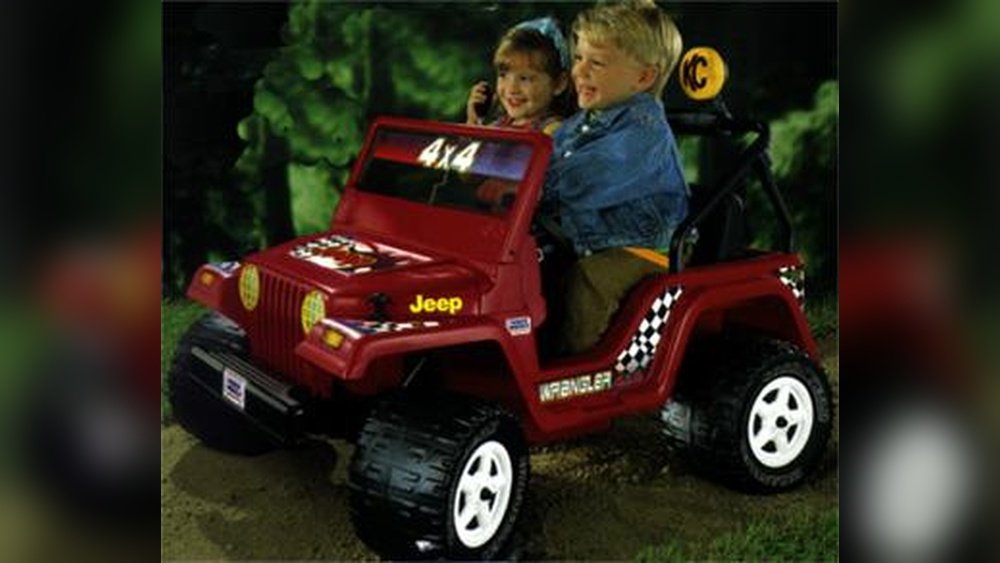
This is perhaps the most iconic Power Wheels Jeep. It often features a realistic Jeep Wrangler design, complete with the signature seven-slot grille, round headlights, and often a roll bar. These models are typically available in various colors, from classic red and blue to more adventurous green and pink.
- Features: Many classic models come with 12-volt systems, offering speeds up to 5 mph with two forward speeds and reverse. They often have dashboards with pretend accessories and can handle moderate terrain like lawns and driveways.
- Target Age: Usually recommended for children aged 3 and up, with weight capacities around 130 pounds.
- Pros: Highly recognizable, durable, offers a good balance of performance and safety.
- Cons: Can be a bit basic in terms of extra features compared to more specialized models.
The Power Wheels Jeep Hurricane Extreme
This model often emphasizes off-road capabilities and a more aggressive look. It’s designed to provide a more adventurous ride for young explorers.
- Features: Typically equipped with a robust 12-volt rechargeable battery system, it offers speeds up to 5 mph. A key feature is its all-terrain wheels designed for better traction on grass, dirt, and uneven surfaces. Some versions might include a pretend winch or rugged bumper details.
- Target Age: Suitable for children aged 3 and up, with a similar weight capacity to the classic models.
- Pros: Better performance on varied terrain, more adventurous styling.
- Cons: May be slightly faster, requiring closer supervision for younger or less experienced drivers.
The Jeep Rubicon Power Wheels
The Jeep Rubicon Power Wheels often aims to replicate the more capable, adventure-ready version of the real Jeep. These models tend to be built for more demanding play.
- Features: These often feature a 12-volt or even 18-volt battery system, offering higher speeds and more power. They usually come with larger, more aggressive-tread tires for improved grip on grass and dirt. Realistic details like a pretend hardtop, doors that open, and a detailed interior dashboard are common. Some might even boast a multi-function steering wheel with sound effects.
- Target Age: Generally recommended for older children, perhaps 4 years and up, due to higher speeds and power. Weight capacities might also be slightly higher.
- Pros: Enhanced performance, realistic details, more engaging features.
- Cons: Higher cost, potentially higher speeds requiring more parental oversight.
The Junior Jeep Wrangler (for Toddlers)
For the youngest adventurers, Fisher-Price offers smaller, simpler versions. The Junior Jeep Wrangler is designed with toddlers in mind.
- Features: These usually operate on a 6-volt battery system, providing a safe, slow speed (around 2.5 mph). They often have easy-to-use controls, like a simple push-button accelerator. The design is typically more rounded and child-friendly, with fewer small parts. Some might include a small storage area or a pretend steering wheel.
- Target Age: Ideal for toddlers aged 18 months to 3 years, with lower weight limits.
- Pros: Very safe, easy for toddlers to operate, excellent first ride-on toy.
- Cons: Limited speed and terrain capabilities, outgrown quickly by older children.
When exploring these models, always check the specific product details on the Fisher-Price or retailer website, as features can vary even within the same model name due to different production years or regional variations.
Setting Up And Maintaining Your Power Wheels Jeep
Once you’ve chosen the perfect Fisher-Price Power Wheels Jeep, proper setup and regular maintenance are key to ensuring safety, performance, and longevity. These steps are straightforward and will help maximize your child’s enjoyment.
Initial Setup And Battery Charging
Most Power Wheels Jeeps require some assembly, which usually involves attaching the wheels, steering wheel, and sometimes seats or decals. The instructions provided with the vehicle are clear and generally easy to follow.
The most crucial initial step is charging the battery. New batteries often come partially charged, but it’s recommended to charge them fully before the first use. This typically involves connecting the included charger to the battery and plugging it into a standard wall outlet.
- Charging Time: Refer to your manual, but expect 8-12 hours for a full charge. Do not overcharge beyond the recommended time, as this can damage the battery.
- First Use: After the initial charge, your child can begin their driving adventures.
Battery Care And Longevity
Proper battery care is essential for maintaining performance and extending the battery’s lifespan.
- Regular Charging: Charge the battery after each use, or at least once a month if the vehicle is not in regular use, to keep it in optimal condition.
- Storage: If storing the Power Wheels Jeep for an extended period (e.g., over winter), charge the battery fully before storing it. Store the battery in a cool, dry place, ideally within the vehicle itself or in a temperature-controlled environment. Avoid extreme heat or cold.
- Avoid Deep Discharges: Try not to let the battery completely run out of power frequently, as this can stress the battery.
Cleaning And Storage
Keeping the Power Wheels Jeep clean is simple and helps maintain its appearance.
- Wiping Down: Use a damp cloth to wipe down the plastic body. For tougher grime, a mild soap and water solution can be used, but ensure no water gets into the electrical components.
- Avoid Harsh Cleaners: Do not use abrasive cleaners or solvents, as they can damage the plastic finish.
- Storage Location: When not in use, store the Jeep in a dry place, like a garage, shed, or covered patio, to protect it from the elements. Direct sunlight can fade the plastic over time, so indoor storage is preferable if possible.
Troubleshooting Common Issues
While Power Wheels are generally reliable, occasional issues might arise.
- Vehicle Not Moving:
- Check if the battery is fully charged and properly connected.
- Ensure the foot pedal is being pressed firmly.
- Verify that the gear shifter (if applicable) is in the correct position (Forward or Reverse).
- Check for any obstructions in the wheels or drive mechanism.
- Slow Performance:
- The battery may need charging.
- The vehicle might be overloaded (exceeding weight capacity).
- The motor or battery connections might need checking.
- Overheating: If the motor or charger feels excessively hot, stop using the vehicle and allow it to cool down. Consult the manual or customer support if the issue persists.
Safety Checks
Before each use, perform a quick safety check:
- Tires: Ensure they are inflated (if applicable) and not excessively worn.
- Steering: Check that the steering wheel operates smoothly.
- Body: Look for any cracks or sharp edges that may have developed.
- Battery Connections: Ensure they are secure.
By following these simple setup and maintenance guidelines, you can ensure your **Fisher-Price Power Wheels