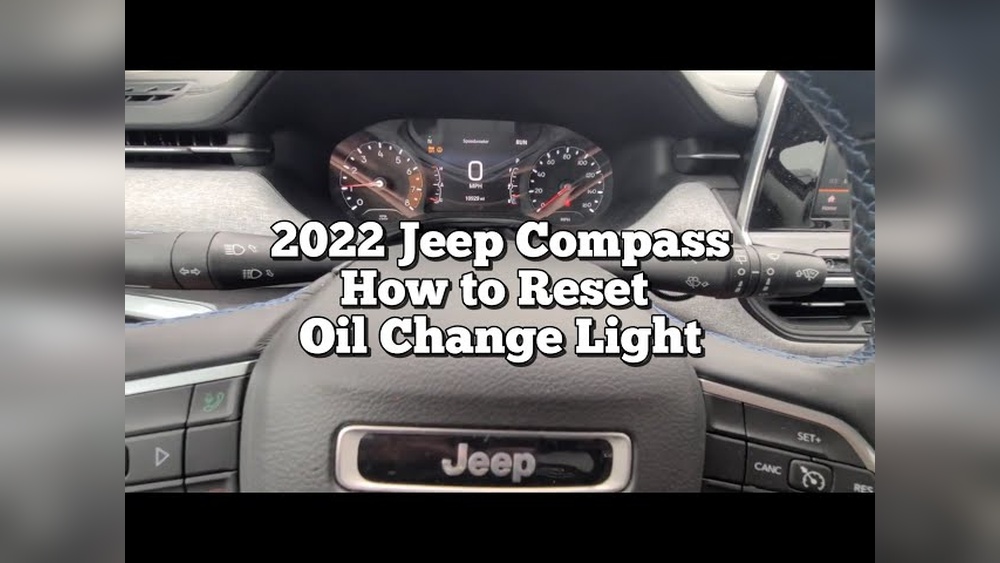
If your Jeep’s engine temperature stays too low, you may notice weak heating, poor fuel economy, and sluggish performance. While most drivers worry about overheating, running too cold can also cause trouble. Let’s explore why this happens, what it means for your Jeep, and how to fix it effectively.
What Happens When Engine Temperature Is Too Low
A healthy Jeep engine operates between 195°F and 220°F. If your temperature gauge is always below this range, the engine isn’t reaching its designed heat. Modern engines rely on proper temperature for fuel efficiency and smooth running.
Low temperature can lead to:
- Reduced fuel efficiency: Cold engines burn more fuel, costing you at the pump.
- Sluggish performance: Oil flows slowly and parts don’t reach optimal clearances.
- Weak cabin heat: The heater uses engine warmth. If the engine is cold, the cabin stays chilly.
- Increased emissions: Cold engines produce more pollutants.
A surprising fact: Studies show a cold engine may use up to 20% more fuel than a warm one.
Common Causes Of Low Engine Temperature In Jeeps
Understanding why your Jeep engine temperature is low helps you target the fix. Here are the main causes:
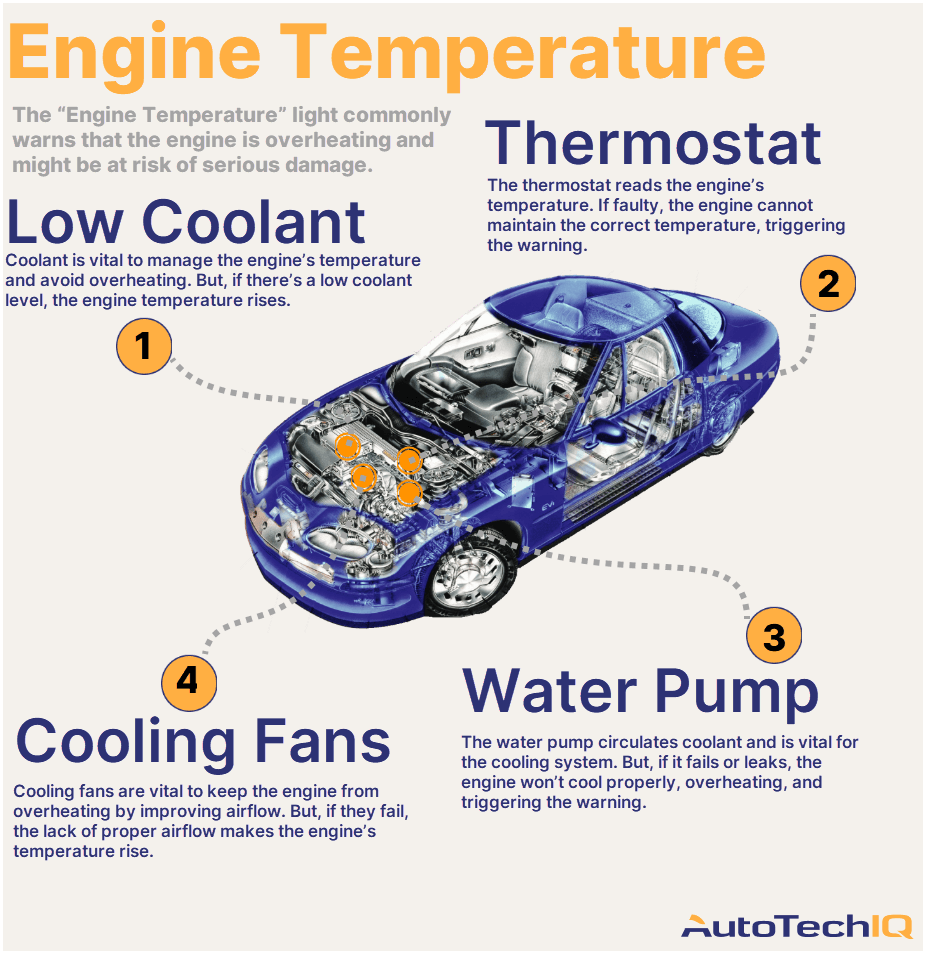
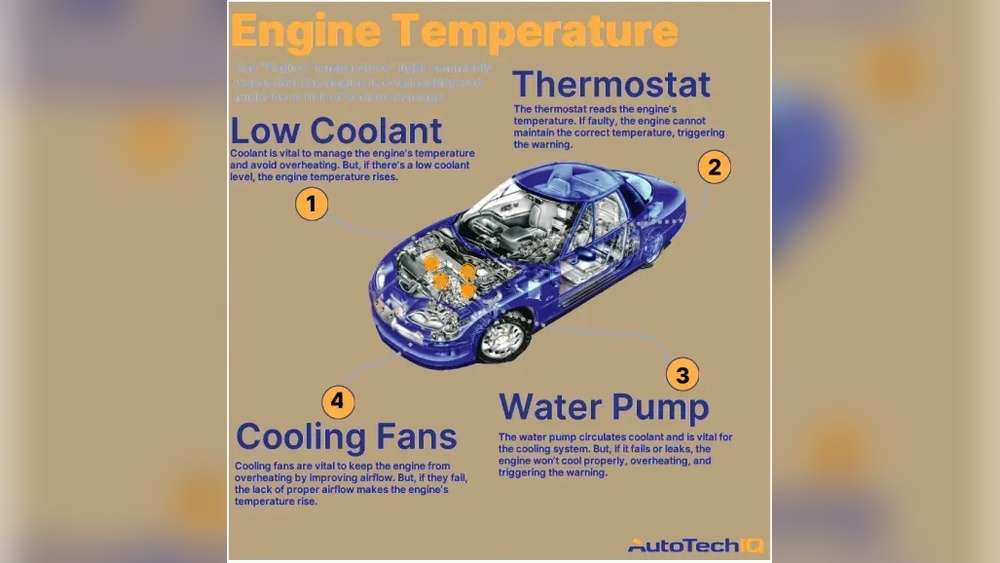
- Stuck open thermostat: The thermostat regulates coolant flow. If it sticks open, coolant circulates nonstop and the engine never warms up.
- Faulty temperature sensor: The sensor may send wrong readings, making the gauge show low temperatures.
- Too much coolant: Overfilling or using incorrect coolant types can affect heat transfer.
- Cold weather driving: In freezing conditions, especially with short trips, engines struggle to warm up.
- Radiator fan running constantly: If the fan stays on, it cools the engine too much.
Let’s compare the effects of two common causes:
| Cause | Typical Symptoms | Repair Cost |
|---|---|---|
| Stuck open thermostat | Low temp, weak heat, high fuel use | $50-$200 |
| Faulty sensor | Incorrect gauge reading, normal performance | $40-$120 |
Diagnosing The Problem
Before spending money, check a few basics:
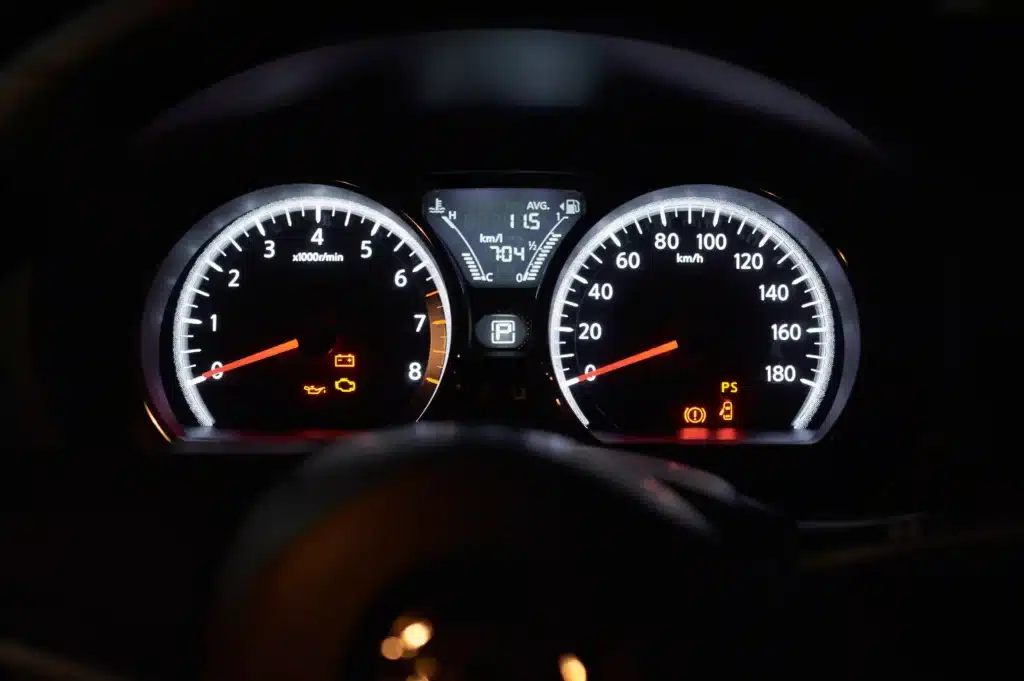
- Check the temperature gauge: If it’s always low, note the exact reading.
- Feel the heater output: Weak heat usually means a real temperature issue.
- Look for leaks: Low coolant levels may cause temperature drops.
- Listen for radiator fan: If it runs nonstop, it may be stuck.
If you suspect the thermostat, try this simple test:
- Start the engine cold.
- Touch the upper radiator hose.
- If it warms up right away, the thermostat may be stuck open.
You can also compare gauge readings to actual temperatures using a scan tool. This helps you spot sensor errors.
How To Fix Low Engine Temperature
Most repairs are simple and cost-effective. Here’s a step-by-step plan:
- Replace the thermostat: This is the most common fix. Thermostats wear out and get stuck open. Choose a quality part—cheap ones fail sooner.
- Inspect and replace the temperature sensor: If the gauge is wrong but the engine feels normal, swap the sensor.
- Check coolant level and type: Use the correct mix. Too much water or wrong coolant can lower heat.
- Inspect radiator fan operation: If it runs all the time, check the relay or fan switch.
- Warm up the engine longer in cold weather: Let your Jeep idle for a few minutes before driving.
Here’s a table showing typical repair times:
| Repair | Time Needed | DIY Difficulty |
|---|---|---|
| Thermostat replacement | 30–60 minutes | Moderate |
| Sensor replacement | 15–30 minutes | Easy |
| Coolant check/top-up | 10–20 minutes | Easy |
| Radiator fan check | 10–20 minutes | Moderate |
Extra Tips For Jeep Owners
- Always use OEM thermostats. Aftermarket parts can fail early or have the wrong temperature rating.
- Don’t ignore persistent low temperature. It damages the engine over time.
- In very cold climates, a block heater can help your Jeep warm up faster.
- Use a scan tool to check real engine temperature if your dash gauge seems suspicious.
- If you notice check engine light with low temperature, scan for codes before replacing parts.
Many beginners miss the importance of thermostat quality. A cheap or incorrect thermostat can keep your engine running cold even after replacement. Also, some Jeep models have two temperature sensors—one for the gauge, one for the ECU. Make sure you change the right one.
When To See A Mechanic
If you’re not comfortable doing these repairs, or if the problem persists after changing parts, seek a professional. Jeep dealers can diagnose tricky electrical issues or rare cooling system faults.
Preventing Future Problems
Once you fix the issue, keep your cooling system healthy:
- Change coolant every 2–3 years.
- Check hoses and clamps for leaks.
- Watch the temperature gauge regularly.
- Avoid topping up with only water—always use correct coolant.
A well-maintained cooling system keeps your Jeep engine running efficiently, even in extreme conditions.
Frequently Asked Questions
Why Is My Jeep’s Engine Temperature Always Below Normal?
A common reason is a stuck open thermostat or a faulty temperature sensor. Either can make the gauge read low or the engine stay cold.
Can Driving With Low Engine Temperature Damage My Jeep?
Yes. Cold engines wear faster, use more fuel, and produce more emissions. Over time, this can cause expensive engine damage.
How Do I Know If My Jeep Thermostat Is Bad?
If your heater is weak and the temperature gauge is always low, the thermostat may be stuck open. Use the radiator hose test to check.
Is It Safe To Drive In Winter With Low Engine Temperature?
It’s not ideal. While you may not break down, fuel economy suffers and engine parts wear faster. Fix the issue as soon as possible.
What’s The Best Thermostat For A Jeep?
Use an OEM thermostat with the correct temperature rating (usually 195°F). Avoid cheap aftermarket options. For more information, visit Wikipedia.
Keeping your Jeep engine temperature in the right range helps your vehicle last longer, saves fuel, and keeps you comfortable. With the right diagnosis and repairs, you’ll solve low temperature problems quickly and safely.