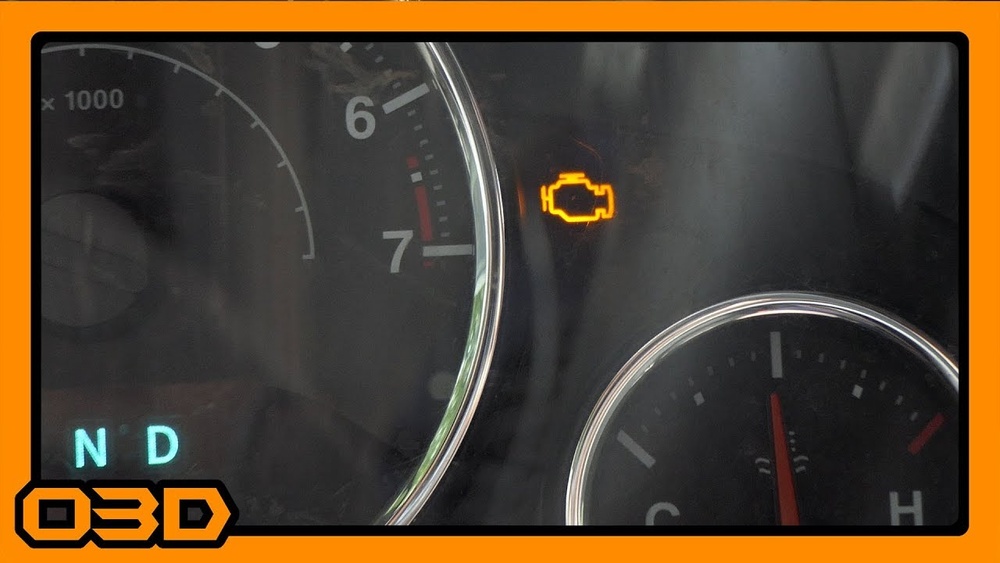
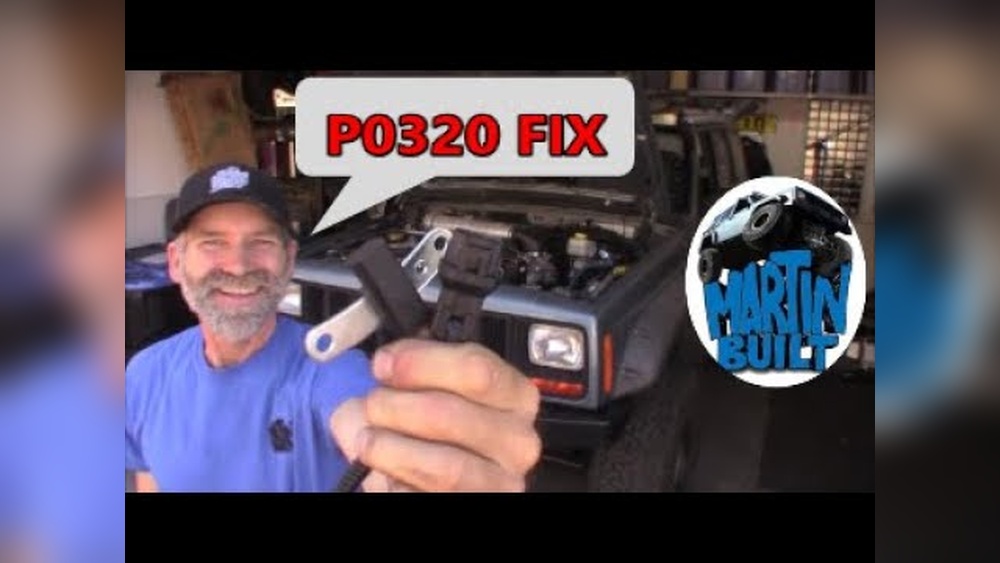
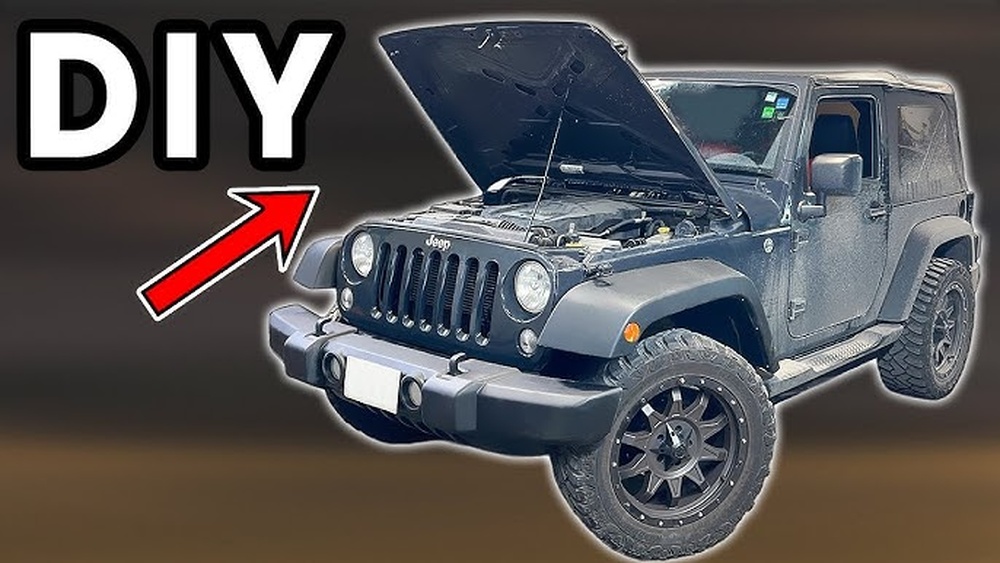
Your Jeep Grand Cherokee’s engine light just came on, and now you’re left wondering what it means and what to do next. You’re not alone—this little warning light can cause a lot of stress.
But don’t panic. That light is your Jeep’s way of telling you something needs attention. Whether it’s a simple fix like a loose gas cap or a sign of a more serious engine problem, knowing how to respond can save you time, money, and headaches.
You’ll learn why your engine light might be on, how to quickly diagnose the issue, and the steps you should take to keep your Jeep running smoothly. Keep reading to turn that worry into confidence.
Common Causes Of Engine Light
The engine light on your Jeep Grand Cherokee is a warning sign. It means the car’s computer found a problem. Many issues can trigger this light. Some are simple to fix. Others need professional help. Knowing common causes helps you act fast and avoid big repairs.
Loose Or Damaged Gas Cap
A loose or damaged gas cap is a common cause. It lets fuel vapors escape. This triggers the engine light. Check the cap and tighten it until it clicks. Replace it if you see cracks or damage. This fix often turns the light off quickly.
Faulty Oxygen Sensor
The oxygen sensor checks air and fuel mixture. A bad sensor sends wrong data to the engine computer. This can lower fuel efficiency and increase emissions. Replacing a faulty oxygen sensor usually stops the engine light from coming on.
Worn Spark Plugs
Spark plugs ignite the fuel in the engine. Worn plugs cause poor engine performance and misfires. This triggers the engine light. Changing spark plugs at regular intervals keeps the engine running smoothly and prevents warning lights.
Bad Catalytic Converter
The catalytic converter reduces harmful exhaust gases. A bad converter causes poor engine performance and higher emissions. It can also trigger the engine light. Repair or replacement is necessary to fix this issue and keep emissions low.
Low Or Dead Battery
A low or dead battery can cause the engine light to turn on. The battery powers many electronic parts of the car. Weak battery voltage can trigger error codes. Testing and replacing the battery can stop the light and prevent other electrical problems.

Quick Fixes For Engine Light
The engine light on your Jeep Grand Cherokee can turn on for many reasons. Some causes are simple and easy to fix. Quick fixes can save time and money before visiting a mechanic. These simple steps often solve the problem fast. Follow these easy tips to address the engine light.
Tighten The Gas Cap
A loose gas cap is a common reason for the engine light. Remove the cap and screw it back on tightly until you hear a click. This seals the fuel system and stops fuel vapors from escaping. After tightening, drive your Jeep for a few miles. The light often turns off after the system checks the seal.
Replace Spark Plugs
Old or worn spark plugs can cause engine misfires. This triggers the engine light. Check the spark plugs for damage or buildup. Replace them with new ones if they look worn out. New spark plugs improve engine performance and may clear the light.
Check And Change Oil
Low or dirty oil affects engine health. Check the oil level using the dipstick. Add oil if it is low. Change the oil if it looks dark or dirty. Fresh oil helps the engine run smoothly and can turn off the engine light.
Reset The Engine Light With Obd-ii Scanner
An OBD-II scanner reads engine codes and clears the engine light. Plug the scanner into the Jeep’s diagnostic port. Follow the scanner instructions to read trouble codes. After repairs, use the scanner to reset the light. This tool helps monitor engine health easily.
When To Seek Professional Help
The engine light on your Jeep Grand Cherokee signals a problem that needs attention. Some issues are minor, while others require immediate professional help. Knowing when to seek expert service can save you from costly repairs and keep your vehicle safe.
Keep an eye on the engine light’s behavior. A steady light often means a less urgent issue. A flashing light is a serious warning and demands quick action. Understanding the risks and signs will help you decide when to visit a mechanic.
Flashing Engine Light Risks
A flashing engine light means the engine misfires. This condition harms your engine and wastes fuel. Driving with a flashing light can cause serious damage fast. Stop driving and get help right away to avoid costly repairs.
Signs Of Engine Misfire
Your Jeep may shake or jerk during acceleration. You might hear unusual noises like popping or coughing. The vehicle can lose power or run roughly. These signs often come with the engine light flashing. Immediate inspection by a technician is critical.
Avoiding Catalytic Converter Damage
Ignoring a flashing engine light can ruin the catalytic converter. This part controls harmful emissions and is expensive to replace. Continued driving with misfires sends unburned fuel into the converter. This causes overheating and permanent damage. Professional repair prevents this costly issue.
Using Diagnostic Tools
The check engine light on your Jeep Grand Cherokee signals a problem. Diagnostic tools help find the exact issue quickly. They read error codes stored in your vehicle’s computer.
Using these tools saves time and money. You avoid guesswork and fix problems early. Here are easy ways to use diagnostic tools for your Jeep.
Reading Codes At Auto Parts Stores
Many auto parts stores offer free code reading services. You simply drive your Jeep there and ask for a code scan. The technician connects a scanner to your vehicle’s OBD-II port.
The scanner reads stored trouble codes and displays them. You receive a printout explaining the codes. This helps you understand the cause of the check engine light.
Use this information to decide on repairs or further diagnostics. Free code reading is a simple first step in troubleshooting your Jeep.
Personal Obd-ii Scanner Tips
Owning a personal OBD-II scanner gives you control. Plug the scanner into your Jeep’s OBD-II port, usually under the dashboard. Turn the ignition on without starting the engine.
Follow the scanner’s instructions to read codes. Many devices offer clear explanations and repair suggestions. After repairs, clear the codes to reset the check engine light.
Choose a scanner with a user-friendly interface and updates. It helps you monitor your Jeep’s health anytime at home or on the road.
Using Edge Monitor For Diesel Trucks
The Edge Monitor, designed for diesel trucks, works well with Jeep Grand Cherokee. It connects to the OBD-II port and provides real-time engine data. This tool shows engine performance and trouble codes.
Use the Edge Monitor to track issues and clear engine codes. It offers advanced features like customizable gauges and alerts. This helps keep your Jeep running smoothly.
The Edge Monitor is a practical choice for diesel Jeep owners. It combines diagnostics with performance monitoring in one device.
Driving With The Engine Light On
Seeing the engine light on your Jeep Grand Cherokee can be stressful. It means the vehicle’s computer has found an issue. You might wonder if it is safe to keep driving or if you should stop immediately. Understanding the engine light’s signals helps you make smart decisions on the road.
Solid Vs. Flashing Light Meaning
A solid engine light means a problem needs attention but is not urgent. It could be a loose gas cap or a minor engine issue. A flashing engine light warns of a serious problem. This often means the engine is misfiring. Driving with a flashing light risks severe engine damage. Treat a flashing light as an emergency.
Safe Driving Practices
When the engine light is solid, drive gently and avoid hard acceleration. Keep your speed moderate and watch for strange noises or smells. Check your gas cap and tighten it if loose. Use an OBD-II scanner or visit an auto parts store to read error codes. This helps identify the problem early. Plan to get your Jeep checked soon.
When To Stop Driving
Stop driving immediately if the engine light flashes. Find a safe place to pull over and turn off the engine. Continuing to drive can cause costly damage. Call for roadside assistance or a tow truck. Also, stop if you notice loss of power, strange noises, or smoke. These signs mean your Jeep needs urgent service.
Preventive Maintenance Tips
Preventive maintenance is key to keeping the engine light off in your Jeep Grand Cherokee. Regular care helps spot small issues before they grow. It also improves your vehicle’s performance and lifespan. Follow these simple tips to avoid engine problems and keep your Jeep running smoothly.
Regular Engine Checkups
Schedule engine checkups every few months. A mechanic can find problems early. They inspect fluids, belts, and engine parts for wear. Catching issues early prevents engine light warnings. Check your oil level and quality often. Low or dirty oil can cause engine trouble.
Keeping Sensors Clean
Sensors play a big role in engine health. Dirt and grime can block sensors, causing false readings. Clean sensors gently using a soft cloth or sensor cleaner. Focus on oxygen sensors and mass airflow sensors. Clean sensors help your Jeep run efficiently and avoid engine light alerts.
Battery Care And Replacement
A weak battery can trigger the engine light. Test your battery regularly for charge and health. Clean battery terminals to ensure good connections. Replace the battery every 3 to 5 years or sooner if it shows signs of weakness. A strong battery supports all engine functions and prevents warning lights.
Jeep Grand Cherokee Specific Issues
The Jeep Grand Cherokee has unique issues that often trigger the engine light. These problems usually relate to specific parts or systems in the vehicle. Understanding these helps with faster diagnosis and repair.
Some faults are common across many Jeep Grand Cherokee models. Others involve the electronic control module or signs of engine overheating. Knowing these details can save you time and money.
Common Faults In Grand Cherokee Models
Many Jeep Grand Cherokees experience problems with sensors like the oxygen sensor or mass airflow sensor. Faulty sensors send wrong data, causing the engine light to come on. Another frequent issue is the EGR valve clogging, which affects emissions and engine performance. Fuel system problems, such as a bad fuel pump or dirty injectors, are also common. These faults often cause rough idling, poor fuel economy, or stalling.
Electronic Control Module Concerns
The electronic control module (ECM) controls engine functions and emission systems. In Grand Cherokees, the ECM can malfunction due to software glitches or wiring issues. A faulty ECM may cause the engine light to flash or stay on continuously. Sometimes, it leads to erratic engine behavior, like misfires or reduced power. Reprogramming or replacing the ECM usually fixes these problems.
Engine Overheating Indicators
Engine overheating is a serious issue in some Jeep Grand Cherokee models. The engine light often comes on to warn of high temperatures. Causes include coolant leaks, faulty thermostat, or a broken water pump. Overheating can damage the engine if ignored. Watch for additional signs like steam from the hood or unusual smells. Immediate cooling system checks are necessary to prevent major repairs.

Frequently Asked Questions
Can I Drive My Jeep With The Engine Light On?
Driving a Jeep with the engine light on is possible but not recommended. A flashing light signals a serious issue; stop immediately. For a steady light, check the gas cap and have codes read soon to avoid costly damage.
Can Autozone Clear A Check Engine Light?
AutoZone can read and clear check engine lights using their free OBD-II scanner service. Visit any AutoZone store to use this service.
Can I Drive $1000 Miles With The Check Engine Light On?
Driving 1,000 miles with the check engine light on risks severe damage. Stop if it flashes. Get a diagnostic check immediately.
Can Low Oil Cause A Check Engine Light?
Low oil can trigger the check engine light by causing engine stress or sensor issues. Always check oil levels promptly.
Conclusion
The engine light on your Jeep Grand Cherokee warns of possible issues. Check simple things first, like the gas cap. Use a code reader or visit an auto parts store for a quick diagnosis. Never ignore a flashing light—it means urgent trouble.
Taking prompt action can save money and prevent bigger problems. Keep your Jeep running safely by addressing the engine light early. Stay alert and maintain your vehicle regularly for best performance.