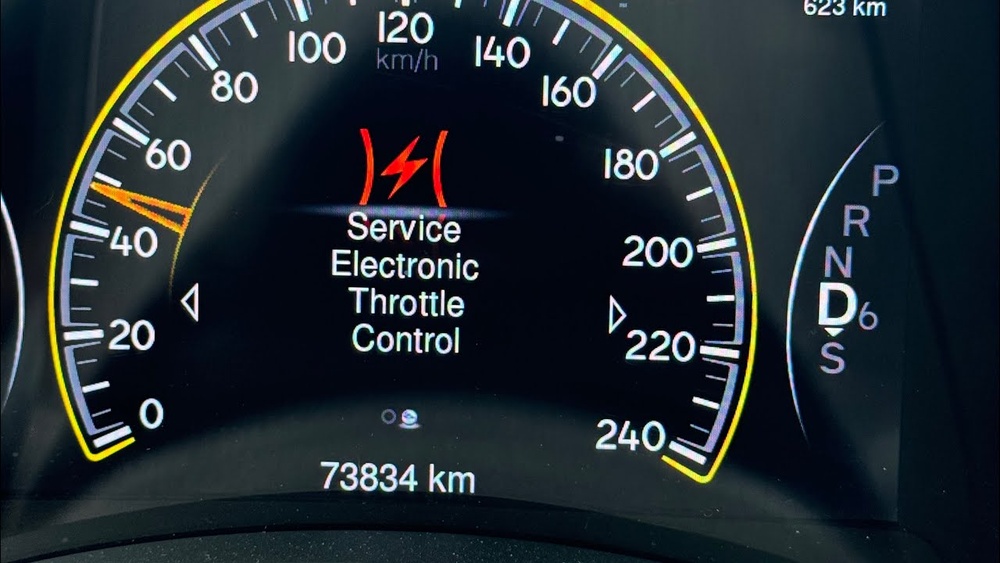
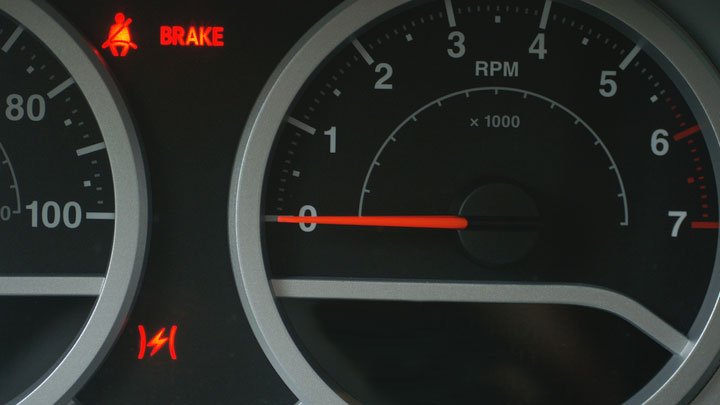
If you’ve just seen the Electronic Throttle Control (ETC) warning light pop up on your Jeep Grand Cherokee’s dashboard, you’re probably wondering what it means and if your vehicle is safe to drive.
This warning light is not something to ignore—it signals that your Jeep’s throttle system isn’t working as it should.
Understanding why this light appears and what actions you need to take can save you from unexpected breakdowns and costly repairs.
You’ll learn the most common causes behind the ETC warning light, what you should do when it comes on, and how to keep your Jeep running smoothly and safely.
Keep reading to make sure you’re fully prepared to handle this issue with confidence.
Electronic Throttle Control Light Basics
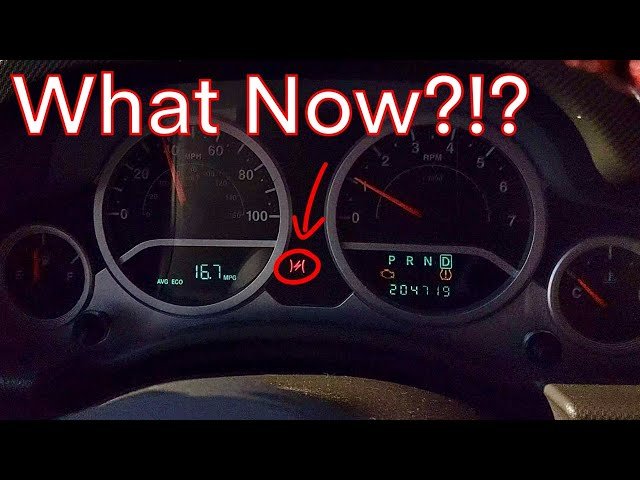
The Electronic Throttle Control (ETC) warning light in a Jeep Grand Cherokee signals an issue with the throttle system. Understanding this light helps you react quickly and keep your vehicle safe. The light can come on for several reasons, but knowing the basics will guide your next steps.
The ETC system controls how your engine receives throttle input. It uses sensors and electronic signals instead of a traditional cable.
This system improves fuel efficiency and engine response. Knowing what the light means and how the system works can prevent bigger problems.
What The Light Means
The ETC warning light means the vehicle’s computer found a problem in the throttle system. It could be a sensor issue, a wiring problem, or a fault in the throttle body.
When this light appears, the car may enter “limp mode.” This mode limits engine power to protect the engine and keep you safe.
Ignoring the light can cause poor engine performance or even stall the vehicle. It is best to check the problem as soon as possible to avoid costly repairs or unsafe driving conditions.
How The System Works
The ETC system uses sensors to detect how far you press the gas pedal. It sends this information to the engine control module (ECM).
The ECM then controls the throttle valve electronically. This replaces the old mechanical link between the pedal and the throttle.
The system constantly monitors the throttle position and adjusts it for smooth acceleration. If the sensors detect a mismatch or fault, the ETC warning light turns on.
The car’s computer then alerts you to the issue so it can be fixed quickly.
Common Causes Of The Warning Light
The Electronic Throttle Control warning light on your Jeep Grand Cherokee signals a problem in the throttle system. This warning light helps alert you before serious damage occurs. Understanding common causes can help you address the issue faster.
Several factors can trigger this warning. The system relies on sensors and electronic components working smoothly.
When these parts fail or malfunction, the warning light appears. Identifying the root cause is key to proper repair.
Faulty Throttle Body And Sensors
The throttle body controls air flow into the engine. Dirt, wear, or mechanical faults can cause it to stick or fail.
Sensors attached to the throttle body also monitor its position. If these sensors give wrong signals, the warning light turns on.
Cleaning or replacing the throttle body often fixes the problem. Sensor replacement may be necessary if they are damaged or worn out.
Accelerator Pedal Position Sensor Issues
This sensor tracks how far you press the gas pedal. It sends this info to the engine computer for proper throttle control.
A faulty accelerator pedal position sensor causes incorrect readings. The vehicle’s computer then triggers the warning light.
Sensor problems can result from wiring issues or sensor failure. Testing and replacing the sensor usually restores normal function.
Blown Fuses And Electrical Problems
The throttle control system depends on electrical circuits and fuses. A blown fuse related to the engine control module or throttle body disrupts communication.
This triggers the warning light and limits throttle response.
Checking and replacing blown fuses is a simple fix. Electrical shorts or wiring damage may also cause issues and need professional attention.
Battery And Alternator Voltage Drops
The throttle system requires steady voltage to work properly. A weak battery or failing alternator causes voltage drops.
These drops lead to erratic sensor signals and trigger the warning light.
Testing the battery and alternator helps spot voltage problems. Replacing a bad battery or alternator often resolves the issue quickly.
Immediate Steps To Take
The Electronic Throttle Control warning light on your Jeep Grand Cherokee signals an issue with your throttle system. Acting fast can prevent more damage and keep you safe.
Follow these immediate steps to address the warning light effectively.
Safe Restart Procedure
First, find a safe place to pull over. Turn off the engine and wait for about two minutes.
This pause allows the vehicle’s electronic systems to reset. Restart the engine and check if the warning light goes off.
This simple step may clear temporary faults without further action.
Battery And Terminal Check
Low voltage can cause the throttle control warning to appear. Open the hood and inspect the battery terminals.
Clean any dirt or corrosion from the terminals. Make sure the connections are tight and secure.
If the battery is weak or old, consider testing or replacing it to avoid future issues.
Using An Obd-ii Scanner For Codes
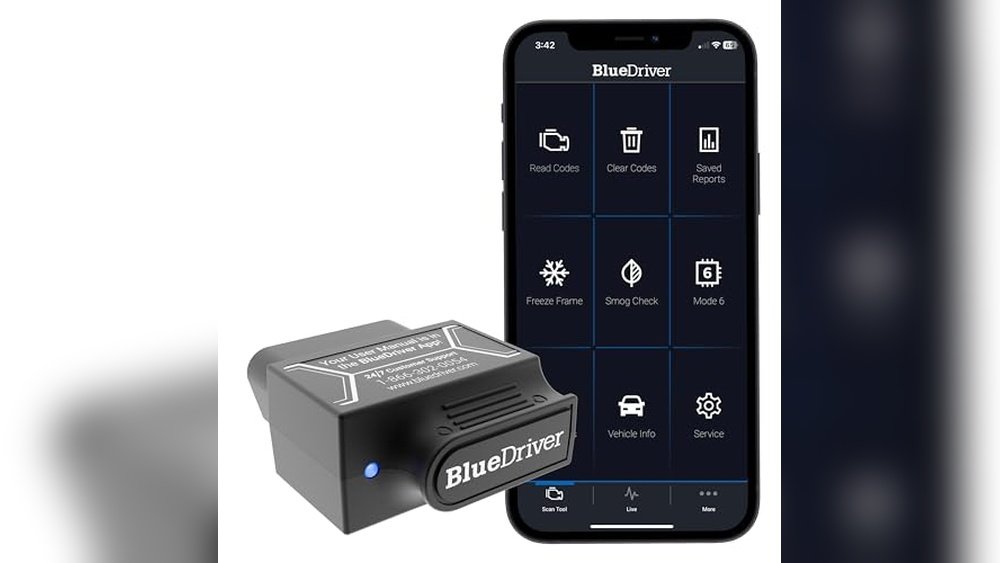
To identify the exact problem, use an OBD-II scanner to read the trouble codes. Plug the scanner into the vehicle’s diagnostic port, usually under the dashboard. The codes will tell you which part needs attention. This tool helps avoid guesswork and guides proper repairs.
Safety Risks And Driving Concerns
The Electronic Throttle Control (ETC) warning light on your Jeep Grand Cherokee signals a problem in the throttle system. This issue affects how the engine receives power from your accelerator pedal.
Safety risks rise when this warning light appears. Understanding these risks helps you stay safe on the road.
The warning light may cause your vehicle to enter limp mode. Limp mode limits engine power to protect the car.
This change can make driving difficult and dangerous, especially in traffic or on highways. Awareness of these driving concerns is vital for every Jeep owner.
Risks Of Ignoring The Warning
Ignoring the ETC warning light can lead to sudden engine power loss. This loss may happen at any time without warning.
It increases the chance of accidents, especially in busy traffic or at high speeds. The throttle system controls acceleration. A malfunction can cause unpredictable vehicle behavior.
Delaying repairs may cause more damage to engine parts. This leads to higher repair costs.
It can also reduce your Jeep’s fuel efficiency. Ignoring the warning puts you and other drivers at risk.
Safe driving requires immediate attention to this issue.
Limp Mode Effects On Performance
Limp mode activates to protect the engine. It restricts throttle response and limits engine speed.
Your Jeep may feel sluggish and hard to accelerate. This mode helps prevent serious damage but reduces driving performance.
In limp mode, the vehicle may struggle to climb hills or merge onto highways. It can also cause jerky or uneven acceleration.
These effects create unsafe driving conditions. Understanding limp mode helps you recognize when to seek help.
Diagnosing And Fixing The Issue
Diagnosing and fixing the Electronic Throttle Control warning light in a Jeep Grand Cherokee requires careful attention. This warning signals an issue with the throttle system that affects your car’s performance.
Identifying the root cause helps prevent further damage and restores safe driving.
Start by checking the throttle body and sensors. These parts often cause the problem if they are dirty or faulty.
Sometimes, electrical issues within the system also trigger the warning light. Each step of diagnosis ensures the right repair approach.
Cleaning Or Replacing The Throttle Body
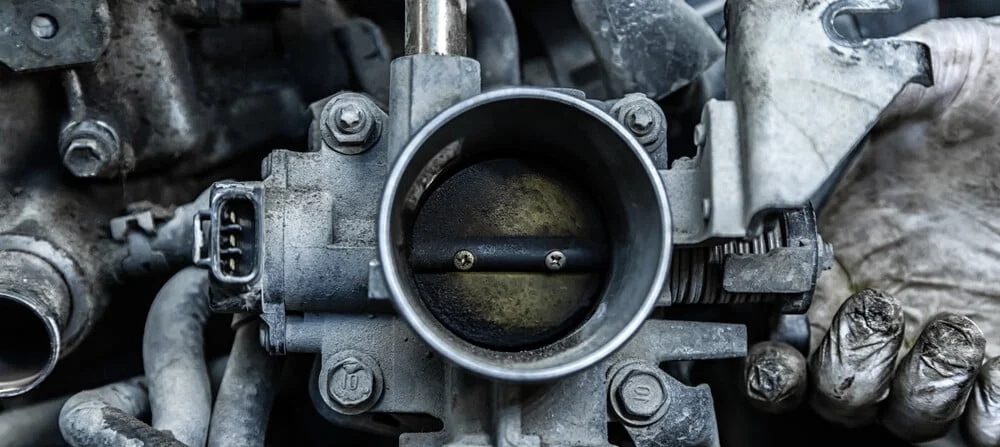
The throttle body controls airflow to the engine. Dirt and carbon buildup can cause it to stick or work unevenly.
Cleaning the throttle body can fix these issues and turn off the warning light. Use a throttle body cleaner and a soft cloth to remove deposits carefully.
If cleaning does not solve the problem, replacing the throttle body might be necessary. A new throttle body restores proper airflow and sensor signals.
This replacement often requires professional installation for the best results.
Sensor Replacement And Calibration
The throttle position sensor measures the angle of the throttle plate. A faulty sensor sends wrong signals to the engine control module.
Replacing the sensor can clear the warning light and improve throttle response.
After replacing sensors, calibrate them using an OBD-II scanner or diagnostic tool. Calibration aligns sensor readings with the engine system.
This step is crucial for smooth operation and avoiding future errors.
Electrical System Inspections
Electrical faults can cause the Electronic Throttle Control warning light to appear. Inspect wiring harnesses, connectors, and fuses related to the throttle system.
Look for loose connections, corrosion, or broken wires.
Battery voltage plays a role too. Low voltage or a failing alternator can cause sensor errors.
Test the battery and charging system to ensure stable power supply. Fixing electrical problems often clears the warning light and restores throttle control.
Cost Estimates For Repairs
Repairing the Electronic Throttle Control warning light issue on a Jeep Grand Cherokee can vary widely in cost. Understanding the typical expenses helps prepare for the repair process.
Costs depend on the specific problem and the parts involved. Some repairs might be simple and affordable.
Others could require more extensive work and higher costs.
Typical Repair Costs
Replacing a faulty throttle body often costs between $300 and $600. Labor fees usually add $100 to $200 to the total.
Cleaning the throttle body or sensor might cost under $100. Fixing wiring or sensor problems can range from $150 to $400.
If the issue involves the accelerator pedal sensor, expect a bill around $200 to $400. Sometimes, a simple software update at the dealership costs about $50 to $100.
Factors Affecting Price
Repair costs change based on labor rates in your area. Dealership repairs are often pricier than independent shops.
The severity of the throttle control issue also matters. More complex problems take longer to fix and cost more.
Genuine OEM parts cost more than aftermarket alternatives. Your vehicle’s model year can affect parts availability and price.
Some repairs need specialized tools or software, adding to the total cost.
Preventive Maintenance Tips
Preventive maintenance helps keep your Jeep Grand Cherokee’s electronic throttle control system healthy. Regular care reduces the risk of the warning light turning on unexpectedly.
It ensures smooth engine performance and better fuel efficiency. Follow simple steps to avoid costly repairs and maintain your vehicle’s reliability.
Regular Battery And Electrical Checks
Check your battery terminals for corrosion or looseness. Clean the terminals if you spot any buildup.
Make sure the battery holds a full charge. Weak batteries can cause voltage drops and trigger the throttle warning light.
Test the alternator to confirm it charges the battery properly. Inspect fuses related to the engine control module and throttle system.
Replace any blown fuses promptly to maintain electrical stability.
Throttle Body Cleaning Schedule
Clean the throttle body every 30,000 miles or as recommended in your owner’s manual. Dirt and carbon buildup can cause the throttle plate to stick or sensors to misread.
Use a throttle body cleaner and a soft brush to remove grime gently. Avoid harsh chemicals that can damage delicate components.
Regular cleaning helps the throttle body respond correctly to your accelerator pedal.
Frequently Asked Questions
What Does Service Electronic Throttle Control Mean On A Jeep Grand Cherokee?
"Service electronic throttle control" on a Jeep Grand Cherokee means the throttle system has a fault. It needs inspection to avoid reduced power or "Limp Mode.
" Common causes include a faulty throttle body, sensor issues, or electrical problems. Prompt service ensures safe driving and proper engine function.
Is It Okay To Drive With An Electronic Throttle Control Light On?
Driving with the electronic throttle control light on is unsafe. It may cause poor acceleration or trigger limp mode.
Stop and diagnose immediately to prevent engine damage.
How Much Does It Cost To Fix The Power Throttle Warning Light On A Jeep Cherokee?
Fixing the power throttle warning light on a Jeep Cherokee typically costs between $150 and $600. Costs vary by issue severity and parts needed.
Common repairs include cleaning or replacing the throttle body or sensors. Diagnostic fees may add to the total expense.
What Does The Throttle Control Warning Light Mean On A Jeep?
The throttle control warning light on a Jeep signals a problem with the electronic throttle system. It may indicate a faulty throttle body, sensor issues, blown fuses, or low battery voltage.
Address the issue promptly to avoid engine damage or limp mode activation.
Conclusion
The Electronic Throttle Control warning light on your Jeep Grand Cherokee signals a throttle system issue. Ignoring it can lead to engine trouble or reduced performance.
Try restarting the vehicle safely and check the battery connections first. Use an OBD-II scanner to read fault codes for a clear diagnosis.
Fixing the problem promptly helps keep your Jeep running smoothly and safely. Don’t delay repairs to avoid costly damage or unsafe driving conditions.
Stay alert to your vehicle’s warning lights for the best care of your Jeep.