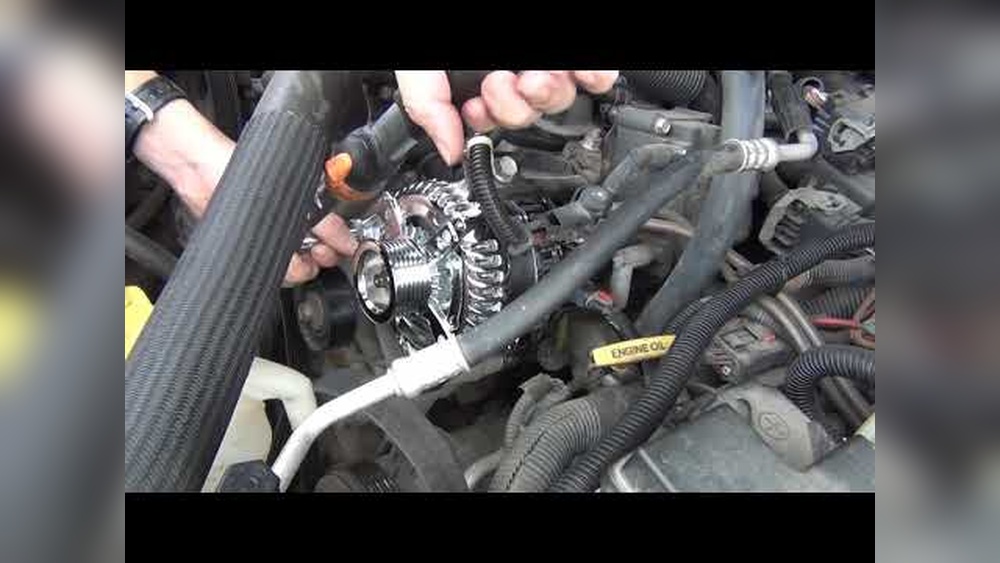
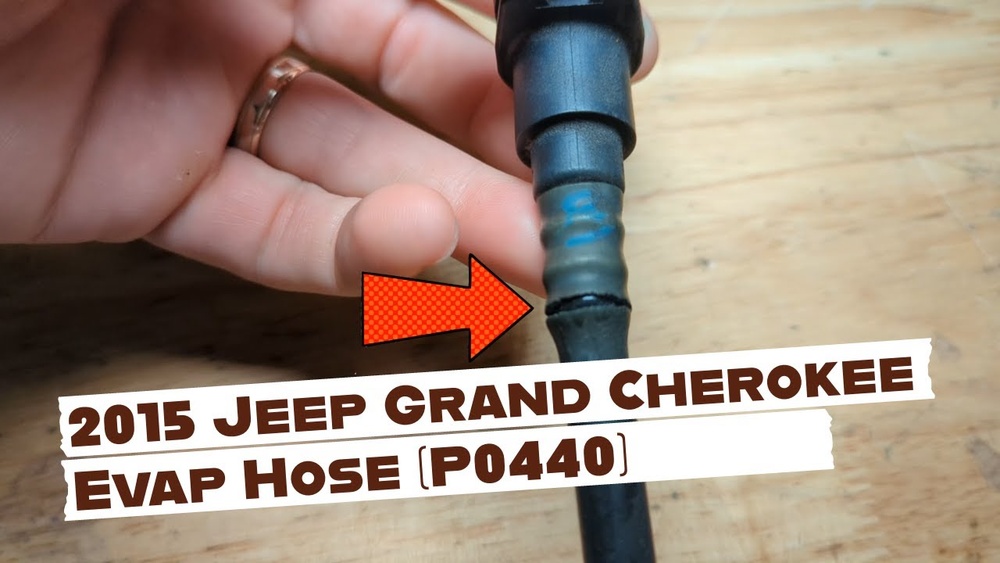
The Electronic Throttle Control (ETC) system in the Jeep Grand Cherokee has changed how drivers experience acceleration and throttle response. This smart system uses electronic signals instead of the traditional cable to control the throttle.
By using sensors and computers, the ETC improves safety, efficiency, and the overall driving feel. But how does this system work, and what should Jeep owners know about it?
Let’s break down the details, highlight common issues, and explain what makes this technology so important.
How Electronic Throttle Control Works
The ETC system, sometimes called “drive-by-wire,” sends electronic signals from the gas pedal to the engine’s throttle body. When you press the accelerator, sensors read the pedal’s position.
The engine control module (ECM) receives this data and tells the throttle plate how much to open.
Key parts of the ETC system include:
- Accelerator pedal sensor: Detects foot pressure and position
- Throttle body with electric motor: Controls air entering the engine
- ECM (Engine Control Module): Processes data and manages throttle opening
This setup allows smoother and faster response compared to old cable systems. It also helps the vehicle manage fuel better and meet emissions standards.
Benefits Of Electronic Throttle Control In Jeep Grand Cherokee
Jeep owners notice several advantages thanks to ETC:
- Improved fuel economy: By adjusting throttle position more precisely, the system helps use less gas.
- Better emissions control: ETC works with other systems to reduce pollution.
- Enhanced safety features: ETC allows for advanced systems like traction control and stability control.
- Smoother driving: Acceleration feels more even and controlled, especially on rough roads.
A unique feature in the Grand Cherokee is its ability to adapt throttle response based on driving conditions. For example, in off-road settings, the ETC can limit throttle to prevent wheel spin.

Common Electronic Throttle Control Problems
While ETC systems are reliable, issues sometimes happen in the Jeep Grand Cherokee. Understanding symptoms can help you act fast:
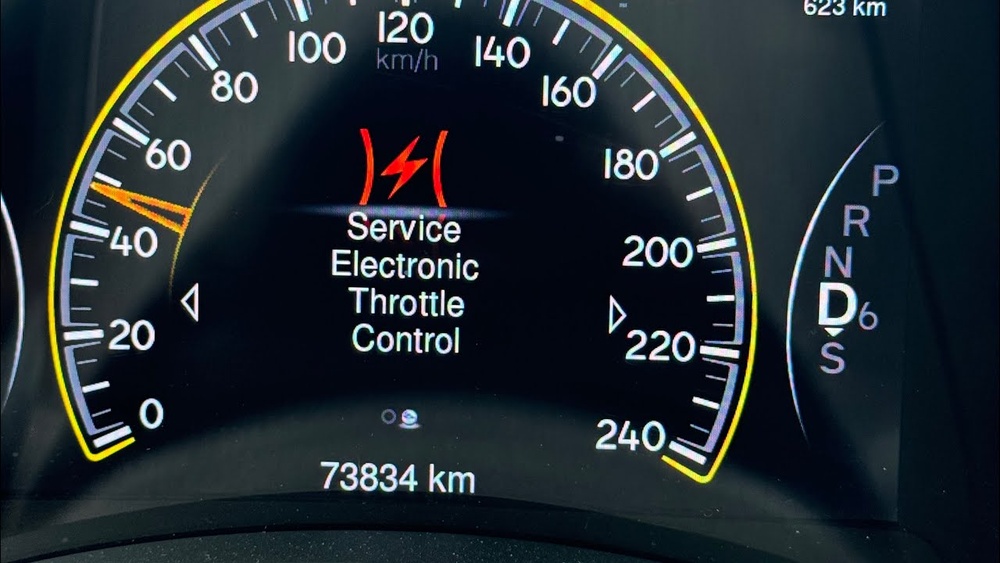
- Throttle warning light: Looks like a lightning bolt on the dashboard. This signals a problem with the ETC.
- Reduced engine power: The vehicle may enter “limp mode” to protect itself.
- Poor acceleration: The throttle may not respond as expected.
- Erratic idle or stalling: The engine might idle roughly or even shut off.
Most problems are caused by faulty sensors, dirty throttle bodies, or loose connections. Regular maintenance helps avoid these issues.
Comparison: Cable Throttle Vs. Electronic Throttle
Here’s how traditional and electronic throttle systems compare:
| Feature | Cable Throttle | Electronic Throttle |
|---|---|---|
| Response Time | Slower | Faster |
| Maintenance | Requires cable checks | Needs sensor cleaning |
| Integration with Safety Systems | Limited | Advanced (traction, stability control) |
Diagnosing And Fixing Etc Issues
When the ETC warning light comes on, it’s important to act quickly. Here’s what to do:
- Pull over safely: If you notice reduced power or warning lights, stop in a safe place.
- Restart the engine: Sometimes, turning the car off and back on can reset the system.
- Check for other warning lights: These can give clues about the problem.
- Scan for error codes: A mechanic can use a diagnostic tool to read trouble codes from the ECM.
Typical fixes may include:
- Cleaning the throttle body
- Replacing a faulty accelerator pedal sensor
- Repairing wiring or connections
Ignoring ETC problems can lead to poor performance or even dangerous driving situations.
Preventive Maintenance Tips
Taking care of your Jeep’s ETC system isn’t hard, but it does require some attention:
- Keep air filters clean: Dirty filters can lead to a clogged throttle body.
- Schedule regular inspections: Have a mechanic check sensors and electrical connections.
- Use quality fuel: Poor-quality gas can cause carbon buildup.
- Watch for warning lights: Never ignore the ETC warning, even if the car seems to drive fine.
Many Jeep dealers offer ETC system checks during routine service visits.
Data: Etc Issues By Jeep Grand Cherokee Model Year
Some years have more reported ETC problems than others. Here’s a quick look:
| Model Year | Reported ETC Issues |
|---|---|
| 2011 | Low |
| 2014 | High |
| 2018 | Moderate |
| 2026 | Low |
Insight: Many drivers overlook that a weak battery can trigger ETC errors. The ETC relies on steady voltage, so always check your battery health if you see warning lights.
Upgrades And Aftermarket Options
Some Jeep Grand Cherokee owners want sharper throttle response or better performance. There are aftermarket “throttle controllers” that can change how the ETC reacts to your pedal input.
These devices don’t add engine power, but they can make the throttle feel more responsive.
Before installing any upgrade, check if it affects your warranty. Some devices may also confuse the vehicle’s computer, so choose products from trusted brands.
Real-world Example
A 2014 Jeep Grand Cherokee owner noticed the throttle warning light and lost power while driving uphill. After stopping, the car would not accelerate normally. A local mechanic found a dirty throttle body and a loose sensor connection. Cleaning and securing these parts fixed the problem. This shows how basic issues can trigger ETC warnings.
Frequently Asked Questions