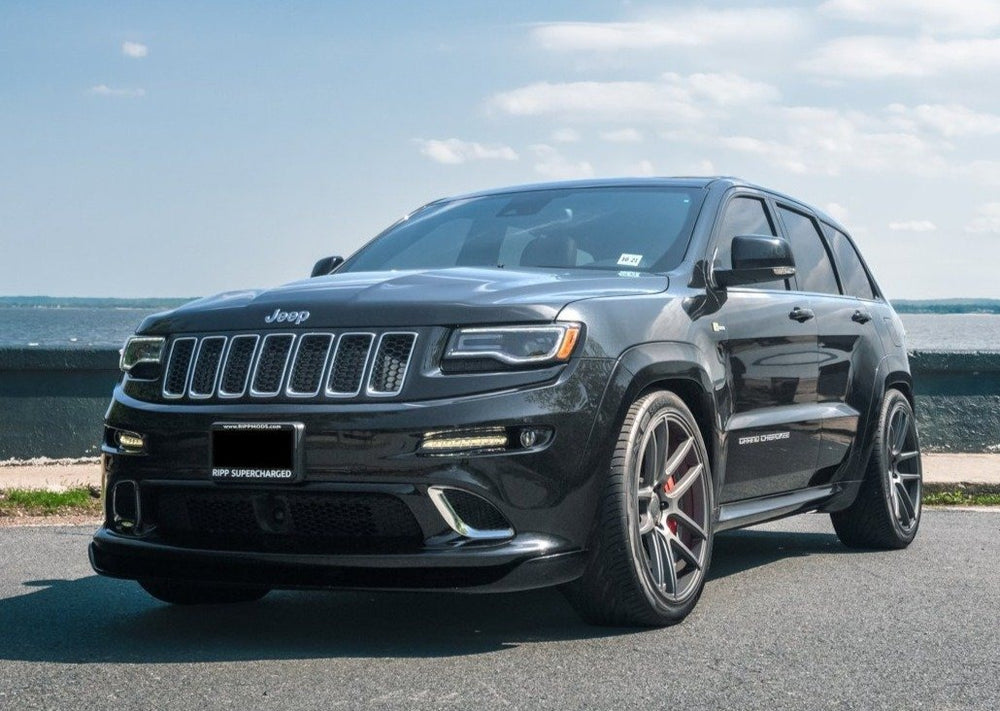
The Jeep Grand Cherokee SRT is a favorite among SUV enthusiasts who crave power and performance. Its bold look and muscular engine attract drivers who want more than just a simple family vehicle.
But a common question often pops up: Does the Jeep SRT have a supercharger? Let’s clear up the confusion, explore how the SRT compares to supercharged SUVs, and see what really makes this Jeep stand out.
Understanding The Jeep Srt’s Engine
First, it’s important to know what powers the Jeep Grand Cherokee SRT. The SRT (Street & Racing Technology) version comes with a 6.4-liter HEMI V8 engine. This naturally aspirated engine produces around 475 horsepower and 470 lb-ft of torque. That’s enough to push the SRT from 0 to 60 mph in about 4.4 seconds—a fast time for a heavy SUV.
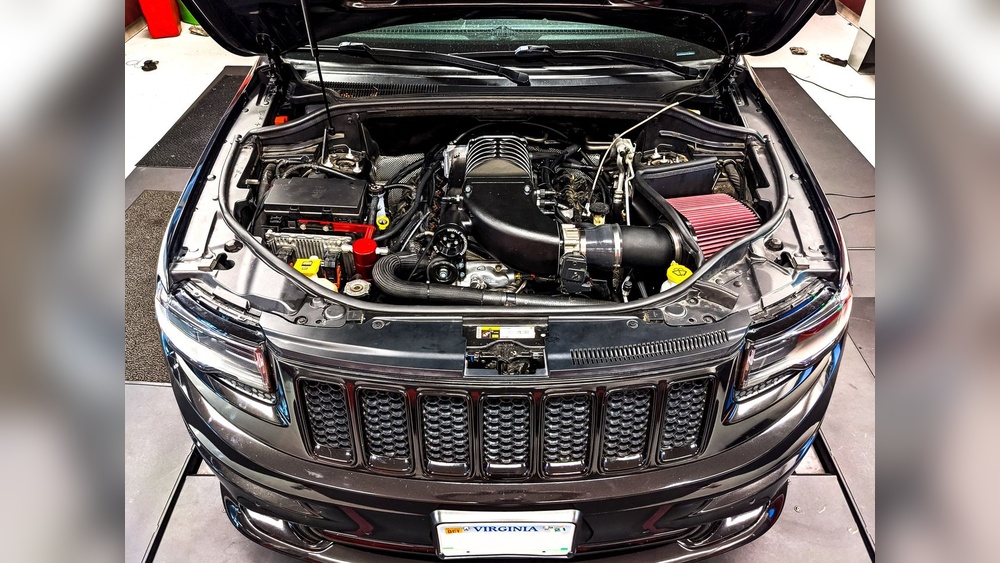
But here’s the key point: The Jeep SRT does not come with a supercharger from the factory. The 6.4-liter HEMI V8 relies on traditional air intake, not forced induction. This means all its power comes from the engine’s size and design, not extra air being pushed in by a supercharger.
What Is A Supercharger And How Does It Work?
A supercharger is a device that forces more air into the engine’s cylinders. More air allows for more fuel to be burned, which boosts power. Superchargers are often used in high-performance cars to get extra horsepower without increasing engine size.
There are two main ways to increase engine power: naturally aspirated (like the SRT’s engine) and forced induction (using a supercharger or turbocharger). Here’s a quick comparison:
| Engine Type | How It Works | Typical Power Gain | Complexity |
|---|---|---|---|
| Naturally Aspirated | Uses atmospheric air only | Lower (per liter) | Simpler, fewer parts |
| Supercharged | Forces extra air into engine | Higher (per liter) | More complex, more parts |
Superchargers give instant power, especially at lower RPMs. This is why they are popular in muscle cars and some high-end SUVs.

Srt Vs. Other Supercharged Jeep Models
While the SRT does not have a supercharger, some other Jeep models do. The best-known example is the Jeep Grand Cherokee Trackhawk. This model uses a 6.2-liter supercharged HEMI V8—the same engine found in the Dodge Hellcat. The Trackhawk’s supercharger helps it produce 707 horsepower and 645 lb-ft of torque.
Here’s a side-by-side look at the SRT and Trackhawk:
| Model | Engine | Supercharger? | Horsepower | 0-60 mph |
|---|---|---|---|---|
| Grand Cherokee SRT | 6.4L HEMI V8 | No | 475 hp | ~4.4 seconds |
| Grand Cherokee Trackhawk | 6.2L Supercharged HEMI V8 | Yes | 707 hp | ~3.5 seconds |
The extra power from the supercharger makes the Trackhawk one of the fastest SUVs you can buy. But the SRT still offers strong performance without the added complexity and maintenance of a supercharger.
Can You Add A Supercharger To A Jeep Srt?
Some owners wonder if they can add a supercharger to their SRT. The answer is yes—aftermarket supercharger kits are available. These kits can boost the SRT’s power well beyond factory numbers, sometimes over 600 horsepower. However, there are important things to consider:
- Warranty Impact: Adding a supercharger may void your factory warranty.
- Cost: Aftermarket kits and installation can be expensive, often $6,000–$10,000 or more.
- Reliability: More power puts extra stress on engine parts, transmission, and cooling systems.
- Tuning Required: The engine’s computer must be tuned to work with the supercharger for safe, reliable performance.
If you’re set on a supercharged Jeep, the Trackhawk is a safer, factory-backed choice. But for those who love to modify, the SRT can be a fun project.
Real-world Performance And Driving Feel
The Jeep SRT is fast and responsive, even without a supercharger. Its naturally aspirated V8 gives a smooth, predictable throttle response. Many drivers prefer this feel because there’s no sudden surge of power—you get strong acceleration all the way through the rev range.
Here are a few real-world impressions from SRT owners:
- The exhaust note is deep and aggressive, making the SRT sound as powerful as it looks.
- The all-wheel-drive system helps put power to the ground, even in poor weather.
- Some owners say the SRT feels more balanced and less twitchy than supercharged models.
One insight many beginners miss: the SRT’s naturally aspirated engine is easier to maintain. There’s no supercharger belt to worry about, and fewer things can go wrong under hard use.
Is A Supercharged Jeep Always Better?
While big horsepower numbers are exciting, a supercharger isn’t always better for every driver. Here are a few reasons why:
- Fuel economy: The SRT already uses a lot of fuel; supercharged engines usually use even more.
- Cost: Supercharged models and upgrades cost more to buy and maintain.
- Insurance: Higher performance can mean higher insurance rates.
Some drivers prefer the SRT’s balance of power, comfort, and reliability. For daily driving, its 475 horsepower is more than enough.
Only serious speed fans will need the extra punch of a supercharger.
Another insight: Factory-tuned, naturally aspirated engines often last longer than modified or supercharged ones. If you plan to keep your Jeep for many years, the SRT might be a smarter long-term choice.