When you look at a Jeep Wrangler, you see a vehicle built for adventure. Its boxy shape, strong tires, and open roof make it popular for off-roading.
But if you want to know how it drives, especially off the road, you need to understand its suspension system. Many people wonder: Does Jeep Wrangler have independent suspension?
The answer is important for both comfort and performance. In this article, you’ll discover the truth about Wrangler’s suspension, how it compares to other systems, and why it matters for your driving experience.
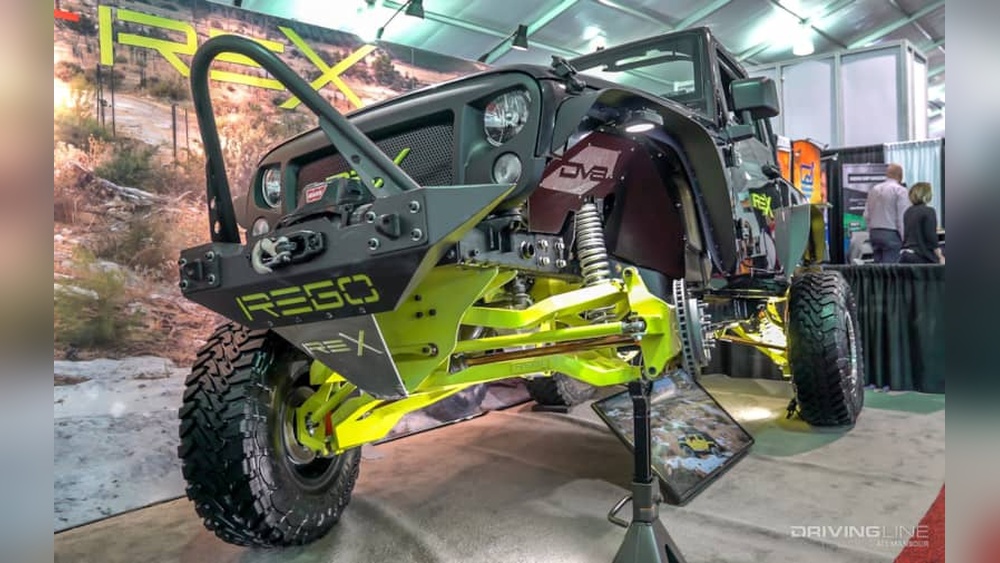
Jeep Wrangler Suspension Basics
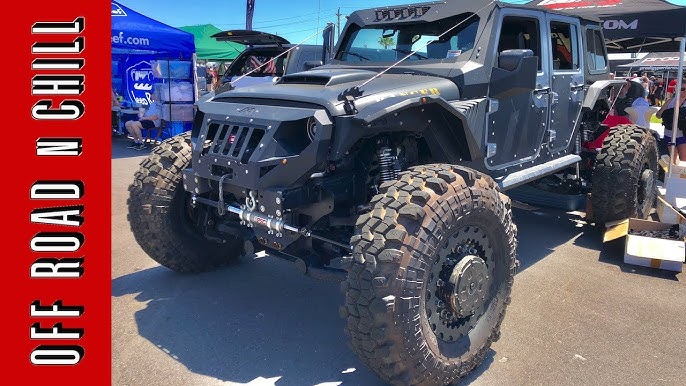
The Jeep Wrangler uses a suspension system called solid axle or live axle. This means the wheels on each axle are connected by a single shaft. When one wheel moves up or down, the other wheel reacts too. It’s different from independent suspension, where each wheel moves separately.
Most Wrangler models, including the popular JK and JL generations, have solid axles both front and rear. This design is part of Wrangler’s DNA. The only exception was the Jeep Wrangler YJ (1987–1995), which had leaf springs, but still not independent suspension.
Key Features Of Wrangler’s Solid Axle Suspension
- Strong and simple design
- Handles rough terrain well
- Easy to upgrade or repair
- Provides high ground clearance
Solid axles are common in vehicles designed for off-road use, like trucks and older SUVs. They help keep the wheels on the ground when driving over rocks, mud, or uneven surfaces.
What Is Independent Suspension?
Independent suspension lets each wheel move up and down without affecting the other wheels. This system is more common in modern cars and SUVs, especially those focused on comfort.
Advantages Of Independent Suspension
- Better ride comfort: Absorbs bumps more smoothly
- Improved handling: Keeps tires in contact with the road
- Lower unsprung weight: Makes the car respond faster
Most family cars and crossovers use independent suspension, often MacPherson strut or multi-link designs. Even some modern SUVs have switched to this system to appeal to buyers who want a smoother ride.
Wrangler Vs. Independent Suspension Suvs
Let’s see how the Jeep Wrangler compares to popular SUVs with independent suspension. The table below shows key differences:
| Model | Front Suspension | Rear Suspension | Off-road Focus |
|---|---|---|---|
| Jeep Wrangler JL | Solid axle (coil spring) | Solid axle (coil spring) | High |
| Toyota 4Runner | Independent (double wishbone) | Solid axle (coil spring) | Medium |
| Ford Bronco | Independent (coil spring) | Independent (coil spring) | High |
| Honda CR-V | Independent (strut) | Independent (multi-link) | Low |
Most Wranglers have solid axles front and rear. Only a few SUVs still use this setup, mainly those focused on serious off-roading.
Why Jeep Sticks To Solid Axles
Jeep keeps using solid axles for the Wrangler because they are tough and reliable. Solid axles are better for:
- Extreme off-roading: More flex and durability
- Lifting: Easier to add bigger tires and suspension kits
- Ground clearance: Fewer parts below the axle, less chance of damage
Independent suspension is better for comfort and on-road handling, but it can be more fragile when pushed on rocks and rough trails.
Real-world Example
If you drive a Wrangler over rocky hills, the solid axle helps keep the wheels planted. This gives you more grip and control.
Independent suspension may feel smoother on city roads, but it can struggle when one wheel drops into a deep hole.
Jeep Wrangler Suspension Evolution
The Wrangler’s suspension has changed over the years, but the solid axle design remains. Here’s a quick look at how it evolved:
| Generation | Years | Front Suspension | Rear Suspension |
|---|---|---|---|
| YJ | 1987–1995 | Solid axle (leaf spring) | Solid axle (leaf spring) |
| TJ | 1997–2006 | Solid axle (coil spring) | Solid axle (coil spring) |
| JK | 2007–2018 | Solid axle (coil spring) | Solid axle (coil spring) |
| JL | 2018–Present | Solid axle (coil spring) | Solid axle (coil spring) |
All Wrangler generations use solid axles. Only the suspension springs changed—from leaf to coil springs—improving ride quality a bit without making it independent.
Common Misconceptions
Many people believe newer Wranglers might have independent suspension, especially since other SUVs are switching. But this is not true. Even the latest Jeep Wrangler JL sticks with solid axles. Some Jeep models, like the Grand Cherokee, use independent suspension, but not the Wrangler.
Another misconception is that solid axles mean a rough, uncomfortable ride. Modern Wranglers with coil springs are much smoother than old models.
Still, they’re not as soft as vehicles with independent suspension.

How Suspension Affects Driving
Your suspension choice affects how the vehicle feels. Here’s a quick comparison:
| Suspension Type | Ride Comfort | Off-road Performance | Handling |
|---|---|---|---|
| Solid axle | Medium | Excellent | Basic |
| Independent | High | Good | Advanced |
Wranglers are not built for luxury. They are made for adventure and tough trails.
If you want smooth city driving, you may prefer a vehicle with independent suspension.
Non-obvious Insights
- Solid axles simplify maintenance. Fewer moving parts means lower repair costs and easier upgrades.
- Aftermarket support is vast. The Wrangler’s solid axle design allows more customization, from lifts to lockers, than most independent systems.

Final Thoughts
The Jeep Wrangler does not have independent suspension. Its solid axle setup is key to its reputation as a true off-road vehicle. While you might sacrifice some comfort on paved roads, you gain strength, durability, and confidence on tough terrain. If your goal is adventure, the Wrangler’s suspension is exactly what you need. For drivers who want a smoother ride, other SUVs may be better. But for those who value rugged capability, the Wrangler’s solid axle is hard to beat. For more details on suspension types, visit the official Jeep Wrangler site.
Frequently Asked Questions
Does The Jeep Wrangler Ever Have Independent Suspension?
No. All Jeep Wrangler generations use solid axles for both front and rear. Only other Jeep models, like the Grand Cherokee, have independent suspension.
Why Doesn’t Jeep Use Independent Suspension In The Wrangler?
Jeep chooses solid axles for the Wrangler because they are stronger for off-road driving, simpler to repair, and better for adding upgrades like lifts and larger tires.
Is The Ride Quality In A Wrangler Worse Than In Independent Suspension Suvs?
Wrangler’s ride is firmer and less smooth on paved roads, but modern coil springs help. Independent suspension SUVs are usually more comfortable for daily driving.
Can You Convert A Wrangler To Independent Suspension?
It’s technically possible, but very difficult and expensive. Most owners prefer the solid axle for off-roading. Converting would lose many Wrangler advantages.
Are There Any Downsides To Solid Axles?
Solid axles can be less comfortable and offer less precise handling on highways. They are heavier, which can affect fuel economy.
For serious off-road use, these are acceptable trade-offs.