The Jeep Wrangler is famous for adventure and off-road power. But as cars add more technology, many drivers now ask, “Does Jeep Wrangler have blind spot detection?”
This question is not just about comfort. It is about safety on busy roads, city streets, and highways.
If you are thinking of buying a Wrangler, or you already have one, you may want to know if it offers this important safety feature.
Let’s explore how blind spot detection works in the Jeep Wrangler, which models and trims have it, and what you need to look out for. This article breaks down the facts so you can make a confident choice.
What Is Blind Spot Detection?
Blind spot detection is a driver-assist technology. It helps you see cars or objects in areas you cannot see with your mirrors alone. Most systems use sensors on the side or rear of the car. When a vehicle enters your blind spot, a warning light appears on your side mirror or A-pillar. Some systems add a beep or steering wheel vibration if you try to change lanes with a car next to you.
This technology has become common in many vehicles. It can help avoid accidents, especially when driving on highways or in heavy traffic.
For tall vehicles like the Jeep Wrangler, blind spots can be larger than in regular cars.
Blind Spot Detection In Jeep Wrangler
Not every Wrangler has blind spot detection. The answer depends on model year and trim level. Here’s a quick breakdown.
| Model Year | Blind Spot Detection Standard? | Available as Option? |
|---|---|---|
| 2018 & earlier | No | No |
| 2019–2026 | On higher trims | Yes (Safety Group package) |
Wrangler Jl (2018–present)
The Wrangler JL, launched in late 2017 for the 2018 model year, first brought advanced safety tech to the Wrangler. However, blind spot monitoring was not available on the base trims. It appeared as an option or standard feature on higher trims.
- Sport/Sport S: No blind spot detection by default. You could add it with the optional Safety Group package (from 2019 onward).
- Sahara/Rubicon: Available with the Safety Group. Sometimes standard on top trims in later years.
Safety Group Package
The Safety Group is an option package on most Wranglers. It includes:
- Blind Spot Monitoring
- Rear Cross Path Detection
- LED taillamps
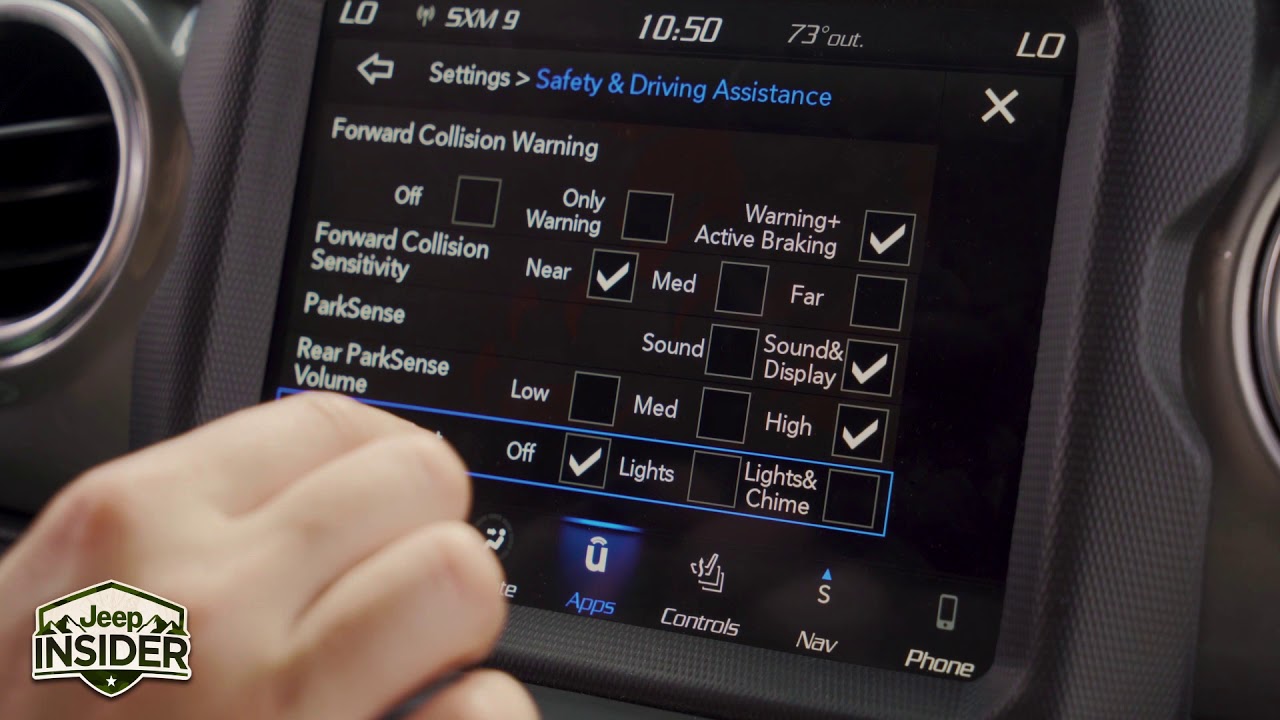
- ParkSense Rear Park Assist
The price for this group is usually between $995 and $1,195, depending on the year and trim.
Standard Equipment On Top Trims
In recent years (2026–2026), some luxury trims like High Altitude or Rubicon 392 may have blind spot detection as a standard feature. However, always check the specific model year and trim details before buying.

How Jeep Wrangler’s Blind Spot Detection Works
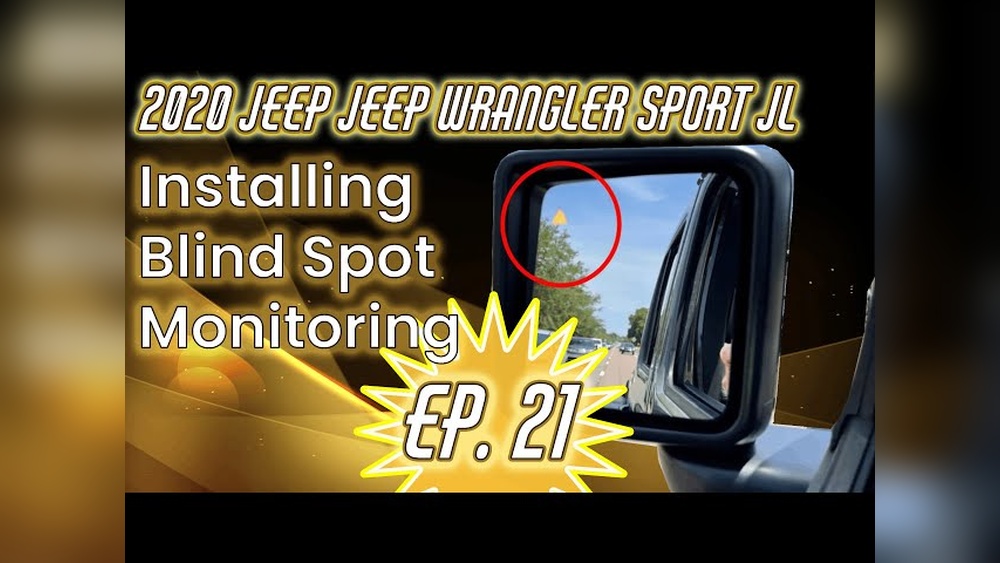
Wrangler uses radar sensors in the rear corners. If another vehicle enters your blind spot, a small warning light glows on your side mirror. If you signal to change lanes while a car is detected, you may hear a chime.
| Feature | How It Works |
|---|---|
| Warning Light | Lights up on side mirror when car is in blind spot |
| Audible Alert | Chime sounds if you signal to change lanes with car in blind spot |
| Rear Cross Path | Warns you if cars or people cross behind while in reverse |
Which Wrangler Models Have Blind Spot Detection?
Here’s a quick guide for recent model years:
- 2018 Wrangler JL: No blind spot detection.
- 2019–2026 Wrangler: Available with Safety Group on most trims.
- Rubicon/Sahara/High Altitude: Often equipped, but check the specific vehicle.
- Wrangler 4xe (Hybrid): Blind spot detection is available with Safety Group.
- Wrangler 392: Usually standard.
The older JK generation (before 2018) does not have this feature.
Why Blind Spot Detection Matters For Jeep Wrangler Drivers
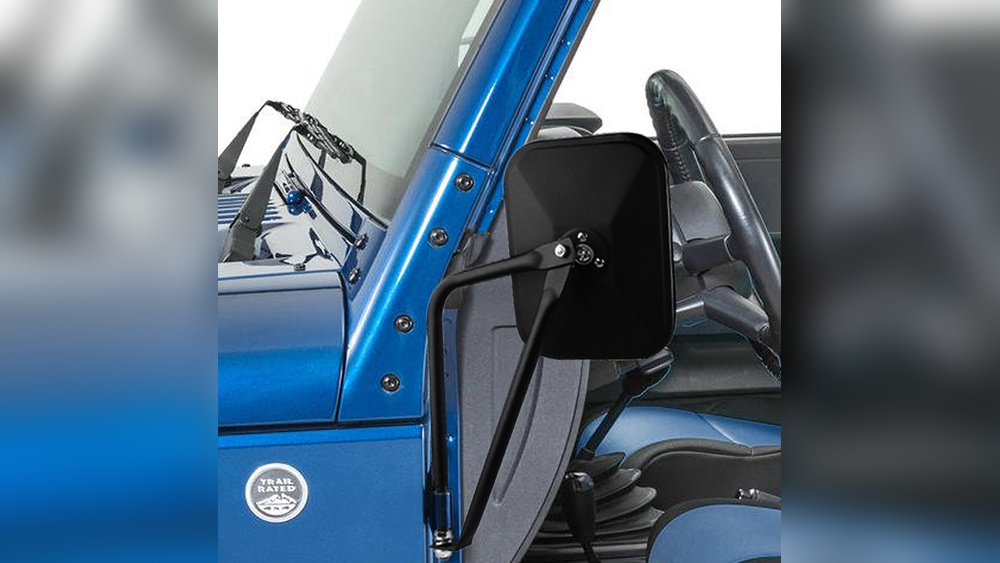
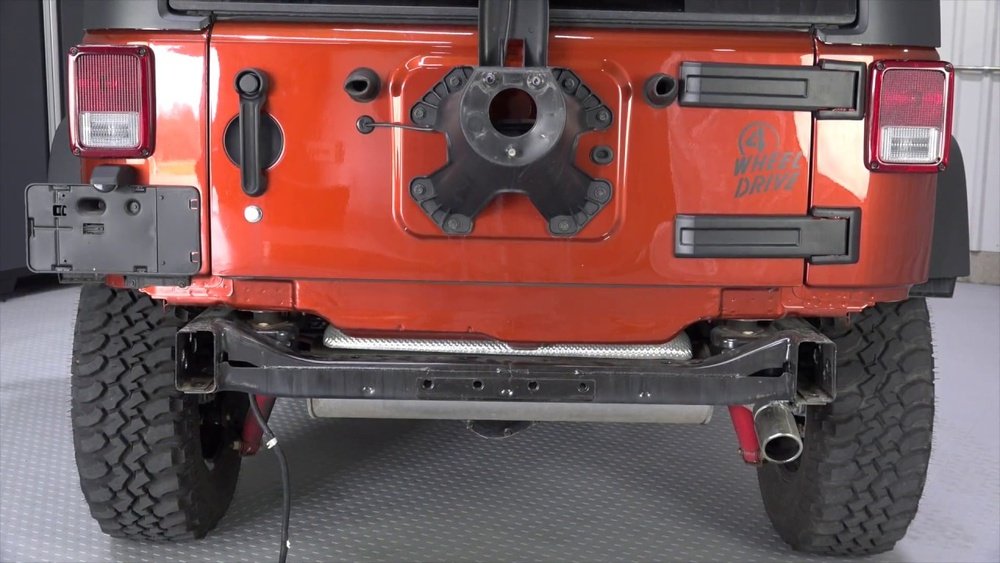
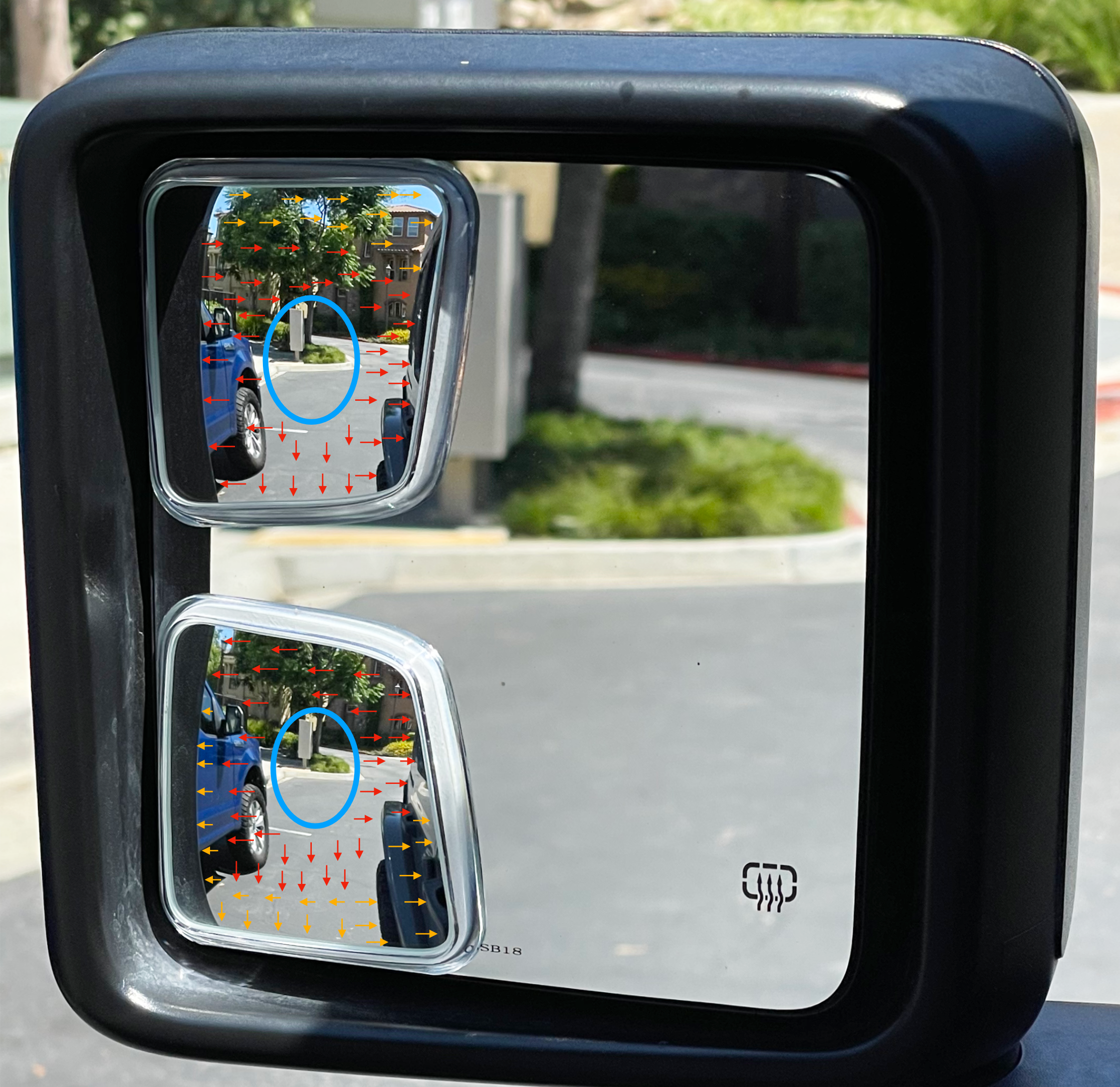
The Wrangler has a boxy shape and removable doors. These create larger blind spots compared to many cars. Tall windows and spare tire on the back can also block your view. If you add larger tires or gear racks, blind spots get even bigger.
Blind spot detection is especially helpful when:
- Driving on highways
- Changing lanes in city traffic
- Towing trailers
- Carrying large cargo
Many Wrangler owners do not realize how much more difficult it can be to see around their vehicle, especially after adding aftermarket parts. Blind spot monitoring is a smart upgrade for daily driving safety.
Common Myths And Mistakes
Some drivers think all new cars automatically have blind spot detection. This is not true for the Wrangler.
It’s an option, not a standard feature on all trims. Another common mistake is assuming aftermarket kits are just as good.
Most aftermarket systems do not match the accuracy of factory-installed sensors.
Some owners also forget that blind spot monitoring does not replace careful driving. Always check mirrors and look over your shoulder before changing lanes.
Comparing Wrangler To Competitors
How does the Jeep Wrangler’s blind spot tech compare to other popular SUVs?
| Model | Blind Spot Standard? | Available as Option? |
|---|---|---|
| Jeep Wrangler | No (except on top trims) | Yes (Safety Group) |
| Ford Bronco | No (except on top trims) | Yes |
| Toyota 4Runner | No | Yes (higher trims) |
| Subaru Outback | Yes (most trims) | N/A |
As you can see, the Wrangler is similar to other rugged SUVs. Blind spot detection is not always standard, but it is available if you choose the right package.
Is Blind Spot Detection Worth It?
For most drivers, the answer is yes. The National Highway Traffic Safety Administration says over 800,000 lane-change crashes happen each year in the US. Blind spot detection can reduce these crashes by up to 14%. On a Wrangler, with bigger blind spots, the benefit is even greater.
It is also a good investment for resale value. Many buyers now expect advanced safety features, even on adventure vehicles like the Wrangler.
If you plan to keep your Wrangler for many years or use it as a daily driver, adding the Safety Group package is a smart choice.