For many Jeep owners, knowing which fuel to use is important for performance, safety, and cost. If you’ve wondered whether your Jeep takes regular gas, you’re not alone. With different models, engines, and trims, the answer isn’t always simple. This guide breaks down the facts, model differences, and expert advice so you can choose the right gas for your Jeep.
Meta description:
Do Jeeps take regular gas? Learn which Jeep models use regular, premium, or diesel fuel and get clear advice for your engine, trim, and driving needs.
Jeep Fuel Types: The Basics
Most Jeeps are designed to run on regular unleaded gasoline. However, there are exceptions depending on the model year, engine, and trim.
- Regular gas usually means 87 octane.
- Premium gas is 91 or higher octane.
- Diesel is only for certain models.
If you drive a standard Jeep Wrangler, Grand Cherokee, or Cherokee, regular gas is often recommended. But, some high-performance trims need premium or diesel.
Model Year And Engine Differences
Jeep has produced many models and platforms over the years. Here’s how fuel recommendations vary by model and engine.
Classic Jeep Platforms
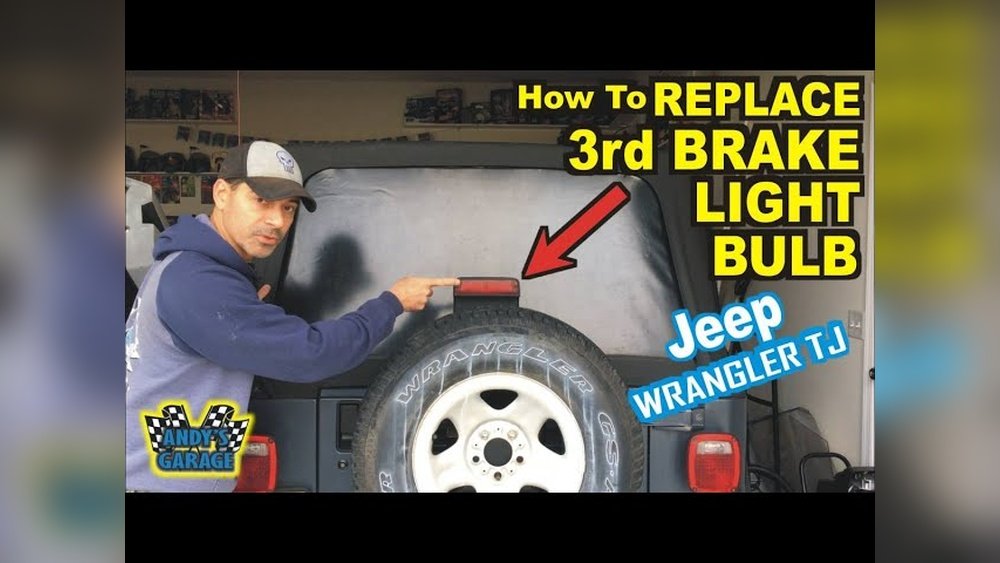
- Jeep TJ (1997-2006): Most TJ Wranglers use regular gas (87 octane).
- Jeep XJ (1984-2001): The Cherokee XJ’s 4.0L engine is best with regular gas.
Modern Jeep Platforms
- Jeep JK (2007-2018): Both 3.6L Pentastar and 3.8L engines run on regular gas.
- Jeep JL (2018-present): Most JL engines take regular gas. The 2.0L turbo may benefit from premium, but regular is acceptable.
- Jeep WK/WL Grand Cherokee (2005-present):
- WK (2005-2010): Regular gas for most trims.
- WK2 (2011-2021): Regular gas for V6, premium for SRT and Trackhawk.
- WL (2021-present): Regular for base engines, premium for 4xe plug-in hybrid and V8.
Performance And Specialty Models
- Jeep Grand Cherokee SRT/Trackhawk: Requires premium gas for best performance.
- Jeep Gladiator: Regular gas for most trims, but diesel options require diesel fuel.

Comparing Jeep Fuel Requirements
Here’s a quick overview of common Jeep models and their recommended fuel:
| Model | Engine | Recommended Fuel | Notes |
|---|---|---|---|
| Wrangler JK | 3.6L V6 | Regular (87 octane) | All trims |
| Wrangler JL | 2.0L Turbo | Regular or Premium | Premium for max power |
| Grand Cherokee WK2 | 5.7L V8 | Regular | Except SRT/Trackhawk |
| Grand Cherokee SRT | 6.4L V8 | Premium (91+ octane) | Required |
| Gladiator | 3.6L V6 | Regular | Diesel trims use diesel |
Why Does Fuel Choice Matter?
The type of gas you use affects:
- Engine life: Using the wrong fuel can cause knocking and damage.
- Performance: Premium gas may boost horsepower in turbo and high-performance engines.
- Cost: Regular gas is cheaper; premium can be up to 20% more expensive.
- Safety: Incorrect fuel can trigger engine warning lights.
Non-obvious Insight
Some Jeep turbo engines (like the JL’s 2. 0L) will run on regular gas, but they may lose power and efficiency. Many owners skip premium to save money, but regular use of 87 octane can result in sluggish performance over time.
Towing, Transmission, And Safety Impacts
If you tow heavy loads or drive in extreme conditions, your fuel choice is even more important.
- Towing: Engines under stress (like towing) may knock with low-octane fuel. Use premium if the manual suggests it.
- Transmission: Jeep’s automatic transmissions are tuned for regular gas, but performance models may shift better with premium.
- Safety: Always check your Jeep’s owner manual for exact fuel recommendations.
Towing Capacity Comparison
For drivers who tow, here’s how fuel and engine affect towing limits:
| Jeep Model | Engine | Fuel | Towing Capacity |
|---|---|---|---|
| Wrangler JL | 3.6L V6 | Regular | 3,500 lbs |
| Wrangler JL | 2.0L Turbo | Premium recommended | 3,500 lbs |
| Grand Cherokee WK2 | 5.7L V8 | Regular | 7,200 lbs |
| Grand Cherokee SRT | 6.4L V8 | Premium required | 7,200 lbs |
| Gladiator Diesel | 3.0L EcoDiesel | Diesel | 6,000 lbs |
How To Find Your Jeep’s Fuel Type
- Check the fuel cap: Most Jeeps say “unleaded gasoline only.”
- Look in the owner’s manual: It lists recommended octane and fuel type.
- Ask your dealer: Dealers have specs for each model and trim.
- Online sources: Jeep forums and Jeep’s official site are reliable.
If you’re unsure, always use regular gas unless your Jeep is a performance or diesel model.
Common Mistakes Jeep Owners Make
- Using premium gas when not needed.
- Ignoring the manual’s recommendation.
- Filling a diesel Jeep with regular gas (can cause major damage).
- Assuming all Jeeps use the same fuel.
Non-obvious Insight
Jeep’s 4xe plug-in hybrid models require premium gas for the best battery performance. Many owners miss this detail and use regular gas, which lowers efficiency.
Practical Tips For Jeep Owners
- Save money: Only use premium if your engine needs it.
- Avoid engine issues: If you hear knocking, switch to higher octane.
- Towing: Use premium when towing heavy loads, even if regular is recommended.
- Diesel: Never mix diesel and gasoline. It can ruin your engine.
- Check compatibility: If you upgrade your Jeep’s engine or add performance parts, review fuel needs.
Frequently Asked Questions
Can I Use Regular Gas In My Jeep Wrangler?
Yes, most Wrangler JK and JL models use regular gas. The 2.0L turbo can use premium, but regular is acceptable.
It won’t harm your engine, but you won’t get better performance. You’ll just spend more money.
Do Diesel Jeep Models Take Regular Gas?
No. Diesel models like the Jeep Gladiator EcoDiesel require diesel fuel only. Using regular gas can cause serious damage.
If your Jeep manual suggests premium for towing, use it. Otherwise, regular gas is fine for most engines unless you hear knocking.
Where Can I Find Jeep’s Official Fuel Recommendations?
Check your owner’s manual or visit Jeep’s official site for up-to-date information.
Final Thoughts
Most Jeep owners can confidently use regular gas in their vehicle. However, always check your model’s requirements, especially for performance or diesel trims. Using the right fuel keeps your Jeep running smoothly, saves money, and protects your engine. If you have doubts, consult your manual or dealer before filling up.
Suggested internal links:
- Jeep Wrangler engine guide
- How to boost Jeep towing capacity
- Jeep Grand Cherokee maintenance tips