Many people who love cars or off-roading have heard a joke that Jeep stands for Just Enough Essential Parts. It sounds catchy and sticks in your mind. But is there any truth behind this phrase? Or is it just a fun play on words that has taken on a life of its own? Let’s dive into the real story of the Jeep name, where the “Just Enough Essential Parts” saying comes from, and what it really says about these famous vehicles.
The Real Origin Of The Jeep Name
The brand Jeep has a history that goes back to the 1940s. During World War II, the U.S. military needed a small, tough, all-terrain vehicle for soldiers. Two companies, Willys-Overland and Ford, built prototypes called the Willys MB and Ford GPW.
There are two main ideas about how the name “Jeep” came to be:
- Some believe it came from the military term “G.P.,” which meant “General Purpose” vehicle. When spoken quickly, “G.P.” sounds like “Jeep.”
- Others say the name was inspired by “Eugene the Jeep,” a magical animal from the Popeye comic strip, popular in the 1930s.
While there’s no official record of “Jeep” meaning “Just Enough Essential Parts,” the word “Jeep” stuck because it was short, easy to say, and soon became linked with rugged, reliable vehicles.
Where Did “just Enough Essential Parts” Come From?
The phrase Just Enough Essential Parts is not an official slogan from Jeep or its parent companies. Instead, it grew as a joke among drivers and mechanics.
Here’s why:
- Early Jeeps were designed to be simple and practical. They had only what was needed to get the job done.
- Some owners noticed that Jeeps often lacked extra features found in other vehicles, like air conditioning, power windows, or fancy dashboards.
- The phrase became popular as a light-hearted way to talk about the Jeep’s basic design and sometimes about mechanical issues.
You’ll find this joke mostly on car forums, T-shirts, and memes. It’s not found in any official Jeep marketing or documents.

Is There Truth In “just Enough Essential Parts”?
Let’s look at whether the saying fits the actual design of Jeeps, both old and new.
Early Jeep Models: Built For Purpose
World War II Jeeps had a basic design for a reason:
- Low weight: Easier to transport and repair.
- Simple mechanics: Soldiers could fix them with basic tools.
- Few extras: No radios, no air conditioning, and very little comfort.
This made Jeeps reliable on the battlefield. In a way, they really did have “just enough essential parts. ”
Modern Jeeps: More Features, Same Spirit
Today’s Jeeps, like the Wrangler and Grand Cherokee, offer:
- Advanced safety systems
- Touchscreen displays
- Heated seats and steering wheels
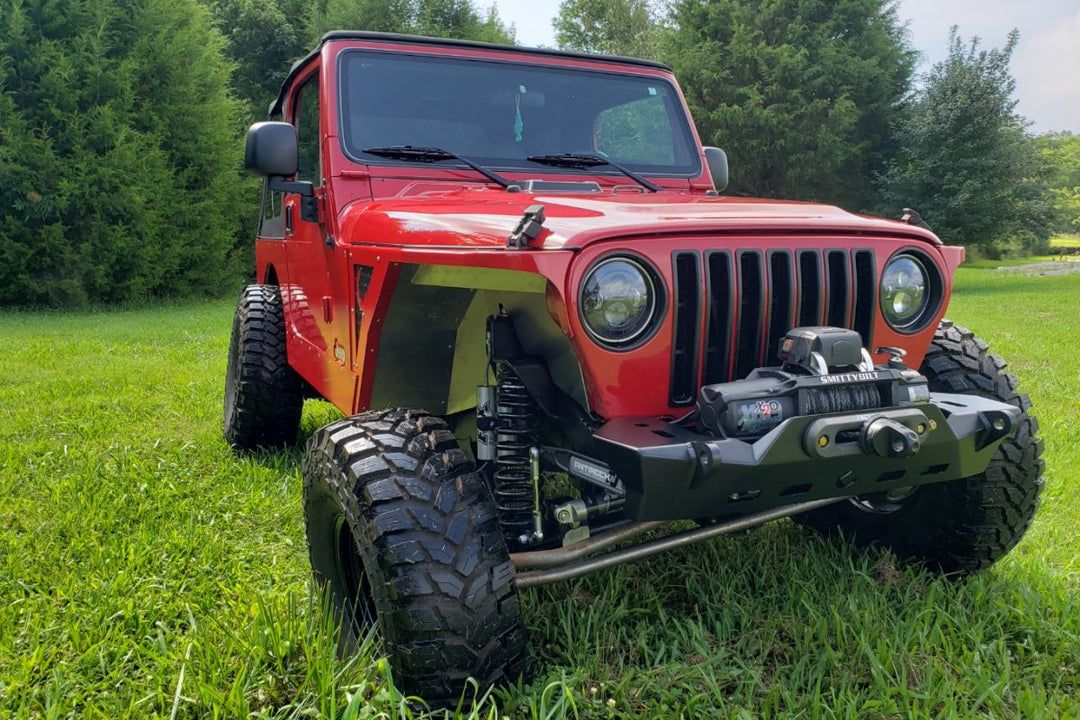
But even now, some Jeep models (especially the Wrangler) keep a simple, rugged design. They are still easy to work on and made for off-road use.
Here’s a quick look at how features have changed:
| Model Year | Main Features | Focus |
|---|---|---|
| 1941 (Willys MB) | Manual transmission, basic seats, no roof | Utility, reliability |
| 2024 (Wrangler) | Touchscreen, airbags, power windows | Comfort, technology, off-road |
Why The Joke Endures
The “Just Enough Essential Parts” phrase keeps popping up for a few reasons:
- Jeep owners often fix and upgrade their vehicles themselves. Simple designs make repairs easier.
- Some older models had reliability issues, so the joke fits their experience.
- It’s a way for the Jeep community to laugh about small problems, like electrical quirks or rattling doors.
But it’s important to know this is all said with affection. Most Jeep fans are proud of their vehicles’ history and design.

Common Myths And Facts About Jeep Reliability
Some people believe the phrase suggests Jeeps are low-quality. Is that true?
Let’s compare Jeep to other popular SUV brands using reliability ratings.
| Brand | Average Reliability Score (out of 5) | Typical Problems |
|---|---|---|
| Jeep | 3.0 | Electrical, suspension |
| Toyota | 4.5 | Minor electronics |
| Ford | 3.5 | Transmission, electronics |
Jeep is not the most reliable brand, but it’s not the worst either. Many owners say their Jeeps last a long time with good care.
Why Simplicity Matters In Off-road Vehicles
One thing beginners often miss is that simplicity can be a huge advantage for off-road vehicles. Here’s why:
- Easier repairs: Fewer electronics and simple parts make field fixes possible.
- Customization: Owners can add or swap parts for their needs.
- Less to break: With fewer features, there are fewer things that can fail in tough conditions.
This is one reason the Jeep Wrangler is still one of the world’s top choices for off-roading, even as other SUVs add more complex features.
Comparing Jeep With Modern Suvs
Let’s see how Jeep stacks up against other modern SUVs in terms of features and design focus.
| Vehicle | Design Focus | Main Features |
|---|---|---|
| Jeep Wrangler | Off-road, ruggedness | Solid axles, removable roof, manual 4×4 |
| Honda CR-V | Comfort, city driving | Advanced safety, smooth ride |
| Subaru Outback | All-weather, family use | All-wheel drive, driver assist |
The Jeep’s focus on off-road ability explains why it sometimes has fewer “luxury” features than its rivals.
The Bottom Line
So, does Jeep really stand for Just Enough Essential Parts? Not officially. It’s a playful phrase born from the brand’s history and community. While early Jeeps were indeed basic, today’s models offer much more comfort and technology. Still, the spirit of simplicity and ruggedness lives on, especially in vehicles like the Wrangler.
If you enjoy a car that’s easy to fix, fun to drive off-road, and has a strong community, a Jeep might be perfect for you. Just remember: every brand and model has its pros and cons. The most important part is choosing a vehicle that fits your needs.
For more about the history of Jeep, you can check the official Jeep Wikipedia page.
Frequently Asked Questions
Does Jeep Officially Stand For Just Enough Essential Parts?
No, Jeep does not officially stand for “Just Enough Essential Parts.” It’s a joke made by fans and isn’t used by the company.
Where Did The Word “jeep” Come From?
Most experts believe “Jeep” comes from the military term “G. P.
” for “General Purpose” vehicle, or possibly from a character in a 1930s comic strip.
Are Jeeps Less Reliable Because They Have Fewer Parts?
Not exactly. Some older Jeeps had issues, but the simple design can make them easier to repair.
Reliability depends on the model and how it’s maintained.
Do All Jeeps Have A Basic Interior?
No. Modern Jeeps like the Grand Cherokee have many luxury features.
The Wrangler and Gladiator are more basic, but you can still add options.
Is “just Enough Essential Parts” A Negative Thing?
Not for most fans. It’s usually said with pride, showing that Jeeps are built for tough conditions and easy repairs, not just for looks or comfort.