Many people love the adventure and rugged style of Jeep vehicles, but not everyone wants to own one for the long term. If you’re curious about flexible ways to drive a Jeep without buying, you might wonder: Does Jeep have a lease program?
The answer is yes, and there’s more to know than you might expect. Let’s explore how Jeep’s lease program works, what it offers, and how it compares with buying or other brands’ programs.
How Jeep’s Lease Program Works
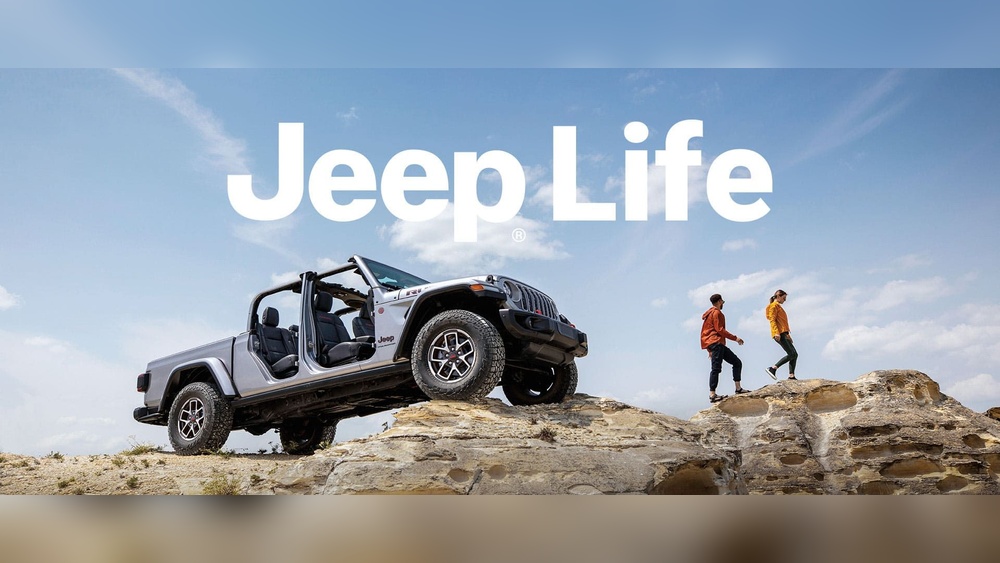
Jeep’s official lease program is available through Jeep dealerships across the United States. The program is managed by Chrysler Capital, the financial arm of Jeep’s parent company. Leasing lets you drive a new Jeep for a set time—usually 24, 36, or 48 months—while making monthly payments.
At the end of the lease, you return the vehicle or can choose to buy it at a pre-set price. This is called the residual value.
Key Lease Features
- Low upfront cost: Leases often need less money down than buying.
- Lower monthly payments: Payments are usually smaller compared to loans for buying.
- Mileage limits: Most leases allow 10,000–15,000 miles per year.
- Warranty coverage: Most repairs are covered by the factory warranty during the lease.
Example: Leasing A Jeep Wrangler
Suppose you lease a 2024 Jeep Wrangler Sport for 36 months. With $3,000 down and a 12,000-mile annual limit, your monthly payment might be around $399 (as of early 2024). Offers change by region and credit score, so always check with your local dealer.
Lease Vs. Buy: A Quick Comparison
Leasing and buying each have strong points. Here’s a side-by-side look:
| Feature | Leasing | Buying |
|---|---|---|
| Monthly Payments | Usually lower | Usually higher |
| Ownership | No (unless you buy at lease end) | Yes |
| Mileage Limits | Yes (fees for going over) | No limits |
| Wear & Tear Fees | Possible at lease return | No fees |
| Flexibility | Easy to upgrade every few years | Own for as long as you want |
If you like new cars and lower payments, leasing makes sense. If you want long-term value and no restrictions, buying is better.
Who Should Consider Leasing A Jeep?
Leasing is not for everyone. It fits best if you:
- Drive under 15,000 miles per year
- Want a new vehicle every 2–3 years
- Prefer lower monthly payments
- Keep your car in excellent condition
Leasing is less ideal if you drive a lot, plan to customize your Jeep, or want to avoid mileage and wear fees.
Jeep Lease Program Highlights
Jeep’s lease program offers some unique advantages. Here’s what stands out:
| Benefit | Details |
|---|---|
| Wide Model Choice | Wrangler, Grand Cherokee, Compass, Gladiator, and more |
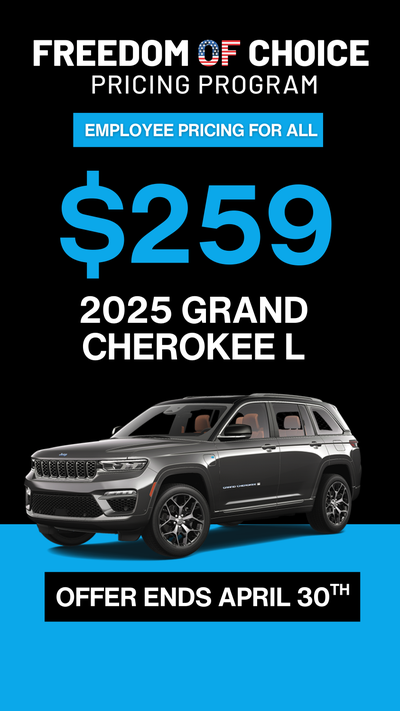
| Special Lease Deals | Discounted payments, low down payments, and loyalty bonuses |
| Easy Lease-End Options | Return, buy, or lease a new Jeep |
| Warranty Coverage | Most repairs covered by Jeep’s bumper-to-bumper warranty |
Many dealers also offer lease pull-ahead programs. This lets you end your lease early if you start a new lease with Jeep.
Comparing Jeep’s Lease Program With Other Brands
How does Jeep measure up against other brands like Toyota or Ford?
| Brand | Typical Lease Term | Down Payment Range | Popular Models Available |
|---|---|---|---|
| Jeep | 24–48 months | $2,500–$4,000 | Wrangler, Grand Cherokee, Compass |
| Toyota | 24–36 months | $2,000–$3,500 | RAV4, Highlander, Tacoma |
| Ford | 24–39 months | $2,000–$4,000 | Bronco, Explorer, F-150 |
Jeep’s lease deals are similar to other major brands, but Jeep’s off-road focus and strong resale values can make their leases more attractive if you want an adventurous SUV.
Common Mistakes To Avoid When Leasing A Jeep
Many first-time lessees make costly errors. Here are two that often surprise people:
- Ignoring mileage limits: If you go over your allowed miles, fees can be 15–25 cents per mile. For example, 2,000 extra miles could cost $300–$500.
- Skipping wear and tear inspections: Small dents or scratches may bring fees at lease end. Always fix issues before returning the Jeep.
It’s smart to ask the dealer for a copy of all lease terms before signing. Sometimes, extra fees are hidden in the fine print.
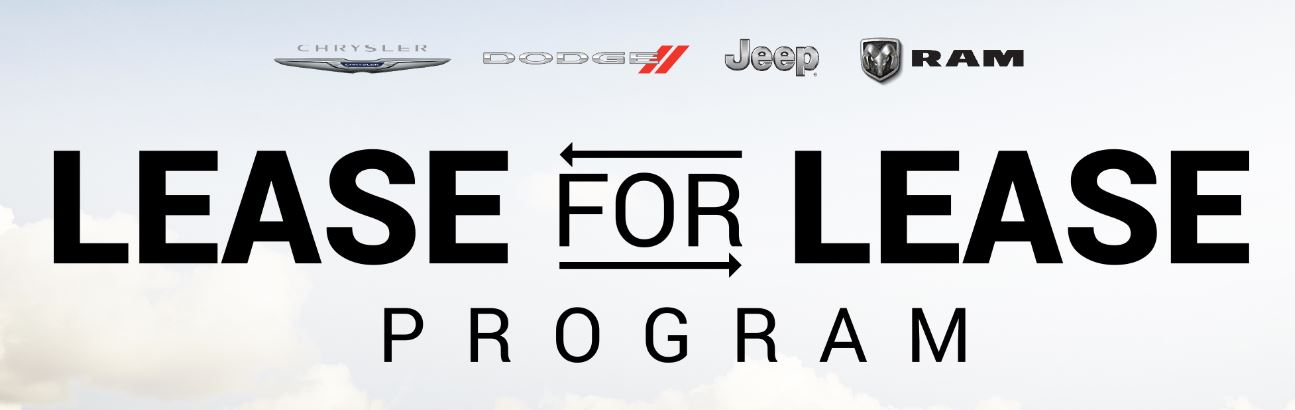
Many people don’t know that Jeep sometimes offers lease loyalty bonuses—extra cash toward your next lease if you stay with the brand. Another insider tip: Jeep leases often have higher residual values than average, so if you fall in love with your Jeep, buying it at lease end can be a good deal.
Also, some insurance companies offer special rates for leased vehicles. It’s worth comparing insurance quotes before you lease.
Where To Start Your Jeep Lease
If you’re interested in leasing a Jeep, visit your local Jeep dealership or start online at the official Jeep website. You can compare lease specials, estimate payments, and apply for credit. For more details on how vehicle leasing works, the Consumer Financial Protection Bureau has helpful guides.
Frequently Asked Questions
Is It Cheaper To Lease Or Buy A Jeep?
Leasing usually means lower monthly payments and less cash up front. However, buying is cheaper in the long run if you keep the Jeep for many years.
What Happens At The End Of My Jeep Lease?
You can return the Jeep, buy it for the residual value, or start a new lease. Many people choose to lease again to stay in a new vehicle.
Can I End My Jeep Lease Early?
Early termination is possible, but you may have to pay fees. Sometimes, Jeep offers lease pull-ahead programs that waive some penalties if you start a new lease.
Are Jeep Leases Available For All Models?
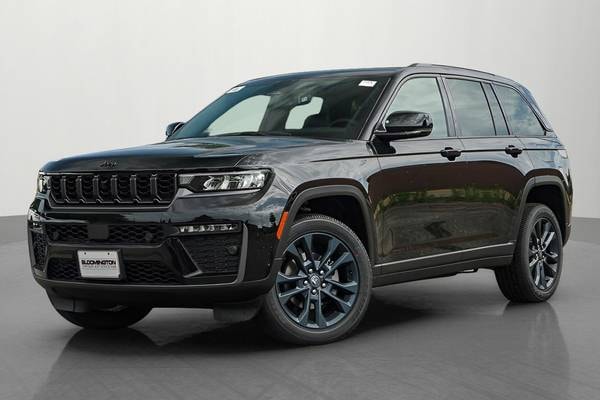
Most Jeep models are available to lease, including the Wrangler, Grand Cherokee, Compass, and Gladiator. Some limited or special editions may not be included.
Do I Need Special Insurance For A Leased Jeep?
You must carry higher insurance coverage, such as gap insurance and higher liability limits, which adds to the monthly cost.
Leasing a Jeep gives you flexibility and access to the latest features without long-term commitment. With smart planning, you can enjoy the Jeep lifestyle on your terms.