The name Jeep brings to mind rugged SUVs and a long American history. But with global business changing fast, some people wonder: does China own Jeep?
This question is important for car fans, investors, and anyone curious about how brands change hands. Let’s break down Jeep’s ownership, China’s role in the auto industry, and clear up some confusion.
Who Owns Jeep Today?
Jeep is a famous American car brand. Its roots go back to World War II, when the U.S. Army needed a tough, reliable vehicle. Over the years, Jeep changed owners several times. Today, Jeep belongs to Stellantis N.V.—a large company formed in 2021 after a merger between Fiat Chrysler Automobiles (FCA) and PSA Group (Peugeot).
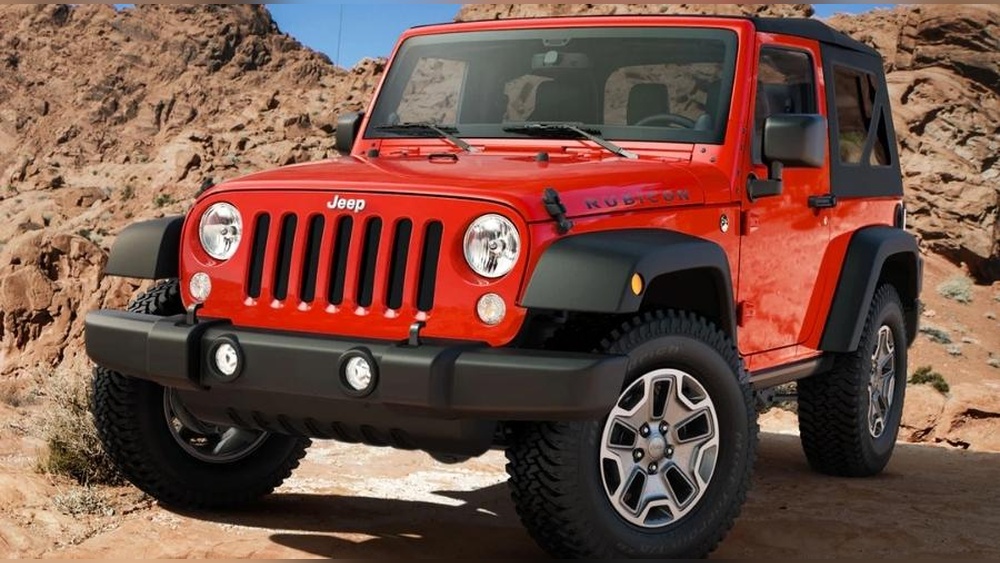
Stellantis is not a Chinese company. It is based in the Netherlands. The company has 14 car brands, including Jeep, Chrysler, Dodge, Peugeot, Citroën, and Opel. Most of Stellantis’s leadership and shareholders are from Europe and North America.
Here’s a quick look at Jeep’s recent ownership:
| Year | Owner | Country |
|---|---|---|
| 1941–1987 | Willys, AMC | USA |
| 1987–1998 | Chrysler | USA |
| 1998–2009 | DaimlerChrysler | Germany/USA |
| 2009–2021 | Fiat Chrysler Automobiles | Italy/USA |
| 2021–Present | Stellantis N.V. | Netherlands (global) |
Why Do People Think China Owns Jeep?
The idea that China owns Jeep comes from a mix of rumors, business deals, and misunderstandings. Let’s look at the main reasons:
- Chinese Investment in Cars: In recent years, Chinese companies have bought or invested in many foreign car brands. For example, Geely owns Volvo and a part of Daimler. This led people to think Jeep might be next.
- Jeep in China: Jeep has factories and sells many cars in China. Some people confuse building cars in China with ownership.
- News Reports: In 2017, rumors spread that a Chinese company wanted to buy Jeep. These talks never became reality, but the story stuck around.
A key fact: No Chinese company owns Jeep. Stellantis, its parent company, is not controlled by any Chinese firm.
Jeep’s Business In China
Even though Jeep is not owned by China, the company does have a strong presence there. China is the world’s largest car market, so global brands want to sell cars there. But there are rules: foreign carmakers must often work with local Chinese partners to build and sell cars.
Jeep has worked with the Guangzhou Automobile Group (GAC) in a joint venture. This allowed Jeep to make and sell SUVs in China, like the Jeep Cherokee and Jeep Compass. However, joint ventures do not mean ownership. They are business partnerships to share costs, knowledge, and market access.
Here’s a summary of Jeep’s China operations:
| Aspect | Detail |
|---|---|
| Partner | GAC Group (Guangzhou Automobile Group) |
| Products | Cherokee, Compass, Renegade (local versions) |
| Ownership | Joint Venture (not full ownership) |
| Recent Changes | Stellantis has reduced local production in China due to weak sales |
Another reason for confusion is that Stellantis does have some Chinese shareholders. On the stock market, anyone can buy shares, including Chinese investors. But no Chinese company or government controls Stellantis or Jeep. The biggest owners are European and North American investors.
In fact, as of 2023, the largest Stellantis shareholders are:
- Exor N.V. (the Agnelli family, Italy)
- Peugeot family (France)
- Public investors (global)
Chinese ownership is small and does not affect control or decisions.
Non-obvious Insights On Brand Ownership
Many people believe that building cars in a country means that country owns the brand. This is not true.
For example, Apple makes most iPhones in China, but it is an American company. The same logic applies to Jeep.
Another thing beginners miss: Joint ventures are common in China because of local laws. Foreign carmakers must partner with Chinese firms. But these deals are about business, not brand ownership. The foreign company usually keeps control of its brand and technology.
How To Check Who Owns A Car Brand
If you want to know who owns a car brand, check:
- The parent company’s country of registration
- Major shareholders and board of directors
- Official statements (not rumors or news speculation)
You can also look at trusted sources like Wikipedia for up-to-date ownership info.
Jeep’s Future And Global Strategy
Jeep is focusing on electric vehicles and new markets. Stellantis plans to launch more electric Jeeps to meet global demand. The company also wants to grow outside North America, but has faced challenges in China.
In 2022, Stellantis reduced Jeep’s local production in China and now ships some models from other countries. This shows that while China is important, Jeep’s main decisions are made by its European and American leaders.
Final Thoughts
The answer is clear: China does not own Jeep. Jeep is part of Stellantis, a global car group with roots in Europe and America. Jeep works with Chinese partners to sell cars in China, but the brand’s control and future stay with Stellantis. Understanding the difference between ownership and business partnerships can help you see through rumors and news headlines.

Frequently Asked Questions
Does Stellantis Have Any Chinese Owners?
Stellantis is a public company, so anyone can buy shares. However, no Chinese company or government controls Stellantis. Most shares belong to European families and global investors.
Why Are There Jeep Factories In China?
Jeep builds cars in China through joint ventures with local companies. This is required by Chinese law for most foreign carmakers. It helps Jeep lower costs and sell more cars in the Chinese market.
Was Jeep Ever Owned By A Chinese Company?
No, Jeep has never been owned by a Chinese company. All past owners have been American or European companies.
Does Making Cars In China Mean China Owns Jeep?
No. Many global brands make products in China, but keep full control of their brand.
Building cars in China is a business strategy, not a sign of ownership.
How Can I Find Out Who Owns A Car Brand?
Check the brand’s official website, annual reports, or trusted sources like Wikipedia. Look for the parent company and major shareholders for the most accurate information.