The allure of the 1987 Jeep Cherokee, often affectionately known as the XJ, lies in its rugged simplicity, off-road prowess, and enduring design. For many enthusiasts, customizing and enhancing these classic SUVs is a passion.
One common modification or desired feature is the addition of fog lights, which can significantly improve visibility in adverse weather conditions and add a distinct aesthetic.
This brings a crucial question to the forefront for owners of this particular model year: Does the 1987 Jeep Cherokee have wiring for fog lights?
Understanding the factory wiring harness of a vehicle from this era can be complex. Manufacturers often offered various trim levels and optional equipment packages, each with a unique set of pre-installed features.
While some high-end trims might have come equipped with fog lights from the factory, others may have only included the basic wiring infrastructure, leaving the actual fog light components as an add-on.
For the 1987 model year, the situation is no different. Many Cherokees were produced without fog lights, but the possibility of pre-existing wiring, even if dormant, is a common point of inquiry for those looking to retrofit them.
This article will explore the likelihood of finding factory fog light wiring in a 1987 Jeep Cherokee, how to identify it, and what steps are involved in adding fog lights if the wiring isn't present.
Key Takeaways
- Factory Wiring is Uncommon but Possible: While not standard on all 1987 Jeep Cherokee models, some trims or optional packages might have included factory wiring provisions for fog lights.
- Location Varies: If present, the wiring connectors are typically found near the front bumper, behind the grille, or in the engine bay, often near the headlights.
- Identification is Key: Look for specific connectors, often with a rubber boot, that don’t seem to connect to any existing component.
- Aftermarket Installation is Feasible: If factory wiring is absent, a complete aftermarket installation is a common and achievable solution.
- Components Needed for Aftermarket: This includes fog light assemblies, a wiring harness (often sold as a kit), a relay, a fuse, a switch, and appropriate connectors.
- Safety First: Always disconnect the battery before working on any electrical system and ensure all connections are secure and properly insulated.
- Legal Considerations: Be aware of local regulations regarding the use of auxiliary lighting.
Understanding Factory Wiring In The 1987 Jeep Cherokee (xj)
The 1987 Jeep Cherokee, as part of the first generation of the XJ platform, was renowned for its robust construction and adaptability. Jeep, like many automakers of the era, often implemented a degree of modularity in their wiring harnesses.
This meant that a single harness design might be used across different trim levels, with certain wires being left unconnected or capped if a particular feature wasn't optioned on that specific vehicle.
This practice was a cost-saving measure and also facilitated easier assembly on the production line.
Trim Levels And Optional Packages
The 1987 model year saw several trim levels for the Jeep Cherokee, including the base model, Pioneer, Laredo, and the more performance-oriented Wagoneer (which shared many components with the Cherokee). Optional equipment packages could also significantly alter the vehicle’s specifications.
For instance, a “Sport Package” or an “Off-Road Package” might have included features like fog lights, stronger suspension components, or different exterior trim. Therefore, whether a 1987 Cherokee came with factory fog light wiring is heavily dependent on its original configuration and any optional packages it was equipped with.
Vehicles destined for higher trim levels or equipped with specific lighting packages were more likely to have this wiring pre-installed.
The Purpose Of Fog Lights
Fog lights are designed to illuminate the road directly in front of the vehicle, particularly in conditions of reduced visibility such as fog, heavy rain, or snow. Unlike headlights, which project light further down the road, fog lights are typically mounted low on the front bumper or grille and are designed to cast a wide, short beam.
This low placement helps to prevent the light from reflecting back off the fog or mist, which can actually worsen visibility. The inclusion of fog lights was often tied to specific trim levels or optional packages that appealed to drivers who frequently encountered challenging weather conditions.
Locating Potential Factory Fog Light Wiring
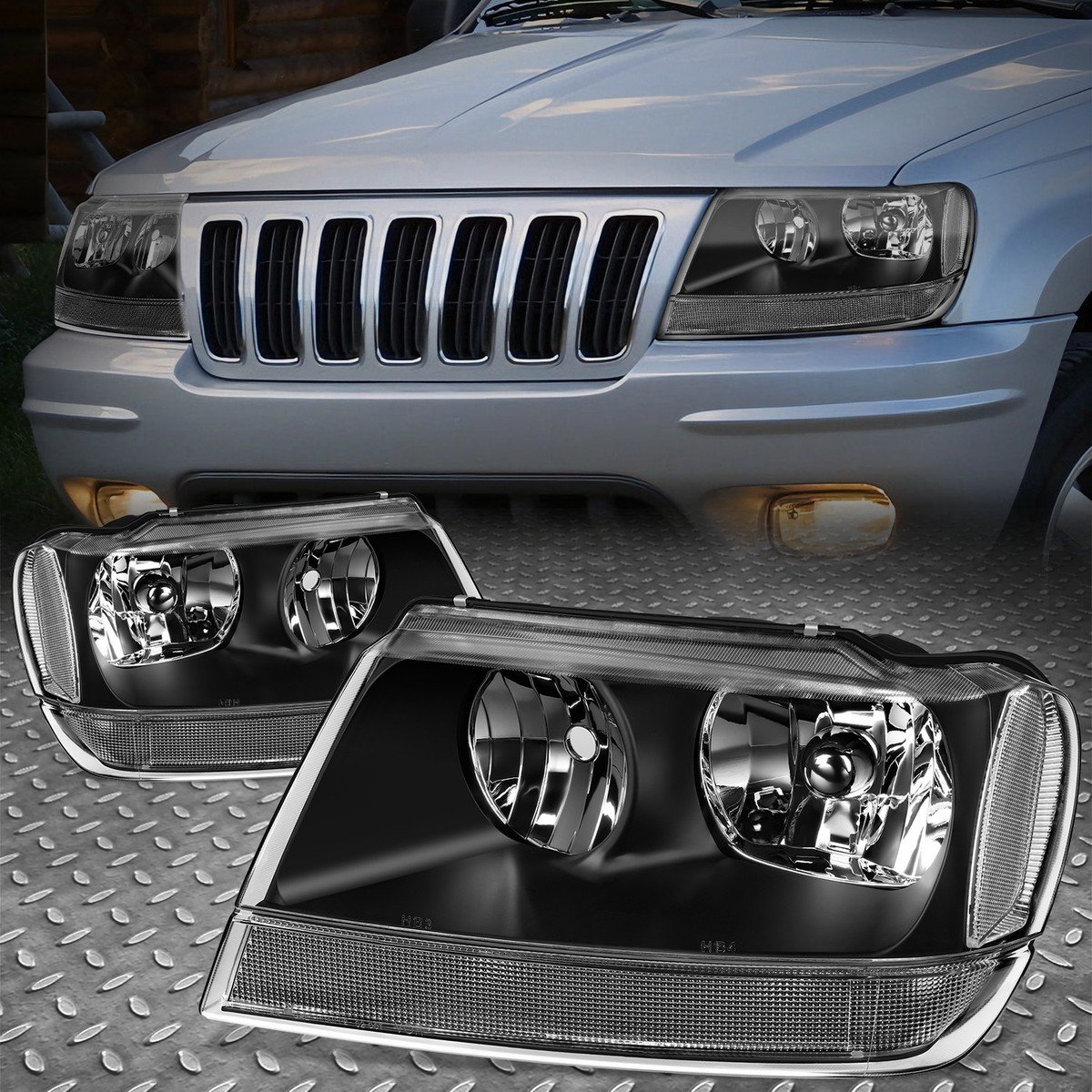
If your 1987 Jeep Cherokee was equipped with factory fog lights, or if it has the provisions for them, the wiring harness will likely be routed from the engine bay, through the firewall, and towards the front of the vehicle.
The specific location of the connectors can vary, but there are common areas to investigate.
Under The Hood And Behind The Grille
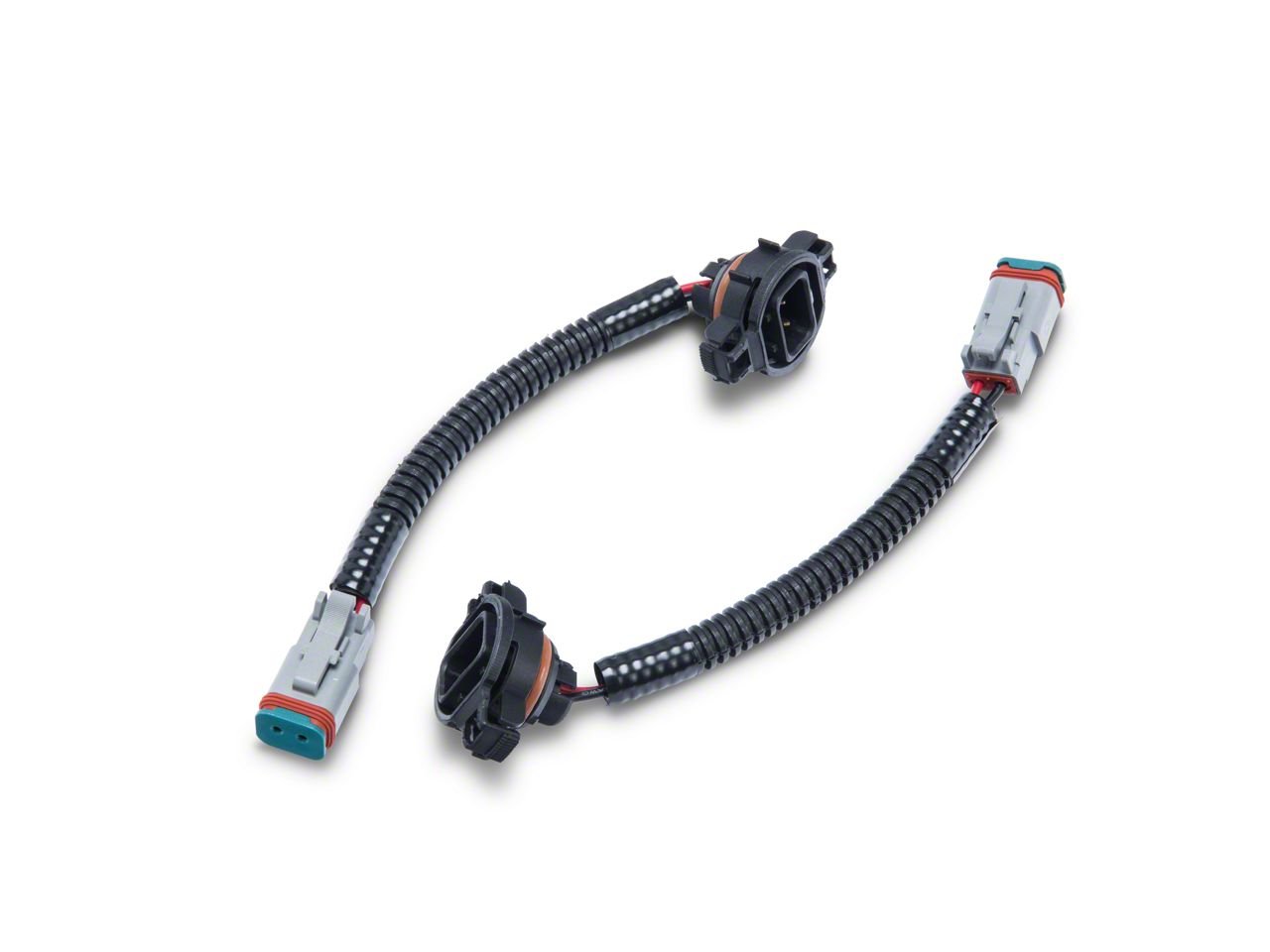
The most probable place to find the factory fog light wiring harness is within the engine bay, often tucked away near the headlight wiring. Look for a bundle of wires that terminates in a connector, possibly covered with a rubber or plastic boot, that doesn’t seem to be connected to anything.
This connector might be zip-tied to the main harness or secured to the inner fender well.
Another common location is directly behind the front grille. You may need to remove the grille to get a clear view.
The wiring would typically run down from the engine bay and emerge near where the fog lights would be mounted, usually on the lower front bumper or integrated into the lower valance.
Near The Headlight Assemblies
Sometimes, manufacturers would tap into the headlight wiring harness or run a separate, smaller harness alongside it. Inspect the area around both the driver and passenger side headlight assemblies.
You might find a spare connector, often a two or three-pin type, that is capped or taped off.
This connector would be the intended power source for the fog lights.
In The Cabin (switch Wiring)
If the vehicle originally came with fog lights, there would also be a corresponding switch installed in the cabin. This switch is typically located on the dashboard, often in the cluster of auxiliary switches to the left of the steering column or in the center console, depending on the trim level.
If you find a blank switch plate where a fog light switch might logically fit, it’s worth investigating behind it for a connector. However, the absence of a switch doesn’t necessarily mean the wiring isn’t present further up the harness; it might just mean the switch itself was never installed.
Identifying The Fog Light Connectors
Distinguishing the fog light wiring from other electrical components requires a keen eye. Factory connectors are usually weather-sealed to protect against moisture and corrosion.
Connector Type And Color
Factory fog light connectors on vehicles from this era are often a multi-pin plastic connector, typically with two or three pins. They might be black, gray, or another neutral color.
Look for a connector that appears intentionally designed but is left unconnected.
It might have a rubber boot or a clip that secures it. Avoid confusing these with diagnostic ports or connectors for other accessories like trailer wiring (if applicable).
Wire Colors (general Guidance)
While wire color codes can vary significantly between manufacturers and even within different production runs, there are some general patterns. You might find wires that are consistent with power, ground, and potentially an illumination wire for the switch.
However, relying solely on wire colors without a wiring diagram can be misleading.
The most reliable indicator is an unused, factory-looking connector in the expected locations.
Using A Wiring Diagram
For definitive identification, consulting a factory service manual or a detailed wiring diagram specific to the 1987 Jeep Cherokee is highly recommended. These diagrams will illustrate the complete electrical system, including the fog light circuit, showing the wire colors, connector types, and their exact locations.
This is the most accurate way to confirm the presence of factory wiring. You can often find these diagrams online through Jeep enthusiast forums or by purchasing a service manual.
Aftermarket Fog Light Installation: A Comprehensive Guide
If your 1987 Jeep Cherokee lacks the factory wiring for fog lights, don't despair. Installing an aftermarket fog light system is a popular and entirely feasible modification.
This process involves running new wiring, installing a relay and switch, and connecting the fog light assemblies.
Essential Components For Aftermarket Installation
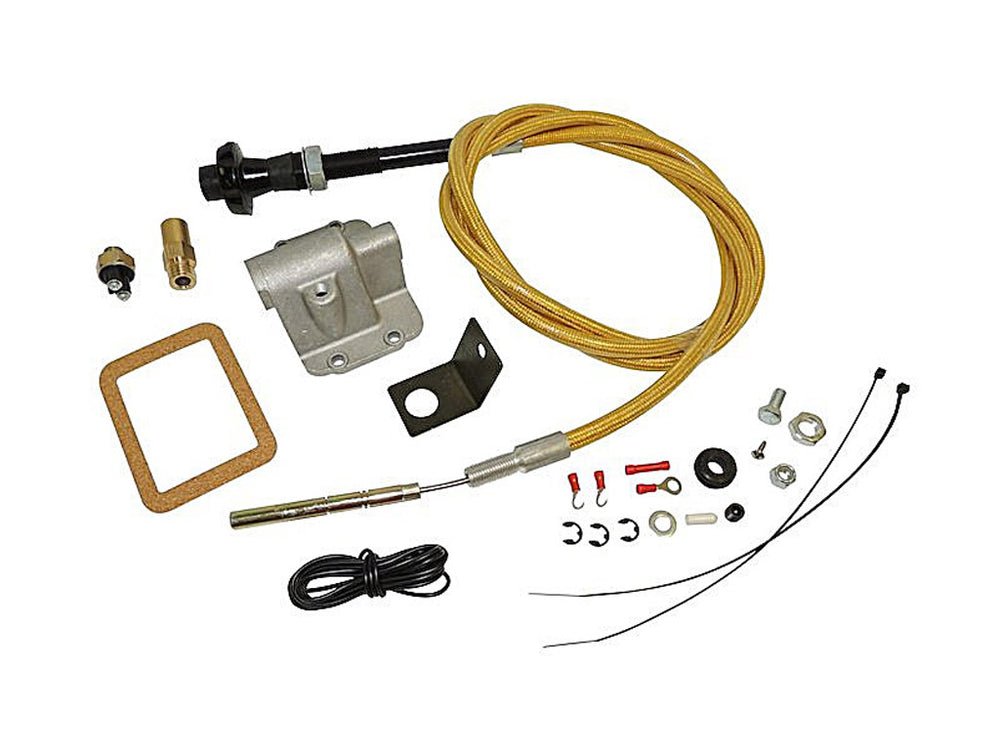
To successfully install aftermarket fog lights, you will need the following components:
- Fog Light Assemblies: Choose a set that complements the look of your Jeep and provides the desired illumination. Many universal options are available, or you can find ones designed to fit specific bumper configurations.
- Wiring Harness Kit: Most aftermarket fog light kits come with a pre-made wiring harness. This typically includes wires, connectors, and sometimes even a relay and fuse holder. If not, you’ll need to source these separately.
- Relay: A relay is crucial for protecting your vehicle’s electrical system. It acts as a switch, allowing a low-current signal from your dashboard switch to control the high-current flow needed by the fog lights directly from the battery.
- Inline Fuse: A fuse is a safety device that protects the circuit from overcurrents, preventing potential damage to the wiring or electrical components, and mitigating fire risks. The fuse rating should match the requirements of your fog lights and wiring.
- Dash Switch: A momentary or latching switch to turn the fog lights on and off. This will be mounted in your cabin.
- Connectors and Terminals: Various butt connectors, ring terminals, and spade connectors will be needed to make secure electrical connections.
- Wire Loom/Conduit: To protect the new wiring from abrasion and the elements.
- Zip Ties: For securing the wiring neatly and safely.
- Basic Tools: Wire strippers, crimpers, screwdrivers, pliers, a drill (if needed for mounting switches or routing wires), and a multimeter (highly recommended for testing connections).
Step-by-step Installation Process
Installing aftermarket fog lights requires careful attention to detail and basic electrical knowledge.
1. Disconnect the Battery:
Warning: Before starting any electrical work, always disconnect the negative battery terminal to prevent short circuits and protect yourself and the vehicle’s electronics.
2. Mount the Fog Lights:
- Determine the best location for your fog lights. This is typically on the front bumper, lower valance, or sometimes behind the grille.
- Ensure they are securely mounted and positioned to provide effective illumination without obstructing the radiator or other vital components. You may need to drill holes or use existing mounting points.
3. Run the Wiring Harness:
- Route the main power wire from the fog lights towards the engine bay. Use wire loom to protect it, especially where it passes through any openings or near moving parts.
- Connect the ground wires from the fog lights to a clean, unpainted metal surface on the Jeep’s chassis. A bolt threaded into the frame or a suitable bracket is ideal.
4. Install the Relay and Fuse:
- The relay typically needs to be mounted in the engine bay.
- Connect the main power wire from the battery (via an inline fuse) to the appropriate terminal on the relay (usually terminal 30).
- Connect the power wires going to the fog lights to another terminal on the relay (usually terminal 87).
- Connect the trigger wire for the relay to a switched 12V source (often from the ignition or a separate fused circuit) and to the fog light switch. This wire (usually terminal 86) activates the relay when the switch is turned on.
- Connect the relay’s ground terminal (usually terminal 85) to the chassis ground.
5. Install the Dash Switch:
- Choose a suitable location for your fog light switch in the cabin. Common spots include the dashboard panel near the steering wheel or in the center console.
- Drill a hole if necessary and mount the switch securely.
- Run a wire from the switch to the relay’s trigger terminal (terminal 86).
- Run a wire from the switch to an illumination source (e.g., dash lights) if you want the switch to light up when the headlights are on. This connection should also be fused.
6. Make Final Connections:
- Connect the fog light assemblies to the main wiring harness using appropriate connectors. Ensure all connections are secure and weatherproof.
- Double-check all wiring runs to ensure they are not rubbing against sharp edges or exposed to excessive heat. Secure loose wires with zip ties.
7. Test the System:
- Reconnect the negative battery terminal.
- Turn on the ignition and then operate the fog light switch. The fog lights should illuminate.
- Test the illumination of the switch if you wired it to come on with the dash lights.
- Use a multimeter to check for voltage at various points if the lights don’t work as expected.
Customizing Your Fog Light Setup
Beyond basic functionality, aftermarket installations offer opportunities for customization. You can choose fog lights with different beam patterns (e.
g. , wide flood, focused spot), color temperatures, or even integrate them with your high beams or daytime running lights, though such advanced setups require more complex wiring.
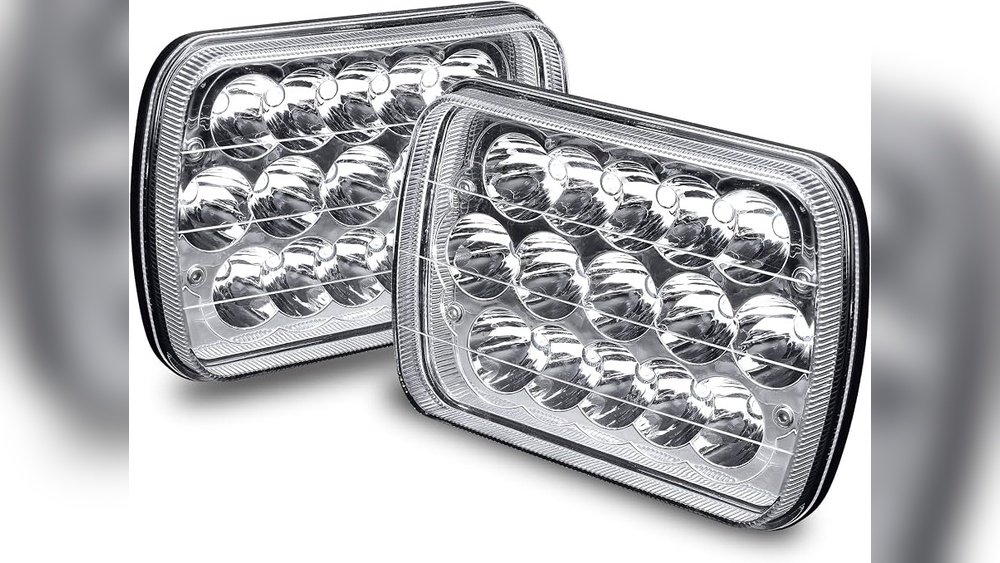
For those looking to enhance their Jeep’s off-road capabilities, powerful LED fog lights are a popular choice.
Comparing Factory Vs. Aftermarket Fog Light Wiring
The decision between finding and utilizing factory wiring versus installing an aftermarket system often comes down to a few key factors: time, cost, complexity, and desired outcome.
Factory Wiring Advantages
- Simplicity: If the wiring is present, it significantly simplifies the installation process. You’re essentially just plugging in components.
- Cleanliness: It maintains the original look of the engine bay and cabin, with no extra wires to hide.
- Reliability: Factory wiring is designed to be robust and integrated with the vehicle’s electrical system.
Factory Wiring Disadvantages
- Rarity: As discussed, it’s not guaranteed on a 1987 model. Finding it can be time-consuming.
- Limited Options: If you find factory wiring, you’re often limited to the type of connectors and amperage capacity that Jeep originally designed for. This might restrict the type or power of fog lights you can install.
- Potential for Corrosion: Even if present, old wiring connectors can corrode over time, requiring cleaning or repair.
Aftermarket Installation Advantages
- Universality: You can install virtually any type of fog light you desire, from basic halogens to high-power LEDs.
- Control: You have complete control over the wiring, fuse ratings, and relay choices, allowing for a system tailored to your needs.
- Availability: Components are readily available from automotive parts stores and online retailers.
- Learning Opportunity: It’s a great way to learn more about your Jeep’s electrical system.
Aftermarket Installation Disadvantages
- Complexity: Requires more time, effort, and basic electrical knowledge.
- Aesthetics: Can result in visible wiring if not installed meticulously.
- Potential for Errors: Incorrect installation can lead to electrical issues, blown fuses, or even damage to the vehicle’s electronics.
Cost Comparison
- Factory Wiring: If found, the cost is primarily for the fog light assemblies themselves and potentially a switch and relay if those were also omitted. This can range from $50-$200 depending on the quality of the lights.
- Aftermarket Installation: A complete aftermarket kit, including lights, wiring, relay, and switch, can range from $50 for basic kits to $300 or more for high-quality LED systems. If you purchase components separately, costs can be more variable.
Example Scenario:
Imagine two 1987 Jeep Cherokee owners, both wanting to add fog lights.
- Owner A spends a weekend meticulously searching their Jeep and finds the factory connectors behind the bumper. They purchase a pair of reputable halogen fog lights ($70) and an appropriate switch and relay ($30). Total cost: $100. Installation time: 4-6 hours.
- Owner B cannot find any factory wiring. They opt for a powerful LED fog light kit ($150) that includes a complete wiring harness, relay, and switch. They spend a Saturday installing it. Total cost: $150. Installation time: 6-10 hours.
In this scenario, Owner A saved money but has less powerful lights. Owner B spent more but has brighter, more modern lighting, albeit with a more involved installation.
Integrating Fog Lights With Existing Systems
When installing fog lights, especially aftermarket ones, it’s important to consider how they will interact with your Jeep’s existing electrical system.
Power Source Considerations
The primary power source for fog lights should ideally come directly from the battery, with an inline fuse and a relay. This ensures that the fog lights do not overload the vehicle's standard headlight circuits or other accessory wiring.
The relay is triggered by a switched power source (like ignition-switched power or a connection to the parking lights), allowing the fog lights to be turned on and off easily without drawing significant current through the switch itself.
Switch Integration
The type of switch you use is also a consideration. A simple on/off toggle switch is common.
However, some owners prefer a switch that illuminates when the fog lights are active, or even a switch that is tied to the vehicle's headlight system.
For instance, you could wire the fog lights so they only turn on when the parking lights or low-beam headlights are also on. This prevents accidental activation when the vehicle is off or when high beams are in use (as using fog lights with high beams is often counterproductive).
Fuse Protection
Proper fusing is non-negotiable. The fuse should be rated slightly higher than the expected maximum current draw of the fog lights but low enough to protect the wiring from overheating.
Consult the fog light manufacturer's specifications for their recommended fuse size.
If you’re unsure, a common starting point for typical halogen fog lights might be a 10-15 amp fuse, while high-power LEDs might require 20 amps or more. Always ensure the fuse holder is properly installed in the positive wire close to the power source.
Legal And Safety Considerations For Fog Lights
While fog lights can enhance visibility, their use is subject to regulations, and improper installation can pose safety risks.
Local Regulations
Laws regarding the use of auxiliary driving lights, including fog lights, vary by state and country. In many jurisdictions, fog lights are permitted for use only when visibility is significantly reduced due to fog, heavy rain, snow, or similar conditions.
Using them unnecessarily, especially in clear weather or at high speeds, can be illegal and may result in a ticket. Some areas also have restrictions on the number, color, and intensity of auxiliary lights.
Proper Aiming And Intensity
Fog lights should be aimed low, pointing downwards and towards the immediate area in front of the vehicle. This prevents glare for oncoming drivers and ensures they are effective in foggy conditions.
If fog lights are too bright or aimed too high, they can create glare and actually reduce visibility, defeating their purpose and potentially blinding other drivers.
Check the manufacturer’s recommendations for proper aiming.
Electrical Safety
As mentioned, always disconnect the battery before working on the wiring. Ensure all connections are secure, insulated with appropriate materials (like heat-shrink tubing or electrical tape), and protected from moisture and physical damage.
Poorly made connections can lead to intermittent operation, blown fuses, or, in the worst-case scenario, electrical fires.
Using a relay and proper fusing is paramount for electrical safety.
Impact On Vehicle Systems
When installing aftermarket lights, be mindful of the overall electrical load. While using a relay directs the high current draw away from the vehicle's main circuits, the trigger circuit still draws power.
Ensure your alternator and battery can handle the additional load, especially if you plan to install multiple powerful lighting accessories.
For a single set of standard fog lights on a robust vehicle like a Jeep Cherokee, this is rarely an issue, but it’s worth considering for more extensive modifications.
Frequently Asked Questions
What Are The Most Common Locations To Find Factory Fog Light Wiring On A 1987 Jeep Cherokee?
The most likely places to find factory fog light wiring are in the engine bay, often near the headlights or the main wiring harness, and behind the front grille. Look for unused connectors, typically with a rubber boot, that appear to be factory-made.
If I Find Factory Wiring, What Kind Of Fog Lights Can I Use?
If you find factory wiring, you'll generally be limited by the amperage capacity of the original wiring and the type of connector. It's often best suited for lower-wattage halogen fog lights.
You may need to consult a wiring diagram to determine the exact specifications.
Can I Install Led Fog Lights If My 1987 Cherokee Doesn’t Have Factory Wiring?
Absolutely. Installing LED fog lights is a very popular aftermarket modification.
You will need to run a complete aftermarket wiring harness, including a relay, fuse, and switch, as the factory wiring is unlikely to be present or sufficient for the power demands of most LED lights.
Is It Difficult To Install Aftermarket Fog Lights On A 1987 Jeep Cherokee?
The difficulty depends on your comfort level with basic automotive electrical work. If you can follow instructions, strip wires, make crimped connections, and understand the role of a relay, it's a manageable DIY project.
Taking your time and ensuring secure, well-insulated connections are key.
Are Fog Lights Legal To Use In All Conditions On My 1987 Jeep Cherokee?
In most places, fog lights are intended for use only in conditions of reduced visibility, such as fog, heavy rain, or snow. Using them in clear weather may be illegal and can cause glare for other drivers.
Always check your local laws and regulations regarding auxiliary lighting.
In conclusion, while the 1987 Jeep Cherokee did not universally come equipped with factory fog light wiring, the possibility exists, particularly on higher trim levels or those with optional packages. Thorough inspection of common areas like the engine bay, behind the grille, and near the headlights is the first step.
If factory wiring is absent, a well-planned aftermarket installation is a practical and rewarding alternative that allows for customization and