The Jeep 4xe plug-in hybrid has changed how people think about off-road vehicles. It promises both adventure and efficiency. But if you are new to hybrids, you might wonder: Do you have to charge the Jeep 4xe? The answer is not as simple as yes or no. Understanding how this SUV works can help you decide if it fits your lifestyle.
How The Jeep 4xe Powertrain Works
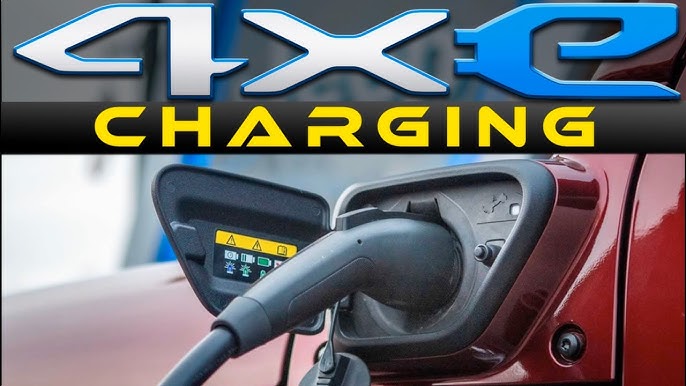
The Jeep 4xe is a plug-in hybrid electric vehicle (PHEV). This means it uses both a gasoline engine and an electric motor. It has a 17.3 kWh battery that you can charge from an outlet. The electric motor can power the Jeep alone for short trips, or work together with the gas engine for more power.
You do not always need to charge it. When the battery runs low, the gas engine automatically takes over. This is different from a fully electric vehicle (EV), which stops running if the battery is empty.

Do You Have To Charge The Jeep 4xe?
Many buyers ask, “Will my Jeep 4xe stop if I don’t plug it in?” The simple answer: No, you do not have to charge it to drive.
Here’s what happens if you don’t charge:
- The 4xe will use its gas engine like a regular hybrid.
- Fuel economy might drop compared to regular charging.
- You lose the all-electric driving benefits.
In other words, charging is optional but gives you the most value. If you never charge, you are missing the main advantage of the 4xe.
Driving Modes Explained
Jeep 4xe gives you three main driving modes:
- Hybrid: Uses both electric and gas power for the best balance.
- Electric: Runs only on battery, no gas engine unless the battery is empty or you need more power.
- ESave: Saves battery and uses only the gas engine, so you can use electric later.
This flexibility is a big reason why people choose plug-in hybrids. You can pick the best mode for your daily needs.
Real-world Electric Range And Charging Time
Most Jeep 4xe models can travel about 21 miles on electric power alone. This covers many people’s daily commutes. After the battery runs out, the gas engine gives you up to 370 miles more.
Charging times depend on the outlet:
| Charging Option | Time to Full Charge |
|---|---|
| Standard 120V (Level 1) | 12-14 hours |
| 240V (Level 2) | About 2 hours |
For many owners, plugging in overnight is enough. If you use public Level 2 chargers, you can get a full charge during a lunch break.
Pros And Cons Of Charging The Jeep 4xe
Benefits Of Regular Charging
- Lower fuel cost: Driving on electricity is much cheaper than gas.
- Quieter drive: Electric mode is silent, especially in the city.
- Environmental benefit: Fewer emissions in electric mode.
- Instant torque: Electric power gives strong acceleration off the line.
What Happens If You Don’t Charge?
- More gas use: The SUV will use the engine more, so you visit the pump often.
- Missed incentives: Some tax credits and utility discounts require regular charging.
- Less efficient: The 4xe becomes similar to a standard hybrid without electric-only mode.
| Scenario | MPG (Gasoline Only) | MPGe (Electric + Gas) |
|---|---|---|
| Charged Regularly | 20-23 | 49 |
| Rarely Charged | 20-23 | 20-23 |
MPGe is a measure of how far the Jeep goes per “gallon” of energy, including electricity. You only get high MPGe if you plug in often.
Common Misconceptions
Some people think a plug-in hybrid must always be plugged in, like a phone or laptop. That’s not true.
The Jeep 4xe can run like a normal hybrid if you forget or cannot charge. However, it works best when you take advantage of both power sources.
Another thing beginners miss: engine maintenance is still required. Even if you drive mostly electric, the gas engine needs oil changes and regular service.

Who Should Buy A Jeep 4xe?
The 4xe is best for drivers who:
- Can plug in at home or work often
- Take many short trips under 20 miles
- Want a mix of electric and gasoline power
If you can’t charge often, a regular hybrid or traditional gas Jeep may be simpler. The 4xe shines when you use its electric side regularly.
Charging At Home Vs Public Stations
Home charging is the most convenient. Most people use a Level 2 charger in their garage for fast, overnight charging.
Public stations are helpful if you live in an apartment or travel long distances. There are more than 50,000 public charging stations in the US, according to the U.S. Department of Energy.
| Charging Location | Cost per kWh (Average) |
|---|---|
| Home | $0.13 |
| Public Station | $0.20 – $0.40 |

Non-obvious Tips For Jeep 4xe Owners
- Use the eSave mode wisely. Save your battery for city driving, where electric mode is most efficient.
- Precondition your Jeep while plugged in. You can heat or cool the cabin before driving, using grid power instead of the battery.
- Learn your utility’s off-peak hours. Charging when electricity is cheaper can cut costs.
Many owners forget about tire choice and weight. Heavy off-road tires or extra gear can lower your electric range.
Final Thoughts
You do not have to charge the Jeep 4xe to drive it. But charging regularly unlocks what makes this SUV special: low-cost, silent, and clean electric driving with gas backup for longer trips. If you want to get the most from your 4xe, plug in as often as you can. Otherwise, you might not see the benefits over a standard hybrid or gas model.
Frequently Asked Questions
Does The Jeep 4xe Need To Be Plugged In Every Day?
No, you can drive without charging, but daily charging gives you the best efficiency and electric range.
What Happens If The Battery Runs Out While Driving?
The gas engine turns on automatically, so you will not be stranded.
Can I Use The Jeep 4xe On Long Road Trips?
Yes. The gas engine gives you the same range as a regular SUV after the battery is empty.
Is Charging At Home Safe?
Yes, using a certified charger is safe. A Level 2 charger is recommended for faster charging.
How Does The 4xe Compare To A Full Electric Vehicle?
The 4xe offers less electric range but no “range anxiety. ” A full EV needs charging to drive, but the 4xe always has its gas engine as backup.



















