Many people love Jeeps for their rugged looks and off-road abilities. But if you’ve ever seen a Jeep driving fast around a corner, you might wonder, “Do Jeeps roll over easily?
” This question matters for anyone considering a Jeep, whether for city driving or weekend adventures.
Let’s explore the facts, compare data, and break down what affects Jeep rollover risk so you can make a smart decision.
Why Are Jeeps Thought To Roll Over Easily?
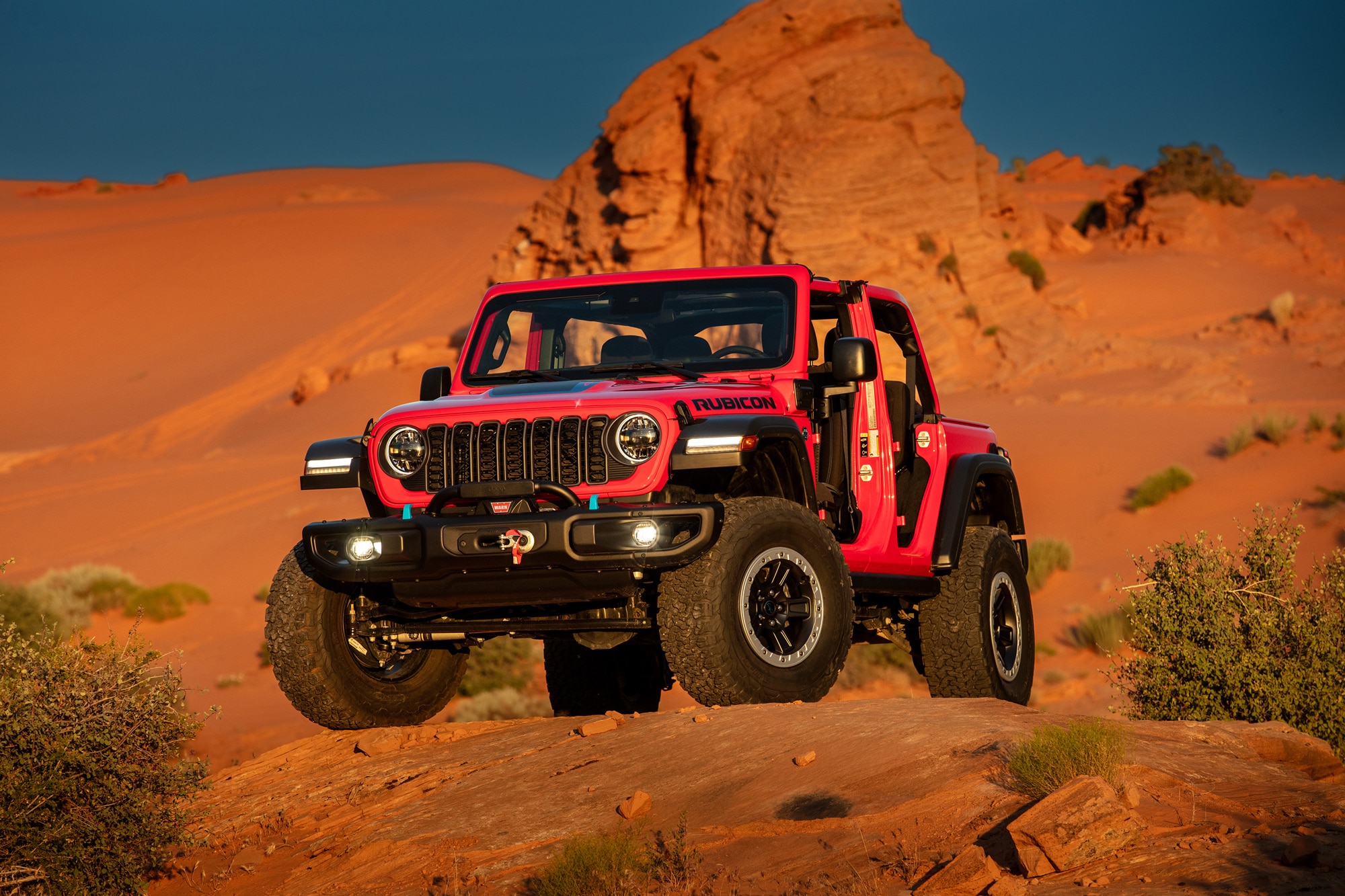
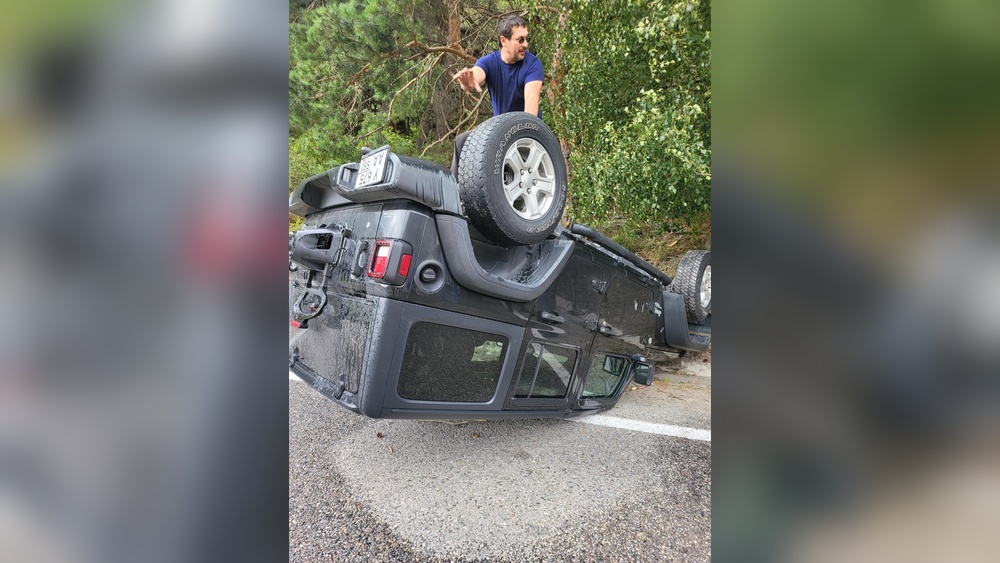
Jeeps have a reputation for rollovers, especially the Wrangler model. This comes from their high ground clearance and boxy shape. Most Jeeps are built for off-roading, so they sit higher than standard cars. That means their center of gravity is higher too. When a vehicle’s center of gravity is high, it can tip more easily if you turn sharply or drive on uneven ground.
Some drivers believe all Jeeps are risky, but not every model is the same. For example, the Jeep Grand Cherokee handles differently from the Wrangler.
The myth mostly comes from older Jeep designs and viral videos of accidents.
Real Data: Jeep Rollovers Compared
To understand the truth, it’s helpful to look at actual crash data. The National Highway Traffic Safety Administration (NHTSA) regularly tests vehicles for rollover risk. Let’s see how Jeeps compare to other SUVs:
| Model | Rollover Risk (%) | Type |
|---|---|---|
| Jeep Wrangler 2-door | 27.9 | Compact SUV |
| Jeep Grand Cherokee | 17.1 | Midsize SUV |
| Honda CR-V | 16.4 | Compact SUV |
| Ford Explorer | 18.9 | Midsize SUV |
The Jeep Wrangler’s rollover risk is higher than many SUVs. For context, passenger cars usually have a rollover risk below 10%. However, not all Jeeps are equal. The Grand Cherokee, for example, scores better.
What Makes Jeeps More Likely To Roll Over?
There are several factors that increase the chance of rollover in Jeeps:
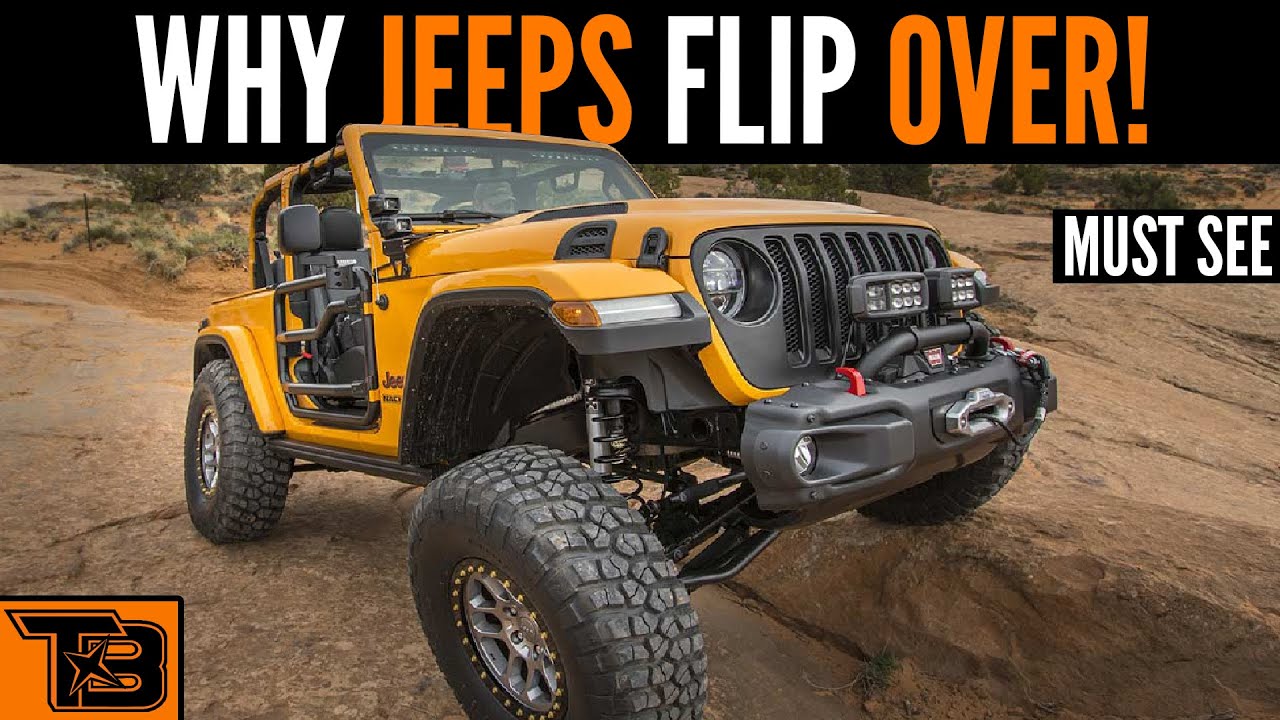
- High center of gravity: This is the main reason. It makes the vehicle less stable in sharp turns.
- Narrow track width: Some Jeeps, like the Wrangler, have a narrow base. This means less support during fast or sudden moves.
- Short wheelbase: Models with short wheelbases change direction quickly, which can lead to tipping.
- Off-road tires: These tires grip uneven surfaces but may not perform as well on pavement.
- Driver behavior: Jeeps are often driven off-road or aggressively, which increases risk.
Most rollovers occur during:
- Sudden turns (especially at high speed)
- Off-road driving over rocks or uneven terrain
- Collisions with obstacles
Safety Features In Modern Jeeps
Jeep designers know about these risks. In recent years, they have added more safety features:
- Electronic Stability Control (ESC)
- Traction control
- Side curtain airbags
- Roll bars and reinforced roofs
These improvements help reduce rollover risk, but they don’t remove it entirely. Let’s compare safety features in Jeep models:
| Model | ESC | Traction Control | Roll Bars |
|---|---|---|---|
| Wrangler | Yes | Yes | Yes |
| Grand Cherokee | Yes | Yes | No |
| Renegade | Yes | Yes | No |
Most new Jeeps come standard with ESC and traction control. The Wrangler still includes roll bars due to its design.

Common Mistakes That Increase Rollover Risk
Many beginners make errors that boost rollover chances. Here are two non-obvious mistakes:
- Overloading the roof: Putting heavy gear on the roof raises the center of gravity. Even a few hundred pounds can make a big difference in stability.
- Removing doors and roof: Some owners take off doors and roof panels for fun. While legal, this can slightly reduce side protection and change how the Jeep handles.
Other mistakes include:
- Taking sharp turns at speed
- Not adjusting tire pressure for terrain
- Ignoring stability warnings
How To Reduce Rollover Risk In A Jeep
You can drive a Jeep safely by following some practical tips:
- Slow down before corners.
- Avoid sudden lane changes.
- Keep heavy items low and secure.
- Check tire pressure often.
- Use four-wheel drive when off-road.
- Don’t overload the roof.
If you plan to drive mostly on highways, choose a Jeep model with lower rollover risk, like the Grand Cherokee or Compass.
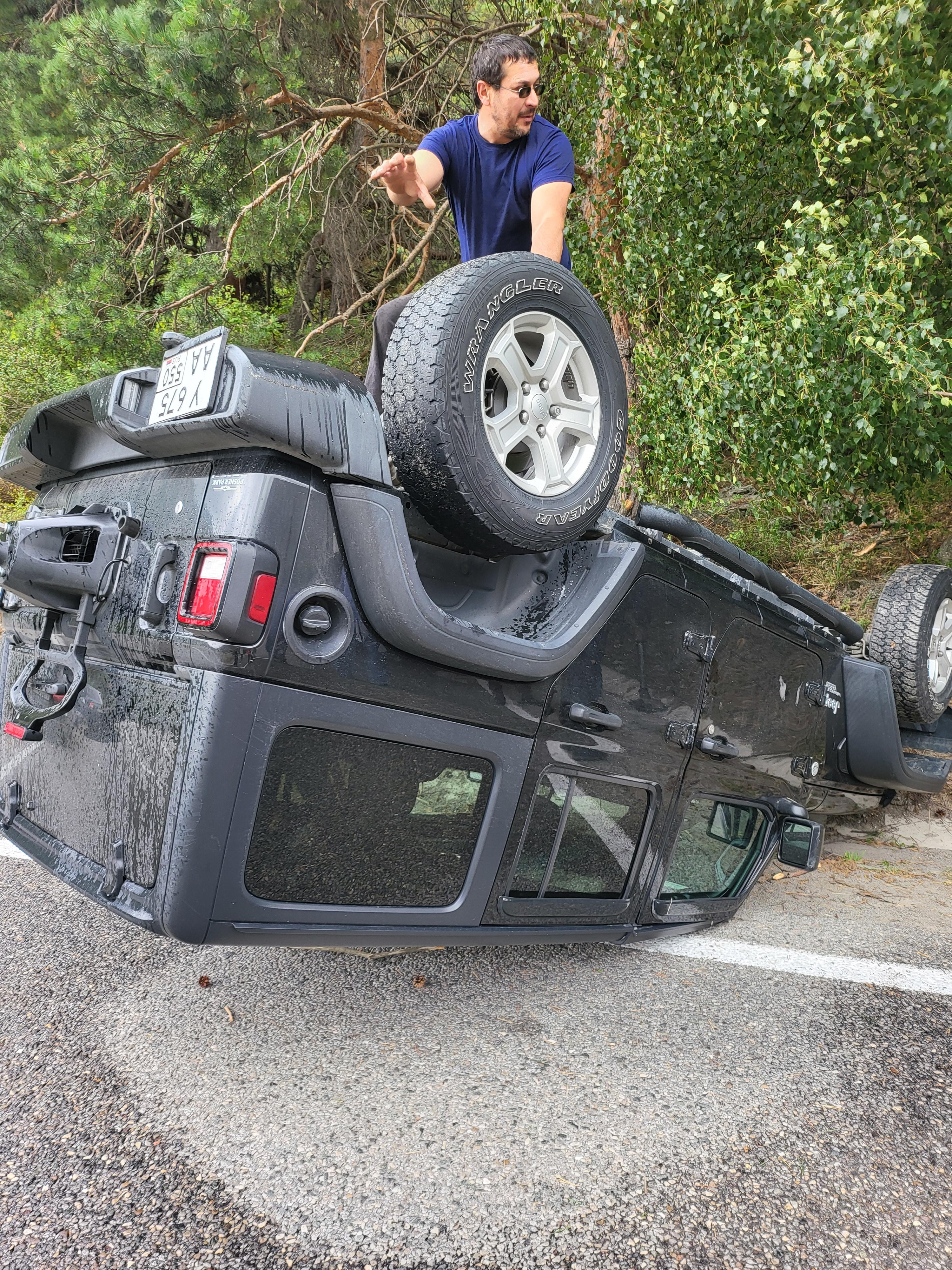
Comparing Jeep Rollover Risk To Other Vehicles
For a clearer picture, here’s how Jeeps stack up against other types of vehicles:
| Vehicle Type | Average Rollover Risk (%) |
|---|---|
| Passenger Cars | 9 |
| Pickup Trucks | 19 |
| SUVs | 15–20 |
| Jeep Wrangler | 27.9 |
Wranglers are higher than the average SUV, but not all Jeeps are as risky. The design and driving style matter most.
Frequently Asked Questions
Are Jeeps More Dangerous Than Other Suvs?
Jeeps, especially the Wrangler, have higher rollover risks compared to many SUVs. Still, modern safety features help reduce this risk. Other Jeep models, like the Grand Cherokee, are similar to typical SUVs.
Does Off-road Driving Increase Rollover Risk?
Yes, driving off-road makes rollovers more likely. Uneven ground, rocks, and steep angles can tip a Jeep faster than on a flat road.
Using four-wheel drive and proper speed helps reduce danger.
Should I Avoid Buying A Jeep Because Of Rollover Risk?
If you drive carefully and use safety features, Jeeps can be safe. Choose models with better stability if you’re worried, and avoid risky driving habits.
How Can I Make My Jeep Safer?
You can improve safety by keeping loads low, checking tires, and slowing down in turns. Modern Jeeps have ESC and airbags, which help a lot.
Where Can I Find Official Rollover Ratings?
You can see crash test results on the NHTSA website, which gives official rollover data for many vehicles. For more details, visit NHTSA Ratings.
Driving a Jeep brings adventure and fun. While rollovers are a real risk, understanding the facts and following smart driving practices can help you stay safe.
Not all Jeeps roll over easily choosing the right model and learning how to drive it makes a big difference.