Many people are drawn to Jeeps because of their rugged image, off-road abilities, and classic style. But if you’re considering buying a Jeep or already own one, you might wonder about reliability, especially the transmission.
Stories about transmission problems often pop up in Jeep owner forums and car reviews. Are these just isolated cases, or is there a real pattern?
Let’s dig into what Jeep owners should know about transmission issues, how common they are, and what you can do to minimize risk.
How Common Are Transmission Problems In Jeeps?
Jeeps have a long history, with models like the Wrangler, Grand Cherokee, and Cherokee being some of the most popular. Over the years, some Jeep models have faced more transmission complaints than others. According to data from the National Highway Traffic Safety Administration (NHTSA), transmission issues account for a notable percentage of Jeep reliability complaints.
Here’s a quick comparison showing reported transmission problems per 1,000 vehicles for three popular Jeep models (based on various model years):
| Model | Reported Transmission Problems (per 1,000 vehicles) | Common Issue Year(s) |
|---|---|---|
| Wrangler | 7.8 | 2012-2014 |
| Grand Cherokee | 12.1 | 2014-2015 |
| Cherokee | 14.6 | 2014-2016 |
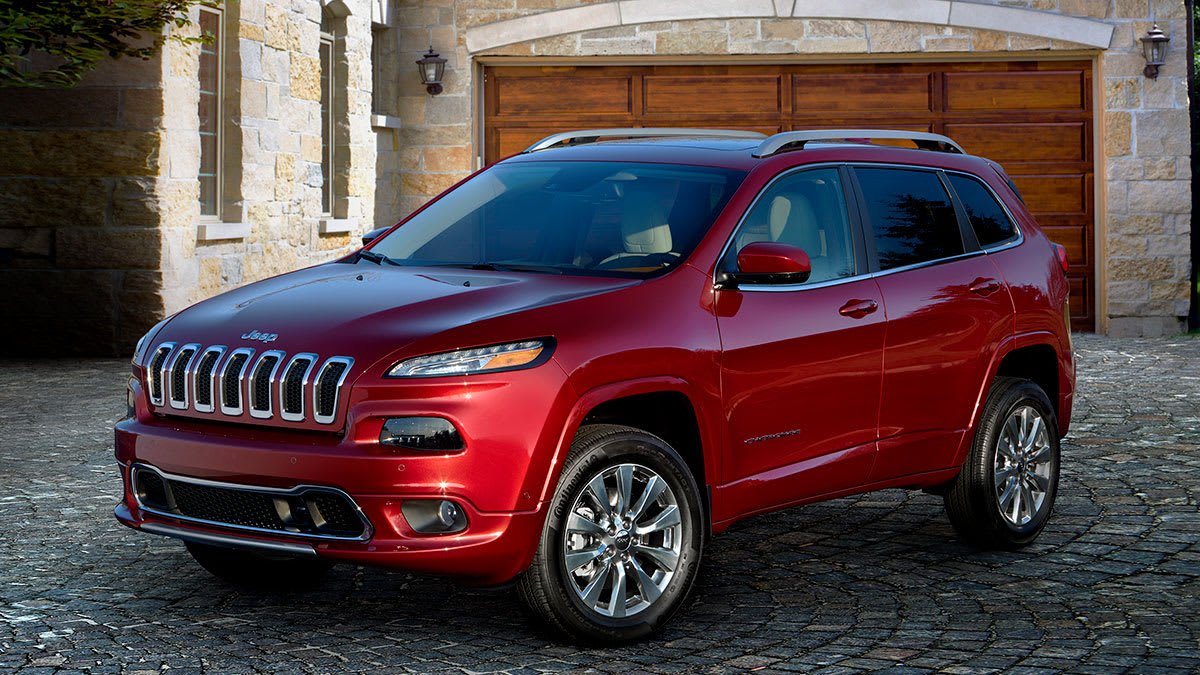
This data shows that transmission complaints are not rare, especially in certain years. For example, the 2014 Jeep Cherokee’s 9-speed automatic transmission has a reputation for rough shifting and stalling.
What Causes Transmission Problems In Jeeps?
Many factors can cause transmission issues in Jeeps. Some are due to design flaws, while others are about maintenance or driving style.
Common Causes
- 9-Speed Automatic Transmission: The Jeep Cherokee and some Compass and Renegade models use a 9-speed automatic that has been criticized for hard shifting, hesitation, and electronic glitches.
- Software Issues: Transmission control modules (TCM) sometimes need reprogramming due to buggy software.
- Fluid Leaks: Jeeps, especially older models, can develop transmission fluid leaks. Low fluid leads to overheating and shifting problems.
- Worn Components: Clutches, solenoids, and torque converters can wear out, especially if the Jeep is used for heavy towing or off-roading.
Not-so-obvious Insights
- Tire Size Modifications: Many Jeep owners upgrade to larger tires. This can stress the transmission if the gearing is not adjusted, leading to premature wear.
- Aftermarket Lifts: Lifting a Jeep changes drivetrain angles. If not done carefully, it can cause vibrations and extra load on transmission mounts and joints.
Signs Your Jeep May Have Transmission Issues
Catching problems early can save money and prevent breakdowns. Here are warning signs to watch for:
- Hard or delayed shifting
- Grinding or whining noises
- Transmission slipping (engine revs but Jeep doesn’t move as expected)
- Transmission warning light on the dashboard
- Fluid leaks (reddish liquid under the Jeep)
- Sudden loss of power
If you notice any of these, it’s wise to visit a trusted mechanic. Ignoring these symptoms can turn a small problem into a major repair.
How Do Jeep Transmission Problems Compare To Other Brands?
It helps to see how Jeep stacks up against competitors. Here’s a simple comparison of average transmission repairs per 1,000 vehicles for similar SUV brands (based on consumer reports and repair databases):
| Brand | Transmission Repairs (per 1,000 vehicles) | Typical Repair Cost |
|---|---|---|
| Jeep | 12 | $1,700 |
| Toyota | 5 | $1,500 |
| Ford | 10 | $1,600 |
| Honda | 7 | $1,400 |
Jeep’s rate of transmission repairs is above average, especially when compared to Toyota and Honda.
What Can Jeep Owners Do To Prevent Transmission Problems?
Prevention is key to a long-lasting Jeep transmission. Here are practical steps:
- Follow service intervals: Change the transmission fluid and filter as recommended in your owner’s manual. Don’t wait for problems to appear.
- Use correct fluid: Jeeps often require specific transmission fluids. Using the wrong type can damage the system.
- Check for recalls: Some transmission issues are covered by recalls or technical service bulletins. Visit the official Jeep website or NHTSA to check your VIN.
- Drive gently: Sudden acceleration, hard towing, or aggressive off-roading can stress the transmission.
- Inspect undercarriage: Especially after off-roading, check for leaks or damage to transmission components.
- Update software: If your Jeep’s shifting feels off, ask your dealer about software updates for the transmission control module.
Extra Tips
- Don’t ignore small symptoms. Early repairs are almost always cheaper and simpler.
- If you modify your Jeep, consult a drivetrain specialist to avoid overloading the transmission.
Are Transmission Problems Covered By Warranty?
New Jeeps come with a 5-year/60,000-mile powertrain warranty (as of 2024), which covers the transmission. If you buy used, check if the warranty is still active. Some certified pre-owned (CPO) Jeeps offer extended coverage.
However, warranty claims can be denied if the problem results from neglect, improper fluid, or unauthorized modifications. Always keep records of your maintenance and repairs.
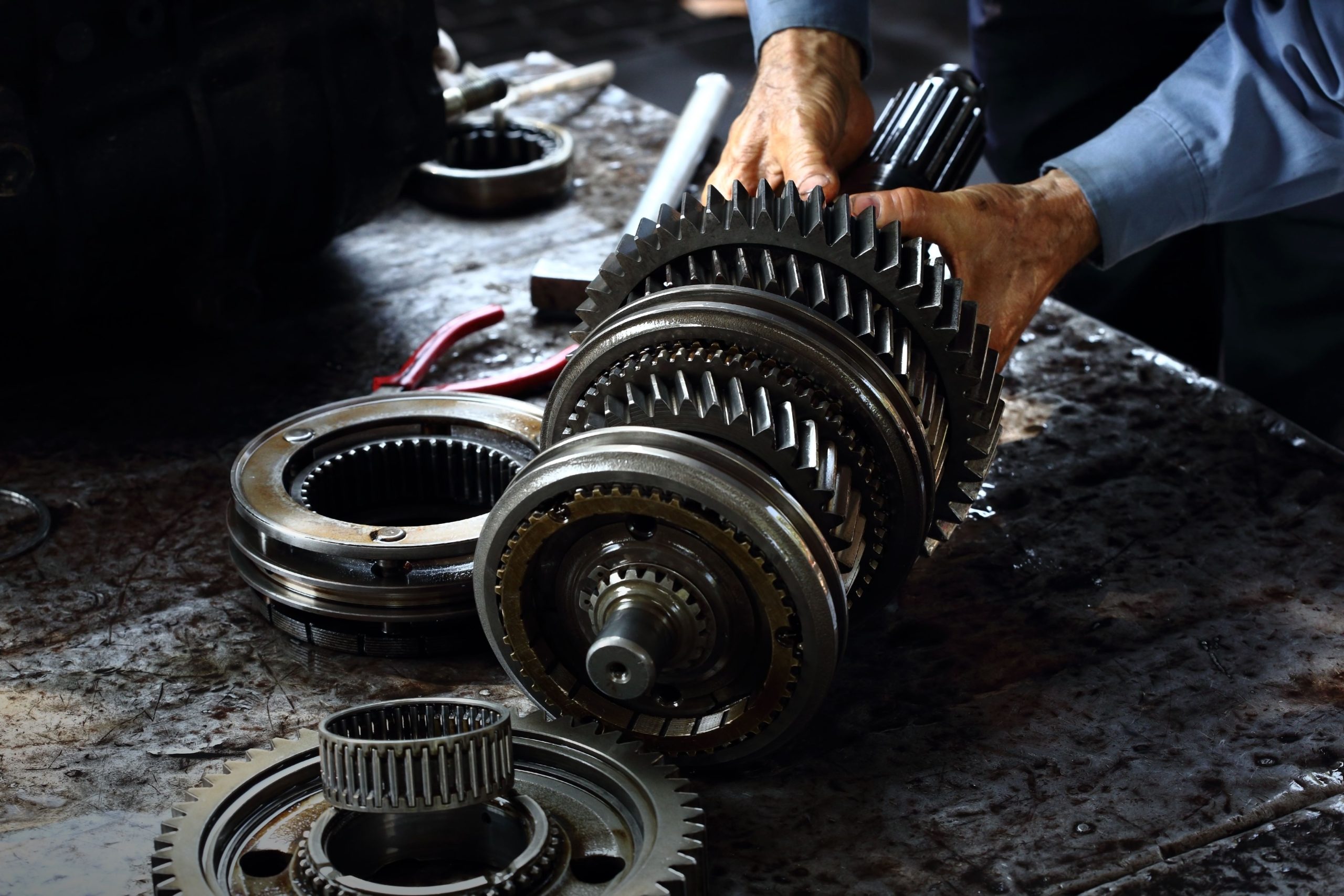
Cost Of Transmission Repairs In Jeeps
Transmission repairs can be expensive. Here’s a quick overview:
| Repair Type | Average Cost |
|---|---|
| Fluid Flush & Filter Change | $200-$300 |
| Solenoid Replacement | $400-$700 |
| Transmission Rebuild | $1,800-$3,500 |
| Full Replacement | $2,500-$5,000 |
A rebuild or replacement is a major expense. That’s why catching issues early and keeping up with maintenance pays off.
Should You Avoid Buying A Jeep?
Not necessarily. Many people enjoy their Jeeps for years without transmission trouble.
Problems are more common in certain model years and with specific transmissions, such as the 2014-2015 Cherokee. If you’re buying used, research the model year, ask for service history, and have a trusted mechanic inspect it first.
Jeeps offer unique features, especially for off-roading. But owners should be aware of the potential for transmission issues and take steps to prevent them. For more detailed reliability data, you can check Consumer Reports.
Frequently Asked Questions
What Jeep Model Years Have The Most Transmission Problems?
The 2014-2015 Cherokee and 2014-2015 Grand Cherokee are often reported for transmission issues, especially those with the 9-speed automatic.
How Do I Know If My Jeep Transmission Is Failing?
Watch for hard shifting, slipping, warning lights, and fluid leaks. If you notice any of these, have your Jeep checked by a mechanic quickly.
Are Jeep Manual Transmissions More Reliable?
Generally, manual transmissions in Jeeps have fewer problems than automatics. They’re simpler and less dependent on software.
Can Transmission Problems Be Fixed Under Recall?
Some transmission issues are covered by recalls or service bulletins. Check your Jeep’s VIN on the official Jeep or NHTSA site to see if you qualify.
What’s The Average Lifespan Of A Jeep Transmission?
With regular maintenance, a Jeep transmission can last 120,000–180,000 miles. Heavy use or lack of service can shorten this lifespan.
Jeep vehicles offer adventure and style, but it’s smart to be aware of their transmission history. Stay proactive with maintenance, and you can enjoy your Jeep for many miles to come.