Jeep Wranglers have a legendary reputation for off-road adventures. Their boxy look, high ground clearance, and rugged build make them a favorite for outdoor lovers.
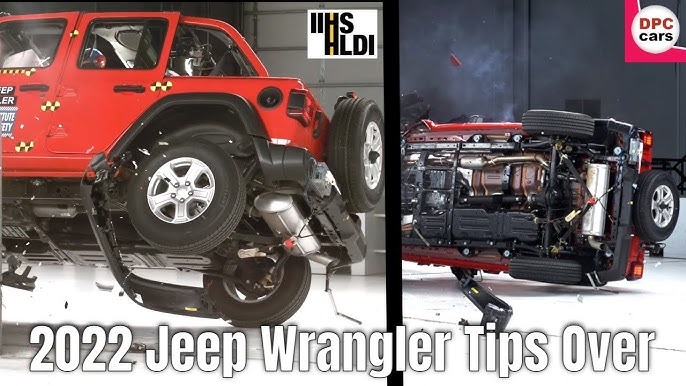
But you might have heard stories about these vehicles tipping over. Is this a real risk, or just a myth?
Let’s explore the facts, clear up confusion, and help you understand what affects the stability of a Jeep Wrangler.
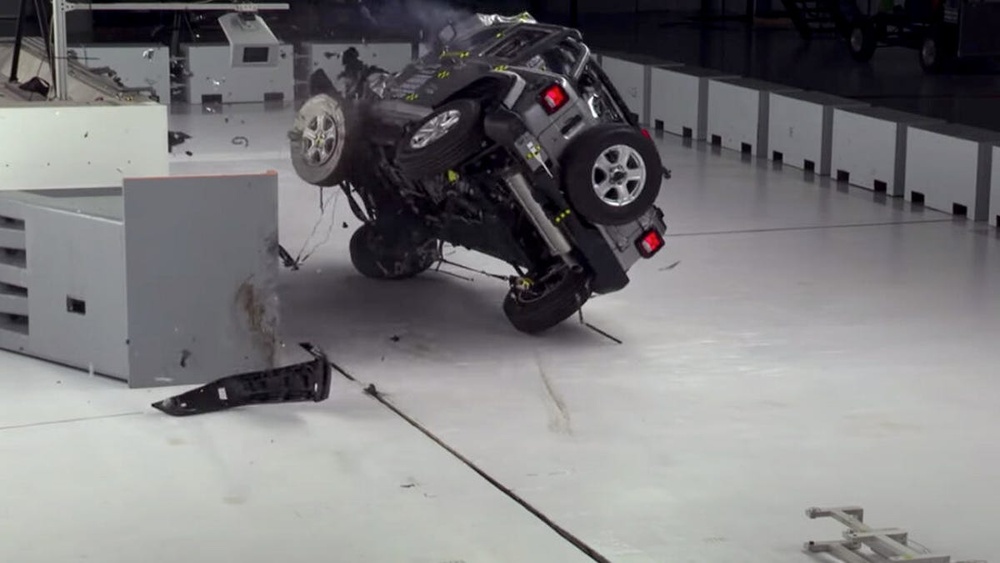
Why Jeep Wranglers Are Prone To Tipping
The Wrangler is designed for tough terrain, not just city streets. It sits higher off the ground than most cars, giving it great off-road ability. But this high center of gravity is also a reason why Wranglers can tip more easily than lower vehicles.
According to the National Highway Traffic Safety Administration (NHTSA), the Jeep Wrangler has a rollover risk of about 27.9% during a single-vehicle crash. By comparison, many sedans have a risk below 10%. This doesn’t mean Wranglers are unsafe, but it shows the importance of careful driving.
Comparing Jeep Wrangler Stability
To see how Wranglers stack up against other vehicles, here’s a comparison of rollover rates:
| Vehicle Model | Rollover Risk (%) | Ground Clearance (inches) |
|---|---|---|
| Jeep Wrangler | 27.9 | 10.8 |
| Toyota Camry | 9.5 | 5.7 |
| Ford Explorer | 23.6 | 8.2 |
| Honda CR-V | 15.3 | 7.8 |
Wranglers have a higher risk because of their design. Most SUVs have more rollover danger than cars, but Wranglers are at the top.

Common Situations Where Tipping Happens
Wranglers usually tip in these scenarios:
- Sharp turns at high speed: The high center of gravity makes the vehicle lean more, especially on pavement.
- Off-roading on uneven ground: One wheel may go much higher or lower than the others, tilting the vehicle.
- Sudden swerves: Quick movements to avoid something can shift weight fast.
- Lifting the suspension: Many owners add lift kits to make Wranglers taller. This increases tipping risk.
Here’s a look at how lift kits affect stability:
| Lift Height (inches) | Estimated Rollover Risk Increase (%) | Notes |
|---|---|---|
| 0 (stock) | 0 | No modification |
| 2 | +5 | Moderate lift |
| 4 | +12 | High lift |
Adding a lift makes the Wrangler better at clearing obstacles, but also easier to tip over. Many beginners ignore this risk and think more lift is always better.
Real-world Data: Are Wranglers Actually Dangerous?
Wrangler rollovers are not common in normal driving. Most incidents happen off-road or during extreme maneuvers.
Insurance data shows that Wrangler drivers file more claims for rollover than sedan drivers, but not more than other off-road SUVs.
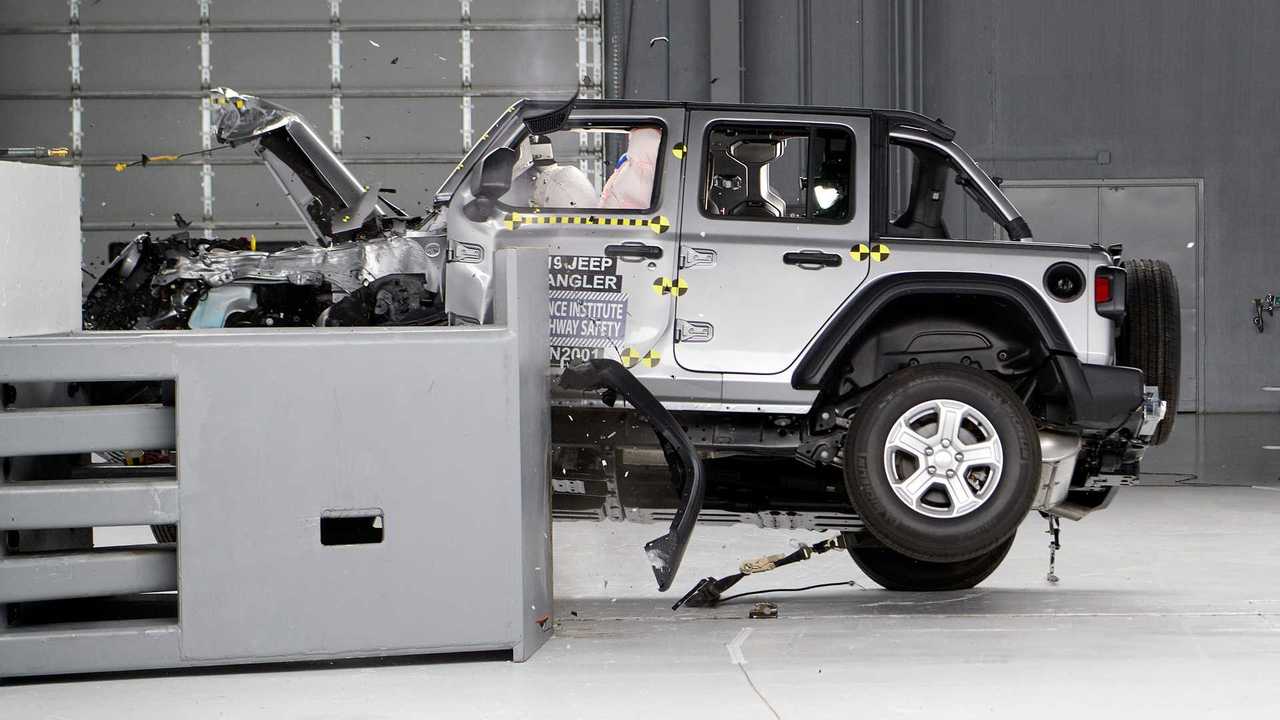
Important insight: The Wrangler’s design makes it safer in a rollover than many other vehicles. The strong roof and roll bars protect passengers. So, while the risk is higher, the chance of serious injury is lower if you wear seat belts and drive responsibly.
Tips For Preventing Tip-overs
You can reduce the risk by following these steps:
- Drive slowly on curves: Avoid speeding, especially in turns.
- Don’t overload: Too much weight high up makes tipping easier.
- Check tire pressure: Uneven tires affect balance.
- Avoid sudden movements: Gentle steering is safer.
- Be careful with lift kits: If you lift your Wrangler, understand the new limits.
Many owners forget that even small lifts change how the vehicle handles. Test your Wrangler in a safe area before going on tough trails.
How Modern Features Help
Recent Wranglers have safety technology to prevent tipping:
- Electronic Stability Control (ESC): This system helps keep the vehicle stable during sharp turns.
- Traction control: Reduces slipping on loose or wet surfaces.
- Anti-lock brakes (ABS): Helps control during sudden stops.
These features lower rollover risk, but they can’t change the laws of physics. Always respect the limits of your Wrangler.
Comparing Wrangler Generations
Older Wranglers (before 2007) had fewer safety features. Newer models are much better equipped. Here’s a quick comparison:
| Model Year | ESC Included | Rollover Risk (%) |
|---|---|---|
| 2006 | No | 31.8 |
| 2015 | Yes | 27.5 |
| 2023 | Yes | 26.8 |
New Wranglers are a bit safer, but the basic design hasn’t changed much. Don’t rely only on technology; good driving matters most.
Non-obvious Insights For Owners
- Aftermarket parts: Heavy roof racks or spare tires can change balance. Always check how your upgrades affect stability.
- Tire choice: Off-road tires look cool, but they may reduce grip on pavement. Choose tires based on how you use your Wrangler.
Many people ignore these details, but they make a big difference.
Should You Worry About Tipping?
If you use your Wrangler for city driving and light trails, tipping is rare. The risk is higher if you push the vehicle hard, add lifts, or carry heavy loads.
Respect the limits, drive with care, and your Wrangler will stay upright.
Wranglers are built for adventure, not speed. Enjoy the experience, but understand the risks.
Driving smart is the best safety feature you have.