Jeep Wranglers are famous for their off-road ability and rugged look. But many people wonder: Do Jeep Wranglers ride smooth on regular roads?
If you’re thinking about buying a Wrangler for daily use, understanding its ride quality is important. Let’s explore what you can expect, how it compares to other vehicles, and what real owners say about driving a Wrangler every day.
What Influences The Ride Quality Of A Jeep Wrangler?
Several factors shape how a Wrangler feels on the road. The most important are:

- Suspension design
- Tire type
- Body style
- Vehicle weight
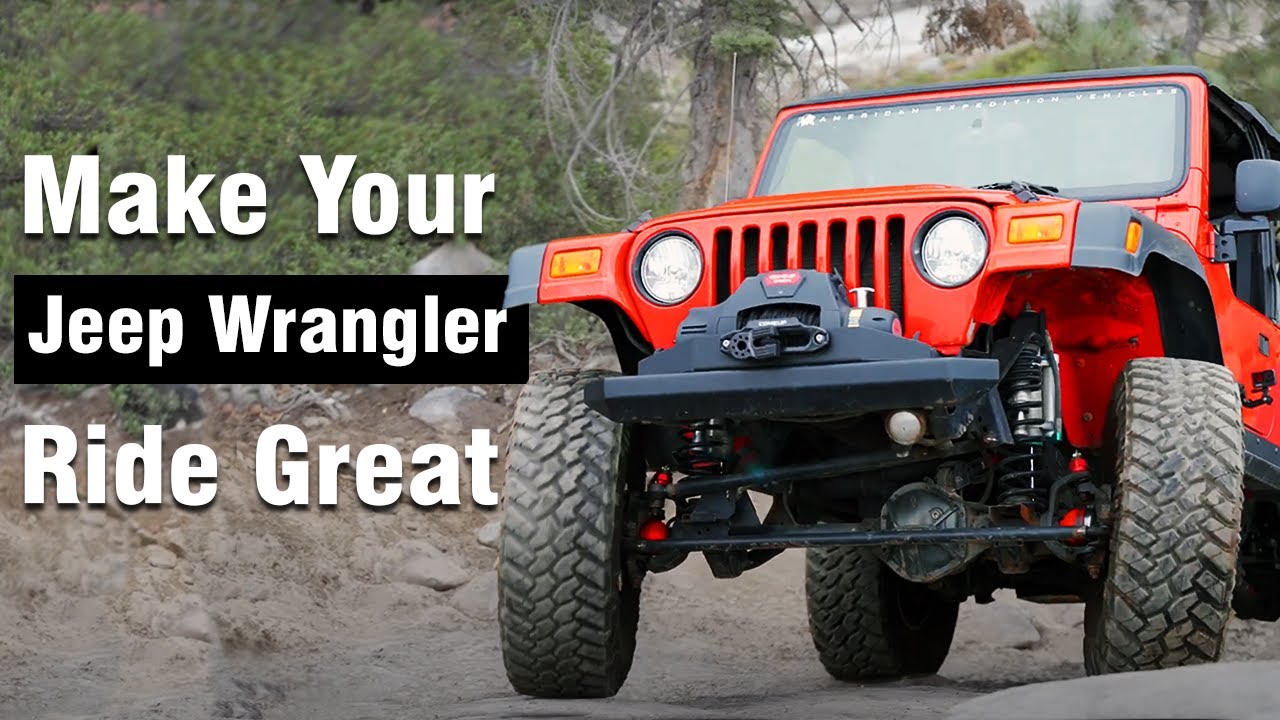
Wranglers use a solid axle suspension. This setup is strong and perfect for uneven trails, but it can feel stiff or “bouncy” on paved streets. Large, knobby tires add grip off-road but can make the ride noisier and rougher on highways.
Comparing Wranglers To Other Suvs
If you’re used to driving a crossover or luxury SUV, a Wrangler’s ride may surprise you. The following table shows how Wranglers compare to other popular vehicles in terms of ride comfort, using owner reviews and expert ratings:
| Vehicle | Ride Comfort (1-10) | Road Noise | Suspension Type |
|---|---|---|---|
| Jeep Wrangler | 5 | High | Solid Axle |
| Toyota RAV4 | 8 | Low | Independent |
| Honda CR-V | 8 | Low | Independent |
| Ford Bronco (2-Door) | 6 | Medium | Solid Axle (rear) |
As the table shows, Wranglers score lower in comfort compared to most modern SUVs. The solid axle is less forgiving on bumps and potholes.
On-road Experience: What To Expect
Driving a Wrangler on pavement is a unique experience. Here’s what most drivers notice:
- Firm suspension: The ride feels stiffer, especially over rough roads or speed bumps.
- Noticeable body roll: In sharp turns, the Wrangler leans more than many cars.
- Road and wind noise: The boxy shape and removable roof mean you hear more from outside.
- Steering feel: The steering is less precise at highway speeds.
However, Wranglers have improved. The latest JL generation (2018+) is more refined than older models.
Owners say the ride is better, but it’s still not as smooth as a crossover.
Wranglers: City Vs. Highway Vs. Off-road
Where you drive matters a lot. Here’s a quick breakdown:
| Environment | Ride Quality | Key Factors |
|---|---|---|
| City Streets | Moderate | Handles potholes but feels bumpy |
| Highway | Average | Stable, but noisy and less smooth |
| Off-Road | Excellent | Designed for rocks, mud, uneven surfaces |
The Wrangler shines off-road but makes trade-offs on city and highway routes.
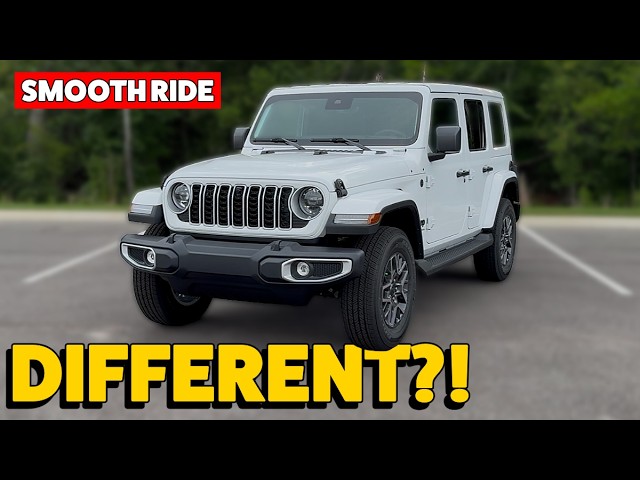
Why Wranglers Ride The Way They Do
Jeep Wranglers are built for tough terrain. Their ladder frame chassis and solid axles are great for climbing, fording streams, and handling rocks. But these features don’t absorb small bumps the same way as a car with an independent suspension.
Two insights many first-time buyers miss:
- Short wheelbase models (two-door Wranglers) ride rougher than the four-door Unlimited models. The longer wheelbase spreads out bumps, making the ride a bit smoother.
- Tire choice matters: Swapping mud tires for all-season or highway tires can quietly improve the ride and reduce noise.
Owner Reviews: Real-world Feedback
Looking at owner forums and surveys, you’ll find mixed opinions. Some drivers love the “classic Jeep feel,” while others are surprised by the roughness. Here are common comments:
- “It’s not a luxury car, but it’s fun and unique.”
- “After a long drive, you feel more tired compared to my old SUV.”
- “The four-door rides much better than the two-door. I switched and noticed the difference right away.”
Many owners say you get used to the Wrangler’s ride over time, and the benefits off-road are worth the trade-off.

Can You Improve The Wrangler’s Ride?
If you want a smoother ride, there are some practical steps:
- Change the tires: All-terrain or highway tires reduce noise and bumps.
- Upgrade the shocks: High-quality shocks can soften harsh impacts.
- Check tire pressure: Too much air makes the ride harsher; follow Jeep’s recommendations.
- Add weight: Carrying extra gear or keeping the gas tank full can sometimes calm the bounce, especially in two-door models.
However, you won’t make a Wrangler ride like a sedan. Modifications help, but the core design limits how smooth it will ever feel.
Is A Jeep Wrangler Right For You?
The Wrangler is a great choice if you:
- Love outdoor adventures
- Need real off-road skills
- Don’t mind a firmer, louder ride
If you want a quiet, car-like experience for commuting, a Wrangler probably isn’t the best fit. Consider test-driving one on your regular routes before making a decision.
For more technical details on Jeep Wrangler design, check the official Jeep Wrangler Wikipedia page.
Frequently Asked Questions
Why Don’t Wranglers Ride As Smooth As Other Suvs?
Wranglers use a solid axle suspension and body-on-frame construction. These are strong for off-roading but less comfortable on regular roads compared to independent suspension systems.
Does The Four-door Wrangler Ride Smoother Than The Two-door?
Yes. The four-door Unlimited has a longer wheelbase, which helps it handle bumps better. Most owners notice a smoother ride compared to the two-door model.
Can Changing Tires Really Make A Big Difference?
Absolutely. All-terrain or highway tires have softer sidewalls and less aggressive tread. They absorb bumps better and make the ride quieter.
Is The Ride Quality Better In Newer Wranglers?
Recent models (2018 and newer) have improved suspension and better noise insulation. The ride is smoother than older Wranglers but still not as plush as crossovers.
Will Aftermarket Parts Void My Jeep’s Warranty?
Some modifications, like aftermarket shocks or tires, don’t usually void the warranty if installed correctly. But major changes to the suspension might. Always check your owner’s manual or ask your dealer.
Jeep Wranglers offer a unique driving experience that’s not always smooth but has its own charm. If you value adventure and don’t mind a bit of roughness, the ride can be part of the fun.