Wrangler lifespan is not a guaranteed mileage number. A long-lasting Jeep usually has records, controlled corrosion, timely repairs and modifications that were installed with care.
Quick Answer
Wranglers can remain useful at high mileage, but no odometer number guarantees a good vehicle. Maintenance records, rust, roof leaks, drivetrain condition, tire wear and modification quality matter more than a single lifespan claim.
Cold Starts Reveal Useful Clues
Listen for unusual noises, watch warning lights and check idle quality before the seller warms the engine. A longer drive should include temperature and shift behavior.
Roof and Water Intrusion Need Attention
Check carpets, seals, removable panels and cargo areas after rain when possible. Water issues may create odor, trim damage and electrical concerns.
Modifications Need Their Own Inspection
Lift kits, wheels, bumpers and aftermarket wiring may serve a real purpose or create extra repair work. Ask who installed them and inspect the quality.
Build a First-Year Maintenance Plan
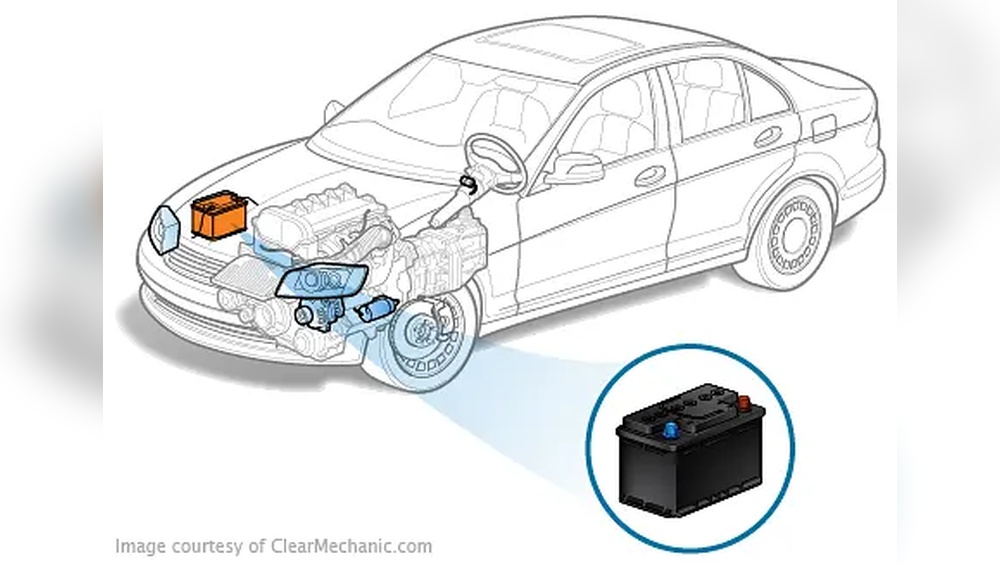
List urgent safety work, fluids, tires, battery age and expected repairs. A clear budget makes high-mileage ownership more manageable.
Plan for Wear Items
High-mileage Wrangler ownership often involves tires, brakes, steering components, fluids and battery replacement. Price normal wear before treating every expense as an unexpected failure.
When to Walk Away
Pause the purchase when rust is structural, the seller hides warning lights, the cooling system is unstable or modifications cannot be explained.
Recheck After the First Month
After purchase, inspect fluid levels, tire pressure, steering feel, roof seals and any warning messages. A first-month review catches small issues before they become an expensive ownership pattern.
Mileage Needs a Maintenance Timeline
Write major service events beside the odometer reading: fluids, brakes, cooling work, tires, battery and steering repairs. The timeline shows whether ownership was proactive or reactive.
Water Leaks Deserve a Slow Inspection
Lift carpets when appropriate, smell for dampness and check seals after rain. A small leak can become an electrical or odor problem over time.
Plan a Baseline Service After Purchase
Even a good Wrangler benefits from a first-month review. Confirm fluid levels, tire pressures, battery condition and the repair list from the inspection.
Key Details to Check
| Item | What to verify | Why it matters |
|---|---|---|
| Rust | Frame, mounts and brake lines | Corrosion may outweigh mileage |
| Records | Fluids, brakes and cooling work | Shows how the Jeep was maintained |
| Roof | Seals, carpets and water marks | Leaks create extra ownership work |
| Modifications | Lift, tires and wiring | Quality affects dependability |
Longevity Starts With Baseline Maintenance
After buying a used Wrangler, establish a baseline. Review fluids, brakes, battery health, cooling system, tires and service intervals.
A documented starting point makes later changes easier to interpret.
Check for Corrosion Beyond the Visible Body
Use a lift and inspect frame sections, mounts, brake lines and skid plates. Surface appearance on the body may hide more serious underside work. Ask about fresh coatings and previous repairs.
Trail Use Changes the Inspection
Look for contact marks, damaged skids, bent hardware, mud trapped in corners and tire damage. Off-road use is not automatically bad, but the Jeep should show careful maintenance afterward.
Treat Roof Leaks Early
Small leaks may damage carpets, trim and electrical connectors. Inspect after rain when possible.
Fix the source instead of masking odor or replacing only the wet floor mat.
Track Repairs by Mileage
Keep receipts and odometer notes. A pattern of repeat repairs may matter more than one isolated failure.
Records also help the next buyer understand how the Wrangler was cared for.
Watch Steering and Suspension Wear
During the road test, listen over bumps and check whether the Wrangler tracks straight. Large tires, trail use and age may place extra demand on steering and suspension components.
Inspect the Cooling System
Look for coolant smell, stains, unstable temperature or a history of overheating. Cooling problems deserve attention before a high-mileage purchase becomes a daily driver.
Use a Repair Calendar
Turn the inspection findings into a schedule. Complete safety work first, then fluids and wear items.
A calendar keeps normal aging from becoming a pile of delayed repairs.
Use Mileage as a Scheduling Tool
Odometer readings help plan fluids, wear items and inspection intervals. They do not guarantee remaining life.
A maintenance calendar tied to mileage makes the number useful without turning it into a promise.
Schedule a Post-Purchase Inspection
Even after a pre-purchase review, arrange a follow-up after the first weeks of driving. Recheck fluid levels, steering feel, warning lights and roof seals after you have used the Wrangler in your normal routine.
Rust Can Matter More Than Mileage
Inspect frame sections, suspension mounts, brake lines and body seams. A lower-mileage Wrangler with serious corrosion may be a worse purchase than a well-kept higher-mileage example.
Step-by-Step Review
- Start the Wrangler cold.
- Inspect frame areas and brake lines.
- Review maintenance receipts.
- Test roof hardware and four-wheel drive.
- Scan for stored faults.
- Price the first-year repair list.
Common Mistakes to Avoid
- Treating mileage as a guarantee
- Ignoring frame corrosion
- Skipping the roof-leak check
- Assuming every modification adds value
Frequently Asked Questions
Can a Wrangler last a long time?
Yes, when condition, maintenance and corrosion control are handled well.
Is lower mileage always better?
No. Records and condition also matter.
Should I inspect a modified Jeep differently?
Yes. Review the installation quality and fitment.
Final Takeaway
A Wrangler can remain useful for years when maintenance, rust control and repairs are handled early. Buy the records and condition, not a reassuring odometer number.