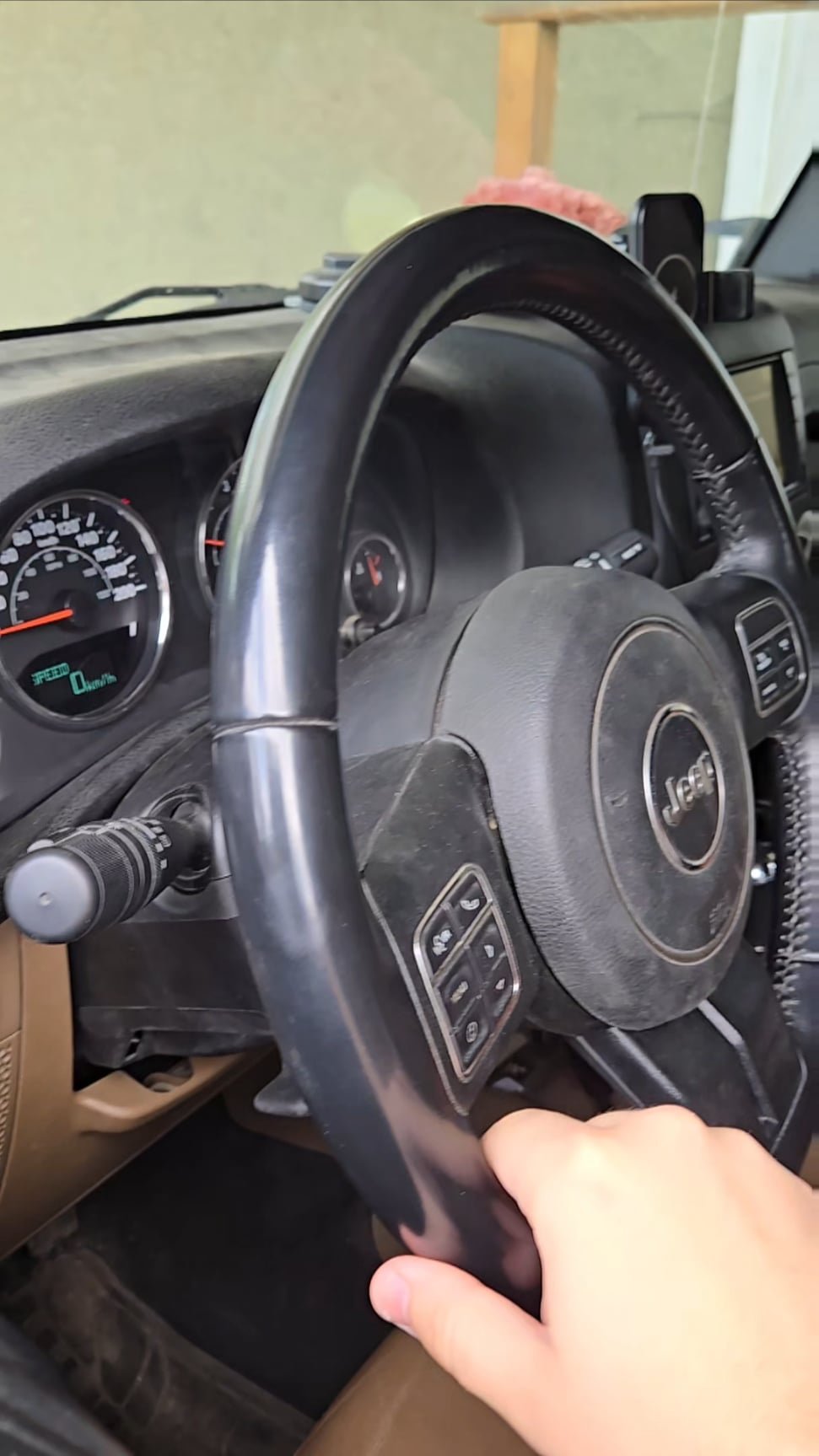
Many Jeep Wrangler owners and fans love the rugged, adventurous spirit these vehicles offer. But if you search Jeep forums or talk to Wrangler drivers, you might hear one common complaint: “Why does my steering feel loose?” This question is important, especially for those who spend time both on highways and off-road trails. A loose steering wheel can make driving less comfortable and even risky in certain situations. So, do Jeep Wranglers really have loose steering, or is it just a myth? Let’s dive into the facts, real experiences, and expert advice to help you understand what’s going on and what you can do about it.
Why Jeep Wranglers Feel Different
Jeep Wranglers are not built like most other SUVs or cars. They are designed for off-road use, with solid front axles, large tires, and a boxy frame. These design choices give the Wrangler its famous off-road ability, but they also affect on-road handling.
Wranglers use a recirculating ball steering system instead of the rack-and-pinion style found in most modern vehicles. This system is strong and can handle rough trails, but it often leads to more “play” or looseness in the steering wheel. Drivers may notice a delay or extra movement before the wheels respond, especially at higher speeds.
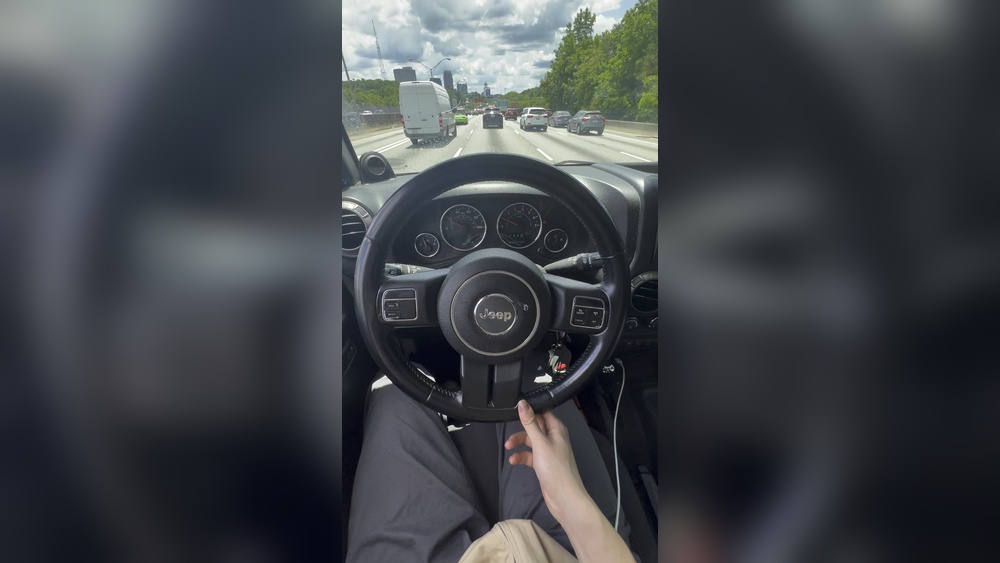
Loose Steering: Common Or Problematic?
Most Jeep Wrangler owners notice some degree of steering looseness, especially in:
- JK (2007–2018)
- JL (2018–present)
- Older models (TJ, YJ, CJ)
However, what feels “normal” to one driver might be a concern for another.
For example, a small amount of movement in the steering wheel is expected, but if the Jeep starts to wander or feels hard to control, it could be a sign of a problem.
Comparing Wrangler Steering To Other Suvs
Here’s a quick comparison of the Wrangler’s steering with a typical modern SUV:
| Feature | Jeep Wrangler | Modern SUV (e.g., Toyota Highlander) |
|---|---|---|
| Steering System | Recirculating Ball | Rack-and-Pinion |
| Steering “Play” | Moderate to High | Low |
| Highway Stability | Average to Poor | Good |
| Off-Road Durability | Excellent | Moderate |
This table shows why some drivers are surprised by how a Wrangler handles, especially if they’re used to modern crossovers or sedans.
Causes Of Loose Steering In Jeep Wranglers
Not all steering looseness is normal. Here are some common causes:
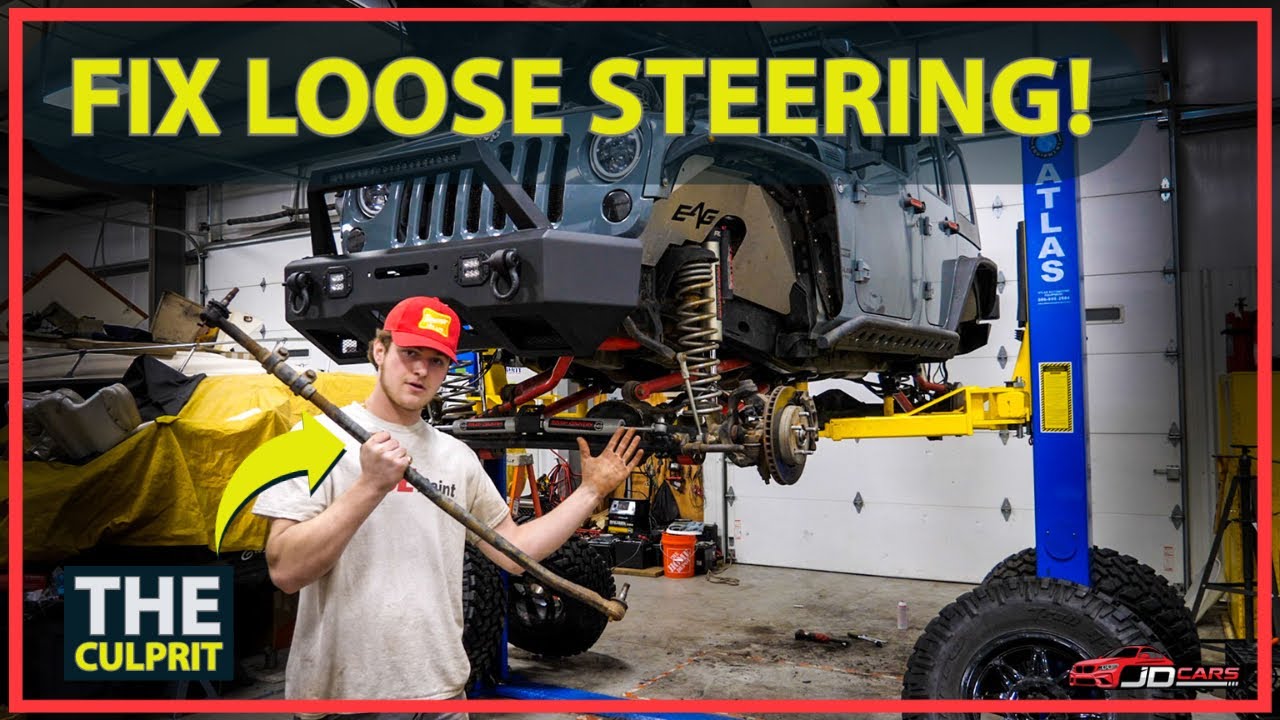
- Worn Steering Components: Tie rods, ball joints, or steering boxes can wear out, especially if you drive off-road.
- Improper Wheel Alignment: Hitting a curb or rough trail can knock alignment out of place, causing wandering.
- Lift Kits and Large Tires: Many owners lift their Jeeps or add bigger tires, which can increase steering play if not installed correctly.
- Low Tire Pressure: Soft tires can make the steering feel sloppy.
- Loose or Damaged Track Bar: The track bar keeps the front axle centered. If it’s loose, steering can feel “floaty.”
Real-world Example
A 2020 Jeep Wrangler JL owner reported their steering felt loose above 55 mph. After checking, a dealership found the track bar bolts were not tightened to the correct torque. Once fixed, the steering improved a lot.
How Much Looseness Is Normal?
Some play in the steering wheel is expected in Wranglers. For example, you might notice up to 1-2 inches of movement before the wheels react. If the Jeep drifts across lanes, requires constant correction, or feels unstable, that’s not normal.
Here’s a look at typical steering “play” by model:
| Wrangler Generation | Expected Steering Play | Action Needed? |
|---|---|---|
| YJ/TJ (1987–2006) | 1-2 inches | No, unless excessive |
| JK (2007–2018) | 1-2 inches | Check if over 2 in. |
| JL (2018–present) | 0.5-1.5 inches | Check if over 1.5 in. |
Fixing And Improving Wrangler Steering
If your Jeep feels too loose, there are steps you can take:
- Inspect Components: Check tie rods, ball joints, track bar, and steering box for wear.
- Tighten Bolts: Make sure all steering and suspension bolts are tightened to the correct torque.
- Check Alignment: Get a professional alignment, especially after off-roading or hitting potholes.
- Upgrade Parts: Consider aftermarket track bars or steering stabilizers for better control.
- Balance and Inflate Tires: Keep tires balanced and at the proper pressure.
Two Insights Most Beginners Miss
- Lift kits often require upgraded steering parts. Many people install a lift without upgrading the track bar or drag link, which can make steering worse.
- Steering stabilizers do not fix underlying problems. They reduce vibration, but they can hide issues instead of solving them.
When To See A Mechanic
If your Jeep pulls hard to one side, makes clunking noises, or feels unsafe, see a professional. These can be signs of serious problems that need immediate attention.
For more technical info on Jeep steering systems, the Jeep Wrangler Wikipedia page is a reliable source.
Frequently Asked Questions
Why Do Jeep Wranglers Have More Steering Play Than Other Vehicles?
Wranglers use a recirculating ball steering system and solid front axles, which are great for off-roading but create more play compared to modern rack-and-pinion setups.
Is Loose Steering In A Jeep Wrangler Dangerous?
A small amount of play is normal, but excessive looseness can be dangerous. If you have trouble staying in your lane or controlling your Jeep, get it checked right away.
Can I Fix Loose Steering Myself?
You can check for obvious issues like loose bolts or low tire pressure. But if you’re not experienced with steering systems, it’s best to let a professional inspect and repair your Jeep.
Does Lifting A Wrangler Make The Steering Worse?
Yes, especially if you don’t upgrade related parts like the track bar or drag link. A lift changes the suspension geometry, which can increase steering looseness if not corrected.
Are Newer Wranglers (jl) Better Than Older Models For Steering Feel?
The JL generation improved steering feel compared to older Wranglers, but some looseness is still common. It’s better than before, but not as tight as most modern SUVs.
Jeep Wranglers are unique vehicles built for adventure, not perfect highway manners. A bit of steering play is normal, but you should not feel unsafe or out of control.
Regular checks, smart upgrades, and understanding your Jeep’s limits will keep your ride both fun and safe.