When you’re building out your Jeep for off-roading, one of the most common and practical modifications is a snorkel. A Jeep snorkel is designed to raise your engine’s air intake point, preventing water from entering the engine when you’re tackling deep water crossings.
It’s a crucial piece of equipment for serious off-roaders.
However, many Jeep owners also love to add auxiliary lighting, especially light bars, to their vehicles. These bright lights are fantastic for night driving on trails or for simply improving visibility in challenging conditions. The big question that often comes up is: Can you fit a Jeep snorkel if you already have a light bar installed, or if you plan to install one?
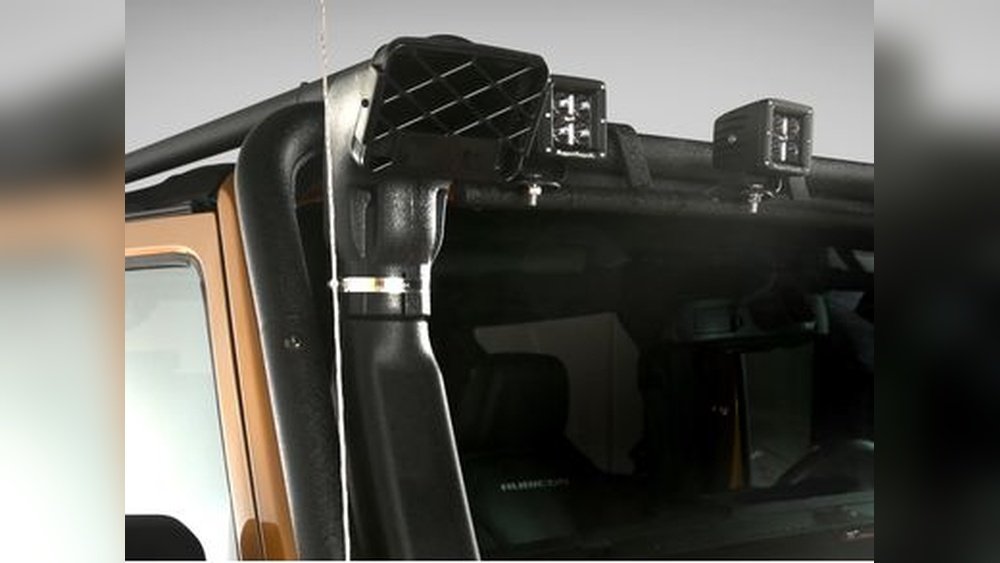
This is a very common dilemma for Jeep enthusiasts. The placement of a light bar, particularly those mounted on the windshield frame or roof rack, can sometimes interfere with the optimal mounting position for a snorkel head.
The good news is that with careful planning, the right snorkel kit, and sometimes a bit of creativity, it’s often possible to have both.
This article will explore the factors involved, the potential challenges, and the solutions for fitting a Jeep snorkel when a light bar is part of your setup.
Understanding Jeep Snorkel Placement
Before diving into the conflict between snorkels and light bars, it’s essential to understand why snorkels are placed where they are and how they work. A snorkel’s primary function is to provide clean, cool air to the engine.
By raising the intake point, it draws air from higher up, away from dust, mud, and water on the trail.
Most Jeep snorkels are designed to mount along the A-pillar (the pillar between the windshield and the front door) or the cowl area at the base of the windshield. The snorkel head, which is the part that faces outwards, is typically positioned near the top of the windshield or slightly above it.
This placement ensures it’s high enough to be effective in water crossings and also allows for a relatively straightforward installation by routing the intake pipe down to the engine bay.
The A-pillar is a popular mounting location because it offers a sturdy surface and a direct path for the intake pipe to run down into the engine compartment. Many snorkel manufacturers design their kits specifically for this area.
The cowl area is another common spot. This is the panel between the hood and the windshield. Some snorkels can be mounted here, with the head extending upwards. This can sometimes offer more clearance, but it might require cutting a larger hole in the bodywork.
The Light Bar Challenge
Light bars, especially larger ones, can create significant obstructions when you’re trying to mount a snorkel. Here’s why:
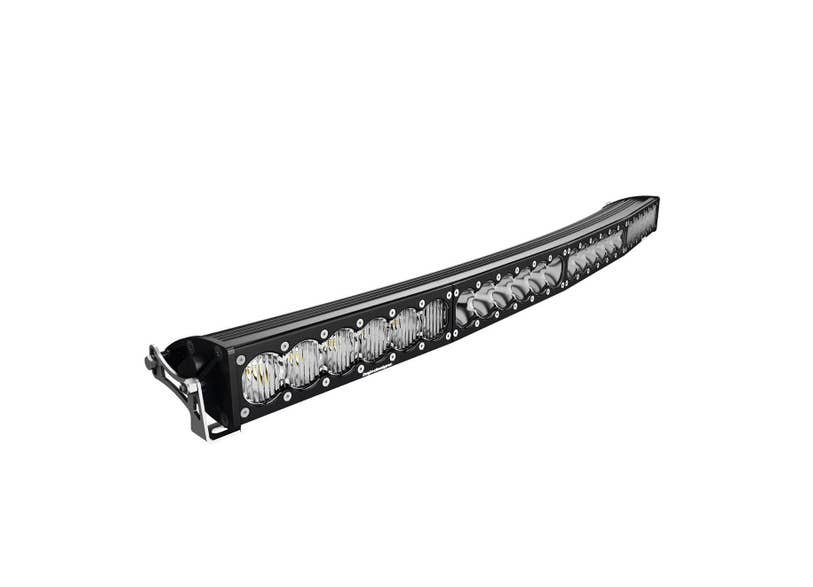
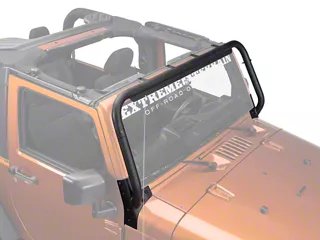
- Windshield-Mounted Light Bars: Many popular light bars are mounted directly to the Jeep’s windshield frame using brackets. These brackets often sit quite high, right where the snorkel head needs to be positioned for optimal airflow and water protection. A large light bar, or even its mounting brackets, can physically block the space required for the snorkel head.
- Roof Rack Mounted Light Bars: If your light bar is mounted on a roof rack, it might seem like there’s less of a conflict. However, the snorkel head is usually positioned to draw air from the side of the vehicle, not directly from above. If the roof rack and its light bar are very low or extend too far down the windshield, they can still interfere with the snorkel head’s placement or the airflow to it.
- Size and Shape: Light bars come in various lengths and profiles. A slim, low-profile light bar might cause fewer issues than a bulky, high-mounted one. The shape of the snorkel head itself also plays a role; some are more compact than others.
Can You Have Both? The Possibilities
The short answer is yes, often you can have both a Jeep snorkel and a light bar. However, it’s rarely a simple plug-and-play situation, especially if you’re trying to install a pre-existing light bar and a standard snorkel kit simultaneously. It requires careful consideration of the specific components you’re using.
1. Choosing The Right Snorkel Kit
Not all snorkel kits are created equal. Some are designed with more flexibility in mind, or their mounting points might be slightly different.
- A-Pillar Kits: Many A-pillar snorkels have a snorkel head that can be positioned at different heights or angles along the pillar. This adjustability is key. You might be able to mount the snorkel head slightly lower or higher than the manufacturer’s most common recommendation to clear your light bar brackets.
- Cowl Induction Snorkels: Some snorkels are designed to mount on the cowl. These might offer a different clearance profile, potentially avoiding conflict with windshield-mounted light bars. However, they often require more significant body modifications.
- Universal vs. Vehicle-Specific: While most snorkels are vehicle-specific (e.g., for a Jeep Wrangler JK, JL, TJ), some universal kits might offer more customizability in their mounting. However, these can also be more complex to install correctly.
2. Choosing The Right Light Bar And Mounts
The type of light bar and its mounting system are just as important as the snorkel.
- Low-Profile Mounts: Opt for light bar mounting brackets that sit as close to the windshield frame as possible. Some aftermarket brackets are specifically designed to keep the light bar low.
- Adjustable Brackets: Brackets that allow for some vertical or horizontal adjustment can be a lifesaver. They might let you fine-tune the position of the light bar just enough to make room for the snorkel head.
- Smaller Light Bars: If you have the choice, a smaller, more compact light bar might be easier to integrate. A 10-inch or 12-inch light bar often fits more easily than a 50-inch one across the windshield.
- Roof Rack Integration: Mounting your light bar on a roof rack can sometimes be the easiest way to avoid snorkel interference, provided the rack itself doesn’t hang down too low or create its own airflow issues.
3. Creative Solutions And Modifications
Sometimes, you’ll need to get a little creative.
- Snorkel Head Relocation: In some cases, you might be able to modify the snorkel head or its mounting plate to fit around the light bar brackets. This can be risky, as it might compromise the snorkel’s effectiveness or sealing. Always consult the snorkel manufacturer before attempting any modifications.
- Custom Fabrication: For the ultimate solution, custom fabrication is an option. A skilled fabricator can create custom mounting brackets for either the snorkel or the light bar that are designed to work together. This is often the most expensive but most effective solution.
- Alternative Snorkel Designs: Some manufacturers offer different snorkel head designs. For instance, a low-mount or recessed snorkel head might be available for certain Jeep models, designed to sit closer to the bodywork.
- Relocating the Light Bar: If the snorkel is a higher priority, you might consider relocating your light bar. Perhaps to the bumper, a hidden grille mount, or a different position on a roof rack.
Specific Jeep Models And Snorkel/light Bar Compatibility
The exact fitment will vary significantly depending on your Jeep model and the specific generation.
Jeep Wrangler Jk (2007-2018)
The JK platform is very popular for off-roading, and many aftermarket parts are available.
- Common Snorkels: Brands like ARB, Safari Snorkel, and Rugged Ridge offer snorkels for the JK. Most are A-pillar mounted.
- Common Light Bars: Windshield-mounted light bars are extremely common on JKs, often using brackets that attach to the cowl or windshield hinges.
- Potential Conflicts: A 50-inch light bar mounted across the top of the windshield is almost guaranteed to conflict with most A-pillar snorkel heads. Even smaller light bars can cause issues.
- Solutions for JK:
- Lower Mounts: Look for JK light bar mounts that position the bar as low as possible.
- Snorkel Head Adjustment: Some ARB or Safari snorkel heads can be rotated or positioned slightly lower on the A-pillar to clear brackets.
- Cowl Snorkels: Some JK snorkels are designed for the cowl, which might offer better clearance from windshield light bars.
- Alternative Light Bar Locations: Consider bumper-mounted light bars or ditch light pods.
Jeep Wrangler Jl (2018-present)
The JL generation has a slightly different body style and A-pillar design compared to the JK.
- Common Snorkels: Similar brands offer snorkels for the JL, often designed to integrate with the JL’s specific body lines.
- Common Light Bars: Windshield-mounted light bars are also popular on the JL.
- Potential Conflicts: The same general principles apply. Large windshield light bars are the most likely to cause interference.
- Solutions for JL:
- JL-Specific Mounts: Use light bar mounts designed specifically for the JL, as they often account for the body contours.
- Check Snorkel Kit Fitment: Some JL snorkels might have a slightly different snorkel head shape or mounting position that offers better clearance. Always check compatibility with your chosen light bar brand.
- Roof Rack Options: A JL roof rack system can be a good way to mount lights without interfering with an A-pillar snorkel.
Jeep Grand Cherokee, Cherokee, And Other Models
While Wranglers are the most common platforms for snorkels and light bars, other Jeep models can also be equipped with them.
- Availability: Aftermarket snorkel and light bar options are generally less extensive for models like the Grand Cherokee or Cherokee compared to the Wrangler.
- Customization Required: You may need to look for more universal snorkel kits or be prepared for custom fabrication to make them fit with light bars.
- Placement Challenges: These vehicles often have different body designs, windshield rakes, and hood shapes, which can complicate mounting.
Installation Considerations And Tips
When you’re planning to install both a snorkel and a light bar, keep these installation tips in mind:
- Test Fit Everything First: Before you drill any holes or make any permanent changes, hold the snorkel and light bar (or their mounting brackets) in place to see how they interact. This is crucial.
- Read Instructions Carefully: Always follow the manufacturer’s instructions for both the snorkel kit and the light bar mounts. Pay close attention to any diagrams or notes about clearance.
- Consider Airflow: Ensure that the snorkel head isn’t placed in a way that is directly blasted by wind resistance from the light bar or its brackets, which could affect airflow. Also, make sure the light bar itself isn’t positioned so close to the snorkel that it traps heat or debris.
- Drilling Holes: This is often the most nerve-wracking part.
- Measure Twice, Cut Once: For the snorkel, you’ll typically need to drill holes in the A-pillar or cowl. For light bars, you’ll drill into the windshield frame or cowl.
- Use Templates: Most snorkel kits come with templates for drilling. Use them accurately.
- Protect Against Rust: After drilling metal, clean the holes thoroughly and apply a good quality rust inhibitor or paint to prevent corrosion, especially on older Jeeps.
- Wiring: Both snorkels (though less common) and light bars require wiring. Plan your wiring routes carefully.
- Light Bar Wiring: Use a proper wiring harness with a relay and fuse. Route wires through grommets in the firewall to keep the cabin dry.
- Snorkel Wiring (if any): Some snorkels might have sensors or require power for an LED pre-filter light. Plan this wiring similarly.
- Sealing: Ensure all holes drilled for the snorkel are properly sealed to prevent water ingress into the vehicle body. Use the gaskets and sealants provided in the kit.
- Professional Help: If you’re not comfortable with drilling into your Jeep’s bodywork or with electrical wiring, it’s always best to seek professional installation from an experienced off-road shop. They have the tools and expertise to do it correctly and safely.
Common Mistakes To Avoid
When fitting a snorkel with a light bar, several common mistakes can lead to frustration or a compromised setup.
- Assuming Compatibility: Don’t assume a snorkel kit designed for your Jeep will automatically fit with your specific light bar and mounts. Always verify.
- Ignoring Manufacturer Guidelines: Bending or modifying snorkel components against manufacturer advice can lead to leaks, poor performance, or structural failure.
- Poor Sealing: Failing to properly seal drilled holes is a recipe for rust and leaks, which can cause significant damage over time.
- Underestimating Light Bar Size: A seemingly small light bar can have surprisingly large mounting brackets that extend further than you might expect.
- Not Considering Airflow: Blocking the snorkel head with a light bar bracket can reduce the amount of air the engine receives, potentially impacting performance.
When Snorkels And Light Bars Just Won’t Play Nice
In some situations, despite best efforts, fitting a specific snorkel and light bar combination might be extremely difficult or impossible without significant, potentially undesirable modifications.
- Very Large Light Bars: Extremely wide light bars (e.g., 50-inch or larger) mounted across the very top of the windshield, combined with snorkels that have large, fixed-position heads, can present an insurmountable physical barrier.
- Limited Snorkel Options: For certain Jeep models, there might be only one or two snorkel manufacturers, and their designs might not offer the flexibility needed.
- Aggressive Mounting Brackets: Some light bar brackets are designed for maximum rigidity and extend quite far from the mounting surface, leaving little room for anything else.
In these cases, you might have to make a choice:
- Prioritize the Snorkel: If deep water crossings are your primary concern, you might need to remove or relocate the light bar.
- Prioritize the Light Bar: If visibility on dark trails is paramount, you might have to forgo the snorkel or opt for a different type of air intake solution (though none offer the water-fording protection of a snorkel).
- Consider Alternative Snorkel Types: Some Jeep models might have less common snorkel designs, perhaps a raised air intake that mounts differently, or even a flat-style snorkel that sits lower on the fender. These might offer different clearance profiles.
Advanced Considerations: Performance And Aesthetics
Beyond just fitting, think about the broader implications:
Engine Performance
A snorkel’s primary benefit is providing cooler, denser air to the engine. When optimally placed, it can lead to slight improvements in fuel efficiency and power, especially in hot climates. However, if a light bar or its mounts obstruct the snorkel head