Jeep Snorkels And Light Bars: Can They Coexist?
Adding accessories to your Jeep is a common passion. Many off-road enthusiasts dream of a Jeep equipped with both a raised air intake (snorkel) and a light bar.
A snorkel helps your engine breathe cleaner air, especially in dusty or watery conditions, and prevents hydrolock. A light bar provides crucial visibility on dark trails or during night expeditions.
But a common question arises: Do Jeep snorkels fit if you have a light bar? The answer isn't a simple yes or no.
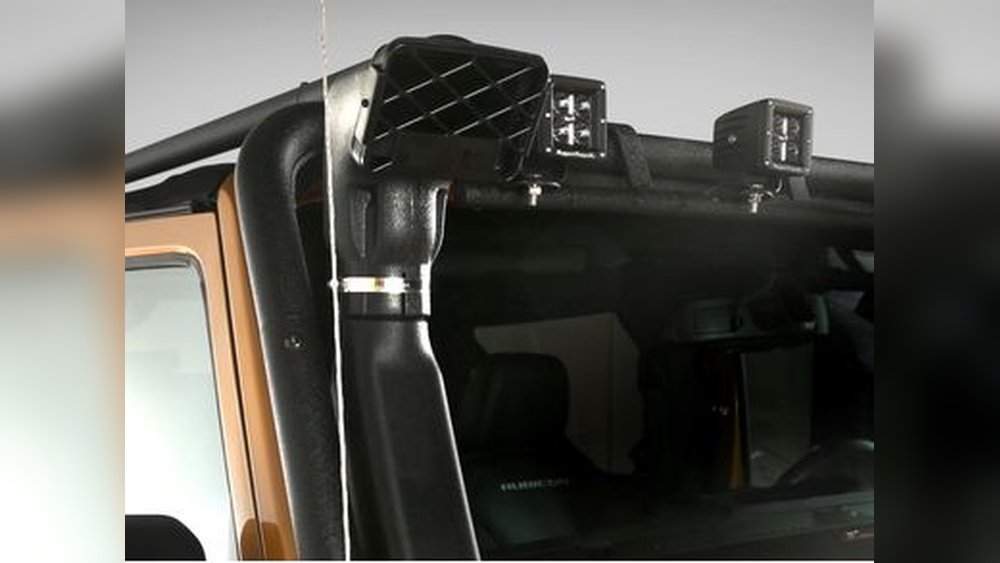
It depends heavily on the specific models of both the snorkel and the light bar, their mounting locations, and your Jeep's year and model. This article will explore the challenges, solutions, and considerations for fitting a snorkel and light bar together on your Jeep.
Understanding The Components: Snorkels And Light Bars
Before diving into compatibility, it’s essential to understand what each accessory does and where they are typically mounted.
Jeep Snorkels: Function And Placement
A snorkel’s primary purpose is to relocate your engine’s air intake point from the hot, dusty engine bay to a higher position, usually on the A-pillar or fender. This offers several benefits:
- Cleaner Air Intake: Drawing air from higher up means less dust and debris entering your engine, leading to better performance and longevity.
- Water Crossing Capability: The elevated intake significantly reduces the risk of water entering the engine, preventing catastrophic engine hydrolock during water crossings.
- Engine Performance: In some cases, cooler, denser air from higher up can slightly improve engine efficiency.
Snorkels are typically mounted on the fender and A-pillar of the Jeep. This placement is crucial because it’s a structural part of the vehicle and offers a direct path for the intake tubing. Different snorkel kits are designed for specific Jeep models and years, accounting for fender flares, body lines, and existing mounting points.
Light Bars: Function And Placement
Light bars are powerful lighting solutions that provide a wide, intense beam. They are popular for:
- Off-Road Visibility: Illuminating trails at night, spotting obstacles, and improving overall safety.
- Wider Illumination: Unlike headlights, light bars offer a much broader spread of light.
- Aesthetics: Many owners find the rugged look of a light bar appealing.
Light bars are most commonly mounted in a few key locations:
- Windshield Mounts: Attached to the A-pillars, often above the windshield.
- Grille Mounts: Placed behind the grille for a stealthier look or integrated into the grille itself.
- Bumper Mounts: Installed on custom or aftermarket bumpers.
- Roof Rack Mounts: Mounted on top of a roof rack for maximum height and spread.
The windshield mount is where most conflicts with snorkels arise because both accessories often vie for space on the A-pillar.
The Core Conflict: Space And Mounting Points
The main challenge when installing both a snorkel and a light bar is limited space, especially around the A-pillar and windshield.
A-pillar Interference
Many snorkel kits require drilling into the A-pillar for mounting brackets and routing the intake tube. Similarly, windshield-mounted light bars use brackets that attach to the A-pillar or the windshield frame.
If both accessories need to occupy the same or adjacent areas on the A-pillar, interference is almost guaranteed.
- Bracket Overlap: The mounting brackets for a snorkel might physically block the space needed for light bar brackets.
- Tubing Clearance: The snorkel’s intake tube, which runs down the A-pillar, can obstruct the view or the mounting path for a light bar.
- Structural Integrity: Drilling multiple holes in the A-pillar for both accessories needs careful consideration to maintain structural integrity.
Fender And Hood Interference
While less common than A-pillar issues, some snorkel designs extend lower onto the fender, potentially conflicting with wider light bars mounted on the bumper or grille if they have extended arms or side-mounted LEDs. The hood itself can also be a factor if a light bar is mounted very low, creating a clearance issue when opening or closing the hood.
Factors Determining Compatibility
Several factors will dictate whether your chosen snorkel and light bar setup will work together:
- Jeep Model and Year: Different Jeep models (Wrangler JK, JL, JT, older Cherokees, etc.) Have distinct body styles, A-pillar angles, and fender designs. A snorkel kit designed for a JK might not fit a JL, and vice versa. Similarly, the space available around the windshield and A-pillar varies significantly.
- Specific Snorkel Kit Design: Manufacturers like ARB, Safari Snorkel, and others offer snorkel kits with varying designs. Some have bulkier brackets, while others have more streamlined tubing. Some are designed to mount higher on the A-pillar, while others sit lower.
- Specific Light Bar and Mount Design: Light bars come in various lengths and shapes. A slim, low-profile light bar might fit where a wide, bulky one won’t. Equally important is the mounting bracket system. Some brackets are designed to be very compact, while others extend outwards. Windshield-pillar mounts are the most common point of conflict.
- Installation Method: How the snorkel and light bar are installed can make a difference. Some snorkel installations might allow for minor adjustments in placement, which could create the necessary clearance.
Common Scenarios And Potential Solutions
Let’s explore some typical scenarios and how you might overcome them.
Scenario 1: Windshield Mounted Light Bar And A-pillar Snorkel
This is the most frequent point of conflict.
- The Problem: Both accessories often need to attach to the A-pillar. The snorkel tube runs down the pillar, and light bar brackets attach to it.
- Potential Solutions:
- Choose Compatible Kits: Research specific snorkel and light bar kits known to work together. Some manufacturers even offer “combo” kits or specify compatibility. For example, a snorkel designed to mount slightly further forward on the A-pillar might leave enough room for a slim light bar bracket.
- Slim Light Bar Brackets: Opt for low-profile light bar mounting brackets that hug the A-pillar closely. Brands like Cali Raised LED or Rough Country offer various bracket styles.
- Snorkel Relocation/Modification (Advanced): In some cases, experienced fabricators might modify snorkel brackets or the intake tube routing slightly. This is not recommended for most users as it can compromise the snorkel’s effectiveness and structural integrity. Always consult the snorkel manufacturer before making modifications.
- Alternative Light Bar Placement: If A-pillar mounting proves impossible, consider other locations for your light bar:
- Roof Rack: A very common and effective solution that avoids A-pillar conflicts entirely.
- Bumper Mount: Many aftermarket bumpers have integrated light bar mounts.
- Grille Mount: Some Jeeps can accommodate light bars behind the grille.
Scenario 2: Fender-mounted Snorkel And Grille/bumper Light Bar
This scenario usually presents fewer issues.
- The Problem: If the snorkel primarily mounts to the fender and doesn’t have extensive tubing or brackets that extend forward significantly, it’s less likely to interfere with a light bar mounted lower down.
- Potential Solutions:
- Verify Clearance: Even in this scenario, it’s wise to double-check measurements. A very wide light bar or one with large side-mounted lights could still potentially rub against the snorkel’s lower section or intake head, especially when the suspension articulates.
- Consider Snorkel Head Placement: Some snorkel designs have an intake head that can be rotated. Ensuring the head is positioned away from the centerline of the vehicle can sometimes provide better clearance for other accessories.
Scenario 3: Snorkel With Integrated Light Bar Mount
Some aftermarket companies offer snorkel systems that include mounting points for small LED light bars directly on the snorkel head or A-pillar mount.
- The Benefit: This is a purpose-built solution that guarantees compatibility between that specific snorkel and light.
- The Limitation: These integrated mounts are usually designed for smaller, single-row light bars. If you want a large, powerful light bar, this might not be the solution.
Choosing The Right Components: A Step-by-step Approach
If you’re planning to install both a snorkel and a light bar, here’s a practical way to approach the selection and installation process:
- Identify Your Jeep: Know your exact Jeep model, year, and any existing modifications (like aftermarket fenders or bumpers) that might affect fitment.
- Prioritize: Decide which accessory is more critical for your immediate needs. If water crossings are frequent, the snorkel might come first. If night driving is your priority, the light bar might be essential. This can help guide your choices.
- Research Snorkel Options: Look into reputable snorkel brands (e.g., ARB, Safari Snorkel, AEV). Read reviews and check forums specific to your Jeep model to see which snorkels are popular and how they are installed. Pay close attention to mounting locations.
- Research Light Bar Options: Consider the size, beam pattern (spot, flood, combo), and brand of light bar you want. Crucially, research the mounting bracket systems available for your Jeep model.
- Check for Known Compatibility: This is the most crucial step. Search online forums, Facebook groups dedicated to your Jeep model, and manufacturer websites for discussions or specifications about combining specific snorkel models with specific light bar mounts. Many Jeep owners share their experiences, successes, and failures.
- For example, searching “JL AEV snorkel Cali Raised light bar brackets” might yield relevant results from other owners.
- Measure Carefully: If you can’t find definitive compatibility information, you’ll need to measure.
- Snorkel: Understand where the snorkel brackets mount and how much space the intake tube occupies along the A-pillar.
- Light Bar Mounts: Measure the footprint of the light bar brackets on the A-pillar or windshield frame. Note the distance from the pillar to the center of the light bar.
- Compare: Overlay these measurements mentally or physically (using tape on your Jeep) to see where conflicts might occur.
- Consider Alternative Mounts: If A-pillar mounting for the light bar is impossible with your chosen snorkel, immediately pivot to alternative mounting locations like the roof rack or bumper. This often simplifies the process significantly.
- Professional Installation: If you’re unsure about the process, especially regarding drilling into your Jeep’s body, consider professional installation. A reputable off-road shop will have experience with these types of installations and can advise on compatible parts or custom solutions.
Specific Examples And Considerations
Let’s look at some popular Jeep models and common accessory combinations.
For Jeep Wrangler Jk (2007-2018)
The JK is a very popular platform for modifications.
- Snorkels: Brands like ARB and Rugged Ridge offer snorkel kits for the JK. ARB snorkels, for instance, typically mount to the A-pillar and fender.
- Light Bars: Numerous companies produce light bars and mounting brackets for the JK, often designed for A-pillar mounting.
- Compatibility: Many JK owners successfully run both. The key is often selecting a slim-profile light bar and minimalist A-pillar brackets. Some owners report that certain snorkel designs leave just enough room for specific light bar mounts, while others find it impossible and opt for roof rack mounts.
For Jeep Wrangler Jl (2018-present)
The JL has a slightly different body style and A-pillar design compared to the JK.
- Snorkels: Brands like AEV and Rhino Rack offer snorkels for the JL. AEV snorkels are known for their robust design and integration.
- Light Bars: Similar to the JK, many options exist. However, the JL’s A-pillar can be more crowded, especially with the integrated side airbags and sensors in some models.
- Compatibility: This is where careful research is paramount. Some JL snorkel installations might leave very little room for A-pillar light bar brackets. Many JL owners find that roof rack or bumper-mounted light bars are the most straightforward solution when running an A-pillar snorkel. It’s common to see JLs with AEV snorkels paired with light bars mounted on their aftermarket bumpers.
For Jeep Gladiator Jt (2020-present)
The JT shares many similarities with the JL but has a truck bed.
- Snorkels: Kits are available from manufacturers like ARB and Rhino Rack.
- Light Bars: Abundant options exist.
- Compatibility: Similar challenges to the JL apply, particularly regarding A-pillar space. Owners often opt for roof rack or bumper-mounted light bars to avoid conflicts with A-pillar snorkels.
Installation Tips For Coexisting Accessories
If you manage to find compatible parts, careful installation is key.
Planning And Mock-up
- Dry Fit: Before drilling any holes, mock up both the snorkel and the light bar (or at least their mounting brackets) on your Jeep. Use painter’s tape to mark hole locations. This allows you to visualize clearances and make adjustments without permanent changes.
- Marking: When you’re confident about placement, use a fine-tip marker or awl to precisely mark drilling points.
Drilling And Sealing
- Protect Paint: Use masking tape around the drilling area to prevent paint scratches.
- Correct Drill Bit: Use sharp drill bits appropriate for metal. Start with a smaller pilot hole and gradually increase the size.
- Deburr Holes: Smooth the edges of drilled holes with a deburring tool or a larger drill bit spun by hand to remove sharp metal shavings.
- Rust Prevention: This is critical. Immediately treat all drilled holes with primer and touch-up paint to prevent rust. This is especially important on the A-pillar and fender edges.
- Sealant: Use a high-quality automotive-grade sealant (like silicone or butyl tape) around all mounting points before installing the brackets or snorkel components. This ensures a watertight seal and prevents leaks into the cabin or body panels.
Wiring Considerations
- Clean Wiring: Plan your wiring runs carefully. Use wire loom tubing and zip ties to secure wires neatly and prevent them from rubbing against components or the body.
- Fuse Protection: Always use fuses in your wiring circuits to protect against electrical shorts.
- Relays: For high-draw accessories like light bars and powerful snorkels (though snorkels don’t typically draw power, their associated air filters might), use relays to prevent overloading your switches and factory wiring