Jeep vehicles are famous for their off-road ability and rugged style. Many owners love the Jeep hard top for its secure feel and clean look. But some people wonder: do Jeep hard tops leak? Water leaks can be annoying and sometimes expensive to fix. This article explores why leaks happen, how to spot them early, what to do about them, and how hard tops compare with soft tops in real-world use.
Are Jeep Hard Tops Prone To Leaks?
Jeep hard tops are built to keep out rain, snow, and wind. However, like any vehicle part, they are not perfect.
Leaks can happen, especially as the Jeep ages or after removing and reinstalling the top. While most modern Jeep hard tops provide good protection, some owners still report water leaks.
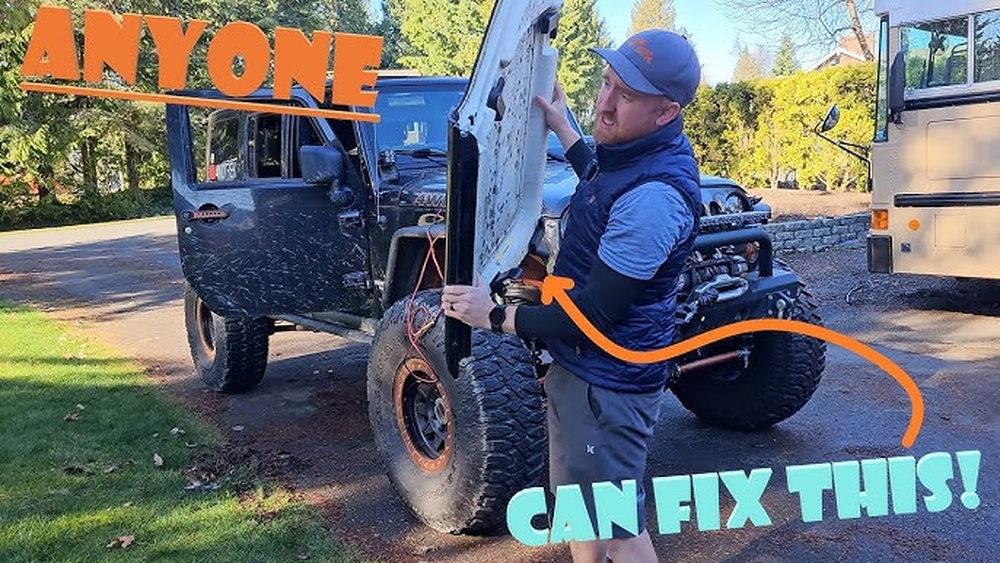
A 2022 owner survey found that about 17% of Jeep Wrangler drivers noticed a hard top leak within five years. This number is much lower than with soft tops, but it is not zero. Common reasons for leaks include worn seals, incorrect installation, or damage after an accident.
Main Causes Of Hard Top Leaks
Several factors can lead to water getting inside your Jeep:
1. Worn Weather Seals
The rubber seals around the doors, windows, and roof panels can wear out. UV rays, temperature changes, and age make the rubber less flexible.
2. Improper Installation
Jeep hard tops can be removed, but if they are not reinstalled correctly, gaps may let water in. Tightening the latches unevenly or missing a seal can be enough to cause a leak.
3. Physical Damage
Cracks, dents, or even small chips in the top or frame can break the watertight seal.
4. Clogged Drain Channels
Jeeps have small channels that help direct water away from the roof. Leaves or dirt can block these, causing overflow inside.
5. Design Flaws (rare)
Some Jeep models had issues from the factory. For example, some 2018 Wrangler JL models had seal problems that led to early leaks.
Hard Top Vs Soft Top: Leak Comparison
Many buyers ask if hard tops are better than soft tops for leak protection. Here is a quick comparison:
| Feature | Hard Top | Soft Top |
|---|---|---|
| Water Resistance | High | Medium |
| Noise Level | Low | High |
| Durability | 10+ years | 3-5 years |
| Maintenance | Low | Medium |
A hard top is almost always better at keeping water out. Soft tops may develop pinholes or zipper issues over time, which are harder to fix.
How To Identify A Leak In Your Jeep Hard Top
Finding a leak early can save you money and time. Look for these signs:
- Water stains on the headliner or seats
- Damp carpets after rain
- Musty smell inside the vehicle
- Dripping water near doors or windows
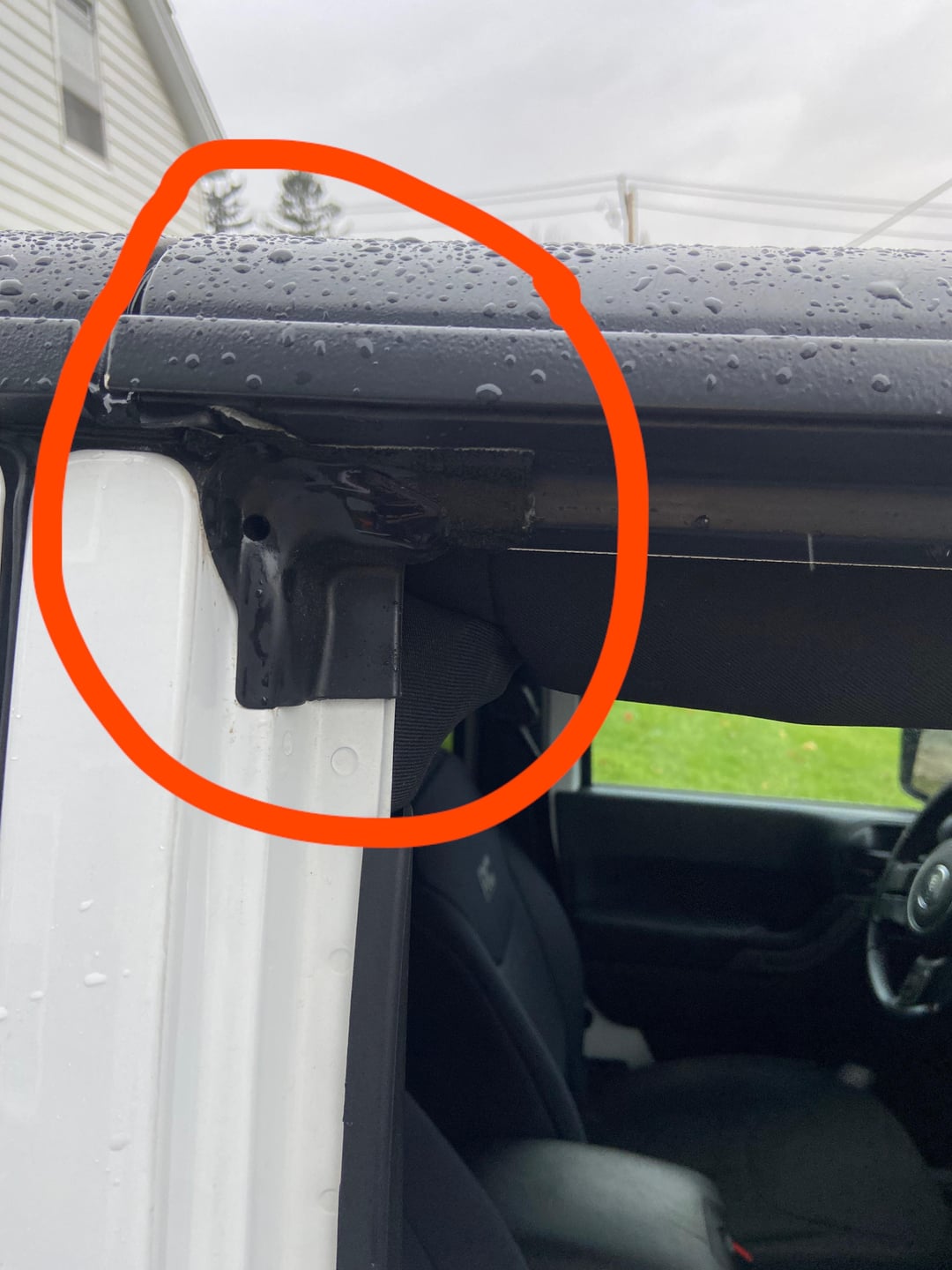
A simple way to check is to run water over your Jeep with a hose, then look inside for any wet spots. Pay close attention to the seams and corners.
Fixing And Preventing Jeep Hard Top Leaks
If you notice a leak, act quickly to prevent mold or electrical damage. Here are some steps to take:
1. Inspect And Replace Seals
Check the seals around the roof panels, doors, and windows. If they look cracked or flattened, replace them.
Aftermarket seals are easy to find and usually cost $50 $100.
2. Reinstall The Hard Top
Remove and reattach the hard top. Make sure all latches are tight and the seals are clean and in place.
3. Clean Drain Channels
Use compressed air or a thin wire to clear out any blockages in the roof drains.
4. Seal Small Cracks
For minor cracks, use automotive silicone sealant. Larger cracks may need a professional repair.
5. Check For Recalls Or Service Bulletins
Sometimes, Jeep issues updates for known problems. Check with your dealer or on the official NHTSA website to see if your model is affected.
Cost Of Repair: What To Expect
Repair costs can vary, depending on the source of the leak. Here’s a quick guide:
| Repair Type | Estimated Cost | DIY or Professional |
|---|---|---|
| Replace Seals | $50–$200 | DIY or Shop |
| Fix Cracks | $30–$300 | Mainly Shop |
| Drain Cleaning | Under $50 | DIY |
| Reseat Hard Top | Free–$100 | DIY or Shop |
DIY repairs are possible for many leaks. However, if water is coming in from a hard-to-reach place or the leak returns after repair, a professional might be needed.
Two Insights Most Jeep Owners Miss
First, seasonal changes can affect hard top fit. Extreme heat or cold makes seals expand and contract, sometimes causing leaks that only show up in certain months.
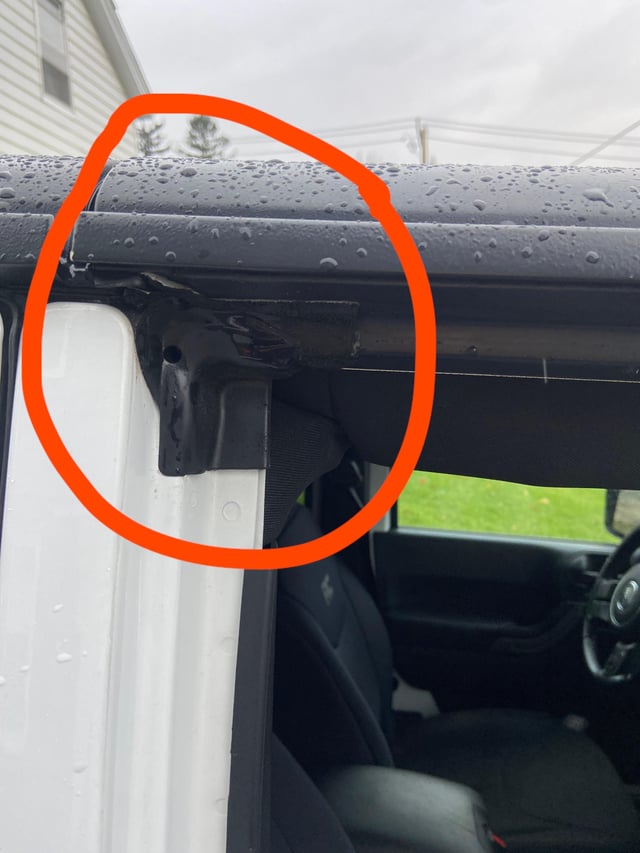
Second, roof racks and add-ons may cause leaks if not installed correctly. Drilling into the hard top or squishing seals with brackets can create new water entry points.
When To Seek Professional Help
Some leaks are easy to fix, but others can be tricky. Call a Jeep specialist if:
- You see water behind the dashboard (could be a more serious issue)
- The leak keeps returning after repair
- There is electrical trouble (wet fuses, lights not working)
- The hard top is cracked or badly damaged
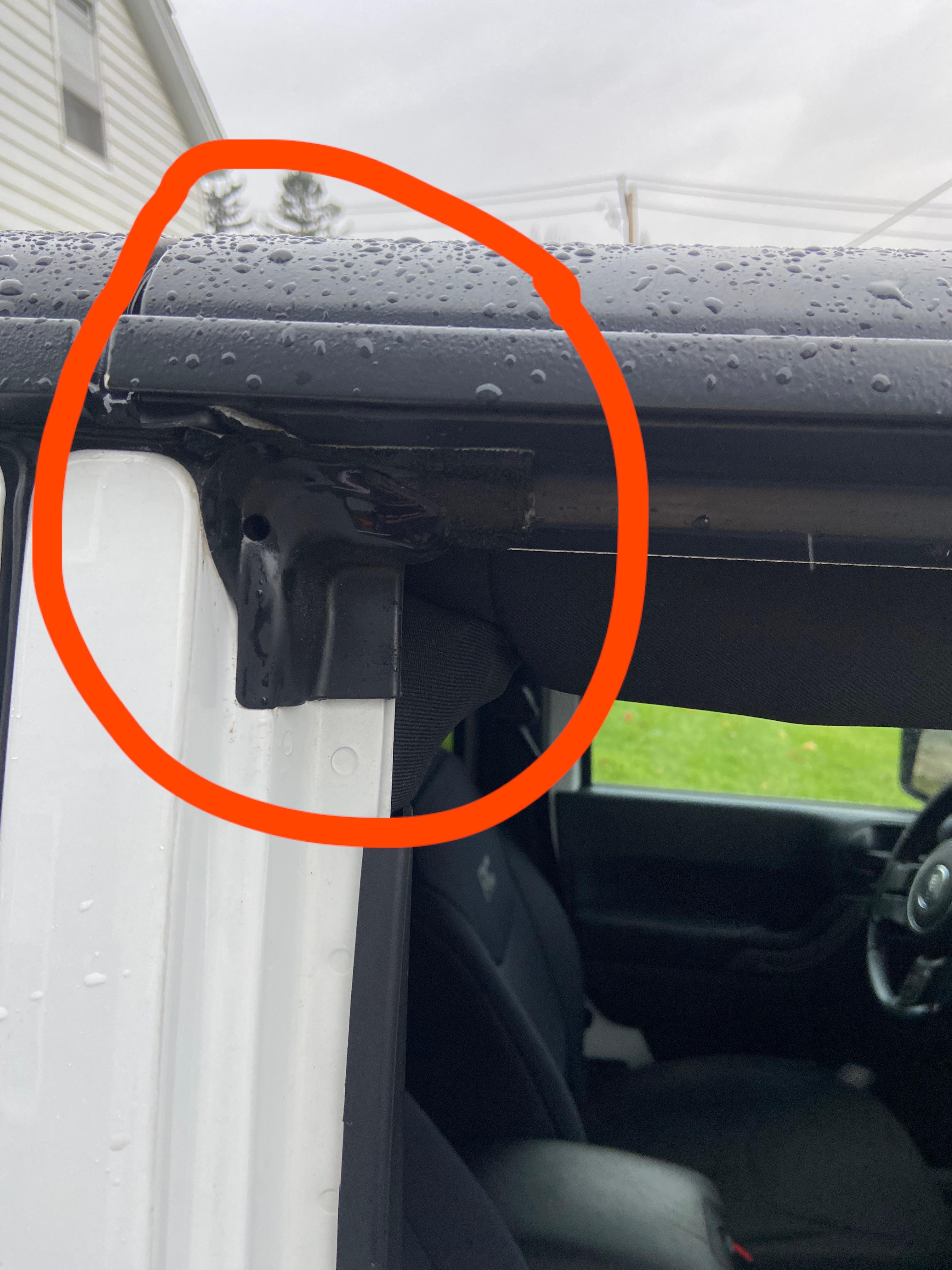
Jeep dealerships and trusted body shops have tools to find hidden leaks using special dyes or pressure tests.
Frequently Asked Questions
What Jeep Models Are Most Likely To Have Hard Top Leaks?
Older Wrangler models (especially TJ and early JK) had more problems with leaks. Newer JL and Gladiator models have better seals, but no Jeep is completely leak-proof.
How Often Should I Check My Hard Top Seals?
Inspect all seals at least twice a year—before winter and before heavy rainy seasons. This helps you catch small problems before they become leaks.
Can I Use Silicone Spray On Hard Top Seals?
Yes, a silicone spray can keep rubber seals flexible and help prevent drying out. Avoid using oil-based sprays, as they may damage the rubber.
Does A Jeep Hard Top Warranty Cover Leaks?
Most factory warranties cover leaks for the first 3 years or 36,000 miles. After that, it depends on your extended warranty or service contract.
Is It Possible To Stop All Leaks Forever?
No vehicle is 100% leak-proof forever. Regular checks and good maintenance can greatly reduce the chance of leaks, but age and use will always play a role.
Owning a Jeep with a hard top means you get better protection and less noise than a soft top. While leaks can happen, they are usually easy to fix and prevent.
The key is regular care and quick action when you spot a problem.
With the right approach, your Jeep hard top will keep you dry and ready for adventure.


















