For many drivers, the Jeep Grand Cherokee stands out as an SUV that promises adventure and comfort. But when you’re choosing a vehicle, you want more than looks or performance. You want something that lasts. Is the Grand Cherokee a smart long-term choice? Let’s dig into what makes this Jeep special, how it compares to other SUVs, and what real owners say about its durability.
What Determines A Vehicle’s Lifespan?
The lifespan of a car depends on several factors. Some are in your control, others are not.
- Build quality: Strong materials, good engineering, and reliable parts help a car last longer. For example, cars built with steel frames and quality engines tend to survive tough conditions.
- Maintenance: Regular oil changes, tire rotations, and repairs keep everything running well. Even small things, like replacing air filters or brake pads on time, make a big difference.
- Driving style: Gentle driving wears parts less than rough driving. If you avoid sudden stops, hard accelerations, and heavy loads, your vehicle’s parts will last longer.
- Climate: Harsh winters or salty roads can lead to rust and faster aging. Sun exposure can also affect paint and interior materials.
- Usage: City driving often means more stops and starts; highway miles are easier on a car. Vehicles used for towing or carrying heavy loads may wear out faster.
Understanding these factors helps you see why some Grand Cherokees last longer than others. It’s not just about the model—it’s about how you treat it and where you drive.
Jeep Grand Cherokee: How Long Do They Really Last?
The Grand Cherokee has been on the road since 1992. Over the years, Jeep has released many models and updates. Most owners report their Grand Cherokees reach 150,000 to 200,000 miles with proper care. Some even go beyond 250,000 miles.
Real-world Mileage Examples
- A 2012 Grand Cherokee with regular maintenance reached 210,000 miles before needing major repairs. The owner replaced brakes, tires, and spark plugs but avoided engine or transmission work for years.
- A 2006 model in a cold climate lasted 195,000 miles with only minor issues. Consistent rust prevention and interior cleaning helped keep it in good shape.
- Newer models (2017 and up) often reach 120,000 miles before expensive repairs, thanks to updated parts and better electronics. Many owners say the ride stays smooth and quiet until well past 100,000 miles.
Most SUVs see major problems after 150,000 miles. The Grand Cherokee, with care, can go further. One hidden insight: the V6 engine usually outlasts the V8, as the V8 is more likely to be used for towing.
Mileage Comparison Table
Here’s how the Grand Cherokee compares to other popular SUVs for longevity:
| Model | Average Lifespan (Miles) | Notable Issues |
|---|---|---|
| Jeep Grand Cherokee | 180,000–200,000 | Transmission, electrical |
| Toyota Highlander | 200,000–250,000 | Minor engine leaks |
| Ford Explorer | 160,000–180,000 | Suspension, transmission |
| Honda Pilot | 180,000–220,000 | Timing belt, electrical |
| Nissan Pathfinder | 150,000–200,000 | Radiator, transmission |
As you can see, the Grand Cherokee is competitive but not the absolute leader in lifespan. Many owners choose it for its capability, even if they accept slightly more repairs.
Common Problems And How To Avoid Them
No car is perfect. The Grand Cherokee has a few issues that can shorten its life if ignored.
Transmission
Older models (especially 1999–2014) often face transmission problems. Shifting may become rough or slow. These issues can be expensive to fix. If you notice slipping gears or delayed shifting, get it checked early. Neglecting transmission fluid can lead to full replacement, which costs thousands.
Electrical Systems
Some Grand Cherokees have electrical troubles—windows, door locks, or dashboard lights may stop working. Usually, these are not critical, but ignoring them can lead to bigger problems. For example, faulty sensors can affect engine performance or fuel economy.
Suspension
Worn shocks or bushings can make the ride uncomfortable. Replacing these parts is important for safety and comfort. If you hear clunks or feel extra bounce, get the suspension checked. Bad suspension can cause uneven tire wear, costing you more money in the long run.
Rust
If you live where roads are salted in winter, rust can attack the frame and underbody. Washing the car regularly and applying anti-rust treatments helps. Small rust spots can spread quickly, especially on older models.
How To Prevent Common Issues
- Change transmission fluid every 30,000 miles. Don’t wait for symptoms; preventive changes save money.
- Check electrical systems once a year. Simple checks can prevent battery drains and sensor failures.
- Inspect suspension parts during every oil change. Early repairs are cheaper and safer.
- Wash underbody after winter. Salt and grime cause rust; a clean underbody extends life.
- Fix small issues quickly to avoid bigger repairs. Small leaks or warning lights should not be ignored.
A bonus tip: Use a garage or car cover if possible. Protecting from sun, snow, and rain keeps paint and parts in better shape.
Maintenance Costs: Is The Grand Cherokee Expensive?
Maintenance is a big part of owning any vehicle. The Grand Cherokee is not the cheapest SUV to maintain, but it’s not the most expensive either.
Yearly Maintenance Cost Comparison
| Model | Average Yearly Maintenance ($) | Major Repair Frequency |
|---|---|---|
| Jeep Grand Cherokee | 600–800 | Every 4-6 years |
| Toyota Highlander | 500–650 | Every 6-8 years |
| Ford Explorer | 650–900 | Every 3-5 years |
| Honda Pilot | 550–700 | Every 6 years |
The Grand Cherokee sits in the middle. Costs can rise if maintenance is skipped. If you plan to keep the Jeep for many years, budgeting for regular service is wise.
Parts Availability And Price
- Parts are easy to find in the US, both new and used. You can often find affordable used parts at salvage yards or online.
- Prices for common parts (brakes, filters, suspension) are average, but transmission or engine repairs can be expensive. For example, a new transmission can cost over $3,000.
- Some owners save money by doing basic maintenance themselves, like changing oil or air filters.
Insurance
Insurance for Grand Cherokee is similar to other midsize SUVs. Rates depend on your driving record and location. If you have a clean record, costs are reasonable, but young drivers or urban areas may pay more.
A hidden insight: Some insurance companies offer discounts for vehicles with full maintenance records and safety features.
Owner Experiences And Reliability Ratings
It helps to learn from those who have driven a Grand Cherokee for years.
Reliability Ratings
- J.D. Power gives the Grand Cherokee an average reliability score: Usually 74–80 out of 100. This score measures how often owners report problems.
- Consumer Reports often rates recent models as “Average” for reliability. Not the best, but not the worst.
Owner Insights
Many owners praise the Jeep for:
- Comfortable ride
- Strong engine for towing
- Good off-road ability
But some mention:
- Costly repairs after 100,000 miles
- Electronics issues in newer models
Owners who stick to maintenance schedules report fewer breakdowns. Some say the Grand Cherokee is “bulletproof” if treated well.
A well-documented maintenance history can increase resale value by 15–20%. Buyers trust cars with full records. If you plan to sell, keep all receipts and service logs.
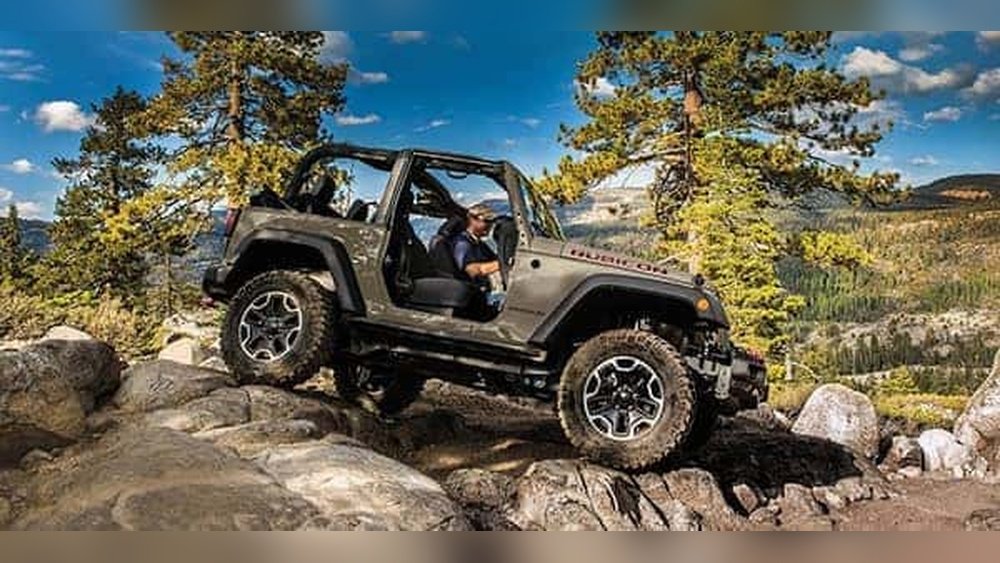
Grand Cherokees that are used for off-roading often have shorter lifespans. Dirt, water, and rough terrain wear parts quickly. If you use your Jeep mostly for city and highway driving, it will last longer. Even occasional off-road trips require extra cleaning and checks.
Grand Cherokee Generations: Which Lasts Longest?
Jeep has released several generations. Some are better built than others.
First Generation (1993–1998)
- Reliable engines, but old now
- Many still running, but rust is a problem
Second Generation (1999–2004)
- Improved transmission, but still some issues
- Easier to find parts
Third Generation (2005–2010)
- Stronger engines
- Electrical and suspension issues more common
Fourth Generation (2011–2021)
- Better comfort, modern technology
- Some electronics problems, but more reliable overall
Fifth Generation (2021–present)
- Latest tech and safety features
- Too new to judge long-term durability
Generation Comparison Table
| Generation | Years | Average Lifespan (Miles) | Main Issues |
|---|---|---|---|
| First | 1993–1998 | 120,000–160,000 | Rust, engine |
| Second | 1999–2004 | 140,000–180,000 | Transmission |
| Third | 2005–2010 | 150,000–190,000 | Suspension, electrical |
| Fourth | 2011–2021 | 160,000–210,000 | Electronics |
| Fifth | 2021–present | Too new | Unknown |
Most experts recommend buying a 2011 or newer model for better reliability. These models have improved safety, comfort, and fewer major issues. If you want long life and fewer headaches, avoid the oldest generations.
Tips To Make Your Grand Cherokee Last Longer
Want your Jeep to reach 200,000 miles? Follow these steps:
- Stick to the factory maintenance schedule. The owner’s manual shows when to change fluids, filters, and belts.
- Use quality fluids and parts. Cheap oil or parts can cause early failures.
- Avoid aggressive driving—slow starts and stops help. Don’t overload the Jeep or tow beyond its limits.
- Wash your Jeep often, especially after winter. Clean mud, salt, and debris from wheels and underbody.
- Inspect belts, hoses, and suspension every oil change. Catching cracks or leaks early prevents big repairs.
- Store indoors if possible to reduce rust. Even a basic carport protects from weather.
- Fix leaks and noises early. Waiting often makes repairs more expensive.
These simple habits can add years to your SUV. Another smart step: join Jeep owner forums online for tips and support.
Is The Grand Cherokee A Good Long-term Investment?
If you’re looking for an SUV that can last many years with proper care, the Grand Cherokee is a solid choice. Its engine strength, comfort, and off-road ability make it popular. The key is regular maintenance and gentle driving.
You may pay a bit more for repairs than a Toyota or Honda, but you’ll get a unique blend of style and capability. For those who want both adventure and reliability, the Grand Cherokee delivers—just be ready for some upkeep.
For more technical details and owner reviews, visit Wikipedia’s Jeep Grand Cherokee page.

Frequently Asked Questions
How Many Miles Can A Jeep Grand Cherokee Last?
Most Grand Cherokees last 150,000 to 200,000 miles. Some reach 250,000 miles with careful maintenance. Regular oil changes, gentle driving, and fixing issues quickly help extend lifespan. In rare cases, models used for light driving and perfect care can reach even higher mileages.
What Are The Most Common Problems With Grand Cherokees?
The most common issues are transmission trouble, electrical system failures, and suspension wear. Older models may face rust, especially in cold climates. Newer models sometimes have sensor and infotainment glitches.
Is The Grand Cherokee Expensive To Maintain?
Maintenance costs are average for SUVs. Expect to spend $600–800 per year on routine care. Repairs can be pricey if major parts fail, like the transmission. Doing basic maintenance yourself can save money.
Which Grand Cherokee Generation Is Most Reliable?
The 2011–2021 generation is considered most reliable. It has improved electronics, stronger engines, and fewer transmission issues compared to older models. Look for models with service records and low rust.
Does Off-roading Affect The Grand Cherokee’s Lifespan?
Yes, frequent off-roading can shorten lifespan. Rough terrain, mud, and water speed up wear on suspension and engine parts. City and highway driving is easier on the SUV. Occasional off-road trips are fine, but regular heavy use needs extra care.
The Jeep Grand Cherokee can last long with care. It’s a good balance of adventure and comfort—just keep up with maintenance and drive smart. If you treat your Jeep well, it will reward you with years of reliable service and memorable journeys.