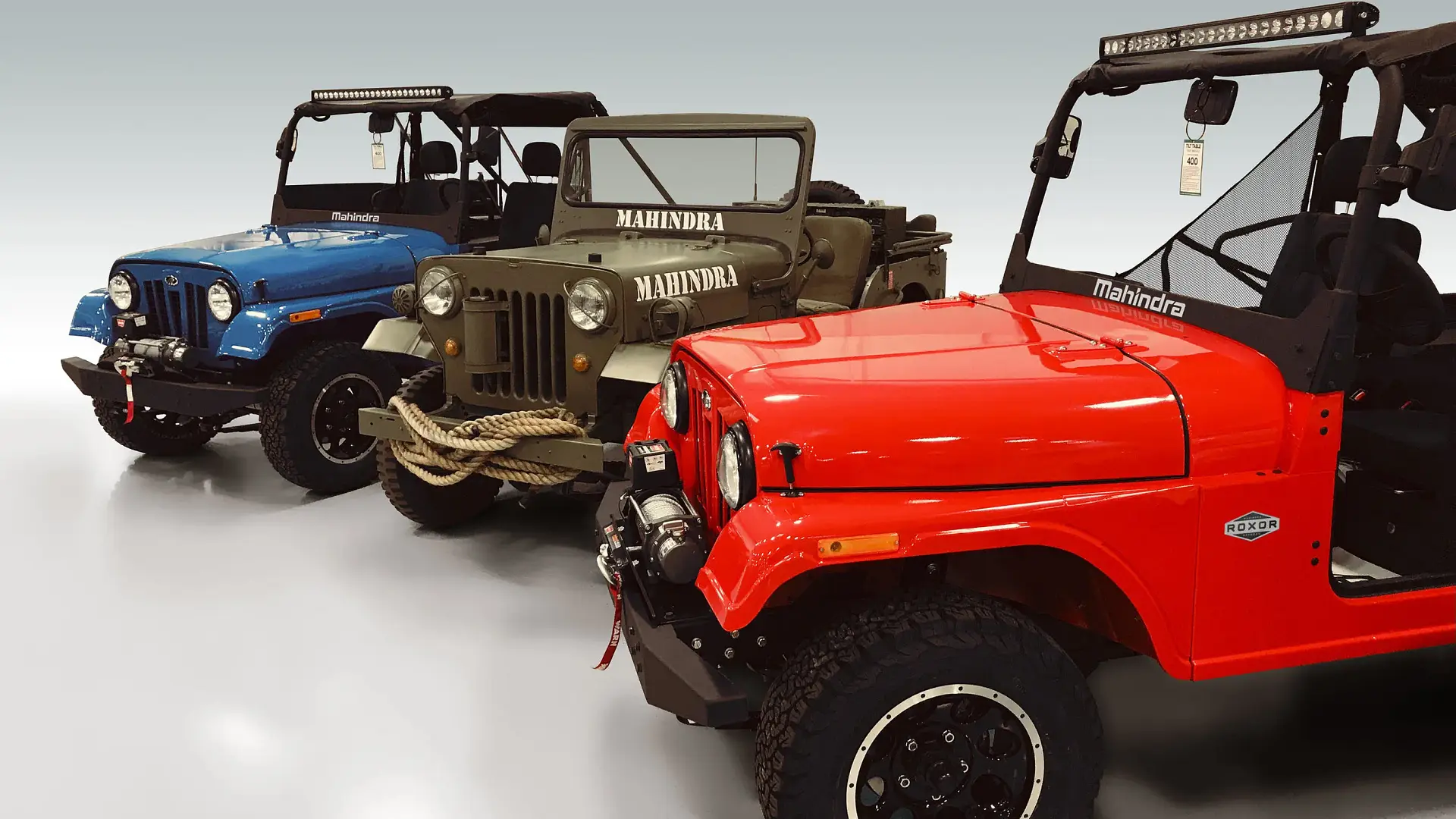
The story of Mahindra and Jeep is full of controversy, admiration, and legal drama. Many car fans and buyers ask a simple question: Did Mahindra copy Jeep? The answer is more complex than it first appears. To understand, we need to look at the history, design similarities, legal battles, and business strategies between these two automotive giants.
The Origins Of Mahindra’s Jeep Connection
In the 1940s, Willys Jeep became famous for its role in World War II. Its rugged style and off-road abilities made it an American icon. But few know that Mahindra’s connection to Jeep started with a legal agreement, not copying.
In 1947, Mahindra & Mahindra in India got an official license from Willys Overland to assemble and sell Jeep vehicles. This was a smart move—India needed tough vehicles for its roads, and the Jeep fit perfectly. For decades, Mahindra built Jeeps for the Indian market with full legal rights. These early Mahindra Jeeps were almost the same as the Willys models, but they were not copies—they were licensed products.
How Mahindra’s Designs Evolved
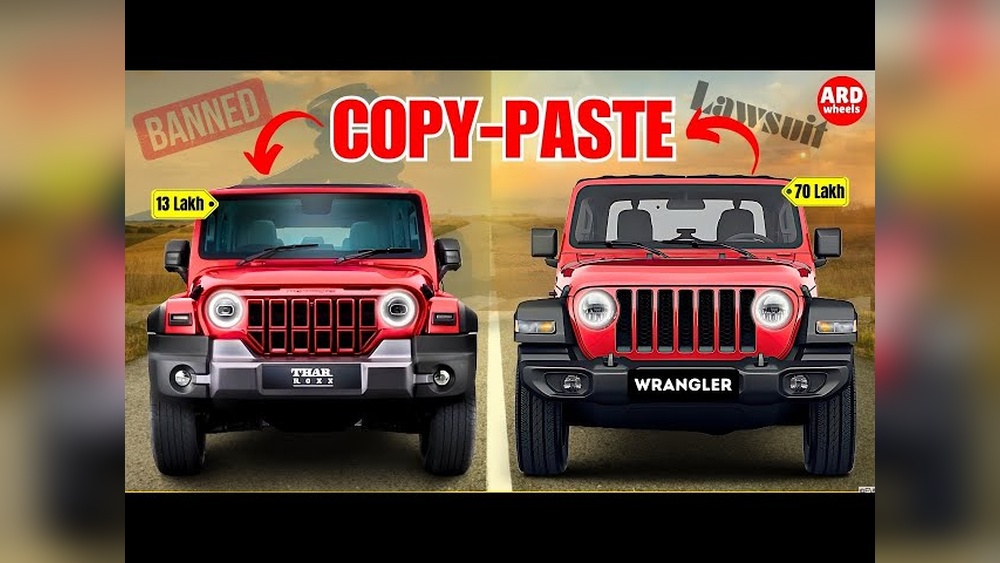
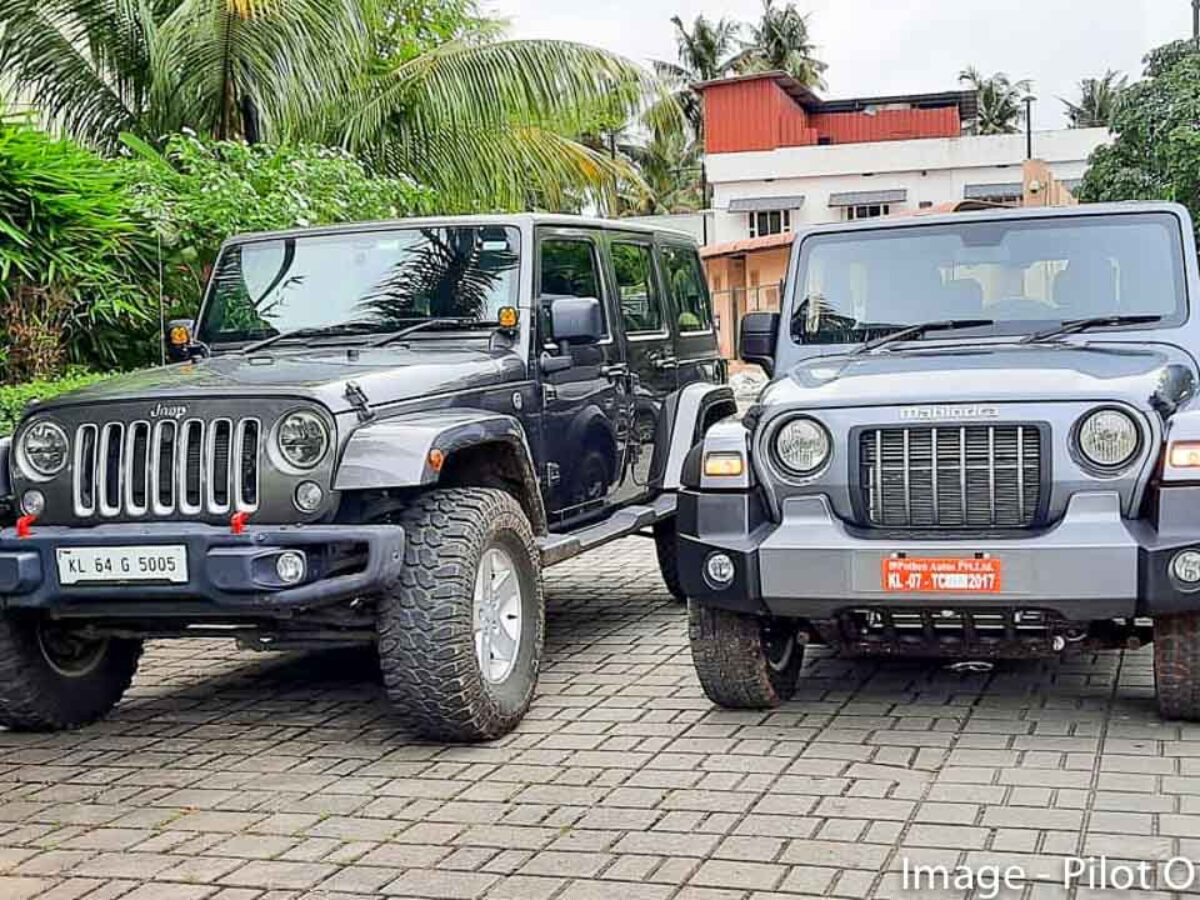
Over time, Mahindra started making changes to its vehicles. By the 1980s and 1990s, Mahindra began designing its own models. However, many of their SUVs, like the Mahindra Thar, kept the boxy shape, round headlights, and seven-slot grille that made Jeeps famous.
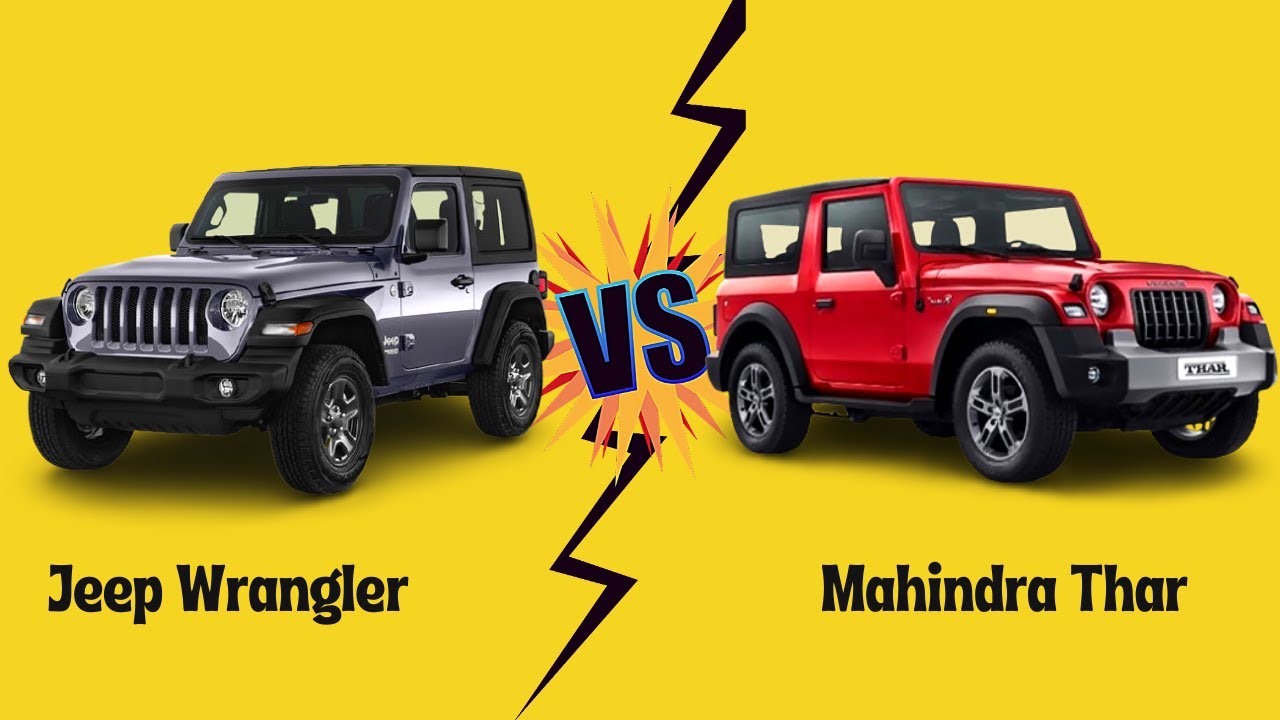
To see the similarities, let’s compare two popular models:
| Feature | Jeep Wrangler | Mahindra Thar |
|---|---|---|
| Body Shape | Boxy, open-top option | Boxy, open-top option |
| Grille Design | Seven-slot vertical | Seven-slot vertical (older models) |
| Round Headlights | Yes | Yes |
| Fender Flares | Wide | Wide |
These similarities are not by accident. They are part of Mahindra’s heritage but also created confusion and legal troubles.
Legal Battles: Jeep Vs Mahindra
As Mahindra tried to sell vehicles outside India, especially in the US, things got complicated. In 2018, Fiat Chrysler Automobiles (FCA)—the parent company of Jeep—filed a complaint with the US International Trade Commission. FCA claimed that Mahindra’s Roxor model was a copy of Jeep’s trade dress, especially the grille and body style.
Here’s a look at the main points of the dispute:
| Issue | FCA (Jeep) Claim | Mahindra Defense |
|---|---|---|
| Grille design | Too similar to Jeep’s | Part of Mahindra’s own tradition |
| Overall look | Confuses buyers | Original design under license |
| Market competition | Unfair advantage | Roxor not street-legal in the US |
In 2020, the US International Trade Commission ruled that the Roxor was too similar to the Jeep, especially in the grille and boxy body. Mahindra was ordered to redesign the Roxor for the US market.
This shows that even if Mahindra started with legal rights, the line between tradition and copying can blur over time.
What Makes A Vehicle A Copy?
Many people think that if two cars look alike, one must be a copy. But the reality is more complex. Car design is shaped by:
- Function: Off-road vehicles need boxy shapes for strength.
- Tradition: Mahindra built Jeeps for decades, so its style is rooted in history.
- Branding: The seven-slot grille is now a Jeep trademark, protected by law.
Mahindra’s situation is unique. The company’s early models were licensed, but as it moved into new markets, it faced stricter rules about design. The real lesson is that what counts as copying can change over time and by location.
Two Key Insights Most People Miss
- Mahindra’s Jeep-Like Designs Were Legal—at First: Many think Mahindra simply copied Jeep. In fact, Mahindra had legal rights to build Jeep designs in India for many years. The problem only came when Mahindra entered new markets with vehicles that looked too much like Jeep’s current models.
- Trade Dress Is Different from Patents: Patents expire, but trade dress—the look and feel of a product—can be protected as long as it is unique to a brand. Jeep’s grille and body shape are now protected trade dress in the US, even if Mahindra’s vehicles started as licensed versions.
Why Do These Designs Stay Popular?
There’s a reason why both Jeep and Mahindra still use similar shapes:
- Iconic look: Fans love the classic, rugged SUV style.
- Market demand: Simple, boxy SUVs are still popular in both rural and urban areas.
- Brand loyalty: Both brands have strong followers who want the “original” look.
But there’s also a risk. As Mahindra modernizes, it must balance respect for tradition with the need to avoid legal problems.
What The Future Holds
Mahindra has already responded by redesigning the Roxor for the US market. The newer model features a different grille and body panels.
This shows Mahindra is serious about global growth while respecting legal boundaries.
Jeep, meanwhile, continues to protect its brand fiercely. The rivalry is likely to continue, especially as both companies expand in markets like Africa, Asia, and Latin America.
For car buyers, this means more choices but also more confusion. It’s always wise to check if a vehicle is a true Jeep or a Mahindra, especially if you care about brand history or resale value.
Frequently Asked Questions
Is Mahindra Still Allowed To Sell Jeep-like Vehicles In India?
Yes, Mahindra can sell vehicles like the Thar in India. Indian laws are different from US laws, so the company faces fewer restrictions at home.
Did Mahindra Ever Make Jeeps Under An Official Agreement?
Yes. Mahindra began making Jeeps in 1947 with a legal license from Willys Overland, the original Jeep maker.
What Changes Did Mahindra Make After The Us Trade Dispute?
Mahindra redesigned the Roxor for the US market. The newer model has a new grille and less boxy look to avoid confusion with Jeep.
Are Mahindra Thar And Jeep Wrangler The Same Vehicle?
No, they are different. The Thar is inspired by the Wrangler’s style but has a different engine, chassis, and features.
The Thar is built mainly for India and some other markets.
Where Can I Learn More About The Legal Case Between Jeep And Mahindra?
You can read more details on the Wikipedia page for Mahindra Roxor, which covers the legal dispute and outcomes.
In the end, Mahindra did not simply copy Jeep the story is about legal agreements, changing markets, and the power of iconic design. Both brands continue to shape the world of off-road vehicles, each in their own way.