Did Jeep Sue Mahindra? Unpacking The Legal Battle
The automotive world is full of bold designs, fierce competition, and sometimes dramatic courtroom battles. One such story centers on Jeep and Mahindra, two well-known brands with deep histories. In recent years, Jeep has taken legal action against Mahindra over vehicle designs, sparking questions among car enthusiasts and industry insiders. Let’s explore what happened, why it matters, and what the outcome means for both companies and buyers.
Why Did Jeep Sue Mahindra?
Jeep, owned by Stellantis (formerly Fiat Chrysler Automobiles), is famous for its rugged, iconic SUV designs. The Jeep Wrangler is especially recognizable due to its seven-slot grille, boxy shape, and classic styling. Mahindra, an Indian automaker, has a long history of producing vehicles inspired by Jeep, dating back to licensed production in the 1940s.
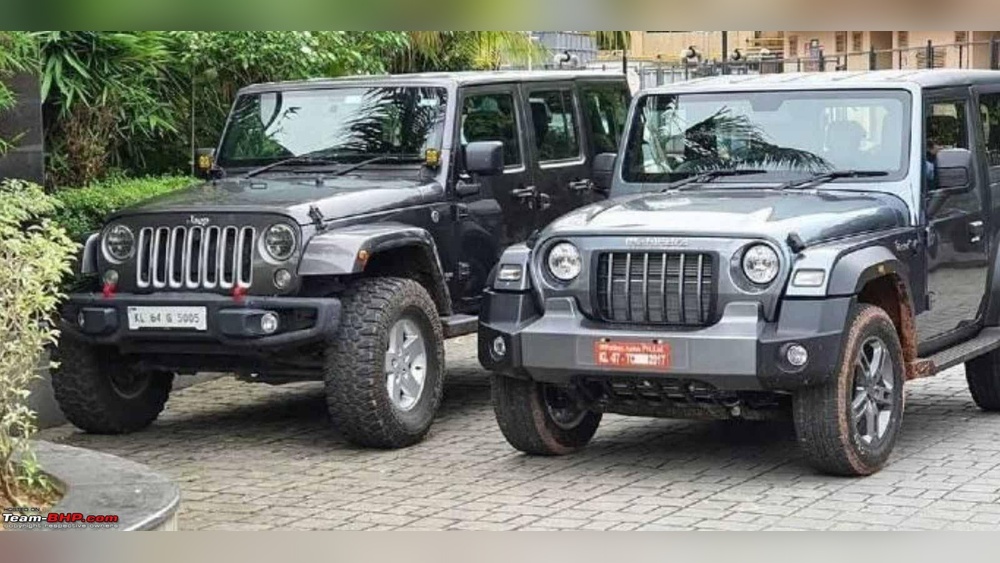
The dispute started when Mahindra launched the Mahindra Roxor in the United States. Jeep argued that the Roxor’s design copied key Wrangler features, especially the grille, hood, and overall body shape. Jeep claimed this violated their trade dress—a legal term for the look and feel of a product that’s distinctive and protected by law.
Key Events In The Jeep Vs. Mahindra Case
The legal battle began in 2018. Jeep’s parent company filed a complaint with the United States International Trade Commission (ITC), asking them to block the import and sale of the Roxor.
Here’s a quick timeline of the most important events:
- 2018: Jeep files complaint against Mahindra Roxor, alleging infringement of trade dress.
- 2019: ITC judge finds Roxor’s design too similar to Jeep Wrangler, recommends ban.
- 2020: ITC issues a limited exclusion order against Mahindra, restricting import of Roxor parts.
- 2021: Mahindra releases a redesigned Roxor to address Jeep’s concerns.
The dispute did not stop Mahindra from selling vehicles in India, where they continue to make models inspired by Jeep. But in the US, the case forced Mahindra to rethink how the Roxor looked.
Comparing Jeep Wrangler And Mahindra Roxor
To understand the dispute, it helps to compare the key features of the two vehicles. Here’s a side-by-side look:
| Feature | Jeep Wrangler | Mahindra Roxor |
|---|---|---|
| Grille | Seven-slot vertical grille | Vertical slots (initially similar) |
| Body Shape | Boxy, iconic SUV | Boxy, classic SUV |
| Market | Global, especially US | Primarily US (off-road) |
| Engine | Modern gasoline engines | Diesel, more basic |
The similarities were enough for Jeep to claim trade dress infringement. Mahindra’s defense focused on their historic connection to Jeep, but US law favors the company with current rights and distinctive design.
What Is Trade Dress Infringement?
Trade dress is about the visual appearance of a product. If a competitor copies this look closely, it can confuse buyers or damage the brand.
In the Jeep vs. Mahindra case, the ITC found that the Roxor’s design was “substantially similar” to the Jeep Wrangler.
Here’s a quick summary of trade dress principles:
- Distinctive features: Protects shapes, colors, and patterns.
- Likelihood of confusion: If buyers might mistake one product for another.
- Legal action: Owners can sue to protect their unique designs.
Jeep’s action was not just about protecting sales, but also preserving the value of their brand.
Impact Of The Lawsuit
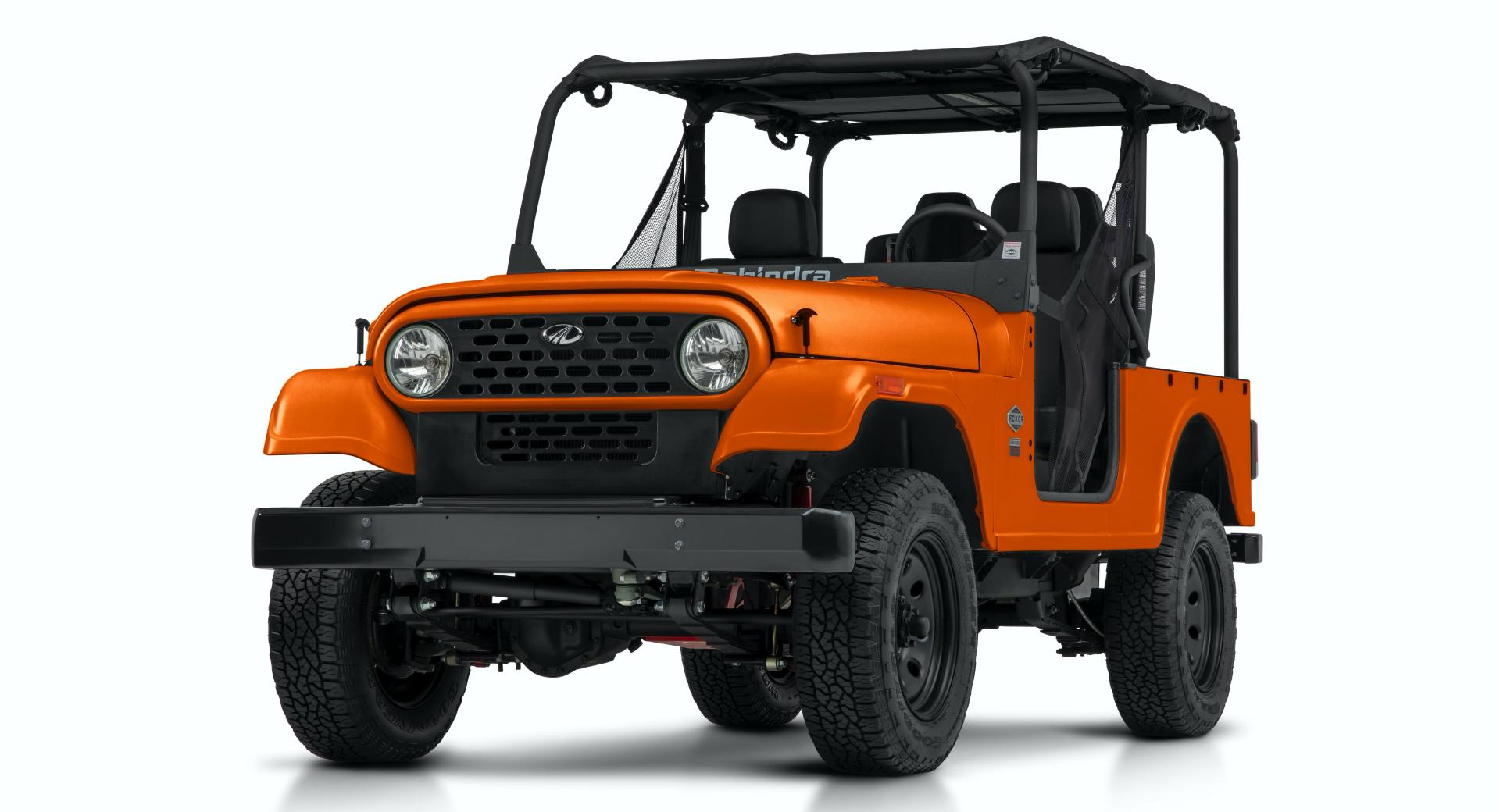
The lawsuit changed Mahindra’s US strategy. They redesigned the Roxor, removing key features that Jeep claimed as their own.
The new Roxor has a less boxy look and a different grille, aiming to avoid further legal trouble.
Let’s compare the old and new Roxor designs:
| Version | Grille Design | Body Shape | Legal Outcome |
|---|---|---|---|
| Original Roxor | Vertical slots, Jeep-like | Boxy, classic SUV | Banned for infringement |
| Redesigned Roxor | Rounded edges, new style | Less boxy, more unique | Allowed for sale |
This case is a reminder that design matters, and copying can lead to costly legal fights.
What Buyers Should Know
If you’re thinking about buying a Mahindra Roxor or a Jeep Wrangler, here are some key points:
- The Roxor is sold as an off-road utility vehicle, not for city driving.
- The Wrangler is a full-featured SUV, legal for road use.
- Mahindra’s new design avoids legal issues, but some buyers miss the original Jeep-like look.
- Jeep’s protection of their design helps keep their brand strong.
One non-obvious insight is that trade dress lawsuits can affect even smaller parts, like the grille or headlights, not just the full body shape. Also, Mahindra’s historic connection to Jeep does not automatically allow them to use Jeep’s current designs in foreign markets.

The Global Perspective
The Jeep vs. Mahindra case is not unique. Many automakers face legal challenges over design. For example, Land Rover took legal action against Chinese car makers for copying the Range Rover Evoque. Protecting distinctive designs is common, especially in markets like the US where brand value is high.
According to the US ITC, trade dress cases are rising as brands fight to protect their identities. In 2020 alone, over 50 cases were filed in the automotive sector.
For more details on the ITC’s role in trade dress cases, visit Wikipedia.
Frequently Asked Questions
Did Jeep Actually Sue Mahindra?
Yes, Jeep’s parent company filed a complaint with the US International Trade Commission, leading to legal action and a ban on certain Roxor parts.
Why Did Jeep Claim Mahindra Copied Their Design?
Jeep argued that the Mahindra Roxor looked too similar to the Jeep Wrangler, especially the grille and body shape, violating their trade dress.
Was Mahindra Banned From Selling The Roxor In The Us?
The original Roxor design was banned, but Mahindra redesigned the Roxor to comply with legal requirements and resumed sales.
Does Mahindra Still Sell Jeep-like Vehicles In India?
Yes, Mahindra sells models inspired by Jeep in India, but US law only affects sales and designs in the American market.
What Does This Lawsuit Mean For Car Buyers?
It means buyers may see changes in vehicle design, and brands will work harder to protect their unique styles. It also shows the importance of legal checks before launching new models.
The Jeep vs. Mahindra legal battle is a powerful reminder that design is more than looks it’s business, branding, and law.
Both companies learned lessons, and buyers now get clearer choices thanks to these legal protections.