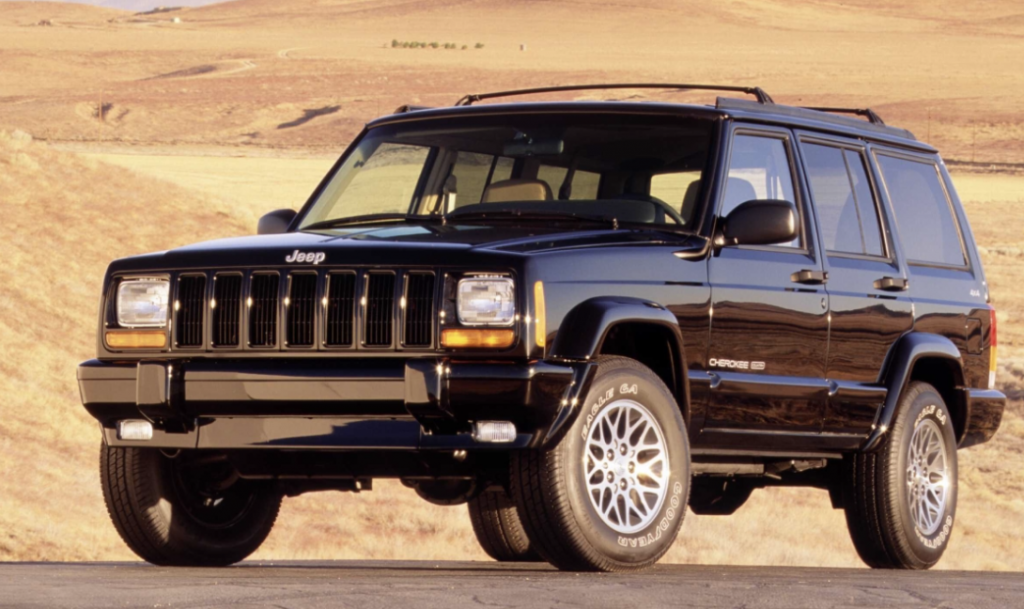
Did Jeep Stop Production
For many car fans, the word Jeep brings images of rugged vehicles, off-road adventures, and American history. But recently, rumors have spread online and in car communities: Did Jeep stop production? This question has made people worry, especially those who love the brand or plan to buy a Jeep soon. Understanding what’s really happening with Jeep’s production helps you make smart decisions as a buyer or owner.
The Truth Behind Jeep Production Rumors
Jeep is a brand with a long history, starting in the 1940s. Over the years, Jeep has seen many changes, including new owners, new factories, and updates to its models.
In 2023 and 2024, some news stories and social media posts claimed Jeep was stopping production or closing factories.
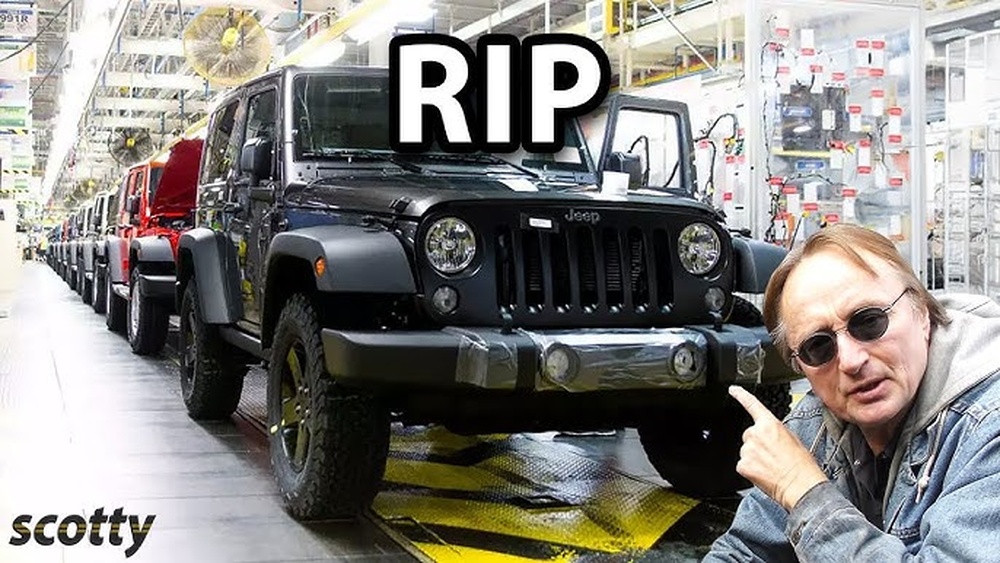
But what is actually happening?
Jeep has not stopped all production worldwide. However, it has made some changes. In late 2022 and early 2023, Jeep’s parent company, Stellantis, announced temporary shutdowns at certain North American factories. The main reason was to adjust to lower demand and to prepare for making electric vehicles (EVs). Some models, like the Jeep Cherokee, were affected more than others.
It’s important to know the difference between stopping production of a single model and ending all Jeep production. Stellantis has paused or slowed production for some models but continues to make other popular Jeeps like the Wrangler, Grand Cherokee, and Gladiator.
Why Did Jeep Pause Some Production?
Several reasons have caused Jeep to pause or slow production in certain places:
- Changing Demand: Fewer people are buying some Jeep models, especially as buyers look for more fuel-efficient or electric options.
- Electric Vehicle Shift: Stellantis is investing in new EVs. To prepare factories for this change, some lines must close for upgrades.
- Supply Chain Issues: Like other car makers, Jeep has faced shortages of parts (such as chips), which slow down production.
- Cost Savings: Closing or reducing work at less popular model factories helps Stellantis save money.
These factors are not unique to Jeep. Many global car companies are making similar moves.
Jeep Models Most Affected
Not every Jeep model is affected the same way. Here’s a quick look at which models have seen changes:
| Model | Status | Notes |
|---|---|---|
| Jeep Cherokee | Paused | Belvidere plant closed in 2023 |
| Jeep Wrangler | Active | Production continues in Ohio |
| Jeep Grand Cherokee | Active | No major interruption |
| Jeep Renegade | Reduced | Lower demand in North America |
| Jeep Gladiator | Active | Still in production |
The Jeep Cherokee is the most impacted. The Belvidere, Illinois plant stopped making Cherokees in February 2023, causing concern among workers and fans. Still, Stellantis has said they plan to bring new EVs to the plant in the future.
Global Jeep Production: Not All The Same
Jeep makes vehicles in different countries. While some North American factories have paused or changed what they make, Jeep factories in other regions, such as Europe, South America, and Asia, continue to build popular models.
Here’s a snapshot of Jeep’s global presence:
| Region | Main Models Built | Current Status |
|---|---|---|
| USA | Wrangler, Grand Cherokee, Gladiator | Mostly active |
| Italy | Renegade, Compass | Active |
| Brazil | Renegade | Active |
| China | Compass | Reduced output |
This means Jeep models may still be available in other markets even if they are paused in the US.

What Jeep’s Future Looks Like
Jeep is not disappearing. In fact, the company is investing in new technology and models. Stellantis plans to launch several new electric Jeep SUVs in the next few years. The Jeep Recon and Wagoneer S are two examples that have received a lot of attention.
Some key points about Jeep’s future:
- Stellantis aims to have 100% of its sales in Europe and 50% in the US from electric vehicles by 2030.
- More Jeep EVs are coming, which may mean more changes to factories and current models.
- Traditional gas-powered Jeeps will slowly be replaced or redesigned.
One thing beginners often miss is that big car brands regularly pause or change production to prepare for new models. It’s not a sign of the brand ending, but rather a shift toward the future.
How Jeep’s Production Pause Affects Buyers
If you want to buy a new Jeep, what does all this mean? Here’s what you should know:
- Popular models like the Wrangler and Grand Cherokee are still being made and sold.
- If you want a Jeep Cherokee, it may be harder to find new ones in the coming months.
- Used Cherokees may see price increases because of lower supply.
- Future Jeeps will likely have more electric and hybrid options.
- Some dealers may have fewer choices until new models arrive.
If you are planning to buy soon, it’s smart to check with local dealers about availability and future updates.
Jeep’s Response To Production Concerns
Stellantis and Jeep have answered questions about these changes. They assure customers that Jeep is here to stay.
The company is investing in workers and factories to build the next generation of Jeeps, especially electric models.
One practical tip: Watch for official news from Stellantis or Jeep, not just rumors online. For the most accurate updates, visit the Stellantis Press Releases page.
Frequently Asked Questions
Is Jeep Shutting Down All Factories?
No, Jeep is not closing all its factories. Only certain plants have paused or stopped making specific models, like the Cherokee.
Which Jeep Models Are Still Being Made?
Popular models such as the Wrangler, Grand Cherokee, Gladiator, and some versions of the Renegade and Compass are still in production.
Will Jeep Make More Electric Vehicles?
Yes, Jeep plans to launch several new electric SUVs in the next few years. This is part of Stellantis’s larger plan to focus on EVs.
Can I Still Buy A New Jeep Cherokee?
New Jeep Cherokees are harder to find since the Belvidere plant closed. Some may still be available at dealers, but supply is limited.
Should I Be Worried About Jeep’s Future?
There is no need to worry about Jeep disappearing. The brand is adapting to market changes and investing in electric and hybrid vehicles for future growth.
Jeep’s production changes are part of a bigger industry shift, not the end of the brand. If you love Jeeps or want to buy one, stay informed and look forward to exciting new models soon.