Did Amc Own Jeep? A Detailed Look At The History
Jeep is one of America’s most famous car brands. Its rugged vehicles, like the Wrangler and Cherokee, are known worldwide.
But Jeep’s history is full of changes in ownership, and many people ask: Did AMC own Jeep? The answer is yes, but the story is more interesting than many think.
This article explains how AMC (American Motors Corporation) became Jeep’s owner, what changed during their control, and how Jeep moved to its next chapter.
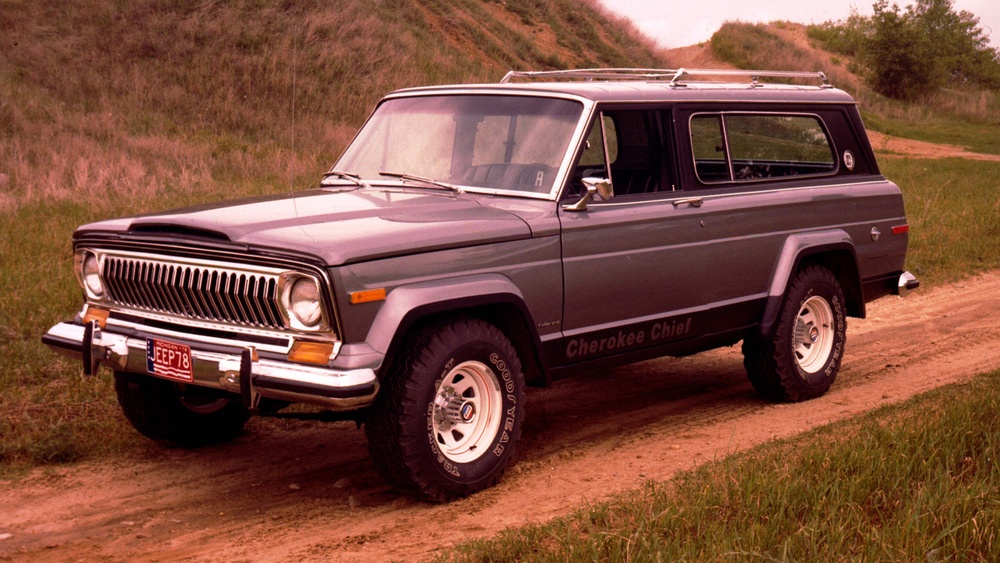
Jeep’s Early Ownership And Origins
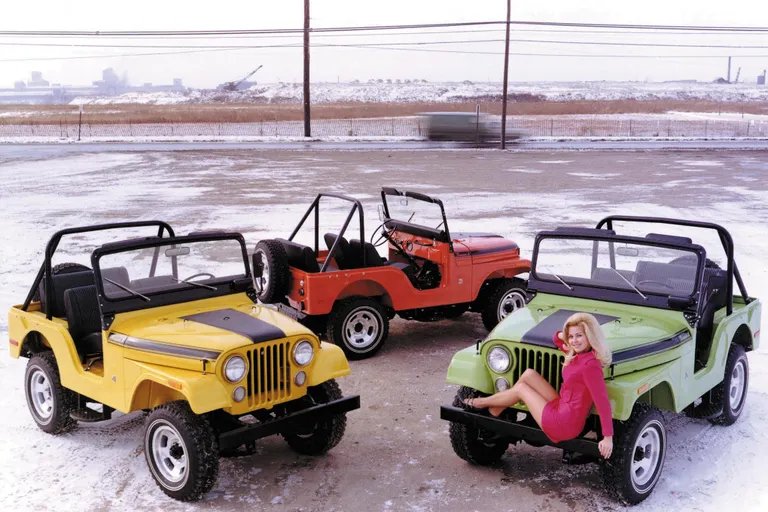
Jeep began during World War II. The U.S. Army needed a strong, reliable vehicle for soldiers. Willys-Overland and Ford built the first Jeeps. After the war, Willys-Overland owned the rights and started making civilian Jeeps.
Over time, the brand moved from Willys-Overland to Kaiser Motors. Kaiser changed its name to Kaiser Jeep Corporation in 1963. This company built Jeeps for almost a decade. But the car market shifted, and Kaiser Jeep needed a new owner.
One detail many people overlook is how Jeep’s original purpose shaped its future. The early Jeeps were not just tough for war—they also became popular for farming, forestry, and outdoor work. Willys-Overland spotted this opportunity and created models like the Jeep CJ, which stands for “Civilian Jeep.” These early civilian models helped Jeep gain a loyal customer base long before SUVs were common. Another insight: Kaiser Jeep tried to expand Jeep’s lineup, but faced challenges with limited resources and rising competition from bigger brands.
Amc’s Purchase Of Jeep
In 1970, AMC bought Jeep from Kaiser. The deal was worth about $70 million. This was a big move for AMC, a company known for cars like the Gremlin and Hornet.
AMC saw Jeep as a chance to grow. At the time, Jeep was famous for off-road vehicles, and AMC wanted a brand that stood out. The purchase included:
- Jeep’s factories
- Jeep’s designs and patents
- The full Jeep product line
AMC became the official owner of Jeep in 1970, and this lasted until 1987.
AMC’s decision to buy Jeep was risky but strategic. AMC was much smaller than rivals like Ford and GM.
They hoped that Jeep would help them compete. What many don’t realize is AMC was also interested in Jeep’s military contracts and international business.
Jeep had a presence in countries like Argentina and Australia, which gave AMC new markets to enter.
| Year | Owner |
|---|---|
| 1945-1953 | Willys-Overland |
| 1953-1970 | Kaiser Jeep |
| 1970-1987 | AMC (American Motors Corporation) |
| 1987-present | Chrysler (later Stellantis) |

What Changed Under Amc Ownership
AMC made several important changes to Jeep:
- New Models: AMC launched vehicles like the Jeep Cherokee (1974) and Jeep Wagoneer. These became popular family SUVs.
- Better Engineering: AMC improved engines, including the 4.0L straight-six (introduced in 1987). This engine became famous for its reliability.
- More Markets: AMC pushed Jeep into new markets. The brand grew in the US and worldwide.
- Focus on SUVs: AMC saw the future in SUVs. They stopped making some old models and invested in new ones.
AMC also focused on safety and comfort. The Jeep Wagoneer, for example, introduced features like automatic transmission and air conditioning—rare for SUVs at the time. This made Jeep appealing to more people, not just off-road fans. Another detail: AMC worked hard to keep Jeep’s tough image while adding family-friendly features, balancing ruggedness with modern needs.
During AMC’s ownership, Jeep’s sales grew. By the mid-1980s, Jeep was AMC’s most successful division.
In fact, Jeep’s profits helped AMC survive tough years.
AMC’s investment in marketing and dealership networks also helped Jeep gain more attention. They advertised Jeep as a vehicle for adventure and daily life.
This helped change how Americans saw SUVs—from basic off-roaders to comfortable family cars.
| Model | Year Introduced | Engine Type |
|---|---|---|
| Jeep Cherokee | 1974 | V6, Straight-six |
| Jeep Wagoneer | 1963 | V8 |
| Jeep CJ-7 | 1976 | Inline-four, Inline-six |
Amc’s Challenges And The Chrysler Takeover
Even with Jeep’s success, AMC faced big problems. The company struggled with cash flow and strong competition from larger car makers. In the early 1980s, AMC partnered with Renault (a French automaker). Renault owned a large share of AMC, but the relationship was tough.
AMC tried to boost its lineup by working with Renault, introducing models like the AMC Alliance. However, these cars did not sell well in the U.
S. market.
AMC’s efforts to modernize were expensive, and the company could not invest enough in both Jeep and its other cars.
By 1987, AMC could not survive on its own. Chrysler bought AMC for $1.5 billion, mainly to get Jeep. Chrysler kept the Jeep brand and made it even more famous.
Chrysler’s takeover was not just about money. They saw Jeep as their entry into the booming SUV market.
Jeep’s strong reputation was valuable, and Chrysler quickly expanded Jeep’s lineup. The Jeep Grand Cherokee, launched in 1992 under Chrysler, became a best-seller and proved the value of the brand.
| Company | Year Bought Jeep | Amount Paid |
|---|---|---|
| AMC | 1970 | $70 million |
| Chrysler | 1987 | $1.5 billion |
Lasting Impact Of Amc On Jeep
AMC’s ownership changed Jeep in several ways:
- SUV Focus: AMC helped Jeep move from simple off-road vehicles to modern SUVs.
- Reliable Engines: The engines AMC developed are still respected today.
- Global Reach: AMC made Jeep a global brand, not just an American icon.
One insight many beginners miss: AMC’s improvements set the stage for Jeep’s later success. Without AMC, Jeep might have stayed a small, off-road brand. Another key point: Jeep’s profits were so strong that Chrysler’s main goal in buying AMC was to get Jeep, not AMC’s other assets.
Jeep’s shift to SUVs was not just luck—it was AMC’s vision. AMC predicted that people wanted vehicles for both adventure and daily use.
Their changes to Jeep’s design made SUVs popular for families, business, and travel. This transformed the entire SUV market in America and beyond.
Common Misunderstandings
Some people think Jeep was always owned by big companies like Chrysler or Ford. In fact, Jeep passed through several smaller companies first.
AMC’s ownership was a turning point, but Kaiser and Willys played important roles too.
Another confusion: AMC did not create Jeep, but they did create many features and models that still define Jeep today.
Many also believe Jeep’s rugged reputation is only due to its military origins. Actually, AMC’s focus on modern engineering, comfort, and versatility played a major part.
The blend of old-school toughness and new technology happened mostly under AMC’s watch.