When you drive a 2015 Jeep Wrangler, you want it to run smoothly and stay reliable. One part that helps with this is the coolant.
Coolant is a liquid that protects your engine from overheating and freezing. If you choose the right coolant and take care of it, your Jeep will last longer and perform better.
Many people ignore coolant, but using the wrong type or not changing it can cause engine damage, leaks, and expensive repairs. This guide will help you understand which coolant works best for your 2015 Jeep Wrangler, how to maintain it, and what mistakes to avoid.
Why Coolant Matters For Your 2015 Jeep Wrangler
The engine coolant in your Jeep Wrangler is more than just colored liquid. It controls the engine temperature, prevents corrosion inside metal parts, and keeps the heater working in winter. Without the right coolant, your engine can overheat in summer or freeze in winter.
A 2015 Jeep Wrangler has a 3.6L Pentastar V6 engine. This engine needs specific coolant to stay healthy. If you use the wrong type, you could damage parts like the radiator, water pump, or heater core. The cost of fixing these parts is much higher than simply buying the correct coolant.
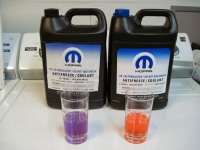
Most Jeep Wranglers from 2012–2018 use OAT (Organic Acid Technology) coolant. This is usually purple or orange and lasts longer than older coolants. Using OAT coolant prevents rust and buildup in the cooling system.
Another reason coolant matters is its role in lubricating the water pump. Many people don’t realize that the coolant also reduces friction on moving parts inside the pump. If you use plain water or the wrong coolant, the pump can wear out quickly, leading to leaks and expensive replacements.
Also, the right coolant helps stop air bubbles from forming in the system. These bubbles can cause hot spots and engine damage if not controlled.
Types Of Coolant For The 2015 Jeep Wrangler
Choosing the correct coolant is important. Here are the main types you will see:
- OAT (Organic Acid Technology) Coolant
- Color: Purple or orange
- Lifespan: 5 years or 150,000 miles
- Good for: 2012–2018 Jeep Wranglers, including 2015 models
- HOAT (Hybrid Organic Acid Technology) Coolant
- Color: Yellow or turquoise
- Lifespan: 5 years or 150,000 miles
- Not recommended for 2015 Wranglers (used in older models)
- IAT (Inorganic Additive Technology) Coolant
- Color: Green
- Lifespan: 2–3 years or 30,000 miles
- Not recommended for modern Jeeps
You should use OAT coolant for your 2015 Jeep Wrangler. This is what the manufacturer recommends.
Coolant Comparison Table
Here is a simple table showing the differences between these coolant types:
| Coolant Type | Color | Lifespan | Recommended for 2015 Jeep Wrangler |
|---|---|---|---|
| OAT | Purple/Orange | 5 years/150,000 miles | Yes |
| HOAT | Yellow/Turquoise | 5 years/150,000 miles | No |
| IAT | Green | 2–3 years/30,000 miles | No |
Some drivers may wonder if using a universal coolant is safe. Even if a coolant claims to be “universal,” it may not protect aluminum parts or rubber seals in modern engines. Sticking to OAT coolant is the safest way to avoid long-term issues.
How To Check And Change The Coolant
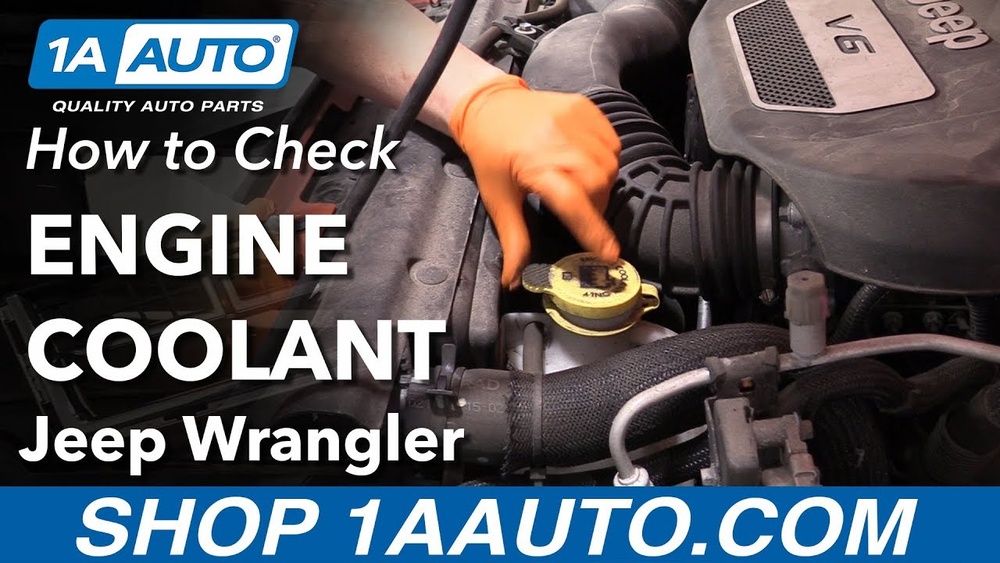
If you want your Jeep to stay in good condition, you need to check the coolant level and change it at the right time. Here’s how you do it:
Checking Coolant Level
- Make sure the engine is cool.
- Open the hood.
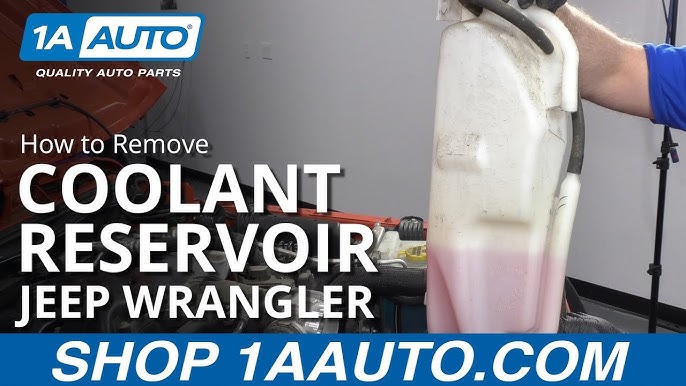
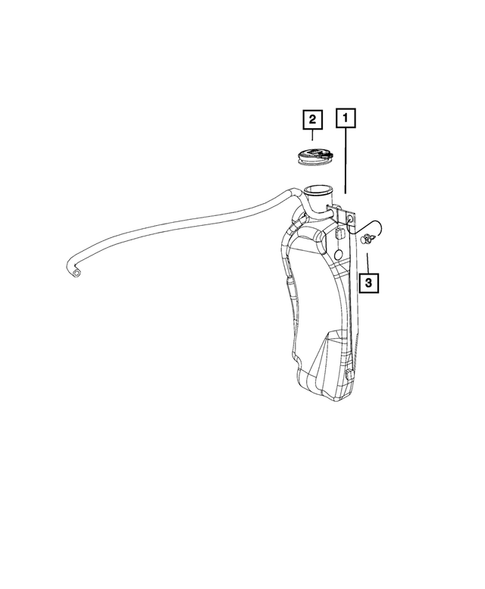
- Find the coolant reservoir (transparent plastic tank near the radiator).
- Look at the side of the reservoir. There are marks for “Full” and “Low.”
- If the level is below “Low,” add the correct OAT coolant.
Checking the level monthly is a smart habit. If you notice the level dropping often, this could mean a slow leak, even if you do not see puddles under your car. Sometimes, leaks are small and hidden, like from the water pump seal or a loose hose clamp.
Early detection prevents bigger repairs.
Changing Coolant (flush Procedure)
You should change the coolant every 5 years or 150,000 miles. If you drive in very hot or cold places, change it sooner.
Steps:
- Let the engine cool down completely.
- Put a drain pan under the radiator.
- Open the radiator drain plug and let the old coolant flow out.
- Close the drain plug.
- Fill the radiator and reservoir with fresh OAT coolant.
- Start the engine, let it run until warm, and check for leaks.
- Check the coolant level again and add if needed.
Tip: Always use pre-mixed coolant. If you use concentrated coolant, mix it 50/50 with distilled water.
Sometimes, after a coolant change, you may need to “burp” the cooling system. Air pockets can get trapped and cause the temperature gauge to spike. To do this, run the engine with the heater set to “hot” and the reservoir cap off (only when cool), so trapped air can escape.
This small step helps avoid overheating after a flush.
Choosing The Best Coolant Brand
There are many brands, but not all are safe for your Jeep. The best options are:
- Mopar OAT Antifreeze/Coolant: This is the official Jeep coolant.
- Zerex G-05 OAT: Trusted and widely available.
- Prestone OAT: A good alternative if Mopar is not available.
Don’t use generic coolants or mix brands. Mixing can cause thick sludge or corrosion.
Brand Comparison Table
Here’s a quick look at popular brands:
| Brand | Type | Price (1 Gallon) | Compatibility |
|---|---|---|---|
| Mopar | OAT | $25–$35 | Perfect Fit |
| Zerex G-05 | OAT | $20–$30 | Good Fit |
| Prestone | OAT | $18–$28 | Acceptable |
When buying coolant, check the label for “OAT” and make sure it meets Chrysler MS-12106 specification. This is the official standard for your Jeep’s engine. Sometimes auto stores recommend a “compatible” coolant, but if it doesn’t meet this spec, you risk warranty issues or long-term engine trouble.
Common Mistakes When Handling Coolant
Many Jeep owners make mistakes that can damage their vehicle. Here are some you should avoid:
- Using the wrong coolant type: Only use OAT coolant for the 2015 Wrangler.
- Mixing coolants: Never mix OAT with HOAT or IAT. It causes sludge and clogs.
- Ignoring leaks: Even small leaks can lead to big problems.
- Not flushing old coolant: Always flush the system when changing coolant.
- Overfilling or underfilling: Too much or too little coolant affects engine temperature.
A mistake many beginners make is topping off with water instead of coolant. Water alone does not protect against freezing or corrosion.
Another mistake is not tightening the radiator cap properly after maintenance. A loose cap can cause coolant to boil over and escape, leaving your engine unprotected. Always double-check the cap is secure and in good condition.
Signs Of Coolant Problems
You should watch for these signs:
- Engine overheating: The temperature gauge goes above normal.
- Sweet smell: Coolant leaking smells sweet.
- Visible leaks: Puddles under the car.
- Low heater output: Cabin stays cold in winter.
- Rusty or dirty coolant: Coolant should be clear and bright, not brown.
If you see any of these, check your coolant right away.
Sometimes, you might notice white smoke from the exhaust or a milky look in the engine oil. These can be signs of a blown head gasket, often caused by coolant problems. Catching these early can save your engine.
How Much Coolant Does A 2015 Jeep Wrangler Need?
The cooling system holds about 14 quarts (3.5 gallons). Always check your manual for the exact amount. When flushing, buy at least 2 gallons of OAT coolant.
Fluid Capacity Table
Here is the capacity for the 2015 Wrangler:
| Component | Capacity |
|---|---|
| Cooling System | 14 quarts (3.5 gallons) |
| Radiator Only | 6 quarts (1.5 gallons) |
| Reservoir | 1 quart (0.25 gallons) |
If you only drain the radiator, you won’t remove all the coolant in the system. For a full flush, be sure to cycle the heater to flush coolant from the heater core as well. This helps remove all old fluid and contaminants.
Practical Tips For Coolant Maintenance
To keep your Jeep safe:
- Use only pre-mixed OAT coolant or mix concentrated coolant with distilled water.
- Check coolant level every month.
- Flush the system every 5 years or 150,000 miles.
- Never open the radiator cap when the engine is hot.
- Inspect hoses and clamps during every oil change.
A non-obvious tip: If you buy used coolant or refill bottles, check the color and smell before using. If it looks dirty or smells strange, do not use it.
Another advanced tip: If you drive off-road or in dusty places, check the coolant more often. Dust can clog the radiator and cause overheating.
One more: After long highway trips, let the engine idle for a minute before shutting off. This allows coolant to circulate and cool the engine evenly, reducing the chance of hot spots.
Environmental And Safety Concerns
Coolant is dangerous for pets and people. Always handle it carefully:
- Keep coolant away from children and animals.
- Never pour old coolant down the drain. Take it to a recycling center.
- Wear gloves when changing coolant.
- Clean spills right away.
Coolant can taste sweet to pets, but even small amounts are deadly. Always store leftover coolant in sealed containers, up high and out of reach. If you spill any on your driveway, wash it away with lots of water and absorbent material like sand.
For more information on coolant safety and recycling, visit EPA’s official site.
Frequently Asked Questions
<!– wp:rank-math/faq-block {"questions":[{"id":"faq-question-0cd5cdb5f364","title":"What Type Of Coolant Does A 2015 Jeep Wrangler Use?","content":"A 2015 Jeep Wrangler uses OAT coolant (purple or orange color). This is what the manufacturer recommends.
“,”visible”:true},{“id”:”faq-question-3ecdb02a0647″,”title”:”How Often Should I Change The Coolant?”,”content”:”Change the coolant every 5 years or 150,000 miles, whichever comes first. If you drive in harsh conditions, change it sooner.
“,”visible”:true},{“id”:”faq-question-291b1dd5c17f”,”title”:”Can I Mix Different Types Of Coolant?”,”content”:”No. Mixing OAT with other types (HOAT or IAT) can cause sludge and damage the cooling system. Always use only OAT.
“,”visible”:true},{“id”:”faq-question-fba708999865″,”title”:”How Do I Know If My Coolant Is Low?”,”content”:”Check the coolant reservoir when the engine is cool. If the fluid is below the “Low” mark, add more OAT coolant.
“,”visible”:true},{“id”:”faq-question-c485ca9f823a”,”title”:”What Happens If I Use The Wrong Coolant?”,”content”:”Using the wrong coolant can cause corrosion, leaks, and engine overheating. Stick to OAT coolant for the 2015 Jeep Wrangler.
Caring for your 2015 Jeep Wrangler’s coolant is simple, but it makes a big difference. Using the correct OAT coolant, checking levels regularly, and following the right maintenance steps will keep your engine healthy for years. Avoid common mistakes and pay attention to signs of trouble. By doing these things, you ensure your Jeep stays reliable on any adventure.
“,”visible”:true}]} –>What Type Of Coolant Does A 2015 Jeep Wrangler Use?
A 2015 Jeep Wrangler uses OAT coolant (purple or orange color). This is what the manufacturer recommends.
How Often Should I Change The Coolant?
Change the coolant every 5 years or 150,000 miles, whichever comes first. If you drive in harsh conditions, change it sooner.
Can I Mix Different Types Of Coolant?
No. Mixing OAT with other types (HOAT or IAT) can cause sludge and damage the cooling system. Always use only OAT.
How Do I Know If My Coolant Is Low?
Check the coolant reservoir when the engine is cool. If the fluid is below the “Low” mark, add more OAT coolant.
What Happens If I Use The Wrong Coolant?
Using the wrong coolant can cause corrosion, leaks, and engine overheating. Stick to OAT coolant for the 2015 Jeep Wrangler.
Caring for your 2015 Jeep Wrangler’s coolant is simple, but it makes a big difference. Using the correct OAT coolant, checking levels regularly, and following the right maintenance steps will keep your engine healthy for years. Avoid common mistakes and pay attention to signs of trouble. By doing these things, you ensure your Jeep stays reliable on any adventure.