Jeep Wranglers have a strong reputation for off-road performance and rugged design. But even with their durability, certain parts can cause trouble over time. One part that often gets overlooked is the sway bar. This component is important for vehicle stability, especially during sharp turns or uneven terrain. If you own or are considering a Jeep Wrangler, it’s smart to understand common problems with the sway bar and how to spot them early.
What Does The Sway Bar Do?
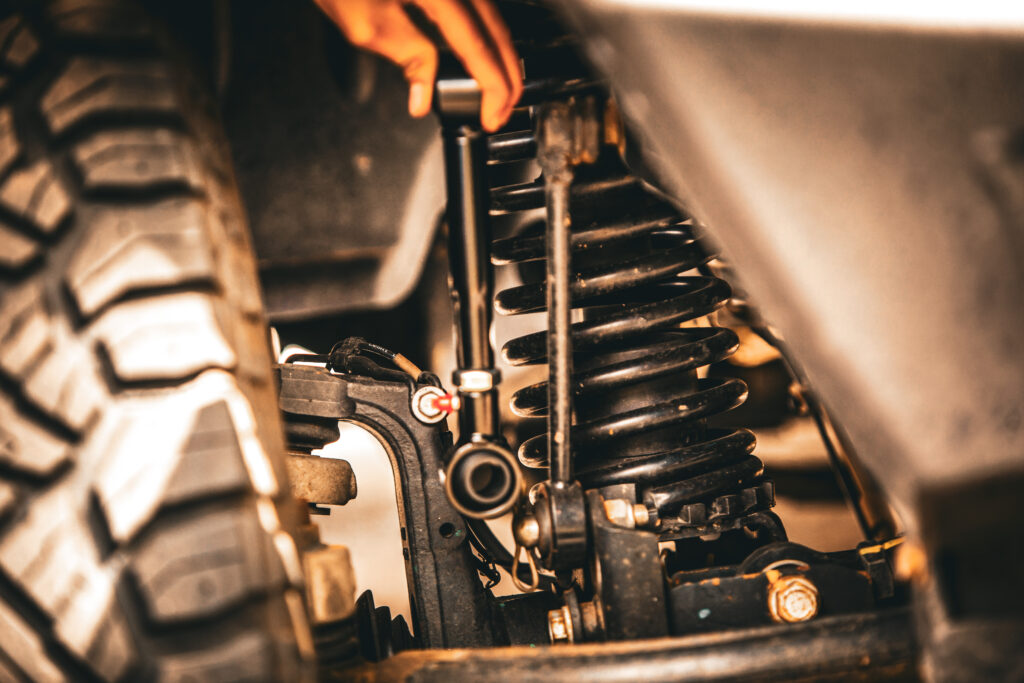
The sway bar, also called the anti-roll bar, connects the left and right wheels of your vehicle. Its main job is to reduce body roll when you turn corners or drive over bumps. On a Jeep Wrangler, the sway bar is essential for keeping the ride safe and smooth, especially since these vehicles are taller and have a higher center of gravity than most cars.
When the sway bar works correctly, it helps:
- Keep your Jeep level during turns
- Improve tire contact with the road
- Increase comfort and control on rough terrain
Most Common Sway Bar Problems In Jeep Wranglers
Jeep Wranglers face several sway bar issues, sometimes due to their off-road use, sometimes just from age or wear. Here are the most frequent problems:
1. Worn Sway Bar Links
Sway bar links connect the bar to the suspension. Over time, these links can wear out or even break, especially if you drive off-road often.
Signs of worn links:
- Clunking or rattling noises from under the Jeep
- Loose or unstable feeling while turning
- Visible damage or rust on the links
2. Failed Sway Bar Bushings
Bushings are small rubber parts that cushion the sway bar where it attaches to the frame. When these bushings wear out, you might notice increased noise and less precise handling.
Symptoms include:
- Squeaking or creaking sounds when driving over bumps
- More body roll during cornering
- Uneven tire wear
3. Sway Bar Disconnect Problems
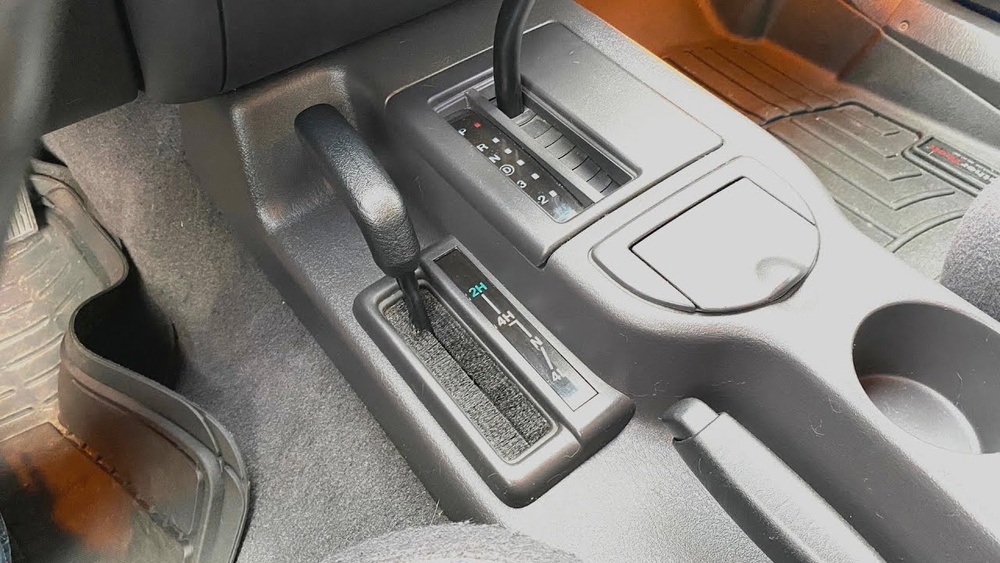
Some Wrangler models, like the Rubicon, have an electronic sway bar disconnect system that lets you “unlock” the sway bar for better off-road movement. This system can fail due to electrical faults or water damage.
Common issues:
- Warning lights on the dashboard
- Sway bar won’t reconnect after off-roading
- System gets stuck in disconnect mode
4. Bent Or Broken Sway Bar
A hard hit from rocks or debris can bend or break the sway bar itself. This is less common but serious.
What you might notice:
- Major handling issues, especially on paved roads
- Loud metallic noises
- Poor stability in turns
5. Rust And Corrosion
Wranglers used in wet or salty environments can suffer from rust on sway bar parts. This weakens the metal, making failures more likely.
Watch for:
- Flakes of rust on the bar or links
- Holes or thinning of metal parts
- Reduced strength and flexibility
Why Sway Bar Problems Happen More In Wranglers
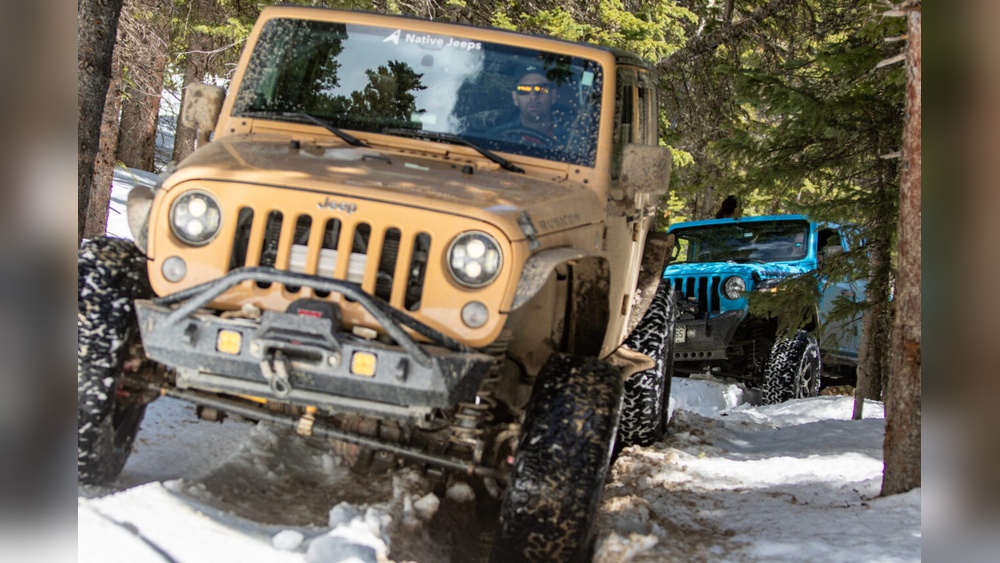
Jeep Wranglers are made for adventure. But their high ground clearance and frequent off-road use put extra stress on the sway bar system.
Mud, water, and debris can enter joints and bushings, speeding up wear. Also, many owners lift their Wranglers or change suspension parts, which can put the sway bar at a bad angle.
Here’s a simple comparison of sway bar stress in different driving conditions:
| Driving Condition | Sway Bar Stress Level | Common Issues |
|---|---|---|
| City/Highway | Low to Moderate | Wear from age, bushing cracks |
| Off-Road | High | Bent bars, broken links, disconnect problems |
| Wet/Rusty Regions | Moderate to High | Rust, corrosion, bushing failure |
How To Diagnose Sway Bar Issues
Figuring out sway bar problems in a Jeep Wrangler doesn’t always need a mechanic. Here are some steps you can try:
- Listen for unusual noises when turning or driving over bumps.
- Check for warning lights if you have an electronic disconnect system.
- Crawl under your Jeep and look for broken, loose, or rusty parts.
- Gently push on the sway bar and links—there should be very little movement.
If you notice any of these signs, it’s best to inspect the sway bar closely before your next adventure.

Repair And Replacement: What To Expect
Fixing sway bar problems can be simple or more involved, depending on the issue. Here’s a quick look at common repairs:
| Problem | Typical Solution | Estimated Cost (USD) |
|---|---|---|
| Worn Links | Replace links | $50–$150 |
| Bad Bushings | Replace bushings | $30–$100 |
| Electronic Disconnect Fault | Repair/replace actuator | $300–$900 |
| Bent/ Broken Bar | Replace sway bar | $100–$400 |
Labor costs can vary. If you are handy with tools, some repairs are possible at home. Electronic disconnect systems often require a professional.
Preventing Sway Bar Issues
You can reduce sway bar trouble with a few simple habits:
- Wash under your Jeep after off-roading to clear mud and salt.
- Inspect sway bar parts during oil changes or tire rotations.
- Use high-quality replacement parts, especially if you modify the suspension.
- Lubricate bushings if possible.
- Fix small noises early—waiting can cause bigger problems.
Many owners forget that regular off-road driving increases wear on suspension parts. Catching issues early often saves time and money.

Non-obvious Insights For Jeep Owners
- Suspension lifts can change the angle of your sway bar. If you add a lift kit, consider adjustable sway bar links to prevent stress and premature failure.
- The electronic disconnect system is not waterproof. Deep water crossings may cause faults. If you off-road in wet conditions, inspect and seal connectors where possible.
Frequently Asked Questions
What Happens If I Drive With A Broken Sway Bar?
Driving with a broken sway bar increases the risk of losing control during turns or emergency moves. It’s especially dangerous at higher speeds or with a lifted Jeep.
How Often Should I Check My Sway Bar System?
Check the sway bar and its parts at least every oil change, or after any hard off-road trip. Early detection makes repairs easier.
Can I Disconnect The Sway Bar For Daily Driving?
No. Disconnecting the sway bar is only for off-road use at low speeds. Leaving it disconnected on the road can make your Jeep unstable.
Are Aftermarket Sway Bar Links Better Than Stock?
Some aftermarket links are stronger and last longer, especially for lifted or heavily used Wranglers. Always pick parts that fit your specific model and driving style.
Where Can I Find Official Jeep Wrangler Maintenance Info?
You can find official guides and service schedules at the Jeep official service site.
Jeep Wranglers are built for tough roads, but the sway bar system needs regular care. By knowing the signs of trouble and acting early, you’ll keep your Wrangler safe and ready for any adventure.