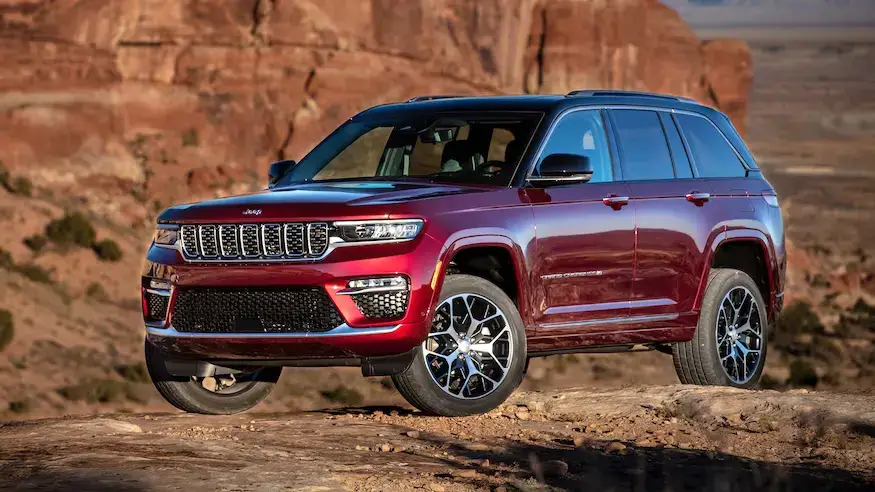
When you think of a Jeep, you may picture a tough SUV climbing rocky trails or exploring the wild. But even these famous vehicles have their weak spots—especially under the hood.
For many Jeep owners, engine problems can be a big headache. Understanding the most common issues can help you spot trouble early, save money, and keep your Jeep running strong for years.
Let’s look closer at the main engine problems Jeep owners face and how to deal with them.
Frequent Jeep Engine Problems
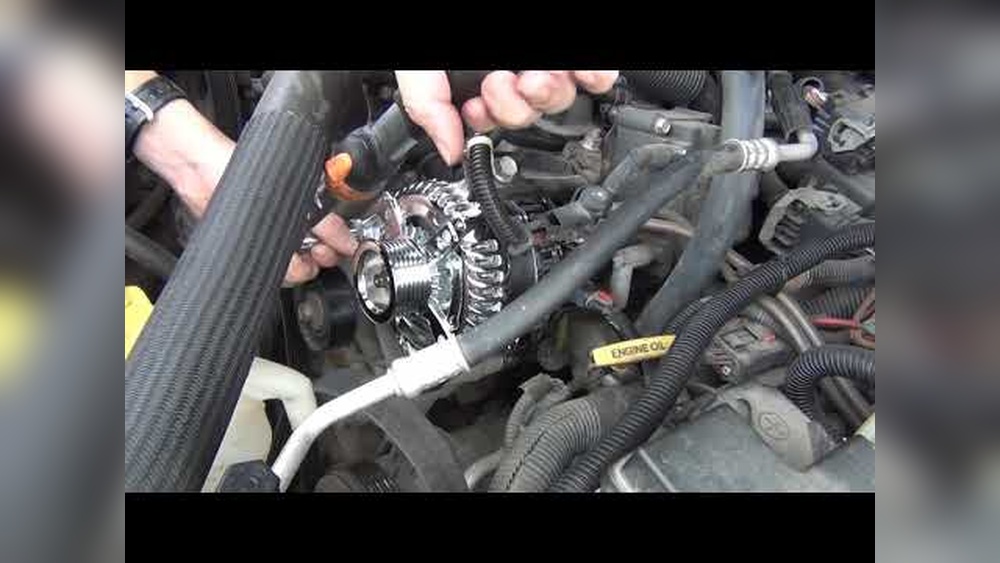
Jeep engines are built for adventure, but that doesn’t make them perfect. Over time, some issues appear more often than others, especially in popular models like the Wrangler, Grand Cherokee, and Cherokee. Here are the main problems you might run into:
1. Excessive Oil Consumption
Many Jeep owners report their engines use up oil quickly—sometimes much faster than expected. This is most common in the 3.6L Pentastar V6, used since 2011 in models like the Grand Cherokee and Wrangler.
- Signs: Oil warning light, oil level dropping between oil changes.
- Why it matters: Low oil can damage the engine if not topped up quickly.
A non-obvious tip: Check oil levels every 1,000 miles, not just during regular service. Many drivers rely only on service intervals and miss early warning signs.
2. Engine Stalling And Hesitation
Some Jeep engines—especially those from the 2000s—can stall suddenly or hesitate when you press the gas pedal. The cause is often a faulty crankshaft or camshaft sensor, but dirty throttle bodies or weak batteries can also play a role.
- Example: The 2011-2014 Jeep Grand Cherokee had recalls for stalling linked to a bad fuel pump relay.
- Risk: Sudden stalling can be dangerous, especially in traffic.
Don’t ignore small hiccups or rough idling. Often, these are early signs of a bigger problem developing.
3. Overheating
A common problem for many Jeep engines is overheating, especially in hot climates or during off-road driving.
- Causes: Failing radiator fans, coolant leaks, or a clogged radiator.
- Models affected: Both older 4.0L inline-six and newer V6 engines have seen overheating complaints.
Regularly inspect hoses and coolant levels. Overheating even once can warp engine parts or ruin your head gasket.
4. Cylinder Head Failure
The 3.7L and 4.7L engines used in older Jeeps (like the Liberty and Grand Cherokee from 2002-2012) are known for cracked cylinder heads. Symptoms include rough running, white smoke, or coolant loss.
- Cost: Repairing a cracked head can cost $1,500 or more.
- Insight: Many failures come from overheating, so fix cooling issues quickly to prevent this.
5. Timing Chain Or Belt Problems
Some Jeep engines use a timing chain (like the Pentastar V6) while older engines use timing belts. If these parts stretch or break, the engine can be seriously damaged.
- Symptoms: Rattling noises, poor acceleration, or engine won’t start.
- Fact: The Pentastar V6 had timing chain tensioner issues in early years.
Changing timing belts on schedule is critical. Chains can last longer but should be checked for noise or slack.
Model Comparison: Engine Issues
To see which models are most affected, here’s a quick comparison:
| Jeep Model | Common Engine Problems | Notable Years |
|---|---|---|
| Wrangler | Oil consumption, overheating | 2012-2018 |
| Grand Cherokee | Stalling, timing chain, head cracks | 2011-2014 |
| Cherokee | Stalling, oil leaks | 2014-2016 |
| Liberty | Cylinder head failure | 2002-2012 |
Warning Signs You Shouldn’t Ignore
Spotting engine trouble early can prevent expensive repairs. Watch for these warning signs:
- Burning oil smell
- White or blue smoke from exhaust
- Ticking or knocking noises
- Check engine light comes on
- Engine runs rough or loses power
A practical tip: Don’t assume the check engine light is “just a sensor.” Even small issues can turn serious if ignored.
Maintenance Tips To Prevent Engine Problems
You can avoid many Jeep engine problems with good habits:
- Change oil and filter every 5,000 miles or as recommended.
- Use the correct oil type—Jeep engines are sensitive to viscosity.
- Flush coolant every 2-3 years to prevent overheating.
- Listen for unusual noises and investigate quickly.
- Replace timing belts or check chains on schedule.
Also, consider using OEM parts for major repairs. Aftermarket parts may save money, but some don’t last as long in harsh Jeep conditions.
Real-world Example: Jeep Wrangler Pentastar V6
The Pentastar V6 is one of Jeep’s most popular engines. While generally reliable, it’s known for:
- Excessive oil use (up to 1 quart per 1,000 miles in some cases)
- Timing chain noise
- Occasional head gasket leaks
In a 2015 survey, about 15% of owners reported at least one engine-related repair within the first 100,000 miles. This doesn’t mean your Jeep will definitely have problems, but knowing what to watch for can keep you ahead.
Estimated Repair Costs For Common Problems
Here’s a quick look at what you might pay for typical Jeep engine repairs:
| Problem | Repair Cost Range (USD) | Repair Time |
|---|---|---|
| Oil consumption fix | $500 – $2,000 | 1–3 days |
| Timing chain/belt | $800 – $1,800 | 1–2 days |
| Cylinder head repair | $1,500 – $3,000 | 2–4 days |
| Sensor replacement | $100 – $500 | 1–2 hours |

When To See A Mechanic
If you notice persistent engine issues, don’t wait. Modern Jeep engines are complex, and delaying repairs can multiply costs. Choose a mechanic with Jeep experience, as they’ll know common weak spots and the latest fixes.
Also, keep records of all maintenance and repairs. This can help with warranty claims or when selling your Jeep.