If you’ve recently seen the code P0456 pop up on your Jeep Grand Cherokee’s dashboard, you’re probably wondering what it means and if you should be worried.
This code signals a small leak in your vehicle’s evaporative emission system, which might sound serious but often points to simple issues you can fix yourself.
Understanding what causes this code and how to address it can save you time, money, and stress.
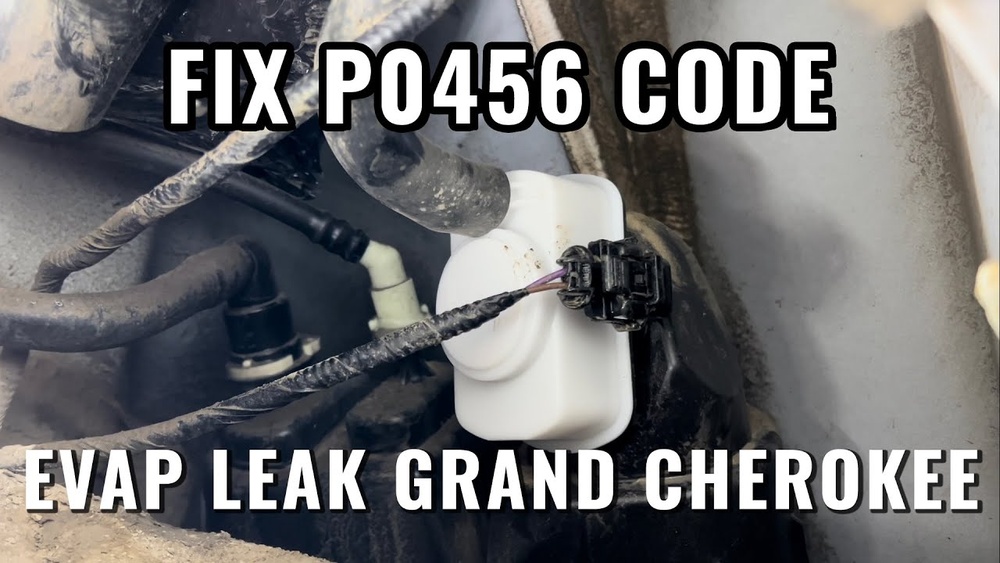
Keep reading to find out what P0456 means for your Jeep, the common reasons behind it, and practical steps you can take to get your Grand Cherokee back on the road with confidence.
P0456 Code Basics
The P0456 code indicates a very small leak in the Jeep Grand Cherokee’s EVAP system. This system controls fuel vapors and prevents them from escaping into the air.
The vehicle’s Powertrain Control Module (PCM) detects this leak and triggers the code. The leak is small but enough to turn on the Check Engine Light.
Understanding the basics helps you know what causes this code and how the EVAP system works. This knowledge can guide you toward effective diagnosis and repair.
What Triggers The Code
The P0456 code triggers when the PCM finds a tiny leak in the EVAP system. This system seals fuel vapors from leaving the fuel tank.
Even a small crack or loose connection can cause the code. Common triggers include a loose fuel cap, cracked hoses, or faulty valves.
The PCM runs tests and monitors pressure to spot leaks.
Evap System Role
The EVAP system captures fuel vapors from the gas tank. It stops these vapors from escaping into the air and polluting the environment.
The system sends captured vapors back to the engine to burn. This helps reduce pollution and saves fuel.
It includes parts like the fuel cap, purge valve, hoses, and sensors. Each part must seal tightly to work properly.
Common Leak Sources
The P0456 code in a Jeep Grand Cherokee signals a very small leak in the EVAP system. This system stops fuel vapors from escaping into the air. Small leaks can come from several parts. Understanding common leak sources helps diagnose and fix the problem faster.
Loose Or Faulty Fuel Cap
The fuel cap seals the gas tank to stop vapor leaks. A loose or damaged cap often causes the P0456 code.
The cap may not tighten properly or the seal may be worn. This lets vapors escape and triggers the code.
Checking and tightening the cap is a simple first step.
Cracked Evap Hoses
EVAP hoses carry fuel vapors to the engine for burning. These hoses are made of rubber or plastic.
Over time, they can crack or split. Even tiny cracks cause leaks in the EVAP system.
Inspect all hoses for damage or brittleness. Replacing cracked hoses often solves the leak issue.
Faulty Purge Valve
The purge valve controls vapor flow from the tank to the engine. It opens and closes to purge vapors at the right time.
A faulty valve may stick open or closed. If stuck open, it lets air into the system and causes leaks.
Testing the valve and replacing it if faulty helps fix the leak.
Failed Leak Detection Pump
The leak detection pump checks the EVAP system’s pressure. It detects even tiny leaks to alert the vehicle’s computer.
A failed pump may give false readings or fail to detect leaks. Corrosion or electrical issues often cause pump failure.
Replacing the pump restores proper leak detection function.
Quick Inspection Tips
Quick inspection tips help identify the cause of Code P0456 in your Jeep Grand Cherokee. This code signals a small leak in the EVAP system.
A fast check can save time and money before seeking professional help.
Focus on easy-to-check parts first. These quick steps often find the most common problems.
Follow these simple tips to spot leaks and fix the issue fast.
Checking The Fuel Cap
Start by inspecting the fuel cap. It may be loose or damaged.
A loose cap can cause small leaks that trigger Code P0456. Remove the cap and check for cracks or worn seals.
Tighten it firmly until it clicks. Replace the cap if it looks old or broken.
Examining Hoses And Connections
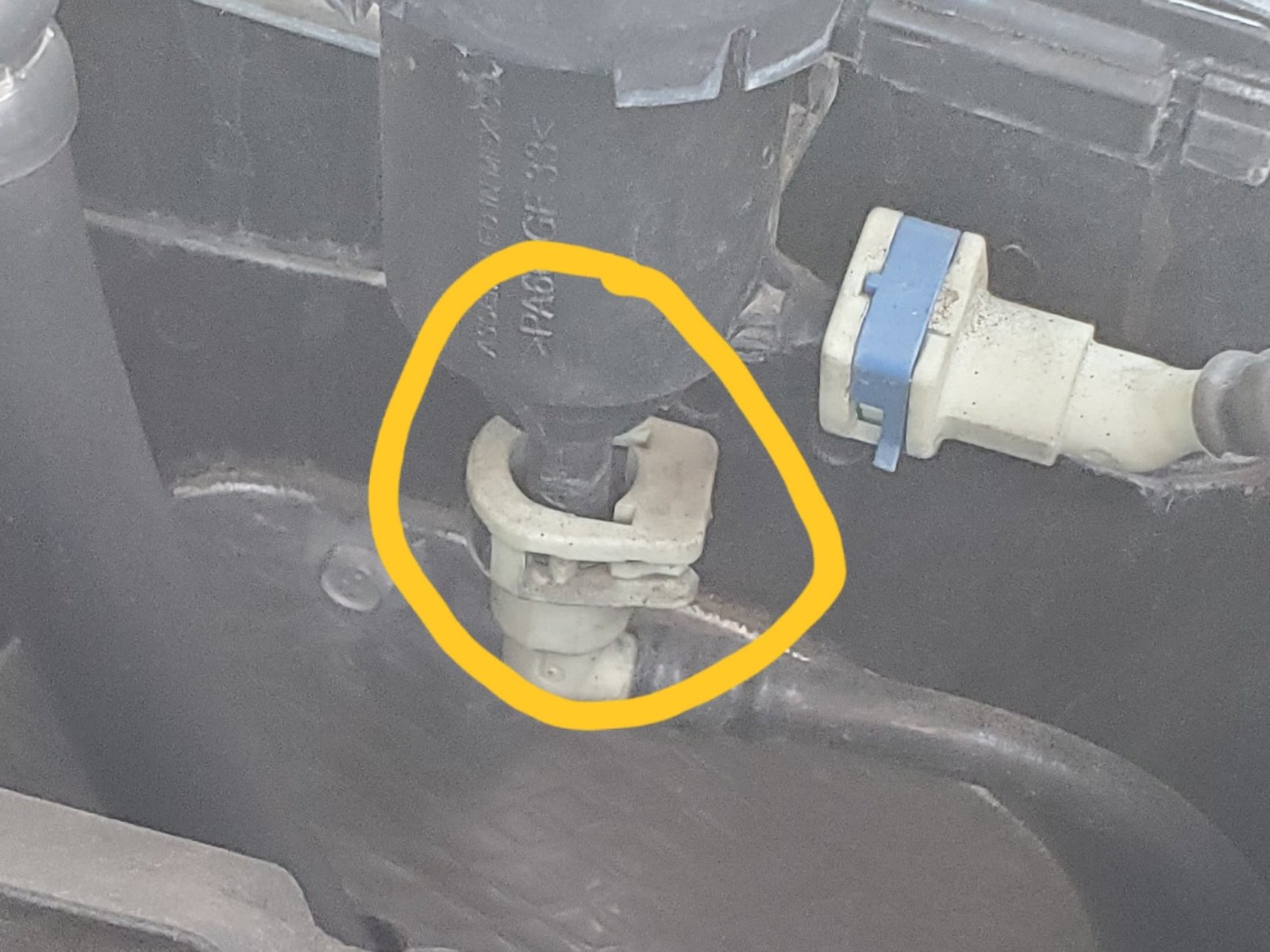
Next, check the EVAP hoses and connections. Look under the hood near the purge valve.
The hoses can crack or become loose over time. Carefully inspect for small holes or cracks.
Make sure all clamps are tight. Replace any damaged hoses to stop leaks.
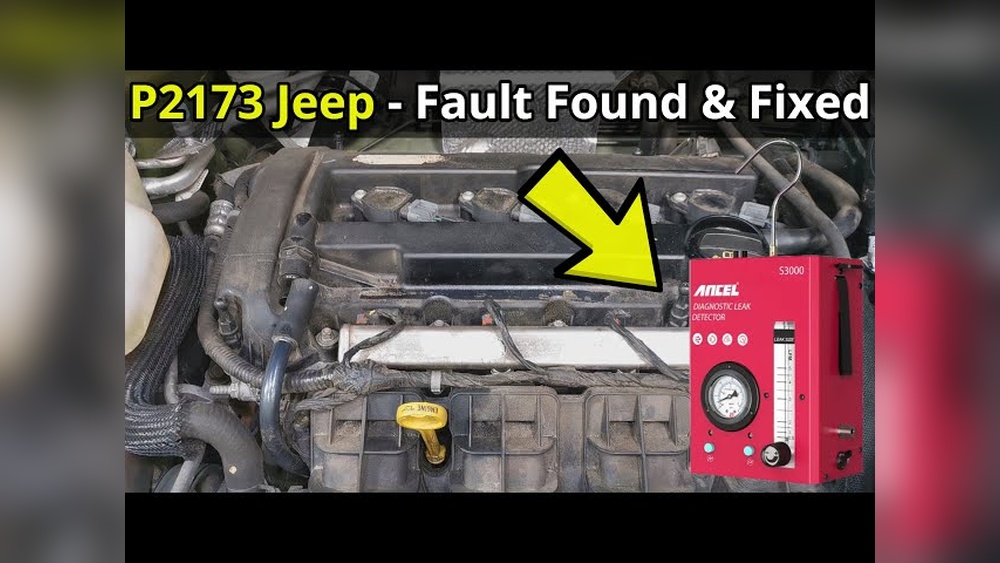
Using A Smoke Machine
A smoke machine helps find leaks invisible to the eye. It pushes smoke into the EVAP system.
Smoke will escape from the leak point, showing the exact location. This method is quick and reliable.
Mechanics often use it to detect hard-to-find leaks in your Jeep.
Diy Fixes For Small Leaks
Small leaks in the EVAP system trigger the P0456 code in your Jeep Grand Cherokee. These leaks are often easy to fix without visiting a mechanic.
You can save money and time by handling some repairs yourself.
Start with simple checks and repairs to stop the leak. Basic tools and a bit of patience are all you need.
Below are common DIY fixes that target small leaks effectively.
Replacing Cracked Hoses
Check the EVAP purge valve hoses for cracks or brittleness. These hoses are made of plastic or rubber and can wear out over time.
Remove the cracked hose carefully and replace it with a new one of the same size. Secure the new hose with clamps to prevent air leaks.
This fix often clears the P0456 code quickly.
Securing Or Replacing Fuel Cap
A loose or faulty fuel cap is a frequent cause of small EVAP leaks. Make sure the cap seals tightly and clicks when closed.
If the fuel cap is damaged or worn, replace it with an OEM or quality aftermarket cap. A good seal stops fuel vapors from escaping and clears the check engine light.
Testing And Replacing Purge Valve
The purge valve controls airflow in the EVAP system. A stuck or faulty valve can cause a small leak.
Test the valve with a multimeter or by applying vacuum to check if it opens and closes properly. Replace the valve if it is stuck or fails the test. This repair often fixes the P0456 code.
When To Seek Professional Help
Knowing when to seek professional help for Code P0456 on your Jeep Grand Cherokee saves time and money. Some problems are simple to fix but others need expert tools and skills.
Small leaks in the EVAP system can be tricky to find. A mechanic can spot hidden issues fast.
Getting a professional check prevents bigger damage and ensures your Jeep runs clean.
Complex Leak Detection
Some leaks are too small or hidden for basic checks. Professionals use special tools like smoke machines to find these leaks.
They can test the whole EVAP system under pressure. This method shows leaks inside fuel tanks or hard-to-see hoses.
DIY methods often miss these tough leaks. A mechanic’s knowledge helps find and fix these issues quickly.
Esim And Leak Detection Pump Issues
The Evaporative System Integrity Module (ESIM) and Leak Detection Pump control system pressure. These parts can fail or get clogged.
Faulty ESIM or pump causes false leak codes. Only trained technicians can test and replace these parts correctly.
They also reset your Jeep’s computer to clear error codes. Professional service ensures the EVAP system works as designed.
Safety And Driving Impact
The Code P0456 in a Jeep Grand Cherokee signals a small leak in the EVAP system. This code can raise concerns about safety and driving impact.
Understanding these effects helps drivers make informed decisions. The EVAP system controls fuel vapors and helps reduce pollution.
A small leak means some vapors escape, but does this affect your safety or driving?
how this issue influences vehicle safety, emissions, and inspections. Knowing this helps keep your Jeep running well and legal on the road.
Is It Safe To Drive?
Driving with code P0456 is generally safe. The leak is small and does not harm the engine.
Your Jeep will run normally without losing power or stalling. The Check Engine Light will stay on, which might be distracting.
The leak does not cause fuel loss or fire risk. You can continue driving, but fixing the leak soon is best.
Emissions And Inspection Considerations
The EVAP system controls harmful fuel vapors from entering the air. A small leak lets some vapors escape, increasing emissions slightly.
This can cause your Jeep to fail emissions tests. Many states require passing these tests to renew registration.
Repairing the leak and clearing the code are needed to pass inspections. Ignoring the code can lead to fines or failed tests.
Fixing the issue helps your Jeep stay environmentally friendly and legal.
Cost Expectations
Understanding the cost expectations for fixing Code P0456 on a Jeep Grand Cherokee helps you plan your budget. This code signals a small leak in the EVAP system, which controls fuel vapors.
Repair costs vary based on the exact cause and parts needed. Knowing typical repair expenses and labor fees can prevent surprises at the mechanic.
Typical Repair Costs
Most repairs for Code P0456 range from $50 to $300. The lowest costs come from fixing a loose or faulty fuel cap.
Replacing the fuel cap usually costs under $50. If the issue involves cracked hoses or valves, expect higher prices.
These parts can cost between $50 and $150 each. Complex problems, like a failed leak detection pump, can push costs closer to $300.
Simple fixes may only take an hour or less to complete. More involved repairs might take several hours, increasing labor costs.
Always ask the mechanic for a clear estimate before work begins.
Parts And Labor Estimates
Parts for EVAP system repairs vary by the component. Fuel caps are the cheapest, often under $20.
EVAP purge valves and hoses can cost $60 to $120. The leak detection pump or ESIM sensor may run $100 to $200.
Labor rates depend on the shop and location. The average mechanic charges $80 to $120 per hour.
Minor repairs usually require one hour of labor. More complex replacements can take two or more hours.
Total labor costs often range from $80 to $250. Getting multiple quotes helps find a fair price.
Some shops provide flat-rate pricing for EVAP repairs.
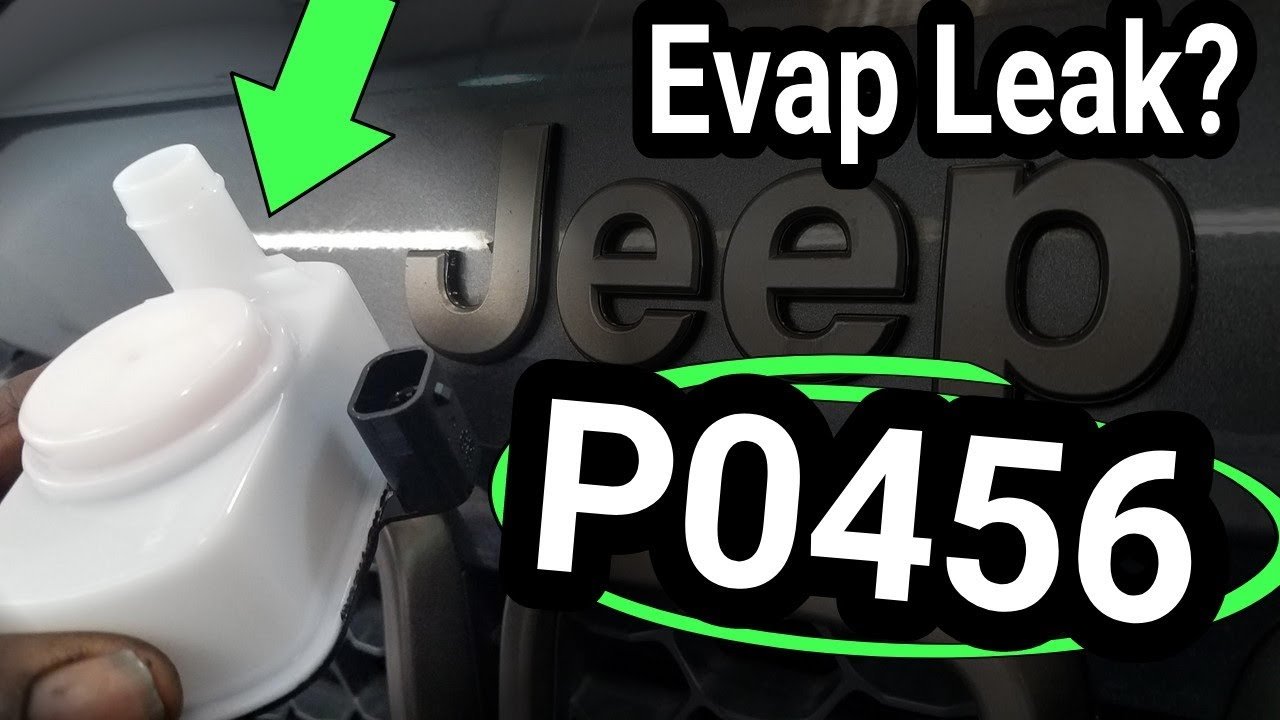
Clearing The Code
Clearing the P0456 code on a Jeep Grand Cherokee involves more than just erasing the error. It requires ensuring the root cause is fixed first.
This code signals a small leak in the EVAP system. Ignoring it can lead to failed emissions tests and persistent warning lights.
Once the underlying problem is addressed, clearing the code resets the vehicle’s computer. This step allows the system to monitor if the leak returns.
Proper clearing helps maintain engine health and emissions compliance.
Resetting The Check Engine Light
After repairing the leak, the check engine light must be reset. Mechanics use an OBD-II scanner to clear the stored code. This tool connects to the vehicle’s diagnostic port under the dashboard. It erases the trouble code and turns off the warning light.
Some Jeep owners may try disconnecting the battery to reset the light. This method can work but may reset other settings too.
Using a scanner is safer and more precise. It ensures the PCM starts fresh, ready to detect any new issues.
Monitoring For Recurrence
Once the code is cleared, monitoring the system is important. Drive the Jeep normally and watch for the check engine light.
If the light returns, the leak may still exist or a new issue has arisen.
Regular checks help catch problems early. A smoke test can pinpoint small leaks in the EVAP system.
Keeping an eye on fuel cap tightness and hose conditions also prevents leaks. Early detection saves time and money in repairs.

Conclusion
The P0456 code signals a small EVAP leak in your Jeep Grand Cherokee. Common causes include a loose fuel cap or cracked hoses.
Checking these parts first can often fix the issue. Driving your Jeep remains safe despite this code.
Still, the check engine light will stay on until repaired. Fixing the leak helps pass emissions tests and keeps your vehicle running clean.
Regular inspections can prevent future problems. Stay attentive to your Jeep’s signs for smooth driving.