When it comes to classic off-road vehicles, few names stand out like the Jeep CJ5 and Jeep CJ7. Both are icons in the world of 4x4s, famous for their rugged style and go-anywhere attitude. But which one is right for you? If you’re trying to decide between the CJ5 and CJ7, understanding their differences is key. Let’s break down what makes each model unique so you can make the best choice for your adventures.
Key Differences In Design
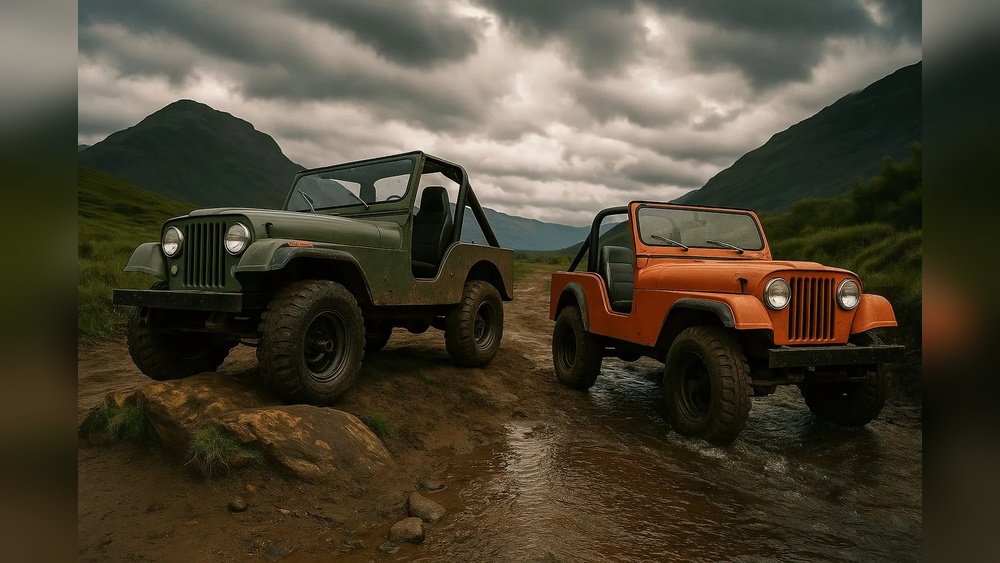
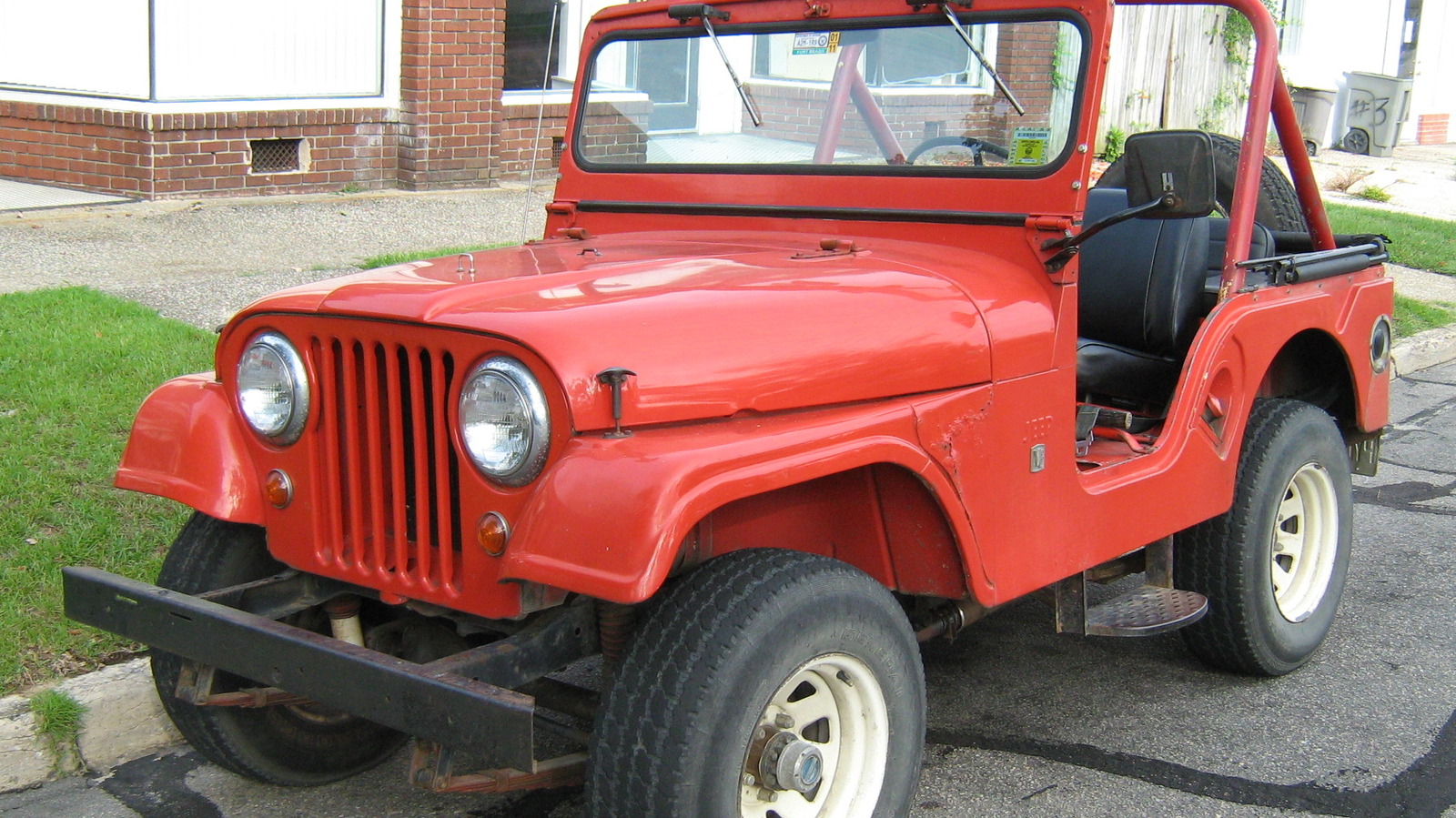
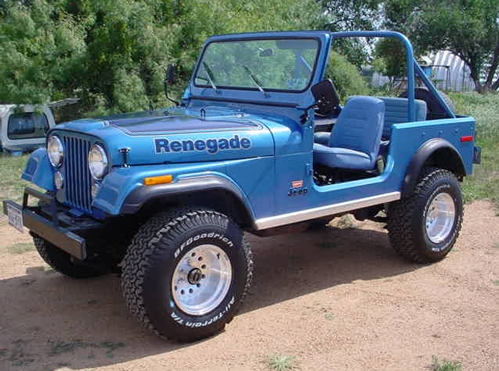
The most obvious difference is size. The CJ5 is known for its shorter wheelbase, measuring about 83 inches. This gives it a compact look and makes it highly maneuverable on tight trails. The CJ7, introduced in 1976, has a longer wheelbase of 93.4 inches. That extra 10 inches may not sound like much, but it changes both the appearance and the handling of the vehicle.
The CJ7’s longer body provides more interior space and a more stable ride, especially at higher speeds or on rough terrain. The CJ5, on the other hand, is lighter and feels more nimble. If you plan to do mostly rock crawling or tight forest trails, the CJ5’s compact size is a real advantage.
Here’s a quick comparison:
| Model | Wheelbase (inches) | Length (inches) | Width (inches) |
|---|---|---|---|
| CJ5 | 83 | 139 | 68.5 |
| CJ7 | 93.4 | 148 | 68.5 |
Engine Options And Performance
Both the CJ5 and CJ7 were offered with several engine choices over the years. The most common engines include the inline-4, inline-6, and V8 options. However, the CJ7 was available with more powerful engines and modern features, especially in later models.
The CJ7 is often found with the 4.2L straight-six or the 5.0L V8, which offer better highway performance and more torque for towing. The CJ5 typically came with smaller, simpler engines, making it easier to maintain but less powerful. If you need a Jeep for daily driving or towing, the CJ7 has an edge.
One thing many beginners miss: weight balance. The longer CJ7 distributes weight better, which can mean safer handling, especially when loaded or pulling a trailer.
Comfort And Interior Features
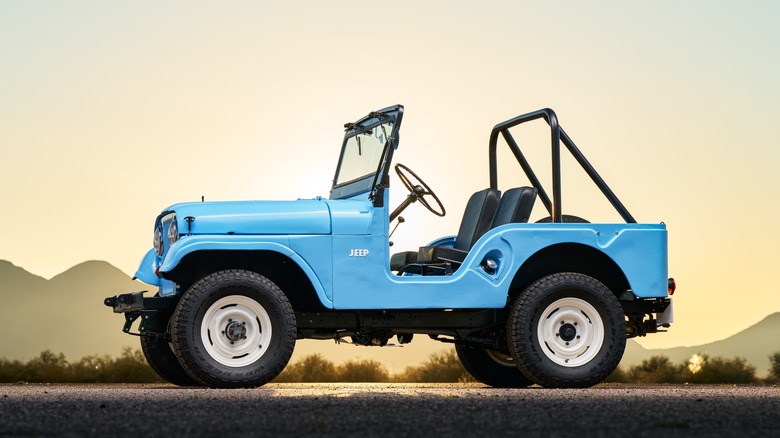
The CJ7 brought a big improvement in comfort over the older CJ5. Thanks to its longer body, the CJ7 offers more legroom and cargo space. It also introduced options like hard tops and full steel doors for better weather protection, something rarely seen on the CJ5.
A big plus for families or taller drivers: the CJ7’s seats are more adjustable, and the cabin feels less cramped. The CJ5’s small interior can be uncomfortable for long drives, especially for passengers in the back.
Below is a feature comparison:
| Feature | CJ5 | CJ7 |
|---|---|---|
| Hard Top Option | Rare | Common |
| Full Steel Doors | No | Yes |
| Rear Seat Comfort | Limited | Improved |
Off-road Capability
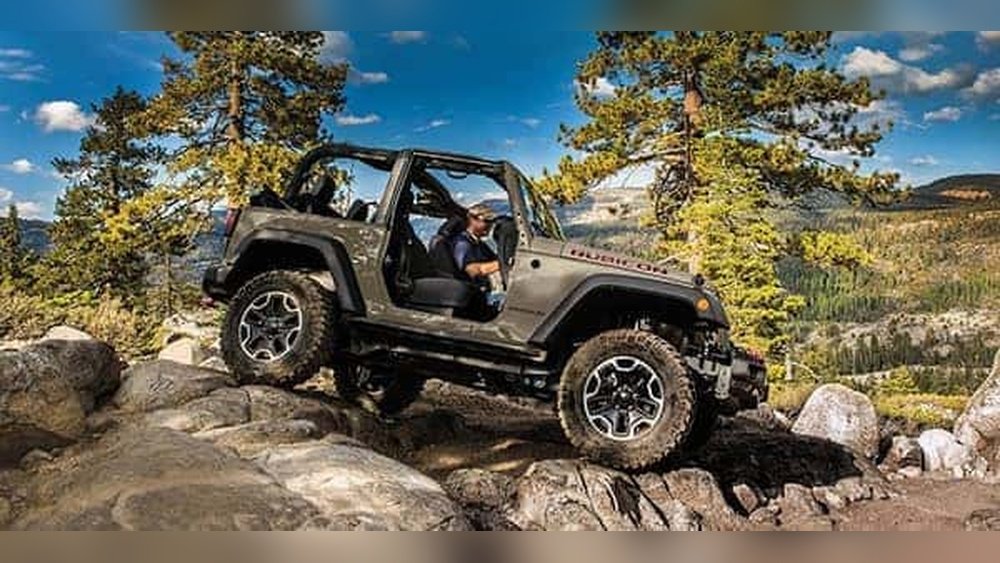
Both Jeeps are legendary off-roaders, but they excel in different ways. The CJ5’s short wheelbase makes it ideal for sharp turns and technical trails. It can handle rocky paths and narrow passages that larger vehicles struggle with.
The CJ7, with its longer wheelbase, offers better stability on steep climbs and when crossing obstacles. It’s less likely to tip over and handles mud and sand with more confidence. The CJ7 also introduced the Quadra-Trac full-time four-wheel-drive system, a feature not available on the CJ5. This makes the CJ7 easier to drive in changing conditions.
Insight: Many new off-roaders think shorter is always better. But the CJ7’s extra length often makes it more forgiving and comfortable for beginners, especially on uneven terrain.
Collectibility And Value
When it comes to classic cars, value matters. The CJ5 was produced from 1954 to 1983, making it one of the longest-running Jeep models. The CJ7 had a shorter run from 1976 to 1986 but became popular due to its mix of classic style and modern features.
Well-kept CJ7s tend to bring higher prices, especially if they have original parts or rare options. The CJ5 is easier to find but can be more challenging to restore due to fewer available parts. Before buying, check if replacement parts are easy to get for your chosen model.
Here’s a quick look at average prices (as of 2024):
| Model | Average Price (Good Condition) | Production Years |
|---|---|---|
| CJ5 | $12,000 – $20,000 | 1954-1983 |
| CJ7 | $18,000 – $30,000 | 1976-1986 |
Tip: Check local laws before buying. Some CJ5s lack safety features now required in many states.
Which Should You Choose?
If you want a true classic for off-road fun in tight spaces, the CJ5 is hard to beat. It’s simple, light, and great for experienced drivers who love challenging trails. However, the CJ5’s small size and basic features make it less suitable for daily use or families.
The CJ7 is better if you want a classic Jeep that’s more comfortable, stable, and versatile. It’s easier to drive, offers better safety, and can be used as a weekend cruiser or even a daily driver. For most buyers, the CJ7 is the best mix of classic style and modern comfort.
For more historical details on these legendary Jeeps, check the official Jeep CJ Wikipedia page.
Frequently Asked Questions
What Is The Main Difference Between Cj5 And Cj7?
The biggest difference is the wheelbase length. The CJ7 is about 10 inches longer, giving it more interior space and better stability, while the CJ5 is shorter and more agile off-road.
Are Cj5 And Cj7 Parts Interchangeable?
Some parts like engines and axles can be swapped, but many parts—especially body panels and interior pieces—are not directly interchangeable due to differences in size and design.
Which Model Is Better For Daily Driving?
The CJ7 is better for daily use. It’s more comfortable, has modern options like hard tops and full doors, and handles better at highway speeds.
Is The Cj5 Or Cj7 Safer?
The CJ7 has more safety features and a more stable design. Some CJ5s lack seat belts and rollover protection, so always check before buying.
Which Jeep Holds Its Value Better?
Both have strong resale value, but the CJ7 is often more valuable, especially in original or restored condition, due to higher demand and more advanced features.
Choosing between the CJ5 and CJ7 depends on your needs and style. Both are excellent classics, and with the right care, either one can be a reliable adventure companion for years to come.