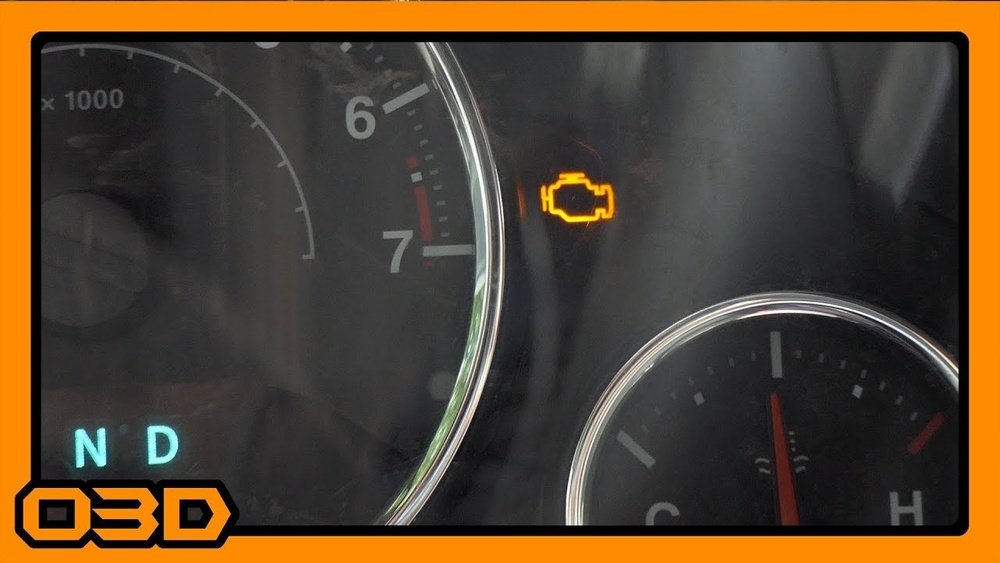
If your 2014 Jeep Wrangler’s check engine light just came on, you’re probably wondering what it means and what you should do next. That little warning light can feel like a mystery, or even a threat, but don’t panic.
It doesn’t always mean a major problem. Sometimes, it’s something simple you can fix yourself.
You’ll learn the common reasons why your Wrangler’s check engine light turns on, how to quickly check the trouble codes without expensive tools, and what steps to take to keep your Jeep running smoothly and safely.
Keep reading to take control of your Jeep’s health and avoid costly repairs down the road.
Common Causes
The Check Engine Light on a 2014 Jeep Wrangler can appear for several reasons. Understanding the common causes helps you act quickly. Each cause points to a specific system or component that needs attention.
Some issues are simple to fix, while others may need a professional mechanic. Knowing these causes can save time and money on repairs. Below are the most frequent reasons the Check Engine Light turns on.
Loose Gas Cap
A loose gas cap is one of the easiest causes to check. If the cap is not tight, fuel vapors can escape. This triggers the vehicle’s EVAP system and lights the Check Engine Light. Make sure the gas cap clicks several times when tightening. Fixing this may turn off the warning light after a short drive.
Failing Oxygen Sensors
The oxygen sensors monitor the air-fuel mixture in the engine. When these sensors fail, the engine runs poorly. Fuel economy drops, and emissions increase. A bad sensor sends wrong data to the engine computer. This will cause the Check Engine Light to come on. Replacing faulty oxygen sensors often improves performance.
Evap System Leaks
The EVAP system stops fuel vapors from escaping into the air. Leaks or cracks in this system trigger the warning light. Common leak points include hoses and the charcoal canister. A leak causes the fuel system to lose pressure. Mechanics use special tools to find and fix EVAP leaks. Repairing these leaks helps pass emissions tests.
Weak Or Dead Battery
A weak or dead battery can cause the Check Engine Light to turn on. Low voltage makes sensors send wrong signals. The engine computer may see this as a fault. This often happens after jump-starting the vehicle. Replacing or charging the battery can clear the warning light. Always check the battery health if the light stays on.

Diagnosing Codes Without A Scanner
Diagnosing the check engine light on a 2014 Jeep Wrangler can be done without a scanner. This helps you understand the problem before visiting a mechanic. The Jeep stores trouble codes that explain what needs attention. You can access these codes with simple steps using the ignition key and the odometer display. This process saves time and money by giving you a clear starting point for repairs.
Using The Ignition Key Method
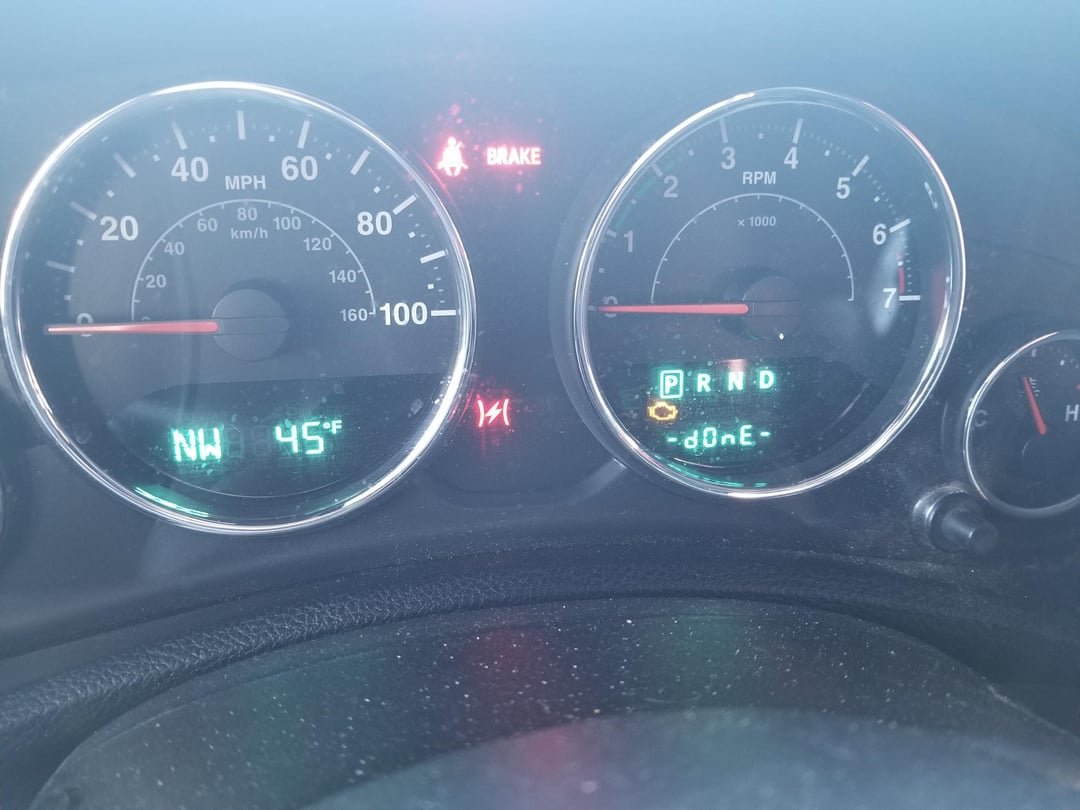
First, close all vehicle doors to ensure the system resets properly. Insert the key into the ignition. Turn the key from OFF to ON three times without starting the engine. The sequence is OFF-ON-OFF-ON-OFF-ON. End with the key in the ON position. This action prompts the Jeep to flash the stored trouble codes through the check engine light. Count the flashes to note each code. A pause separates each code to help you identify multiple issues.
Reading Codes On The Odometer
After using the ignition key method, look at the odometer display. The codes appear as numbers on the screen. Each code starts with a letter P followed by four digits. These codes match specific problems in the engine or emission system. Write down the codes exactly as shown. Use a repair manual or online resource to find their meaning. This step guides you toward fixing the right problem.
Interpreting The Light
The Check Engine Light (CEL) on a 2014 Jeep Wrangler signals a problem detected by the vehicle’s onboard computer. Understanding what the light means helps you decide what to do next. It does not always mean a severe issue, but ignoring it can lead to bigger problems. This section explains how to interpret the light and what actions to take.
Steady Light Vs. Blinking Light
A steady Check Engine Light means the computer found a minor or moderate issue. You can usually keep driving but should get the Jeep checked soon. Common causes include a loose gas cap or a failing sensor.
A blinking Check Engine Light means a serious problem. It often signals an engine misfire that could damage the catalytic converter. Stop driving and get the Jeep inspected immediately to avoid costly repairs.
What The Light Means For Your Jeep
The Check Engine Light shows that the Jeep’s computer detected a fault. This could affect emissions, fuel efficiency, or engine performance. The light helps protect your Jeep by alerting you early. Ignoring it may lead to poor fuel economy and increased emissions.
Using a diagnostic tool can reveal the exact fault code. This code points to the specific part or system with a problem. Fixing the issue early prevents further damage and keeps your Jeep running smoothly.

Safety Tips
Professional repairs are vital when the check engine light appears on your 2014 Jeep Wrangler. Skilled technicians use precise methods to find and fix the root cause. They ensure your vehicle runs safely and efficiently after repair.
Ignoring this warning can lead to bigger problems. A professional repair shop has the tools and knowledge to handle complex issues. They offer thorough inspections and quality service for lasting results.
Battery Testing And Replacement
The battery plays a key role in your Jeep’s electrical system. A weak or failing battery can cause the check engine light to come on. Professionals test the battery’s voltage and performance to check its health.
If the battery is faulty, they replace it with a compatible, high-quality unit. This helps prevent false error codes and ensures your Jeep starts smoothly every time.
Advanced Diagnostics
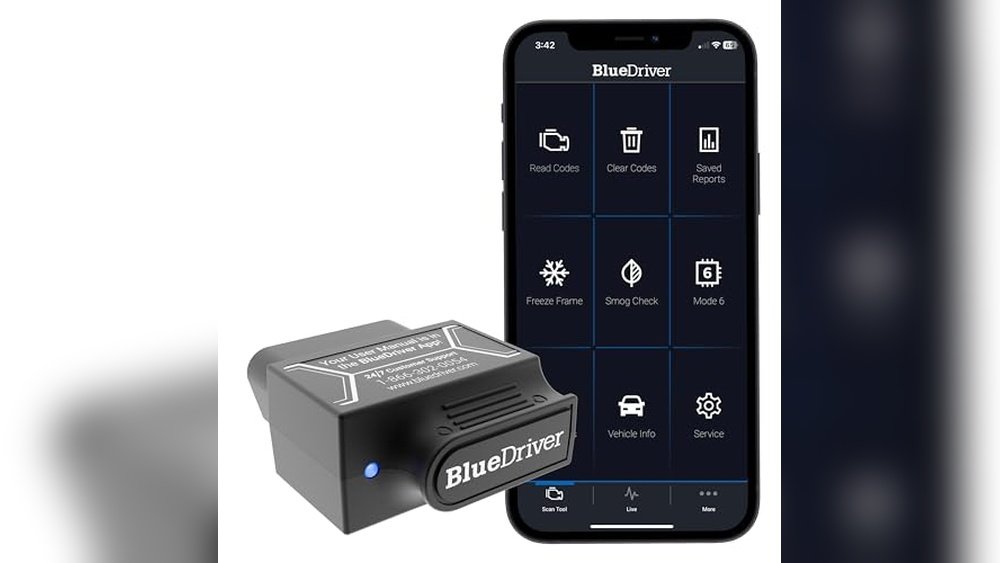
Modern Jeep Wranglers have complex onboard computers. Advanced diagnostic tools connect to the vehicle’s OBD-II system. These tools read error codes stored by the engine control unit (ECU).
Technicians use this data to pinpoint specific problems. They can identify sensor failures, emission issues, or other engine troubles quickly. This precise approach saves time and avoids unnecessary repairs.
Ecu Reset And Repairs
The ECU manages many engine functions and sensors. Sometimes, resetting the ECU clears error codes after repairs. Professionals perform this reset safely to avoid data loss or damage.
If the ECU itself is damaged, technicians can repair or replace it. Fixing the ECU restores proper communication between sensors and the engine. This step often resolves persistent check engine light problems.
<!– wp:rank-math/faq-block {"questions":[{"id":"faq-question-021280fe321d","title":"Can I Drive My Jeep With The Engine Light On?","content":"
You can drive your Jeep with a steady engine light on, but get it checked soon. Stop immediately if it blinks.
“,”visible”:true},{“id”:”faq-question-7bc075c9ed26″,”title”:”What Is The Most Common Check Engine Light On A Jeep Wrangler?”,”content”:”The most common check engine light on a Jeep Wrangler usually signals a loose gas cap, faulty oxygen sensor, or EVAP system leak. Tightening the gas cap often resolves the issue quickly.
“,”visible”:true},{“id”:”faq-question-5094c47be10b”,”title”:”What Is The First Thing To Check When The Check Engine Light Comes On?”,”content”:”Check the gas cap first; a loose or damaged cap often triggers the check engine light. Tighten it securely.
“,”visible”:true},{“id”:”faq-question-b88482b3a98d”,”title”:”Can The Check Engine Light On A Jeep Wrangler Mean The Battery Is Low?”,”content”:”Yes, a low or weak battery can trigger the Jeep Wrangler’s check engine light. Low voltage may cause sensor errors or false trouble codes.
“,”visible”:true}]} –>Can I Drive My Jeep With The Engine Light On?
You can drive your Jeep with a steady engine light on, but get it checked soon. Stop immediately if it blinks.
What Is The Most Common Check Engine Light On A Jeep Wrangler?
The most common check engine light on a Jeep Wrangler usually signals a loose gas cap, faulty oxygen sensor, or EVAP system leak. Tightening the gas cap often resolves the issue quickly.
What Is The First Thing To Check When The Check Engine Light Comes On?
Check the gas cap first; a loose or damaged cap often triggers the check engine light. Tighten it securely.
Can The Check Engine Light On A Jeep Wrangler Mean The Battery Is Low?
Yes, a low or weak battery can trigger the Jeep Wrangler’s check engine light. Low voltage may cause sensor errors or false trouble codes.
Conclusion
The check engine light on your 2014 Jeep Wrangler signals a problem that needs attention. Simple issues like a loose gas cap can cause the light to turn on.
More serious problems might affect engine performance or emissions. You can check the engine codes without special tools by using your ignition key.
Taking quick action helps avoid bigger repairs later. Always address warning lights promptly to keep your Jeep running safely and smoothly.
Staying aware of common causes saves time and money in the long run.