Changing the oil in your 2014 Jeep Grand Cherokee is a simple task that helps your SUV run smoothly and last longer. Even if you are not a mechanic, you can do this at home in about an hour.
Taking care of your own oil change saves money and gives you peace of mind knowing it was done right. This guide will walk you through each step, offer helpful tips, and explain the common mistakes to avoid.
Why Oil Changes Matter For Your 2014 Jeep Grand Cherokee
Engine oil is like the blood of your car. It keeps all parts moving smoothly, reduces friction, and helps control temperature. Over time, oil gets dirty and loses its ability to protect your engine. If you skip oil changes, you risk engine wear or costly repairs. For a 2014 Jeep Grand Cherokee, regular oil changes keep the powerful V6 or V8 engine in top shape.
Tools And Supplies You’ll Need
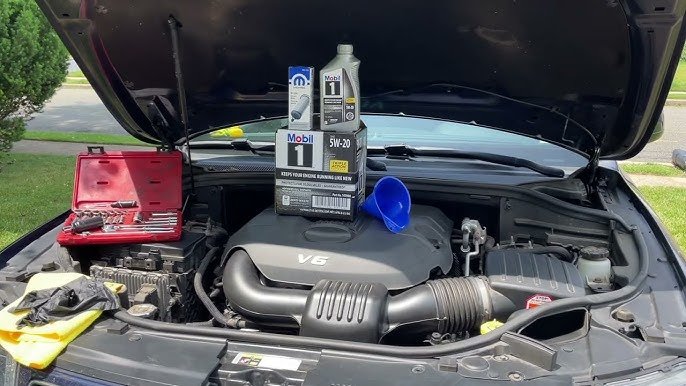
Before you begin, gather these items:
- 5W-20 synthetic oil (6 quarts for V6, 7 quarts for V8)
- Oil filter (check your engine type)
- Oil filter wrench
- Socket wrench set
- Drain pan
- Funnel
- Jack and jack stands
- Gloves and rags
Make sure your Jeep is parked on a flat surface and the engine is cool.
Step-by-step Oil Change Process
Follow these steps to change the oil safely and cleanly.
1. Raise The Vehicle
Use the jack to lift the front of your Jeep. Place jack stands under the frame for safety. Never rely only on the jack.
2. Locate The Drain Plug And Oil Filter
Slide under the vehicle. Look for the drain plug under the oil pan. The oil filter is nearby—check your owner’s manual for the exact location.
3. Drain The Old Oil
Place the drain pan under the plug. Use your socket wrench to loosen and remove the plug.
Let the oil drain out completely (about 10 minutes). Wipe the plug and replace the washer if damaged.
4. Remove And Replace The Oil Filter
Use the oil filter wrench to unscrew the old filter. Some oil may spill, so keep the pan underneath.
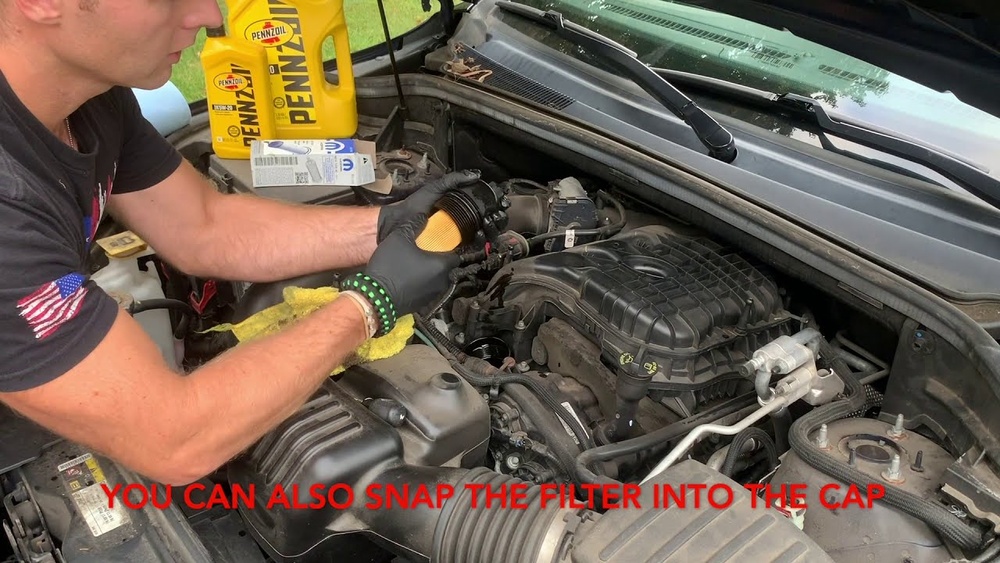
Before installing the new filter, rub a little new oil on the gasket—this ensures a good seal. Screw the new filter on by hand, not too tight.
5. Add New Oil
Lower the Jeep from the jack stands. Open the hood and remove the oil cap. Using a funnel, pour in the correct amount of 5W-20 synthetic oil. Replace the cap.
6. Check Oil Level And Leaks
Start the engine and let it run for a minute. Turn it off and wait a couple of minutes.
Pull the dipstick, wipe it, reinsert, and check the oil level. Add more if needed. Look under the Jeep for leaks.
Oil Type And Capacity Details
Choosing the right oil is important for engine health and long life.
| Engine | Oil Type | Capacity |
|---|---|---|
| 3.6L V6 | 5W-20 Synthetic | 6 quarts |
| 5.7L V8 | 5W-20 Synthetic | 7 quarts |
Most Grand Cherokees use the 3. 6L V6, but always double-check your engine.

How Often To Change Oil
Jeep recommends every 5,000 to 7,500 miles for normal driving. If you drive in extreme conditions—like heavy towing or lots of stop-and-go traffic—change oil more often, around every 4,000 miles.
Common Mistakes To Avoid
Many first-timers miss small steps that can cause problems later. Here are two often-overlooked details:
- Not replacing the oil filter gasket—If the old gasket sticks to the engine, your new filter may leak.
- Using the wrong oil type—Always use oil that meets Jeep’s requirements, or you risk engine damage.
Another common mistake is over-tightening the drain plug or oil filter. Tighten them just enough to prevent leaks, not as hard as you can.
Cost Comparison: Diy Vs. Shop
Changing your own oil can save money. Here’s a quick look at the cost difference.
| Service | Estimated Cost |
|---|---|
| DIY (Parts Only) | $40 – $60 |
| Dealership/Shop | $80 – $120 |
You also learn more about your Jeep and can spot other potential problems early.
Environmental Considerations
Used oil is a hazardous waste. Never pour it down a drain or on the ground.
Most auto parts stores will recycle your old oil for free. Store it in a sealed container and drop it off during business hours.
Extra Tips For Success
- Run your engine for a few minutes before starting—the oil will drain faster when warm.
- Use gloves to protect your hands from hot surfaces and dirty oil.
- Write down your mileage and the date for the next oil change reminder.
If you want more details about engine oil types, see this resource: Consumer Reports.