Changing the wheel bearing on a Jeep Liberty is a challenging but rewarding task for many DIY car owners. If you notice a humming noise, roughness while driving, or excessive play in your wheel, your wheel bearing could be failing. Ignoring this can lead to uneven tire wear or even dangerous driving conditions. Understanding the process and what to expect is key before you grab your tools. This guide walks you through the steps, tools, and tips needed to replace a wheel bearing on a Jeep Liberty, helping you save money and keep your vehicle safe.
What Is A Wheel Bearing And Why Does It Matter?
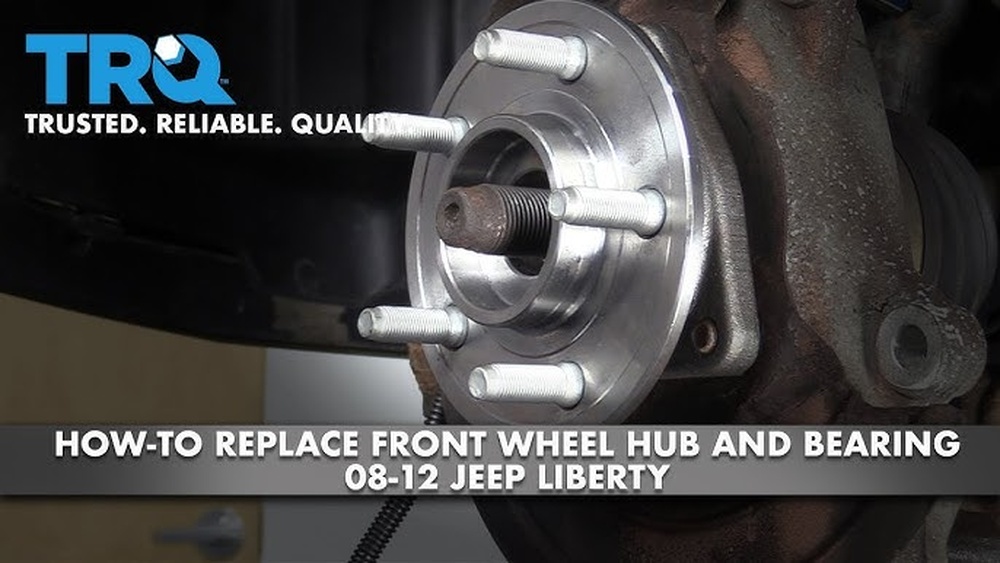
A wheel bearing is a set of steel balls or rollers held together by a metal ring, called a race. It allows your wheels to spin with minimal friction. For the Jeep Liberty, especially models from 2002 to 2012, the wheel bearing is located inside the wheel hub assembly.
If a wheel bearing fails, it can cause:
- Vibration in the steering wheel
- Grinding or rumbling noises
- ABS warning light due to sensor damage
- Steering instability
A failing bearing can even cause the wheel to lock up or fall off in extreme cases. That’s why it’s important to address the issue quickly.
Signs Your Jeep Liberty Needs A New Wheel Bearing
Knowing when to change a wheel bearing saves time, money, and stress. Here are clear signs to watch for:
- Growling or Humming Noise: This sound usually gets louder as you accelerate.
- Play in the Wheel: When the vehicle is jacked up, you can move the wheel side to side more than normal.
- ABS Warning Light: The built-in sensor can fail or misread, triggering the dashboard warning.
- Uneven Tire Wear: A bad bearing can create uneven pressure on the tire surface.
Many new DIYers miss the fact that a failing bearing often sounds like tire noise. Rotating your tires and checking if the sound changes sides can help confirm the issue.
Tools And Parts Needed
Before starting, gather everything you need. Having the right tools makes the process much smoother.
- Jack and jack stands
- Lug wrench
- Socket set (including large axle nut socket, usually 36mm)
- Breaker bar
- Torque wrench
- Pry bar
- Hammer
- Screwdriver
- Penetrating oil (like WD-40)
- New wheel bearing and hub assembly (recommended to replace both together)
- Grease (if needed for the axle splines)
- Work gloves and safety glasses
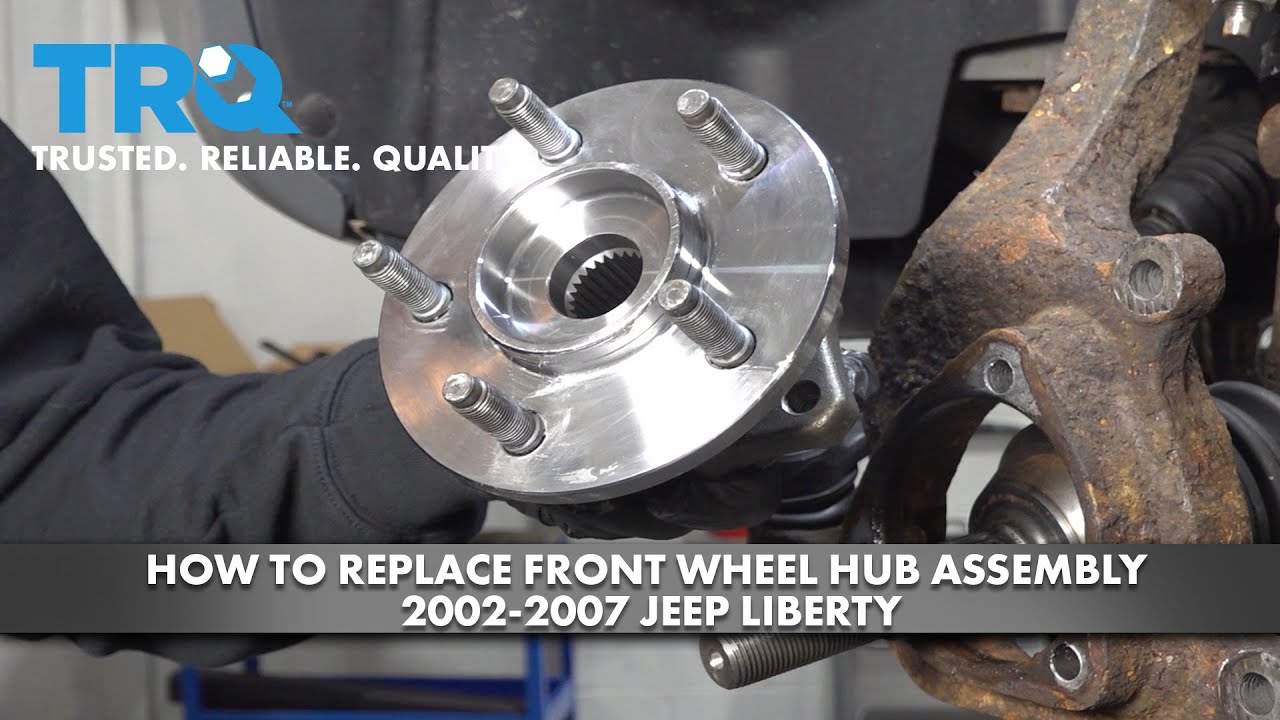
For most Jeep Liberty models, the front wheel bearings come as a full hub assembly, making replacement more straightforward compared to pressing out individual bearings.
How To Change The Wheel Bearing On A Jeep Liberty
This step-by-step guide focuses on the front wheel bearing, as it’s the most commonly replaced on Jeep Libertys. Rear bearings are similar but may involve removing the axle shaft.
1. Prepare The Vehicle
- Park on a flat surface and engage the parking brake.
- Loosen the lug nuts on the affected wheel (do not remove yet).
- Use a jack to lift the vehicle and secure it with jack stands.
- Remove the wheel.
2. Remove The Brake Caliper And Rotor
- Use a socket to remove the brake caliper bolts.
- Hang the caliper with wire or bungee cord to avoid stressing the brake line.
- Remove the brake rotor. If stuck, use a mallet to gently tap it free.
3. Remove The Axle Nut And Hub Assembly
- Remove the cotter pin and axle nut cap.
- Use a breaker bar and proper socket to loosen and remove the axle nut.
- Disconnect the ABS sensor wiring if your Jeep has it.
- Remove the three bolts securing the hub assembly to the steering knuckle.
If the hub is stuck, apply penetrating oil and use a hammer and pry bar to break it free. Be patient rust can make this step difficult.
4. Install The New Wheel Bearing And Hub
- Clean the steering knuckle and apply grease to the axle splines.
- Position the new hub assembly and align bolt holes.
- Hand-tighten the bolts to ensure proper fit, then torque them to factory specs (usually around 100 ft-lbs, but check your manual).
- Reconnect the ABS sensor if present.
5. Reassemble The Brakes And Wheel
- Reinstall the brake rotor and caliper.
- Torque the axle nut to specification (often 175–200 ft-lbs for the Jeep Liberty).
- Put the wheel back on, hand-tighten lug nuts.
- Lower the vehicle and torque the lug nuts to spec.
6. Test Drive And Final Checks
- Start the Jeep and check for warning lights.
- Test drive at low speeds, listening for any noises.
- Re-torque the lug nuts after a short drive.
Jeep Liberty Wheel Bearing Replacement: Time, Cost, And Difficulty
Replacing a wheel bearing usually takes 2–3 hours if you have all the tools and some mechanical experience. Here is a comparison to help set your expectations:
| Factor | DIY Replacement | Professional Shop |
|---|---|---|
| Time | 2–3 hours | 1–2 hours |
| Cost (Parts) | $80–$150 per hub | $80–$150 per hub |
| Labor Cost | Free (your time) | $120–$250 |
| Total Cost | $80–$150 | $200–$400 |
| Difficulty | Medium to High | Low |
Most first-timers underestimate the time needed to deal with rusted bolts or stubborn hub assemblies. Using penetrating oil ahead of time can make the process easier.
Common Mistakes And How To Avoid Them
Many DIYers make similar errors when replacing a Jeep Liberty wheel bearing. Here’s how to avoid them:
- Not using a torque wrench: Over-tightening can damage the new bearing, while under-tightening can cause it to come loose.
- Forgetting to reconnect the ABS sensor: This will trigger warning lights and reduce safety features.
- Not cleaning mating surfaces: Dirt or rust between the knuckle and hub can prevent proper fit and cause vibration.
- Skipping test drive: Always check your work before regular driving.
A less obvious mistake is failing to inspect the axle splines for wear or damage. If they’re worn, the new bearing will not seat properly.
Should You Replace One Or Both Bearings?
When one wheel bearing fails, the other is often not far behind, especially if your Jeep Liberty has high mileage. Here’s a quick look at the pros and cons:
| Option | Pros | Cons |
|---|---|---|
| Replace One | Lower cost, less work | May need to repeat job soon on other side |
| Replace Both | Balanced wear, saves labor if done together | Higher immediate cost |
If your Jeep has over 100,000 miles or both bearings sound noisy, replacing both is a smart choice.
How To Choose The Right Wheel Bearing For Jeep Liberty
Not all bearings are equal. Here’s what really matters:
- OEM vs. Aftermarket: OEM (Original Equipment Manufacturer) parts match factory specs but can cost more. Quality aftermarket bearings can perform just as well if from a reputable brand.
- Warranty: Look for at least a one-year warranty for peace of mind.
- ABS Compatibility: If your Jeep has ABS, the bearing must include the correct sensor.
A common buyer mistake is choosing the cheapest bearing available. Low-quality parts often fail early, costing you more in the long run.
When To Leave It To The Professionals
Sometimes, it’s best to let a professional mechanic handle the job. If you:
- Lack the right tools (especially a torque wrench or large sockets)
- Don’t feel confident working with suspension parts
- Find heavy rust or damage during inspection
A shop can complete the job faster and handle any surprises. For more on car repairs and when to DIY vs. hire a pro, check the Wikipedia page on wheel bearings.
Practical Tips For A Smooth Replacement
- Soak bolts in penetrating oil a day before working to make removal easier.
- Take photos during disassembly so you remember how everything fits.
- Label parts like bolts and sensors if you’re unsure where they go.
- Replace hardware (like hub bolts) if they look rusted or stretched.
One insight many miss: the hub’s mounting surface must be perfectly clean and flat. Even a small piece of rust can cause the new bearing to wear out quickly.
Frequently Asked Questions
How Long Does A Jeep Liberty Wheel Bearing Last?
On average, a wheel bearing lasts between 85,000 and 100,000 miles. However, driving through water, mud, or over rough roads can reduce lifespan. If you hear noise or feel vibration, check the bearing as soon as possible.
Can I Drive With A Bad Wheel Bearing?
It’s risky. A worn bearing can suddenly fail, leading to loss of control. Even if the noise is minor, it’s best to replace the bearing quickly to avoid further damage to the hub, axle, or brakes.
Do I Need A Wheel Alignment After Changing The Bearing?
Usually, no wheel alignment is needed if you only change the hub bearing. However, if you removed any suspension or steering parts, or if your Jeep pulls to one side after the repair, get an alignment check.
What Size Axle Nut Socket Does A Jeep Liberty Need?
Most Jeep Liberty models use a 36mm axle nut socket for the front wheel bearing. Always confirm with your specific year and model, as some variations exist.
How Can I Tell Which Wheel Bearing Is Bad?
Listen for changes in noise when turning. For example, if the noise gets louder when turning left, the right bearing is likely bad. You can also jack up the vehicle and spin each wheel by hand, feeling for roughness or play.
Replacing a Jeep Liberty wheel bearing is a great way to learn more about your vehicle and save on repair costs. Take your time, follow safety steps, and don’t be afraid to ask for help if you get stuck. With the right tools and preparation, you can restore your Jeep to quiet, safe operation and enjoy the satisfaction of a job well done.