If you own a Jeep, you might wonder about removing the hardtop. Many Jeep owners love the freedom of driving with the top off, feeling the wind and sun. But is it really possible? Is it easy or hard? And should you try it yourself? Let’s explore everything you need to know about removing a Jeep hardtop—from how it works to tips, mistakes, and even a few facts that most new owners miss.
Why Remove A Jeep Hardtop?
Driving a Jeep with the hardtop removed offers a unique experience. You get more fresh air, an open view, and a fun, adventurous feeling.
Many Jeep fans say it’s the best way to enjoy warm weather or scenic roads.
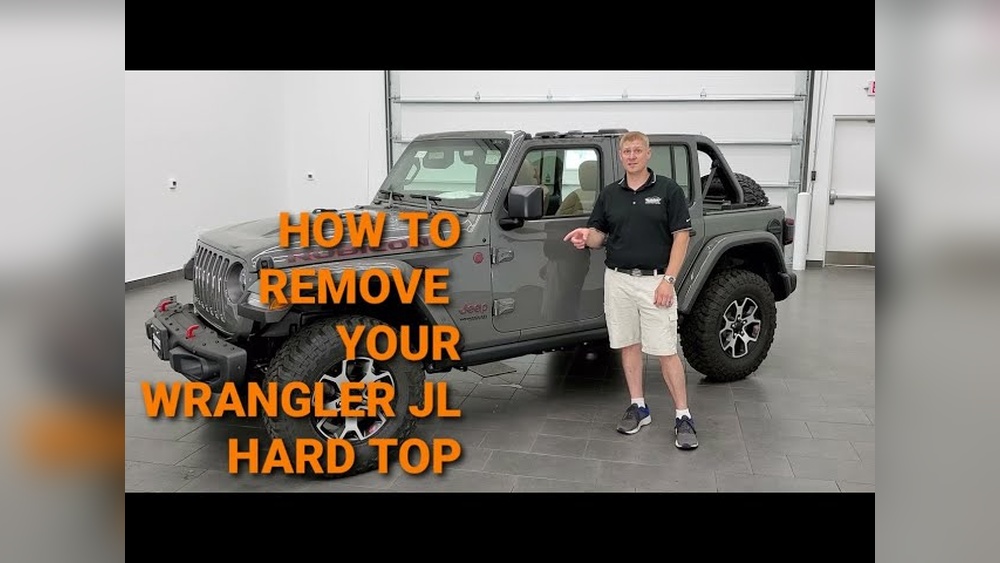
But there’s more to it than just fun. Removing the hardtop makes your Jeep lighter, which can slightly improve fuel efficiency. It also allows you to clean areas that are hard to reach with the top on. Some drivers switch to a soft top after removing the hardtop, making it easier to go topless whenever they want.
Can You Remove A Jeep Hardtop?
The simple answer is yes. Most Jeep models, especially the Wrangler series, are designed so owners can remove the hardtop. It’s a feature that sets Jeeps apart from other SUVs. The process is straightforward, but it does require a bit of time, some tools, and sometimes an extra pair of hands.
Which Jeep Models Allow Hardtop Removal?
Not every Jeep model has a removable hardtop. Here’s a quick comparison:
| Model | Removable Hardtop? | Ease of Removal |
|---|---|---|
| Wrangler (JK, JL, TJ) | Yes | Easy |
| Gladiator | Yes | Easy |
| Grand Cherokee | No | N/A |
| Renegade | No | N/A |
Most owners choose the Wrangler or Gladiator if they want this flexibility. Other models are not built for hardtop removal.
Step-by-step: How To Remove A Jeep Hardtop
Removing the hardtop is not hard, but you should follow the right steps to avoid damage.
- Prepare your Jeep: Park on a flat surface. Turn off the engine and make sure you have enough space.
- Gather tools: You’ll need a Torx wrench (usually size T40), a friend to help, and a safe place to store the top.
- Remove bolts: Start inside the cabin. Take out the bolts along the roof and above the doors.
- Disconnect wiring: If your hardtop has a rear defroster or wiper, unplug the cables in the trunk area.
- Lift off the top: With your helper, carefully lift the hardtop away from the Jeep. Hold the top firmly to avoid scratches or cracks.
- Store safely: Place the top on a soft surface, away from direct sunlight or moisture.
Here’s a table showing the average time and effort for different Jeep models:
| Model | Average Time (minutes) | Number of People Needed |
|---|---|---|
| Wrangler 2-door | 20 | 2 |
| Wrangler 4-door | 25 | 2 |
| Gladiator | 30 | 2 |
Important Tips And Common Mistakes
Removing a Jeep hardtop seems simple, but many beginners make mistakes. Here are some tips and warnings:
- Don’t rush: Take your time, especially if it’s your first try.
- Mark your bolts: Keep bolts in labeled bags so you can easily reinstall them.
- Protect your top: Never leave the hardtop on grass or cement. It can scratch or crack.
- Check weather: Don’t remove the top if rain is expected.
- Handle wiring carefully: Make sure all wires are unplugged before lifting the top.
Two things beginners often forget: First, the weight of the hardtop. Even a Wrangler 2-door hardtop weighs about 80 pounds, so dropping it can cause expensive damage. Second, some insurance policies require you to report hardtop removal, in case of theft or weather damage.
Can You Remove The Hardtop Alone?
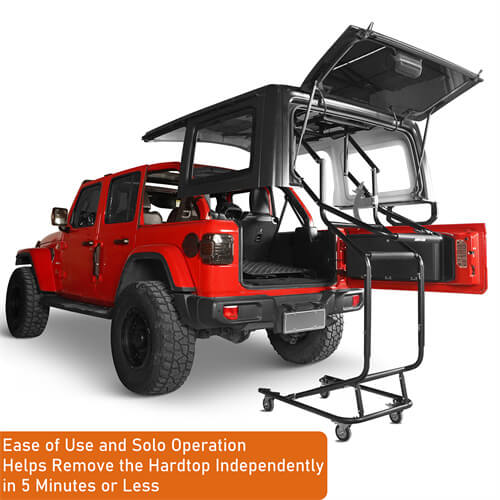
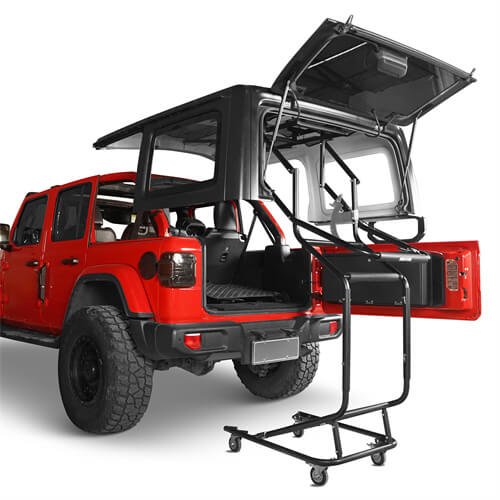
Technically, it’s possible for one strong person to remove a 2-door Jeep hardtop. But most experts recommend two people for safety. Some owners buy a hoist system for their garage, making solo removal easier.
Here’s a comparison of manual removal vs. hoist system:
| Method | Effort | Safety | Cost |
|---|---|---|---|
| Manual (2 people) | Medium | High | Low |
| Hoist system | Low | Very High | Medium |
A hoist costs between $150-$400, but it saves time and reduces risk.
What To Do After Removing The Hardtop
Once the hardtop is off, you can:
- Install a soft top for flexible coverage.
- Add sunshade nets for comfort.
- Store the hardtop in a dry, secure place.
- Enjoy open-air driving.
Be aware that driving without a top means less protection from weather and theft. You should also check local laws some places require roll bars or seat belts to be visible.
Frequently Asked Questions
Can I Remove The Jeep Hardtop By Myself?
It’s possible with a smaller hardtop, but it’s safer with two people or a hoist system. Hardtops are heavy and awkward to carry.
Is Removing The Hardtop Bad For My Jeep?
No, if you follow proper steps. Make sure to store the top safely and avoid scratching the paint or damaging the wiring.
Can I Drive My Jeep With The Hardtop Removed?
Yes, but you lose weather protection. Some states have laws about driving without a roof or doors, so check before you go.
How Often Can I Remove The Hardtop?
As often as you like. Frequent removal may cause wear on bolts and seals, so inspect these parts regularly.
Where Can I Find Official Instructions?
You can find detailed guides and videos on the Jeep Owner’s Manual website.
Removing your Jeep hardtop is a rewarding project for many owners. It gives you freedom, style, and adventure but remember to plan ahead, use the right tools, and protect your vehicle.
With these tips, you can enjoy the full Jeep experience, whether you’re cruising in the city or exploring the countryside.


















