Many Jeep owners love the freedom to explore rough terrain, snowy roads, or sandy paths. But a common question comes up: Can you put a Jeep in 4WD while driving? The answer depends on your Jeep model, your speed, and knowing the right technique. In this article, you’ll discover how Jeep’s 4WD systems work, when and how you can safely shift into 4WD, and common mistakes to avoid. You’ll also see data and examples to help you make the best choices for your Jeep and safety.
Understanding Jeep 4wd Systems
Jeep vehicles are famous for their 4WD (four-wheel drive) options. However, not all Jeeps have the same system. Knowing which type you have is the first step.
| 4WD System | Common Jeep Models | How to Engage |
|---|---|---|
| Part-Time 4WD | Wrangler, Cherokee | Manual lever or switch |
| Full-Time 4WD | Grand Cherokee, Commander | Automatic or manual |
| Active Drive/Select | Renegade, Compass | Dial or button |
Part-time Vs. Full-time 4wd
- Part-Time 4WD: Only use on loose, slippery surfaces (like mud or snow). Not for dry pavement.
- Full-Time 4WD: Can be used on all surfaces, including dry roads.
- Active Drive/Select: Automatic systems that adjust based on conditions.
Non-obvious insight: Many beginners think all 4WD systems work the same, but using part-time 4WD on dry pavement can damage your Jeep’s drivetrain.
Shifting Into 4wd While Driving
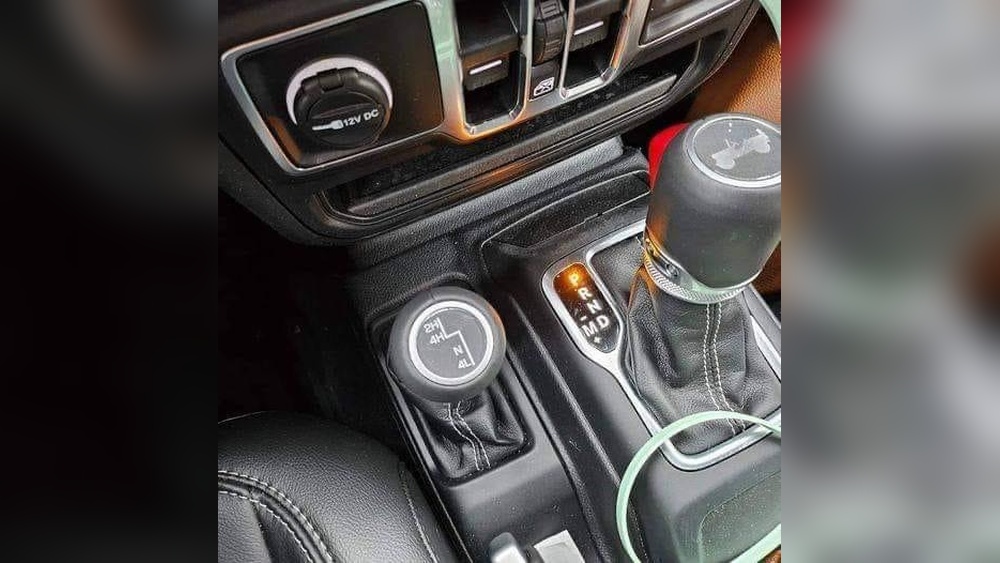
The short answer: Yes, you can shift most modern Jeeps into 4WD while driving, but with important limits.
When You Can Shift
- From 2H (2-High) to 4H (4-High):
- Most Jeeps allow you to do this at speeds up to 55 mph.
- You do not need to stop the vehicle.
- Simply slow down a bit (if possible) for smoother engagement.
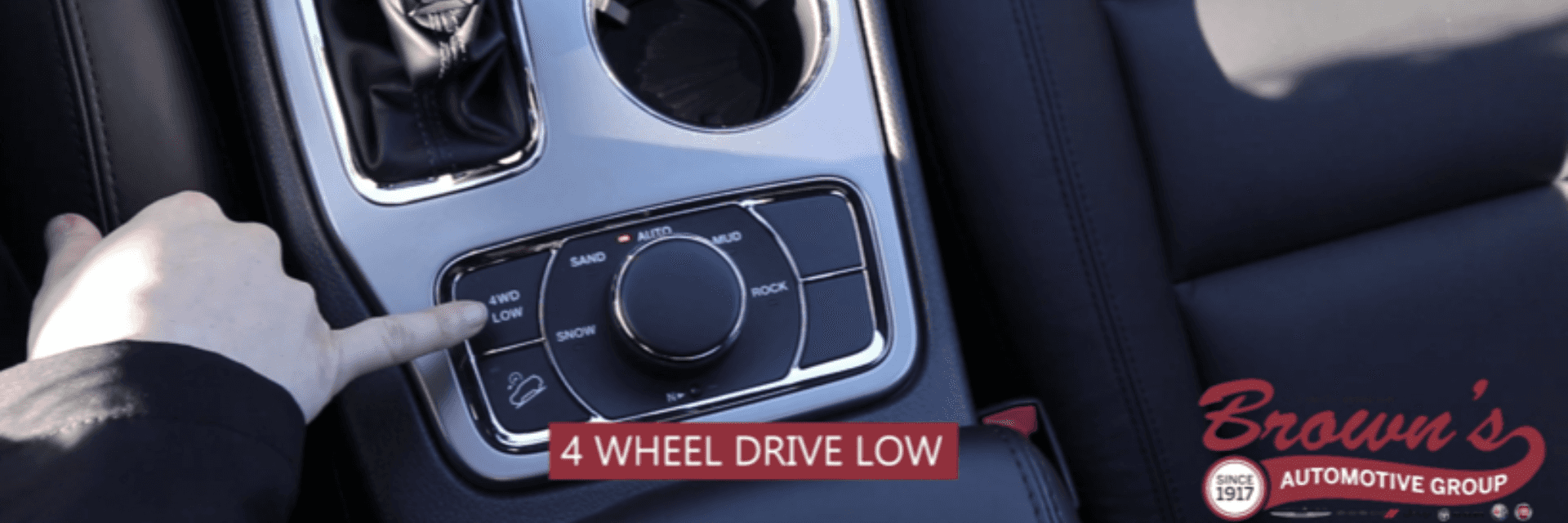
- From 4H to 4L (4-Low):
- You must stop or nearly stop.
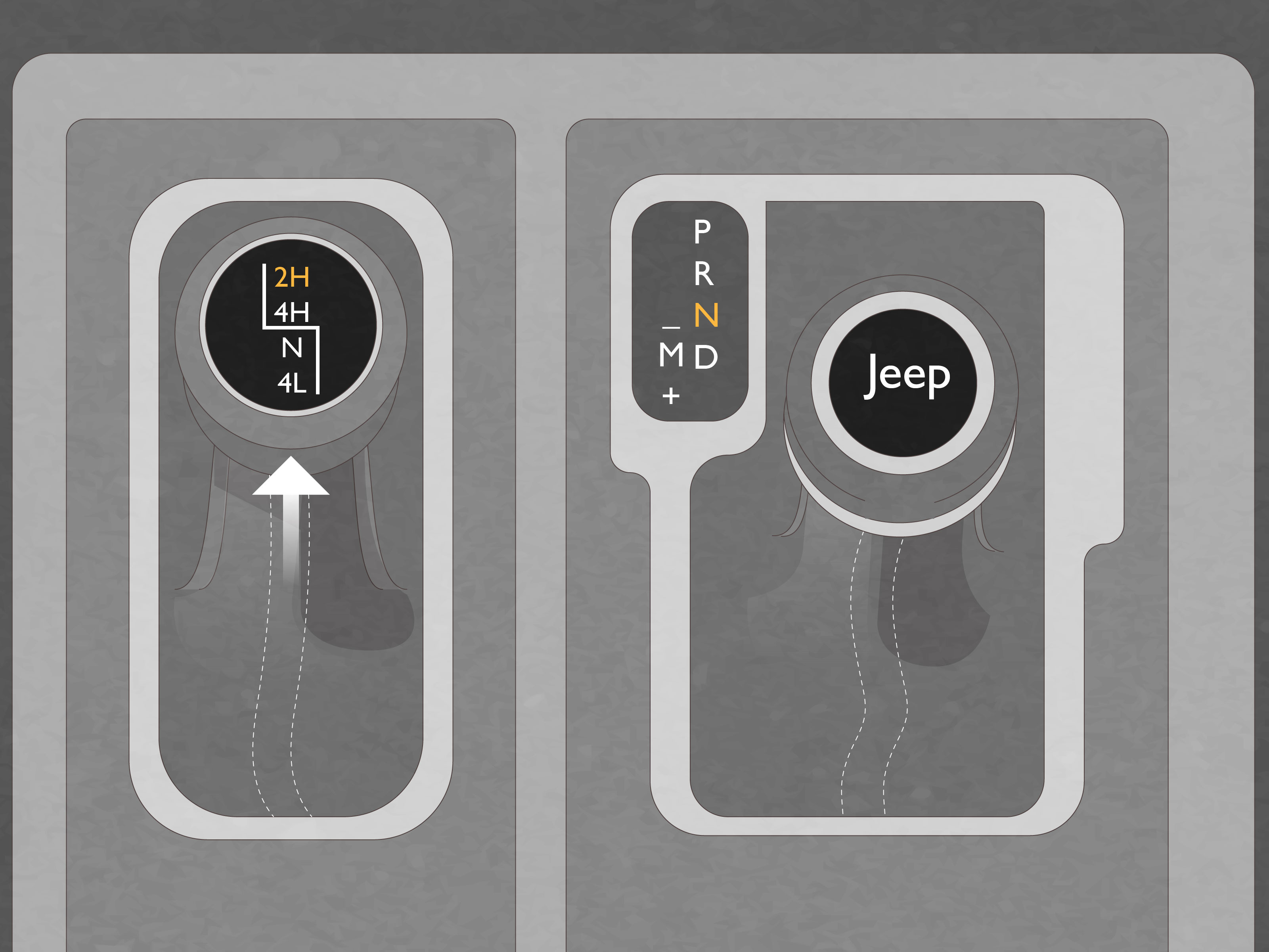
- Shift the transmission to neutral before moving the 4WD lever.
- 4L is only for very rough or slow driving (crawling over rocks, deep mud).
| Shift Type | Speed Allowed | Best for |
|---|---|---|
| 2H to 4H | Up to 55 mph | Snow, sand, rain |
| 4H to 4L | 0-3 mph (almost stopped) | Steep hills, deep mud |
Expert tip: Always check your owner’s manual for the exact speed limit. Some older Jeeps may have lower limits.
Step-by-step: How To Shift Into 4wd While Driving
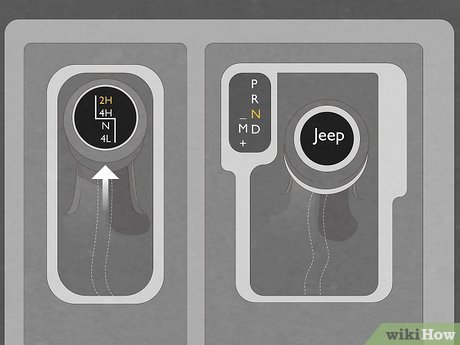
If you want to engage 4H while moving, follow these safe steps:
- Check road conditions. Only shift if the road is slippery or loose.
- Reduce speed. Try to slow down to below 45 mph for smoother shifting.
- Firmly grasp the 4WD lever or use the switch/dial, depending on your Jeep.
- Shift from 2H to 4H in one smooth motion.
- Listen for a click or feel the lever move into place. This tells you 4WD is active.
- Drive normally. Avoid sudden turns or quick acceleration while in 4WD.
Common mistake: Many new drivers try to shift into 4L while driving at speed. This can damage gears and void your warranty.
When Not To Shift Into 4wd
There are times when shifting into 4WD can be risky or even dangerous:
- On dry pavement: This creates “driveline binding,” making it hard to turn and risking damage.
- At high speed (above recommended): Gears may grind or fail to engage.
- If wheels are spinning: Stop first to avoid gear clash.
Non-obvious insight: Even if your Jeep has advanced 4WD, using it on the wrong surface can wear out tires faster and reduce fuel efficiency.
What Happens If You Shift Incorrectly?
Shifting the wrong way can cause several problems:
- Loud clunking noises from the transfer case
- Difficulty steering or tight turns
- Warning lights on the dashboard
- Permanent damage to the drivetrain (expensive to repair)
If you notice any of these, stop and shift back to 2H, then drive carefully to a mechanic.
| Incorrect Shift | Possible Result |
|---|---|
| 4H on dry pavement | Tire wear, drivetrain damage |
| 4L at high speed | Gear damage, loss of control |
| Shifting without stopping (4L) | Transfer case failure |
Real-world Example
A 2022 Jeep Wrangler owner shared that he shifted from 2H to 4H at 40 mph on snowy roads. The shift was smooth and improved traction.
However, trying the same on dry pavement made turns difficult and led to a visit to the dealership for a driveline check.
This shows the importance of using 4WD wisely.
Maintenance Tips For 4wd Systems
To keep your Jeep’s 4WD system working well:
- Engage 4WD at least once a month, even if you don’t need it, to keep parts lubricated.
- Check transfer case fluid during regular service.
- Listen for strange noises when shifting.
- Follow your manual for fluid change intervals.
Practical tip: If you buy a used Jeep, ask when the last transfer case service was done. This can prevent costly repairs.
Frequently Asked Questions
Can I Shift My Jeep Into 4wd While Driving At Highway Speeds?
You can shift from 2H to 4H at speeds up to 55 mph in most modern Jeeps. However, it’s safer and smoother to slow down to around 45 mph. Never shift into 4L at highway speeds.
Will Using 4wd All The Time Damage My Jeep?
If your Jeep has part-time 4WD, using it all the time (especially on dry roads) can cause drivetrain wear. Full-time 4WD systems are designed to be used on all surfaces.
Is It Normal To Hear A Noise When Shifting Into 4wd?
A small click or clunk is normal when the system engages. Loud grinding or repeated noises are not normal and should be checked by a mechanic.
What If My Jeep Gets Stuck In 4wd?
Try shifting to neutral, then back to 2H or 4H. If it stays stuck, consult your owner’s manual or visit a qualified Jeep mechanic.
Where Can I Learn More About Jeep 4wd Systems?
You can find detailed technical information on the Wikipedia page on Four-wheel drive.
Jeep’s 4WD systems give you power and confidence on tough roads. By understanding when and how to shift, you protect your Jeep and enjoy safer driving.
Always consult your manual and use 4WD wisely for the best results.