The Jeep 258 crate engine is a legend among off-road fans and classic car owners. Known for its reliability and torque, this straight-six powerplant has been a favorite since its introduction in the early 1970s. Whether you want to restore a vintage Jeep or upgrade your daily driver, the 258 crate engine offers a solid foundation for performance and durability. Let’s explore what makes this engine special, how it compares to other options, and how to choose the right crate engine for your Jeep.
What Is The Jeep 258 Crate Engine?
The Jeep 258 engine, also known as the AMC 4.2L, is a straight-six engine that powered many Jeep models from 1971 to 1990. The “crate” version means it’s sold as a complete, ready-to-install engine—either new or remanufactured. This makes installation easier and more reliable than rebuilding an old motor.
Most crate engines include:
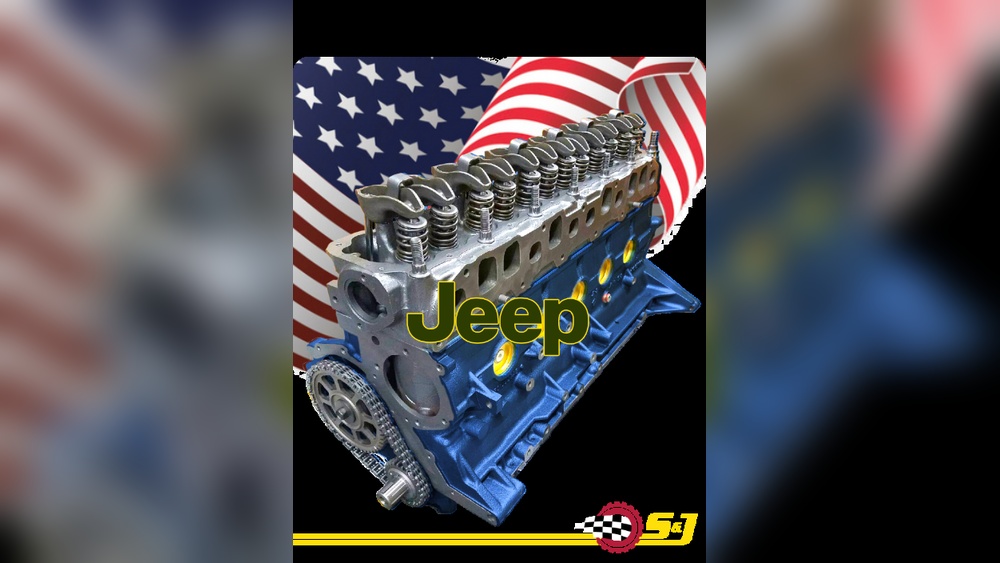
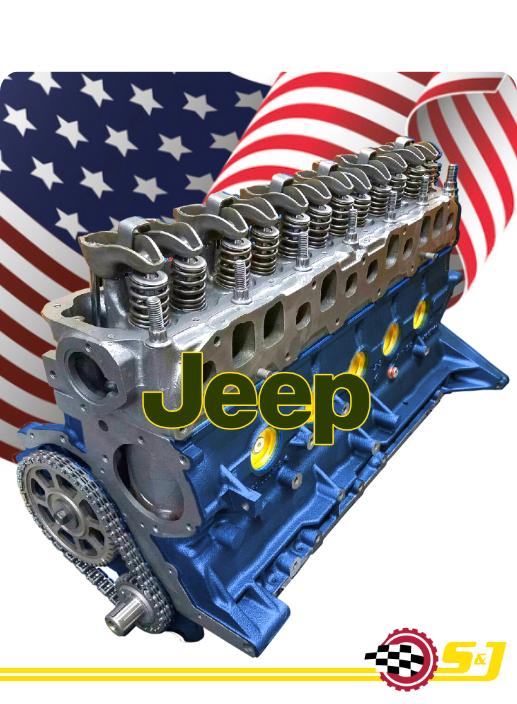
- Fully assembled long block (block, cylinder head, pistons, camshaft, crankshaft)
- New gaskets and seals
- Some include oil pan, valve cover, and timing cover
The 258 engine is popular for its:
- Low-end torque (great for off-roading)
- Simple design (easy to repair)
- Long lifespan (often over 200,000 miles if maintained)
Jeep 258 Crate Engine Performance
The original Jeep 258 produced about 110–120 horsepower and 210–220 lb-ft of torque. While these numbers seem low by modern standards, the torque curve is what makes it special. It delivers strong pulling power at low RPMs, perfect for rock crawling, towing, and daily driving.
Remanufactured or upgraded crate engines may offer:
- Improved horsepower (up to 140–150 HP with performance parts)
- Better fuel efficiency (with modern carburetors or EFI kits)
- Smoother idle and quieter operation
Many enthusiasts swap the 258 for newer engines, but the 258 remains a top choice for those who value authenticity and classic Jeep character.
Comparing Jeep 258 To Other Engines
Here’s a quick comparison of the Jeep 258 crate engine with other common Jeep engines:
| Engine | Displacement | Horsepower | Torque | Notes |
|---|---|---|---|---|
| Jeep 258 (4.2L) | 258 cu in (4.2L) | 110–120 HP | 210–220 lb-ft | Excellent low-end torque |
| Jeep 4.0L | 242 cu in (4.0L) | 177–190 HP | 220–235 lb-ft | More HP, similar torque |
| Jeep 304 V8 | 304 cu in (5.0L) | 150–210 HP | 245–300 lb-ft | Higher power, more complex |
Choosing The Right Jeep 258 Crate Engine
Selecting the right crate engine depends on your needs:
- Original restoration: Stick with stock specs for authenticity.
- Performance upgrade: Choose a crate with performance camshafts, pistons, or EFI.
- Budget: Remanufactured engines are cheaper, but new ones may last longer.
- Warranty: Look for engines with at least a 1-year warranty.
Some suppliers offer custom builds, so you can add upgrades like roller cams, aluminum heads, or electronic ignition.
Installation Tips And Common Mistakes
Installing a Jeep 258 crate engine is straightforward, but here are some tips:
- Check compatibility with your Jeep model (mounts, transmission, electronics)
- Replace old hoses, belts, and sensors during installation
- Prime the oil system before first startup
- Use proper torque specs for bolts
Common mistakes include:
- Forgetting to check cooling system condition (radiator, water pump)
- Reusing old, worn-out motor mounts
- Skipping break-in procedures (important for new engines)
It’s wise to consult a mechanic if you’re not experienced with engine swaps.
Cost And Value
A typical Jeep 258 crate engine costs between $2,000 and $3,500, depending on whether it’s remanufactured or new. Additional costs include:
- Labor (if not DIY): $800–$1,500
- Ancillary parts: $200–$500 (mounts, hoses, fluids)
While this may seem expensive, a crate engine can add years of reliability and preserve your Jeep’s value. Many owners report over 100,000 miles after a swap.

Upgrades And Modernizations
Modern upgrades can make the Jeep 258 even more dependable:
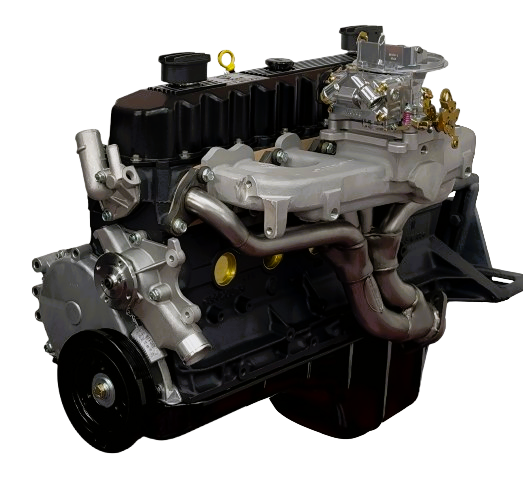
- EFI conversion kits for better fuel efficiency and easier cold starts
- High-performance ignition systems for smoother running
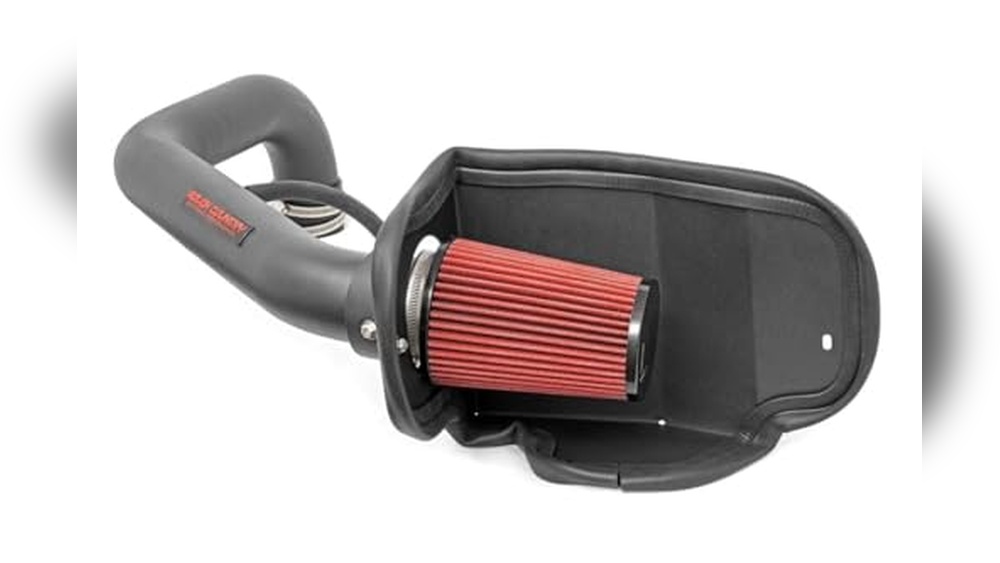
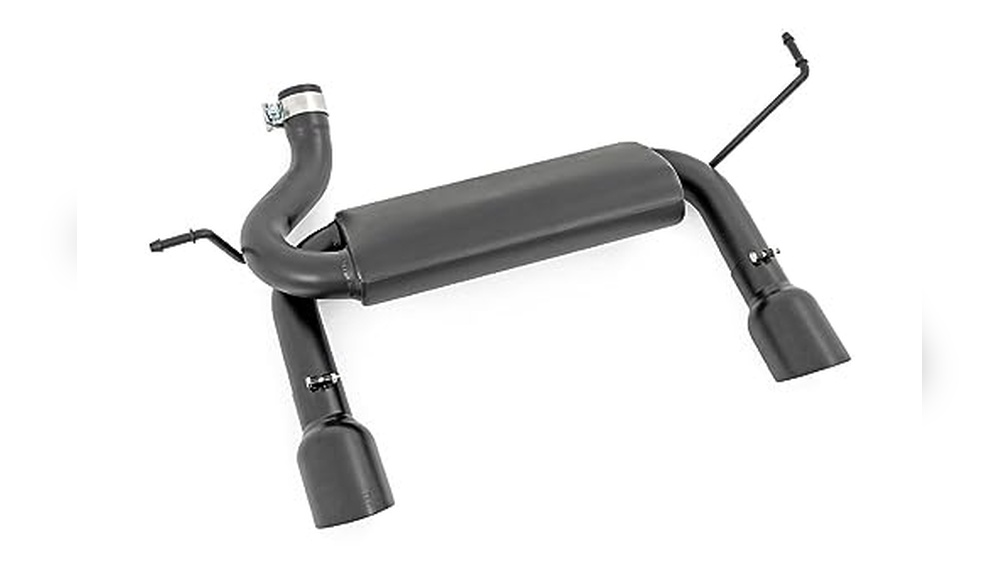
- Headers and exhaust upgrades for improved power
These upgrades do not sacrifice the engine’s classic feel but enhance its usability for modern driving.
Here’s a comparison of common upgrades:
| Upgrade | Benefit | Estimated Cost |
|---|---|---|
| EFI Kit | Better fuel economy | $1,000–$1,500 |
| Performance Camshaft | More power | $250–$500 |
| Headers | Improved exhaust flow | $250–$400 |
Real-world Examples
Many Jeep owners choose the 258 crate engine for its reliability in harsh environments. For example, off-road clubs in the US Southwest report that Jeeps with the 258 regularly finish long desert runs without overheating or mechanical failure. Some older CJ models still run original 258 engines after more than 30 years.
One non-obvious insight: the 258’s simple carburetor setup can be easily converted to EFI, making it suitable even for high-altitude adventures where carburetors often struggle.
Frequently Asked Questions
Is The Jeep 258 Crate Engine Still Available?
Yes, you can buy remanufactured or custom-built Jeep 258 crate engines from specialty suppliers. Some dealers also offer new builds using modern parts.
What Jeep Models Used The 258 Engine?
The 258 engine was found in CJ, Wrangler YJ, Cherokee (early years), and some Wagoneers. Always check compatibility before ordering.
Can I Upgrade My Jeep 258 Engine With Modern Parts?
Absolutely. You can add EFI kits, performance cams, and modern ignition systems. These upgrades improve performance and reliability.
How Long Does A Jeep 258 Crate Engine Last?
With good maintenance, many owners report over 150,000–200,000 miles. Quality crate engines can last even longer.
Where Can I Learn More About The Jeep 258 Engine?
For detailed history and specs, visit the Wikipedia AMC Straight-6 page.
Restoring or upgrading your Jeep with a 258 crate engine is a smart investment. You get classic performance, dependable torque, and a piece of Jeep history. By choosing the right crate engine, maintaining it well, and considering a few modern upgrades, you can enjoy years of trouble-free driving—on or off the road.